







Cough Assist Device in Respiratory Care: Supporting Airway Clearance for Patients with Weak or Ineffective Cough
Coughing is one of the body's most important natural defense mechanisms. A strong cough helps remove mucus, secretions, and foreign materials from the airway, keeping breathing passages clear. However, many critically ill patients and individuals with respiratory weakness may lose the ability to generate an effective cough, increasing the risk of airway obstruction, infection, and respiratory complications.
In intensive care units (ICUs), rehabilitation centers, and long-term care settings, maintaining airway clearance has become a major challenge, especially for patients who cannot independently clear respiratory secretions. A Cough Assist Device, also known as a Mechanical Insufflation-Exsufflation (MI-E) device, provides mechanical cough assistance by simulating the natural coughing process and supporting secretion removal.
Why Ineffective Cough Can Become a Serious Respiratory Risk
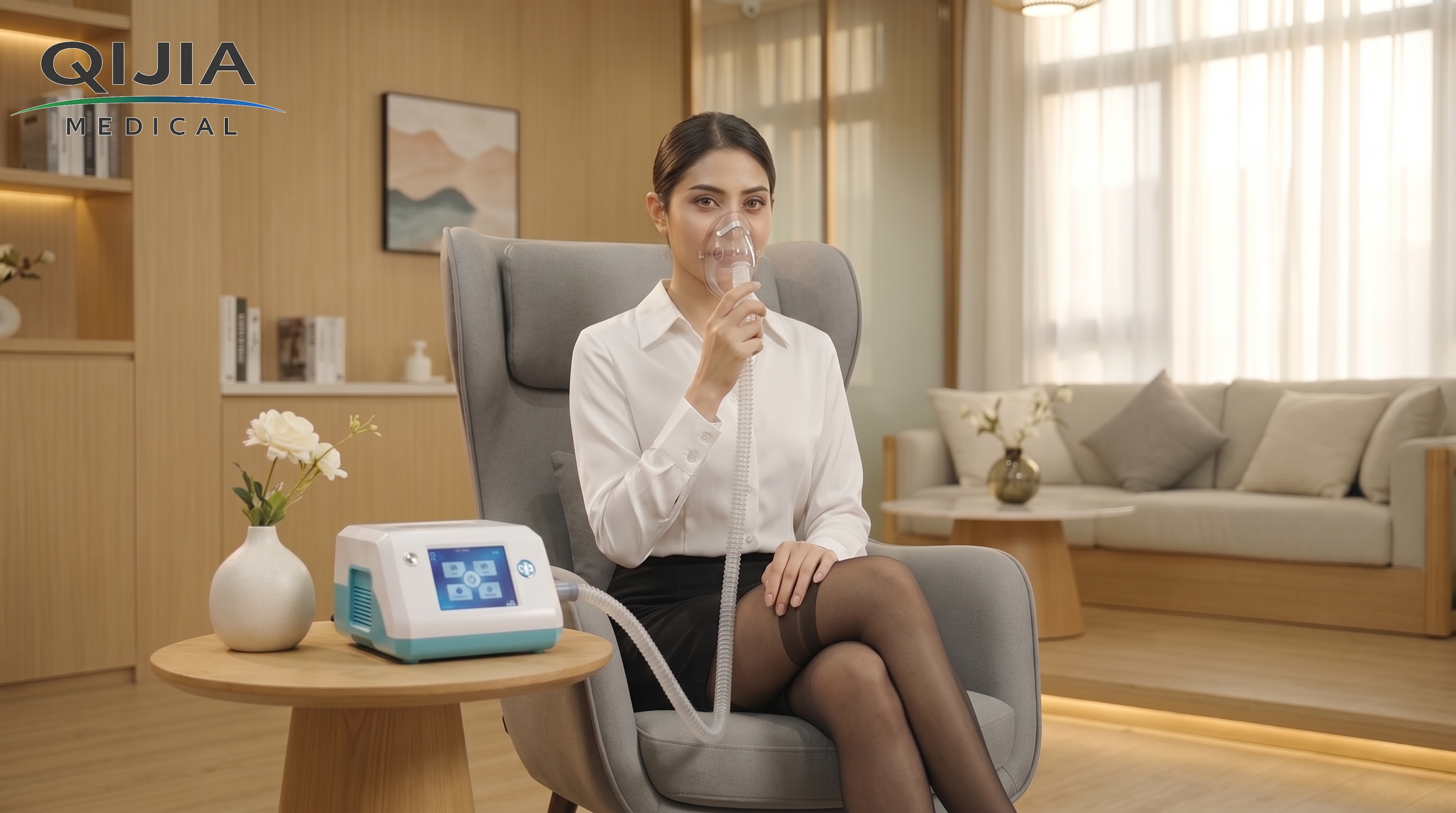
When patients are unable to cough effectively, mucus can accumulate inside the airway. Over time, retained secretions may block airflow, reduce lung function, and increase the possibility of respiratory infections. For vulnerable patients, this condition can quickly develop into more serious complications such as pneumonia, atelectasis, or respiratory failure.
The risk is particularly high among patients who experience:
Reduced respiratory muscle strength
Long-term hospitalization or intensive care treatment
Mechanical ventilation or airway intubation
Neurological conditions affecting breathing control
Post-surgical respiratory weakness
Chronic respiratory diseases with excessive mucus production
ICU Patients and the Challenge of Airway Clearance
Patients in the ICU often face multiple factors that weaken their natural cough ability. Sedation, prolonged bed rest, endotracheal tubes, and respiratory muscle fatigue may reduce the effectiveness of normal airway protection mechanisms.
After mechanical ventilation or extubation, some patients may still struggle to remove accumulated mucus independently. Poor secretion clearance can increase the risk of breathing difficulties and may delay recovery. Therefore, effective airway management is an important part of respiratory care.
Mechanical insufflation-exsufflation technology has been increasingly used as an assisted cough technique in patients with impaired cough effectiveness, including certain ICU and respiratory care situations. citeturn0search2
Respiratory Conditions That May Require Cough Assistance
1. Neuromuscular Disorders Affecting Breathing Strength
Conditions such as amyotrophic lateral sclerosis (ALS), muscular dystrophy, spinal cord injury, and other neuromuscular disorders can weaken respiratory muscles. Although the lungs may still produce mucus normally, patients may not have enough cough strength to remove secretions effectively.
2. Chronic Respiratory Diseases with Excessive Secretions
Patients with bronchiectasis, chronic bronchitis, and other respiratory conditions may experience increased mucus production. When mucus becomes difficult to clear, airway blockage and repeated respiratory infections may occur.
3. Elderly and Long-Term Bedridden Patients
Aging, reduced mobility, and prolonged bed rest can gradually weaken respiratory muscle function. Many elderly patients have difficulty producing a strong cough, especially during respiratory infections.
For long-term care facilities and rehabilitation centers, supporting effective airway clearance can help improve respiratory management and patient comfort.
4. Postoperative and Recovery Patients
After major surgery, especially thoracic or abdominal procedures, patients may experience shallow breathing and reduced coughing ability due to pain, fatigue, or temporary respiratory weakness. Assisted cough techniques may support secretion management during the recovery process.
How Does a Cough Assist Device Work?
A Cough Assist Device works by applying alternating positive and negative pressure to reproduce the airflow changes of a natural cough.
Insufflation phase: Positive pressure helps expand the lungs and increase air volume.
Exsufflation phase: Rapid negative pressure creates a fast expiratory flow to help move mucus toward the upper airway.
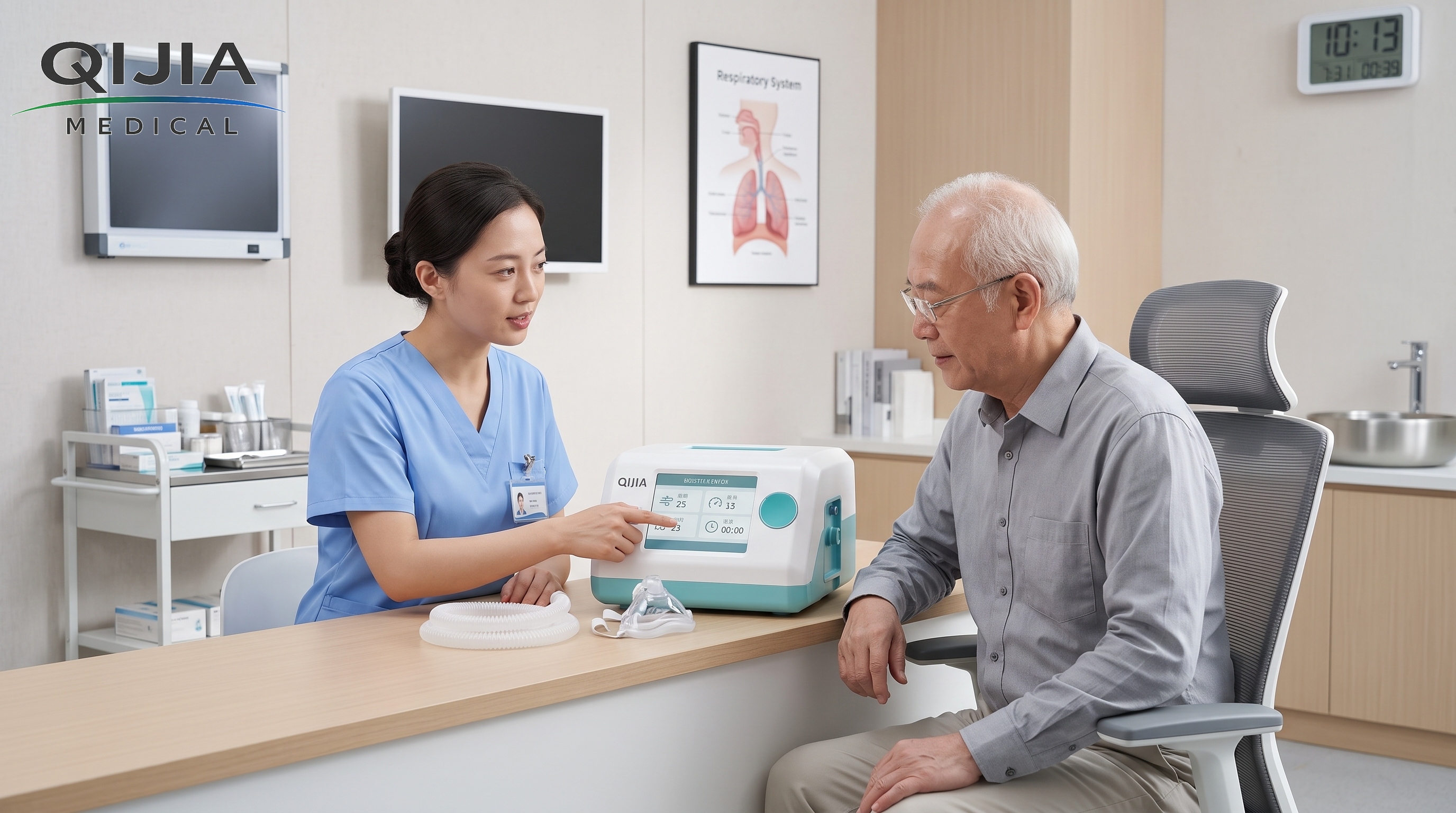
This mechanical cough assistance approach can help patients who are unable to generate sufficient cough strength on their own. The device can be used with different interfaces according to clinical requirements, including mask or airway access options.
Applications of Cough Assist Device in Healthcare Facilities
Modern respiratory care requires flexible solutions for different patient conditions. Cough Assist Devices are commonly considered in healthcare environments such as:
Intensive Care Units (ICU)
Respiratory care departments
Rehabilitation hospitals
Neurological care centers
Long-term care facilities
Home respiratory care programs
Choosing a Reliable Cough Assist Solution for Clinical Needs
Healthcare providers need respiratory equipment that combines reliable performance, flexible operation, and suitability for different patient scenarios. A professional cough assistance system should support clinicians in managing patients with weak cough ability and respiratory secretion challenges.
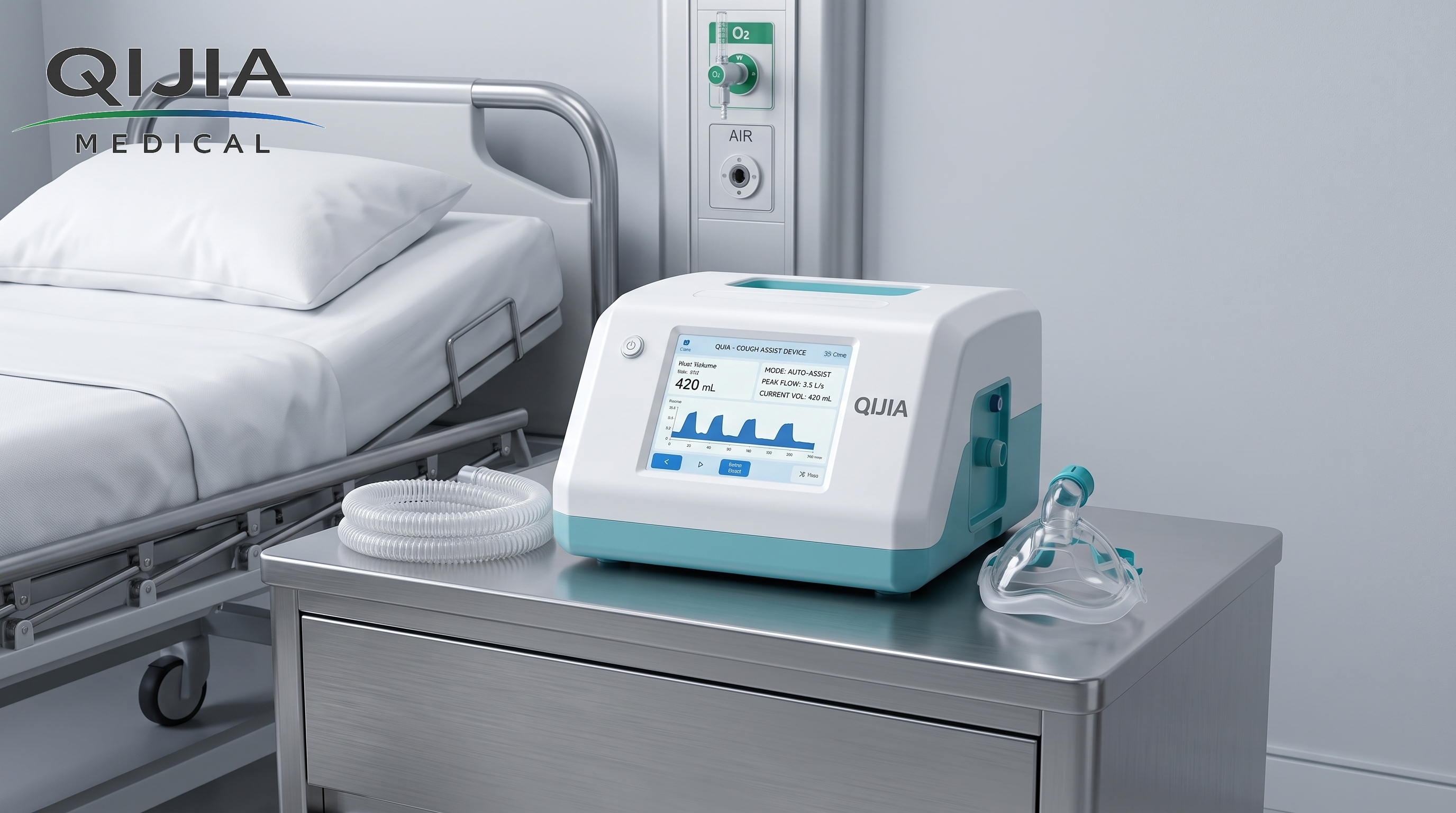
QIJIA MEDICAL focuses on respiratory care and rehabilitation technology solutions, providing medical equipment designed for hospitals, clinics, and healthcare partners worldwide. Our Cough Assist Device is developed to support airway clearance management for patients requiring assisted cough therapy.
Partner with QIJIA MEDICAL for Respiratory Care Solutions
As a medical device manufacturer, QIJIA MEDICAL provides OEM/ODM cooperation opportunities for global distributors, hospitals, and healthcare organizations. With professional manufacturing capability and medical equipment development experience, we support partners looking for reliable respiratory and rehabilitation solutions.
Learn more about our company and OEM/ODM cooperation:QIJIA MEDICAL About Us
For product details, cooperation inquiries, or distributor opportunities, please contact our team:Contact QIJIA MEDICAL
Frequently Asked Questions (FAQ)
1. What is a Cough Assist Device?
A Cough Assist Device is a respiratory therapy device that helps patients with weak cough ability clear airway secretions by using mechanical insufflation-exsufflation technology.
2. Who may benefit from a Cough Assist Device?
Patients with respiratory muscle weakness, neurological disorders, ICU-related respiratory challenges, long-term respiratory diseases, or difficulty clearing mucus may benefit from assisted cough therapy under professional medical guidance.
3. Can a Cough Assist Device be used in ICU patients?
Yes. Cough assistance technology may be considered in ICU respiratory management, especially for patients who have difficulty clearing secretions due to reduced cough effectiveness. Clinical assessment and professional operation are essential.
4. Is a Cough Assist Device only for hospitals?
No. Depending on patient conditions and medical recommendations, cough assistance devices may also be used in rehabilitation centers, long-term care environments, and selected home respiratory care applications.
5. How does a Cough Assist Device help remove mucus?
The device creates airflow changes similar to a natural cough by switching between positive and negative pressure, helping mobilize and clear respiratory secretions.