






How TMS Technology Supports Stroke Rehabilitation and Helps Improve Post-Stroke Recovery
Stroke is one of the most serious neurological conditions worldwide. A sudden interruption of blood flow to the brain can cause permanent damage to brain cells, affecting movement, speech, balance, memory, and daily activities.
For many stroke survivors, the recovery journey does not end after emergency treatment. Post-stroke complications such as muscle weakness, limb paralysis, difficulty controlling movements, and reduced independence may continue for months or even years. Early and continuous rehabilitation plays an important role in helping patients regain function.
With advances in neuroscience and rehabilitation technology, Transcranial Magnetic Stimulation (TMS) has become an important non-invasive brain stimulation technology that is being explored as an additional tool to support neurological rehabilitation.
The Hidden Risks and Long-Term Challenges After Stroke
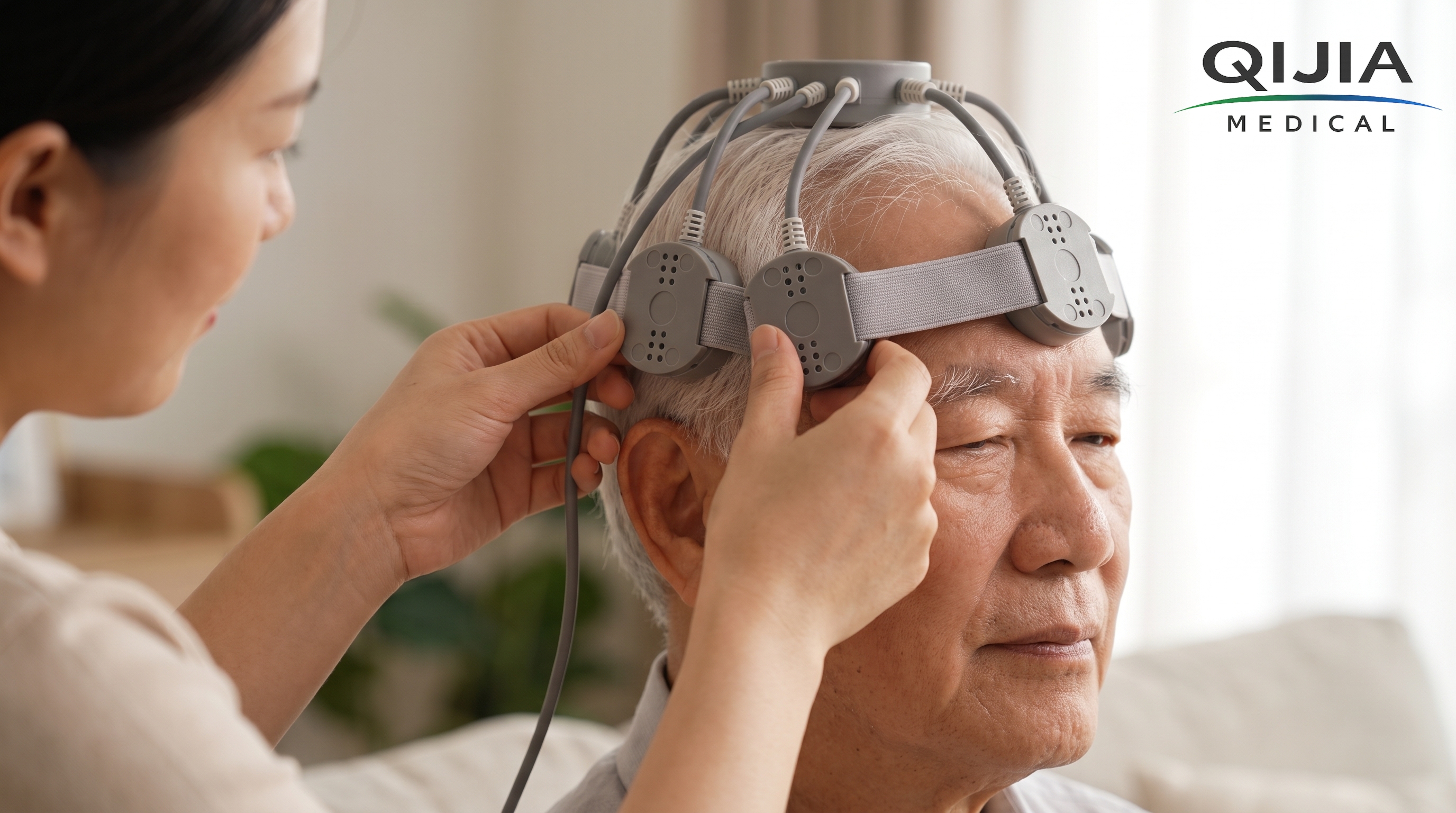
Stroke can leave patients with different levels of neurological impairment depending on the affected brain area. Common post-stroke challenges include:
Weakness or paralysis on one side of the body (hemiparesis)
Difficulty moving arms, hands, or legs
Reduced coordination and balance
Speech and communication difficulties
Problems with daily activities and independence
Mood changes, anxiety, and emotional instability
Without appropriate rehabilitation support, some patients may experience long-term functional limitations, affecting their quality of life and ability to return to normal activities.
What Is TMS Technology?
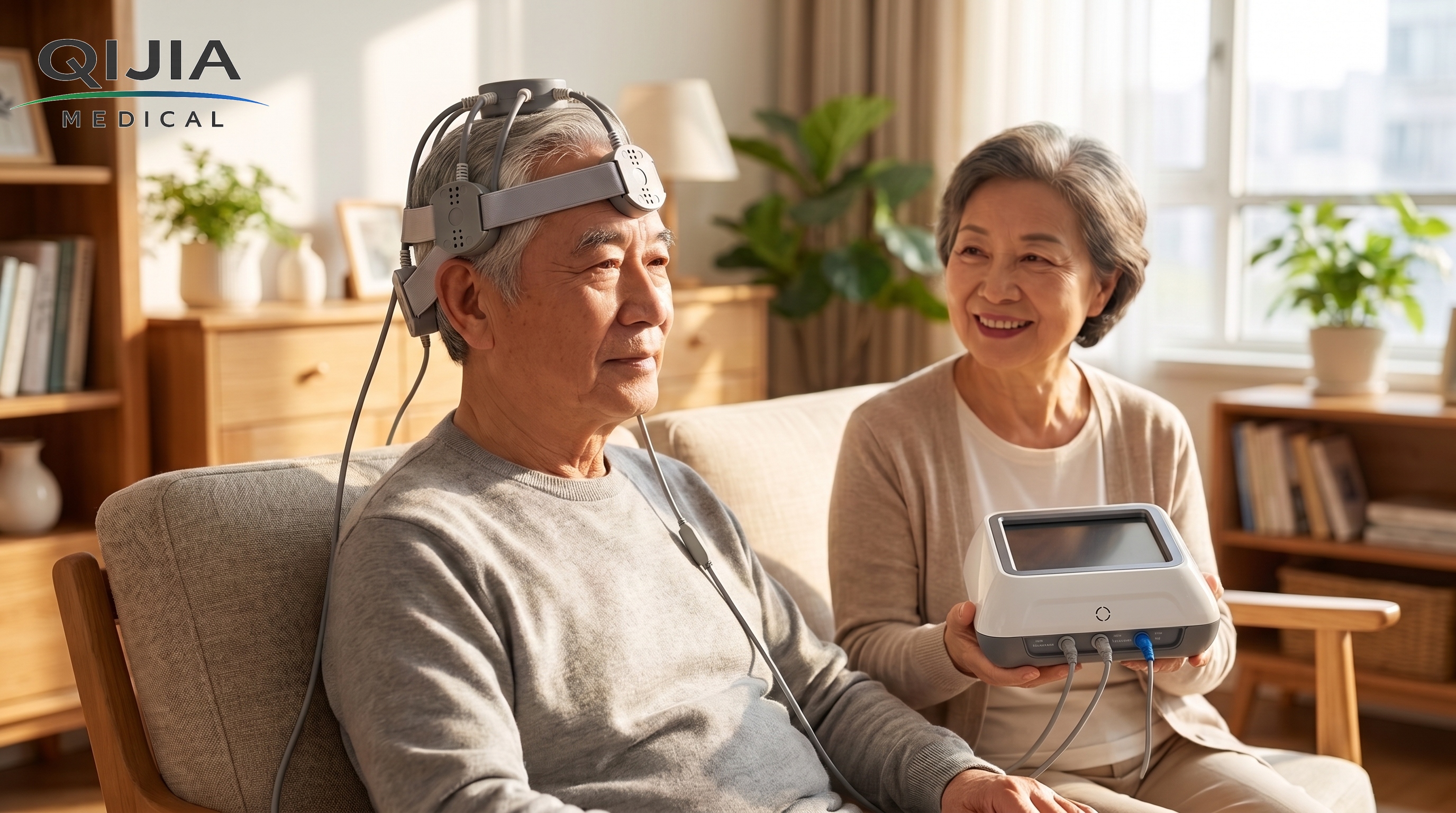
Transcranial Magnetic Stimulation (TMS) is a non-invasive neuromodulation technology that uses magnetic pulses to stimulate specific areas of the brain.
Unlike invasive procedures, TMS does not require surgery or implanted devices. It works by delivering controlled magnetic stimulation through a coil placed near the scalp, helping researchers and healthcare professionals study and regulate brain activity.
In stroke rehabilitation, repetitive TMS (rTMS) has been widely studied because of its potential role in supporting brain plasticity — the brain's natural ability to reorganize and create new functional connections after injury.
How Can TMS Support Stroke Rehabilitation?
Stroke recovery is closely related to neuroplasticity. After a stroke, healthy areas of the brain may gradually adapt and help compensate for damaged regions. TMS technology aims to influence brain activity patterns and support this recovery process.
1. Supporting Motor Function Recovery
One of the most common problems after stroke is impaired movement, especially weakness of the arm and hand.
Research on repetitive TMS suggests that targeted stimulation may support improvements in motor function for some stroke patients, particularly during early and recovery stages when combined with conventional rehabilitation approaches.
By helping regulate cortical excitability and promoting brain network adaptation, TMS may assist rehabilitation programs focusing on:
Upper limb movement training
Hand and arm coordination
Muscle control improvement
Functional movement practice
Clinical studies and reviews have reported potential benefits of rTMS in post-stroke motor recovery, although treatment results can vary depending on stimulation protocols, patient condition, and rehabilitation plans.
Learn more about our TMS Devicedesigned for professional neurological applications.
2. Helping Improve Daily Functional Ability
For stroke survivors, recovery is not only about muscle strength but also about regaining independence in everyday life.
TMS-assisted rehabilitation programs may support improvements related to daily activities by enhancing motor learning and cooperation between brain signals and physical training.
When combined with rehabilitation exercises, TMS technology may provide additional support for patients working toward better functional performance.
3. Supporting Brain Network Recovery
After stroke, communication between different brain regions may become disrupted. TMS provides a way to non-invasively influence specific cortical areas and study brain function recovery.
This makes TMS an important technology in modern neurorehabilitation research and neurological care.
TMS Device: A Modern Solution for Neurological Rehabilitation Applications
QIJIA MEDICAL develops advanced medical technology solutions including Transcranial Magnetic Stimulation (TMS) systems for neurological and rehabilitation applications.
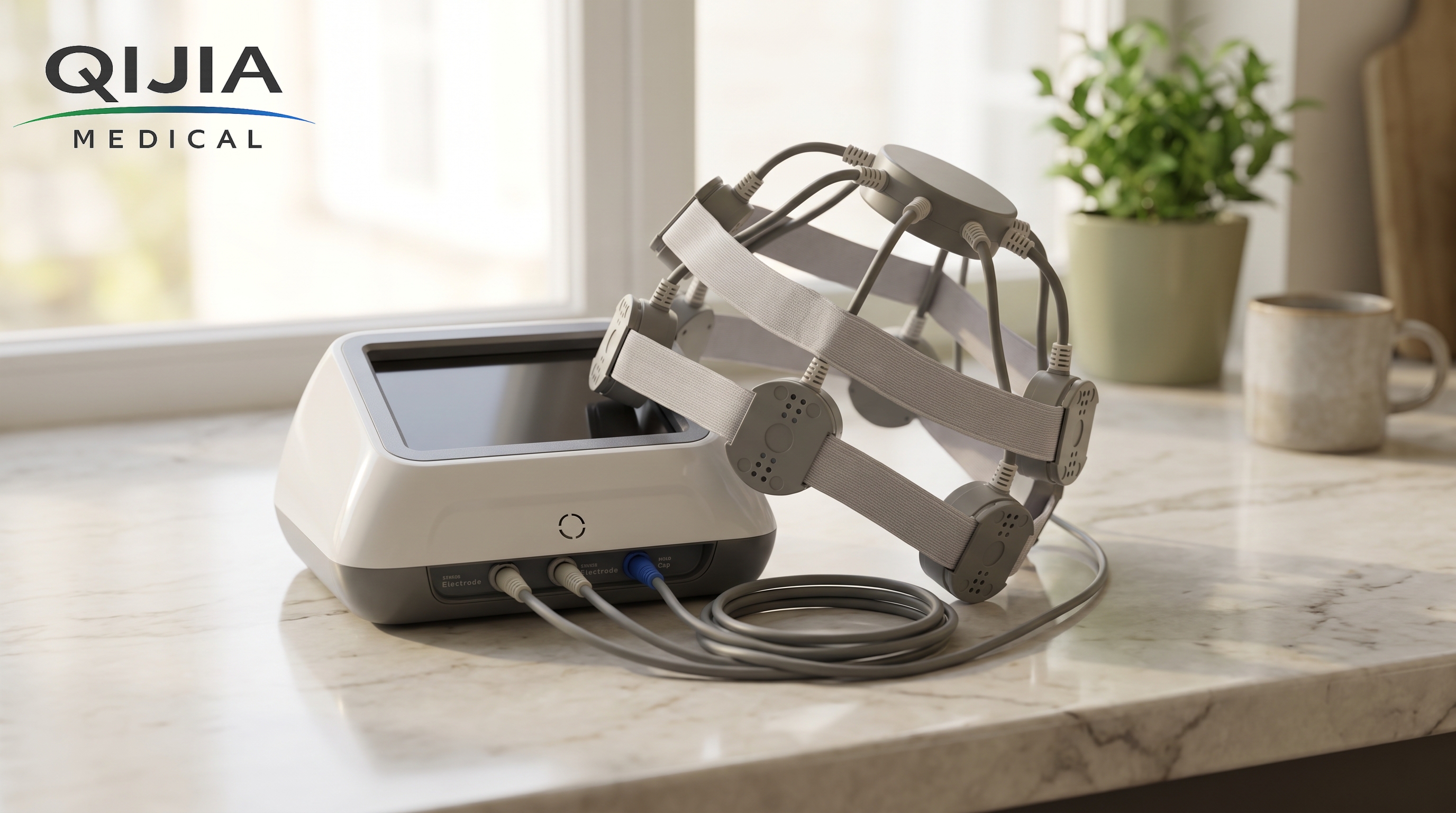
Our TMS equipment combines intelligent control systems, adjustable stimulation parameters, and user-friendly operation to support different application scenarios.
Non-invasive magnetic stimulation technology
Adjustable stimulation parameters
Intelligent operation interface
Designed for neurological rehabilitation applications
Suitable for global healthcare and personal wellness technology markets
Why Choose QIJIA MEDICAL as Your TMS Equipment Partner?
As a professional medical equipment manufacturer, QIJIA MEDICAL focuses on research, development, production, and global cooperation of rehabilitation and healthcare technologies.
We provide OEM and ODM services for international partners looking for reliable medical device solutions.
Our advantages include:
Experienced medical equipment manufacturing capability
Professional R&D and quality control process
OEM/ODM customization support
Global market cooperation experience
Learn more about our company and OEM/ODM cooperation:
The Future of Stroke Rehabilitation with Brain Stimulation Technology
Stroke rehabilitation requires a comprehensive approach, including physical therapy, occupational training, medication management, and continuous monitoring.
TMS technology represents an innovative direction in neurological rehabilitation by providing a non-invasive method to support brain stimulation research and rehabilitation programs.
Although TMS is not a replacement for emergency stroke treatment or traditional rehabilitation therapy, it may serve as a valuable complementary technology for selected patients under professional guidance.
Conclusion
Stroke can create serious challenges that affect movement, independence, and quality of life. Modern rehabilitation technologies such as Transcranial Magnetic Stimulation provide new possibilities for supporting recovery after neurological injury.
With continuous advances in brain science, TMS equipment is becoming an important part of the future of personalized rehabilitation solutions.
QIJIA MEDICAL welcomes global distributors, healthcare partners, and technology companies interested in TMS solutions.
Contact us for product information and cooperation opportunities:
Frequently Asked Questions (FAQ)
1. Can TMS completely cure stroke?
No. TMS is not a cure for stroke. It is a non-invasive brain stimulation technology that may support rehabilitation programs by influencing brain activity and promoting neuroplasticity when used under professional guidance.
2. How can TMS help stroke patients?
TMS may help support motor recovery, brain function adaptation, and rehabilitation training for some stroke patients. The effects depend on individual conditions, treatment protocols, and rehabilitation plans.
3. Is TMS treatment invasive?
No. TMS is a non-invasive technology that uses magnetic stimulation without surgery or implanted devices.
4. Can TMS replace physical rehabilitation?
No. TMS is generally considered a complementary technology and is often combined with conventional rehabilitation methods such as physical therapy and occupational therapy.
5. Does QIJIA MEDICAL provide OEM/ODM TMS solutions?
Yes. QIJIA MEDICAL provides OEM and ODM services for global partners seeking customized medical equipment solutions.