






How Transcranial Magnetic Stimulation (TMS) Supports Stroke Recovery and Helps Reduce Post-Stroke Challenges
Stroke is one of the most serious neurological conditions worldwide. When a stroke occurs, the interruption of blood flow to the brain can damage areas responsible for movement, speech, coordination, and cognitive functions. Even after emergency treatment, many stroke survivors continue to experience long-term challenges, including weakness on one side of the body, difficulty speaking, swallowing problems, and reduced independence in daily activities.
Modern neuroscience has shown that the brain has a certain ability to reorganize and adapt after injury, a process known as neuroplasticity. Transcranial Magnetic Stimulation (TMS), especially repetitive Transcranial Magnetic Stimulation (rTMS), has attracted increasing attention as a non-invasive brain stimulation technology that may support neurological rehabilitation by regulating brain activity.
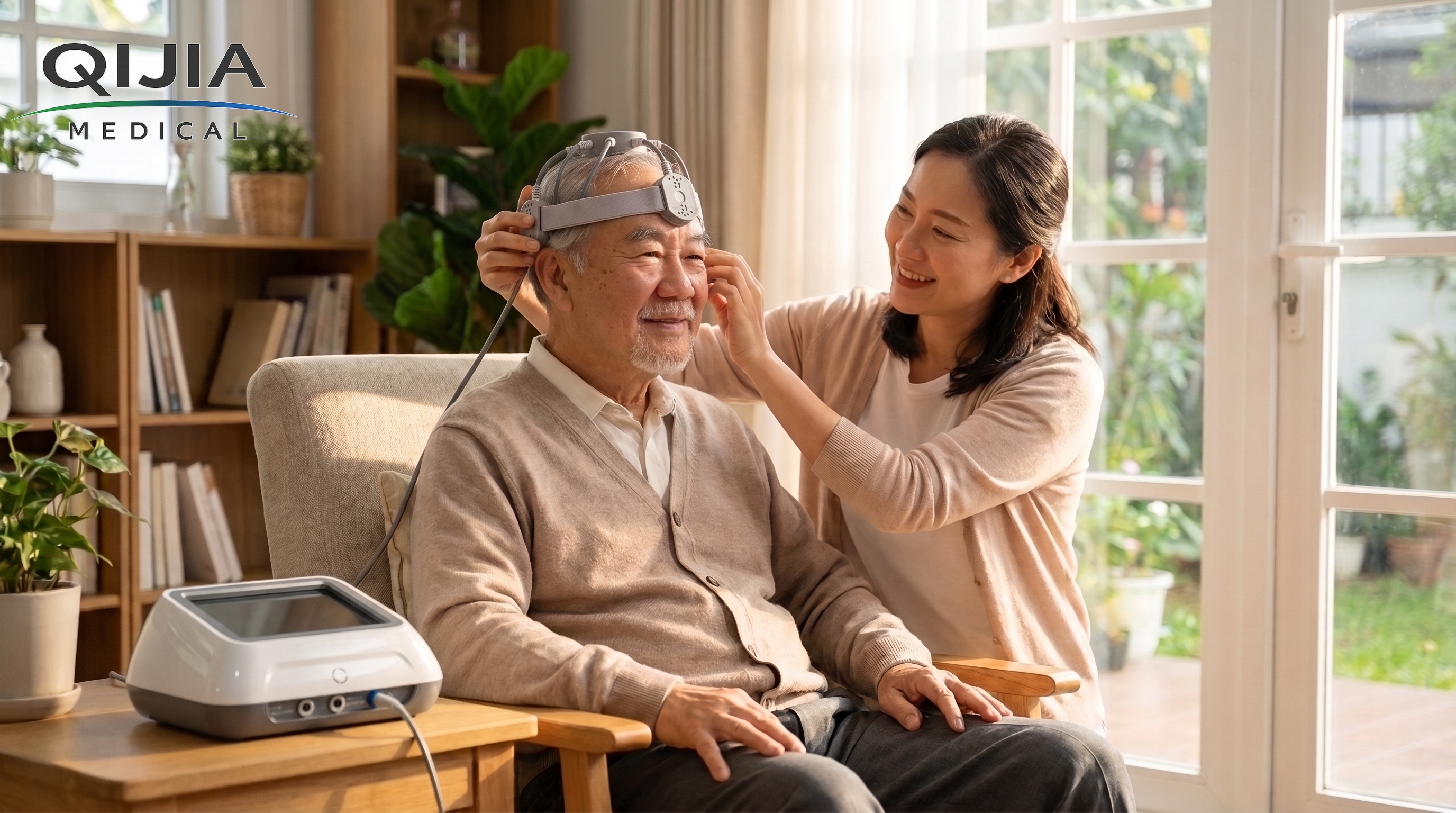
The Hidden Risks of Stroke: Why Post-Stroke Recovery Requires Attention
A stroke does not only affect the moment of the attack. The recovery period can also bring significant challenges. Many patients experience persistent neurological problems because damaged brain areas may lose their ability to effectively communicate with muscles and other functional regions.
Common post-stroke complications include:
Weakness or paralysis affecting one side of the body (hemiparesis)
Difficulty controlling hand and arm movements
Speech and language difficulties (aphasia)
Swallowing difficulties
Reduced balance and coordination
Changes in concentration, mood, or daily independence
Early and continuous rehabilitation plays an important role in helping stroke survivors regain function. However, traditional rehabilitation training may sometimes be limited by reduced muscle strength, fatigue, or impaired communication between the brain and body.
How Does TMS Work After Stroke?
Transcranial Magnetic Stimulation uses electromagnetic pulses to stimulate specific areas of the brain without surgery. By delivering controlled magnetic stimulation to targeted brain regions, TMS can influence cortical excitability and support the brain's natural adaptation process.
Research has explored how repetitive TMS (rTMS) can regulate activity in the motor cortex after stroke. Studies suggest that different stimulation protocols may help balance activity between affected and unaffected brain areas, which is closely related to motor recovery.
For stroke rehabilitation, TMS is mainly studied in areas such as:
Motor function recovery
Upper limb and hand movement improvement support
Brain network regulation
Speech and language rehabilitation assistance
Supporting neuroplasticity during rehabilitation training
Clinical research has investigated rTMS protocols including low-frequency and high-frequency stimulation to regulate cortical excitability after stroke. Some studies have reported improvements in motor-related outcomes when rTMS is combined with conventional rehabilitation approaches. However, individual results may vary depending on stroke type, injury location, recovery stage, and rehabilitation plan.
(Source: Research reviews have analyzed the effects of rTMS on cortical excitability and motor recovery after stroke, including systematic reviews covering multiple stimulation protocols and clinical studies.)
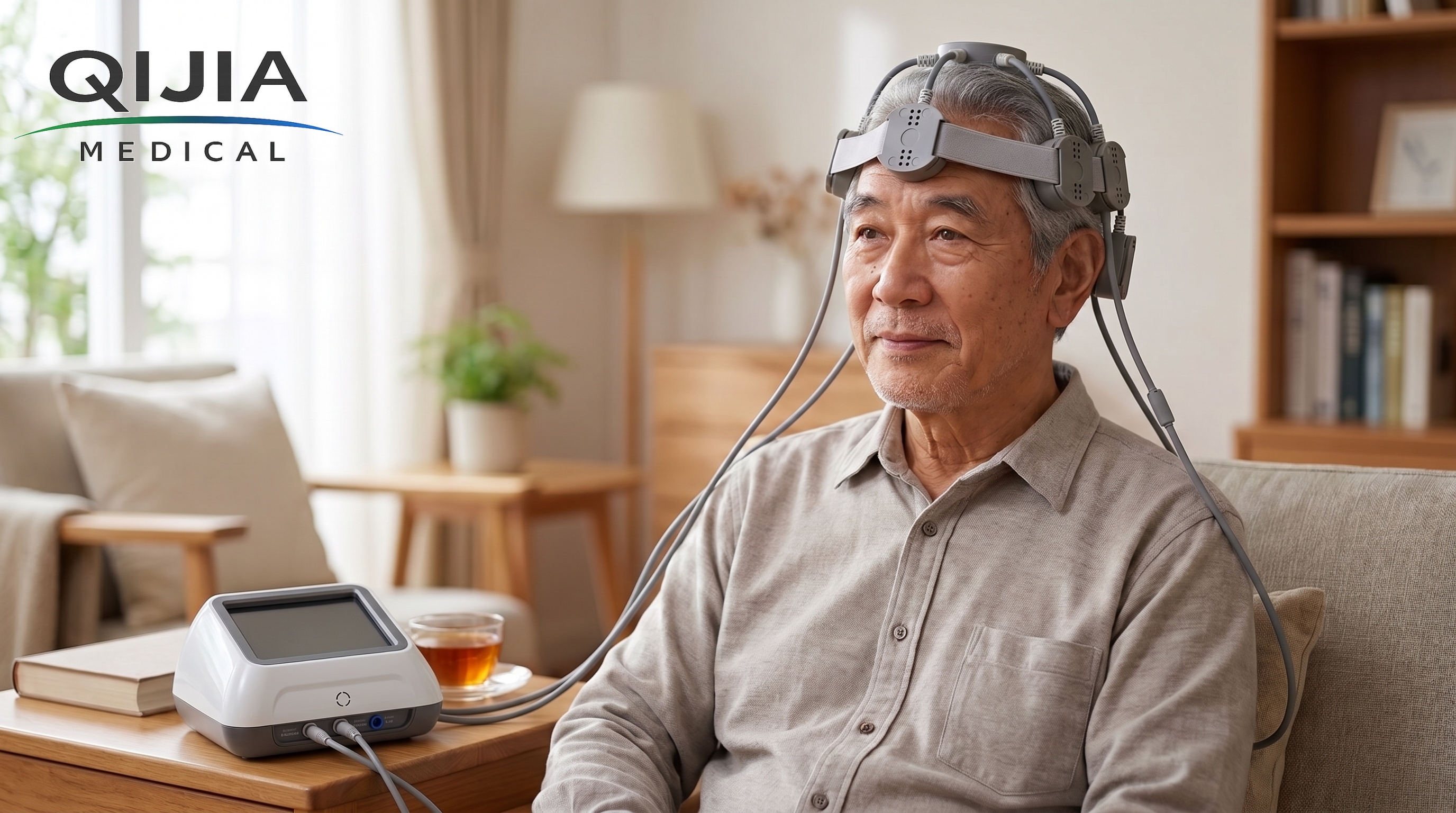
TMS Support for Common Post-Stroke Problems
1. Supporting Motor Recovery After Stroke
One of the most common stroke consequences is movement impairment. Damage to the motor cortex or related neural pathways may make it difficult for patients to control their arms, hands, or legs.
TMS may help regulate motor cortex activity and support communication between the brain and affected body parts. When combined with physical rehabilitation exercises, TMS technology is being explored as a way to enhance the rehabilitation process.
2. Helping Improve Hand and Upper Limb Function
Many stroke survivors struggle with daily activities such as holding objects, writing, eating, or dressing because of reduced hand control.
Because hand movement is strongly connected with motor cortex activity, TMS has become an area of interest for supporting upper limb rehabilitation. By stimulating targeted brain regions, TMS may assist the brain in rebuilding functional connections during recovery training.
3. Supporting Speech and Communication Recovery
Stroke-related damage can affect language areas of the brain, resulting in speech difficulties or aphasia.
Research has explored the potential role of non-invasive brain stimulation technologies in language rehabilitation by influencing activity in specific brain networks. TMS may serve as a supportive technology alongside professional rehabilitation programs.
4. Supporting Brain Plasticity During Rehabilitation
Neuroplasticity is the brain's ability to reorganize connections after injury. Rehabilitation relies heavily on this natural recovery mechanism.
TMS provides a non-invasive method for influencing cortical activity, creating opportunities for researchers and healthcare professionals to explore new rehabilitation strategies for stroke survivors.
QIJIA Medical TMS Device: Supporting Modern Brain Stimulation Solutions
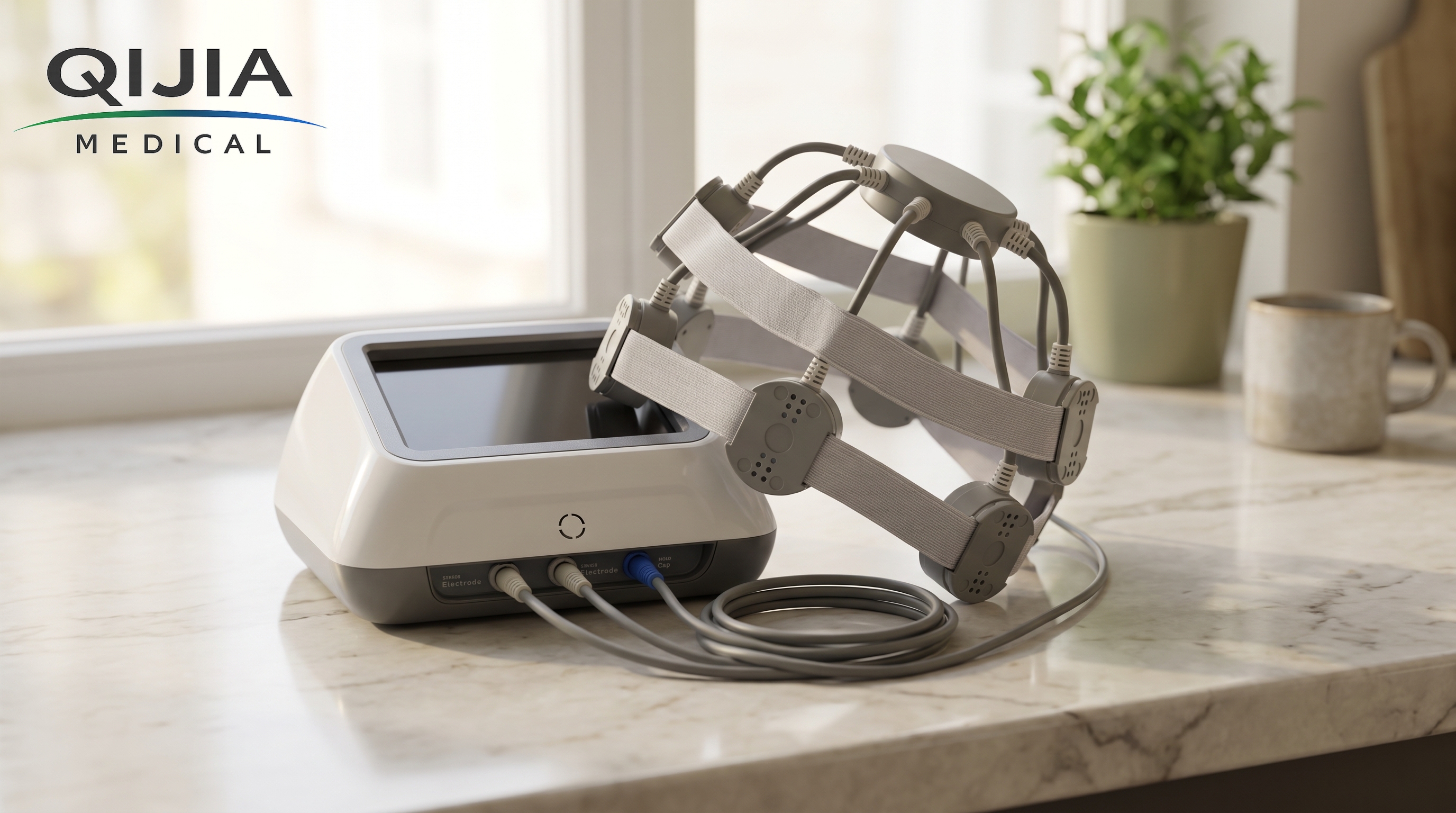
QIJIA Medical develops advanced medical technology solutions including Transcranial Magnetic Stimulation (TMS) equipment designed for professional applications and modern neurological care environments.
Our TMS device features controlled stimulation parameters, user-friendly operation, and a modern system design to support different application scenarios. Healthcare organizations, distributors, and technology partners can explore customized solutions through QIJIA Medical.
Learn more about our QIJIA Medical TMS Deviceand discover our medical device manufacturing capabilities including OEM and ODM services:
QIJIA Medical OEM/ODM Solutions
Why Choose QIJIA Medical as Your TMS Technology Partner?
Professional medical device R&D and manufacturing experience
OEM and ODM customization support
Focus on innovative rehabilitation and neurological solutions
Global cooperation opportunities for distributors and healthcare partners
If you are looking for TMS equipment solutions or cooperation opportunities, contact QIJIA Medical:
Frequently Asked Questions About TMS and Stroke Recovery
1. Can TMS completely cure stroke damage?
No. TMS is not a replacement for emergency stroke treatment or conventional rehabilitation. It is considered a supportive technology that may help regulate brain activity and assist rehabilitation processes under professional guidance.
2. How does TMS help stroke patients?
TMS may support stroke rehabilitation by influencing cortical excitability and helping researchers and clinicians explore ways to improve motor recovery, brain function regulation, and rehabilitation outcomes.
3. Is TMS safe for stroke rehabilitation?
TMS is a non-invasive brain stimulation technology that has been widely studied. Safety depends on proper patient evaluation, correct stimulation parameters, and professional operation.
4. How soon after a stroke can TMS be considered?
The appropriate timing depends on the patient's condition, stroke type, recovery stage, and rehabilitation plan. A qualified healthcare professional should determine whether TMS is suitable.
5. Can TMS replace physical therapy after stroke?
TMS is generally considered a complementary technology. Combining brain stimulation with rehabilitation exercises may provide additional support for certain recovery goals.
Conclusion
Stroke recovery is a long-term journey that requires attention to both physical rehabilitation and brain function recovery. With advances in neuroscience, technologies such as Transcranial Magnetic Stimulation provide new possibilities for supporting neuroplasticity and rehabilitation research.
As a professional medical equipment manufacturer, QIJIA Medical continues to develop innovative TMS solutions to support global partners in delivering modern neurological technology.