







When Cough Becomes Weak: How Airway Clearance Systems Support Patients at Risk of Respiratory Complications
Breathing is an automatic process, but clearing mucus from the lungs is not always automatic. For many patients with chronic respiratory diseases, neurological disorders, or reduced mobility, the ability to cough effectively may gradually decline. When mucus remains trapped inside the airway, it can increase the risk of breathing difficulties, repeated respiratory infections, and reduced quality of life.
An Airway Clearance System provides a non-invasive approach to supporting secretion management by helping mobilize mucus that the body may struggle to remove naturally.
The Hidden Respiratory Risk Behind Weak Cough Ability
Coughing is one of the body's most important defense mechanisms. A strong cough helps remove mucus, foreign particles, and airway secretions. However, many patients experience reduced cough effectiveness because of muscle weakness, neurological changes, aging, or long-term illness.
When respiratory muscles become weaker, mucus may accumulate in smaller airways. Over time, retained secretions can create an environment where bacteria grow more easily, increasing the possibility of respiratory complications.
Patients who may experience difficulty clearing airway secretions include:
People with Parkinson's disease and reduced respiratory muscle coordination
Patients with ALS and other neuromuscular disorders
Individuals with spinal cord injury or limited mobility
Stroke survivors with reduced muscle control
Elderly or bedridden patients with weakened cough ability
People living with COPD and excessive mucus production
Patients with bronchiectasis and chronic airway secretions
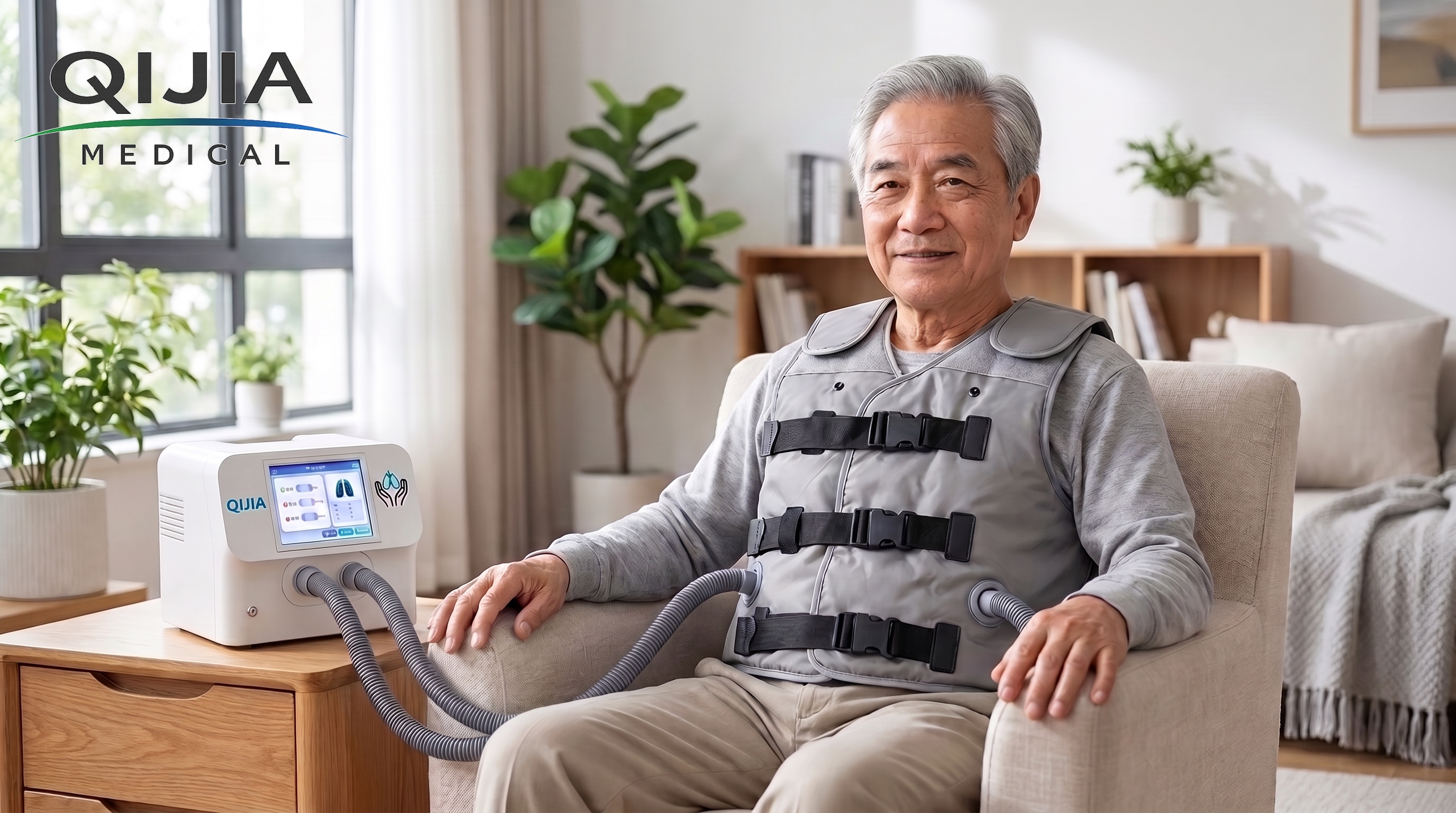
Parkinson’s Disease and Respiratory Secretion Management
Parkinson’s disease is commonly recognized for its effects on movement, but respiratory function can also be affected. Changes in muscle coordination, posture, and swallowing ability may influence a patient's ability to maintain effective airway clearance.
For some individuals, reduced mobility and weaker cough strength may make it more difficult to remove accumulated mucus. This highlights the importance of respiratory care strategies that support secretion mobilization and airway hygiene.
An airway clearance system can provide external chest wall oscillation support, helping loosen mucus and assisting patients or caregivers in daily respiratory management routines.
Respiratory Challenges in Patients with Neuromuscular Weakness
Neuromuscular diseases such as ALS, muscular dystrophy, and other conditions affecting muscle strength can influence breathing mechanics. When respiratory muscles become weak, patients may experience difficulty generating an effective cough.
Unlike healthy individuals who can naturally cough and clear secretions, some patients require additional support to help move mucus from deeper areas of the lungs.
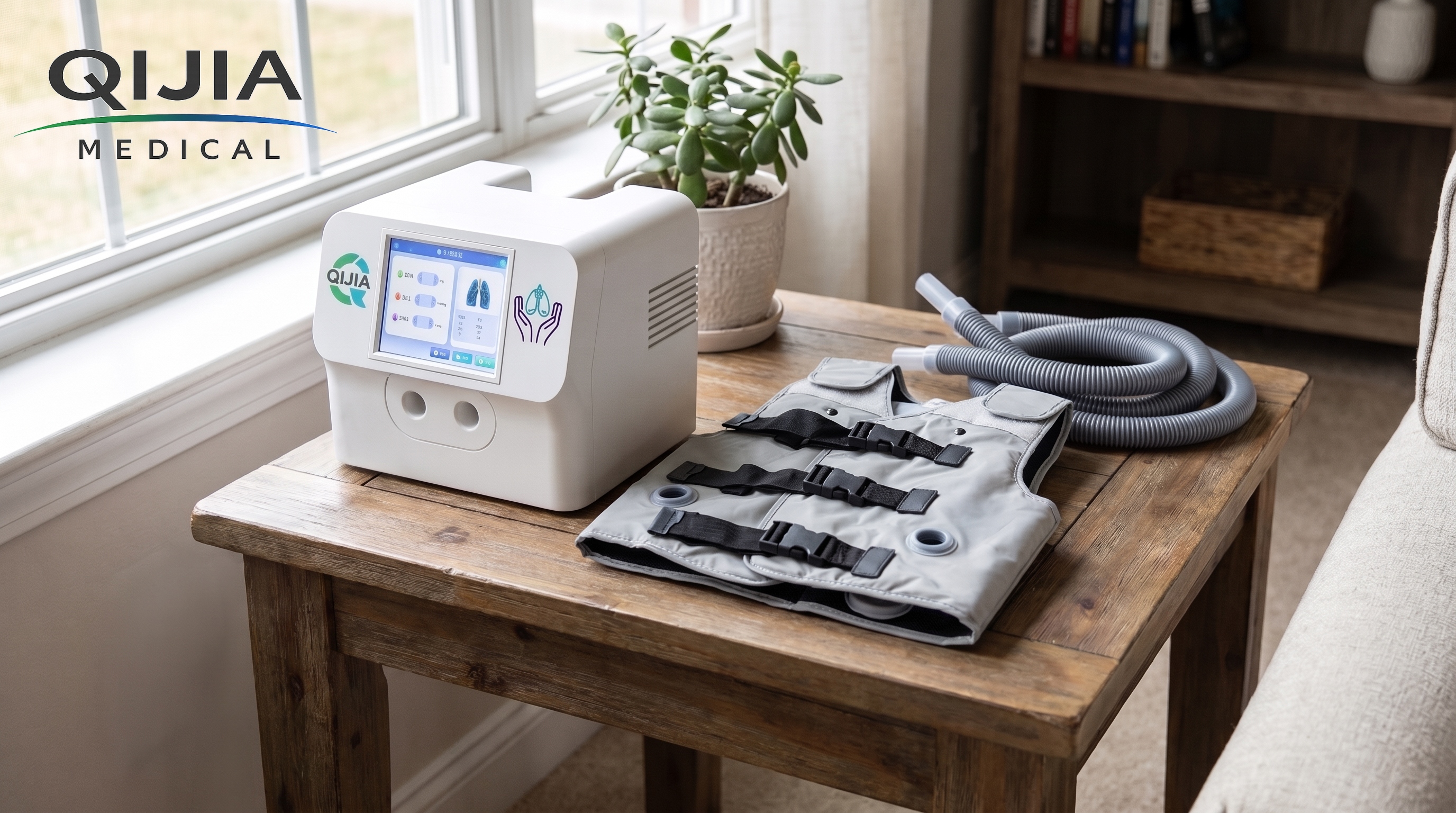
High Frequency Chest Wall Oscillation (HFCWO) technology uses controlled air pulses to inflate and deflate a specialized vest, creating rapid chest wall compression and relaxation. This vibration effect helps mobilize airway secretions toward larger airways where they can be removed through coughing, suction, or other airway clearance methods.
Learn more about QIJIA Medical's High Frequency Chest Wall Oscillation Airway Clearance System:
Airway Clearance System Product Information
COPD: When Excessive Mucus Becomes a Daily Challenge
Chronic Obstructive Pulmonary Disease (COPD) is often associated with persistent coughing, mucus production, and breathing difficulties. During COPD exacerbations, increased airway secretions may further affect respiratory comfort and daily activities.
For selected patients with secretion retention problems, airway clearance techniques may become an important part of respiratory care. Studies investigating HFCWO technology have explored its role in helping COPD patients improve sputum expectoration, although individual treatment decisions should always be based on professional medical evaluation.
Long-Term Bed Rest and Reduced Mobility: An Overlooked Respiratory Concern
Patients who remain in bed for extended periods due to aging, surgery recovery, neurological conditions, or physical disabilities may face increased respiratory challenges.
Limited movement can reduce natural lung expansion and make mucus clearance more difficult. For caregivers, manually assisting airway clearance every day can also become physically demanding.
A modern airway clearance system offers a convenient option by providing consistent mechanical support, helping caregivers manage respiratory hygiene more efficiently.
How QIJIA Airway Clearance System Supports Respiratory Care
QIJIA Medical's Airway Clearance System is designed based on High Frequency Chest Wall Oscillation (HFCWO) technology. The system delivers controlled pneumatic pulses through a wearable vest, creating gentle but rapid chest wall oscillations.
Non-invasive airway clearance support
Helps mobilize thick and retained mucus
Reduces dependence on manual chest percussion methods
Suitable for various respiratory care scenarios
Designed for hospitals, healthcare organizations, and home respiratory care applications
The goal of airway clearance support is not to replace medical treatment, but to provide an additional tool for patients who need assistance managing respiratory secretions.
Why Choose QIJIA Medical as Your Airway Clearance System Partner?
QIJIA Medical focuses on respiratory care and rehabilitation technology development, providing medical equipment solutions for global healthcare partners.
With professional R&D capabilities, manufacturing experience, and OEM/ODM cooperation options, QIJIA Medical supports distributors, healthcare organizations, and medical equipment partners worldwide.
Learn more about our company capabilities:
QIJIA Medical About Us - OEM/ODM Medical Equipment Manufacturer
For product inquiries, cooperation opportunities, or distributor partnerships:
Conclusion: Supporting Better Airway Management Through Technology
For patients with reduced mobility, weakened cough ability, neurological conditions, or chronic respiratory diseases, airway clearance is an important part of maintaining respiratory health.
As healthcare continues to develop toward personalized and home-based care, airway clearance technology provides patients, families, and healthcare providers with more options for managing secretion-related respiratory challenges.
Frequently Asked Questions (FAQ)
1. What is an Airway Clearance System?
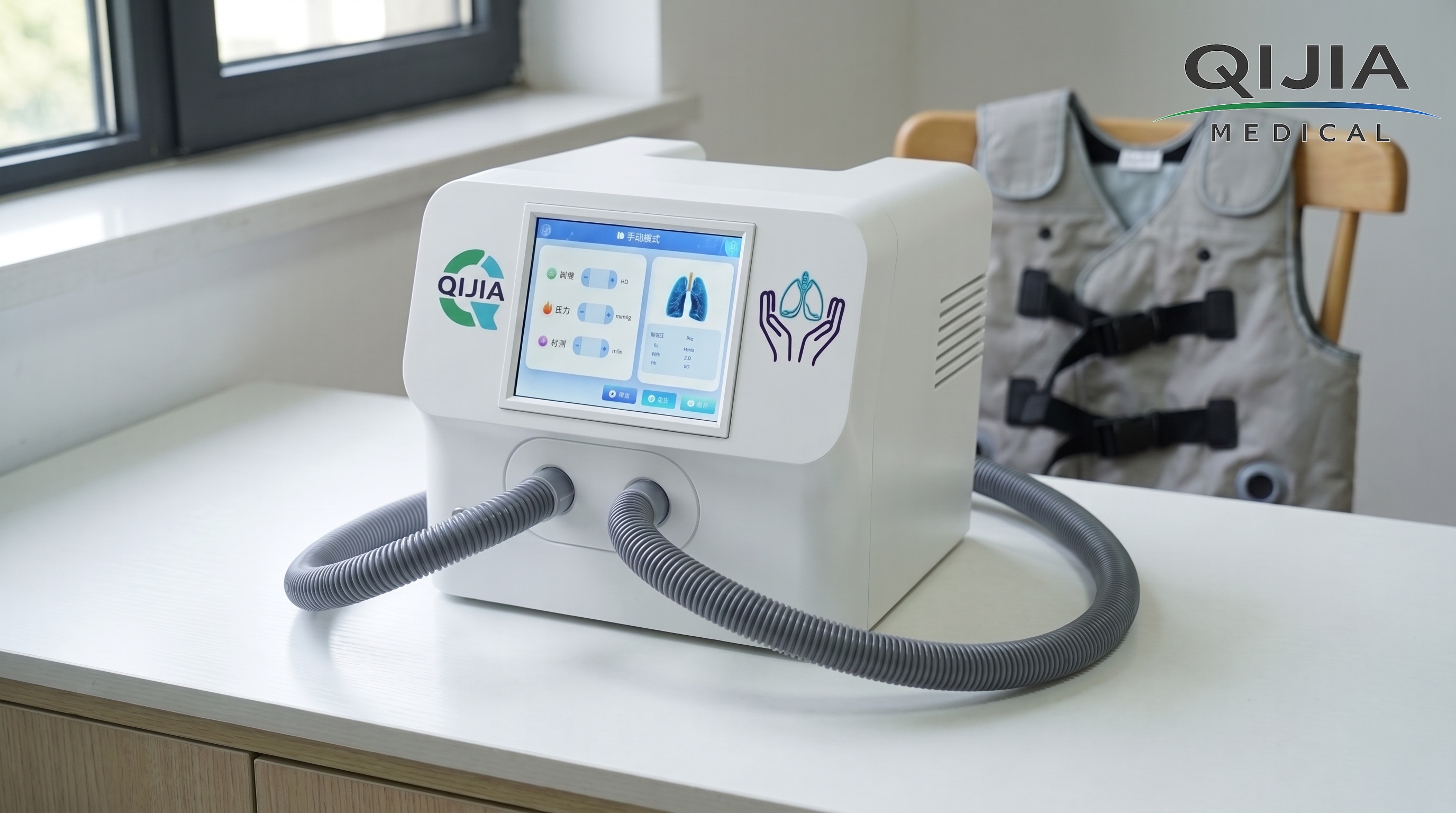
An Airway Clearance System is a respiratory care device designed to help loosen and mobilize mucus from the lungs. Many systems use High Frequency Chest Wall Oscillation (HFCWO) technology to create chest wall vibrations through an inflatable vest.
2. Who may benefit from an airway clearance device?
Patients with conditions involving mucus retention or reduced cough ability may require airway clearance support. Examples include COPD, bronchiectasis, neuromuscular diseases, Parkinson's disease, spinal cord injury, and long-term mobility limitations.
3. Does an airway clearance system treat COPD or Parkinson's disease?
No. An airway clearance system does not cure underlying diseases. It is designed to support mucus clearance and respiratory management as part of a broader care plan recommended by healthcare professionals.
4. How does HFCWO technology work?
HFCWO uses rapid air pulses to inflate and deflate a vest worn around the chest. The resulting oscillations create external chest compression that helps loosen airway secretions and move mucus toward larger airways.
5. Can QIJIA provide OEM or ODM cooperation?
Yes. QIJIA Medical provides OEM/ODM cooperation options for qualified global partners, distributors, and medical equipment organizations.