







Primary Ciliary Dyskinesia (PCD): Why Airway Clearance Matters for Long-Term Respiratory Health
Primary Ciliary Dyskinesia (PCD) is a rare inherited disorder that affects the structure or function of motile cilia. These microscopic hair-like structures normally work together with airway mucus to move inhaled particles, microorganisms, and respiratory secretions out of the lungs.
When this natural mucociliary clearance system does not function properly, mucus can remain in the airways for longer periods. Over time, retained secretions can create an environment that favors recurrent respiratory infections and progressive airway damage. For people living with PCD, maintaining effective airway clearance is therefore an important part of long-term respiratory care.
This article explains the connection between PCD, mucus retention, recurrent respiratory problems, and airway clearance, while introducing how an Airway Clearance System based on High-Frequency Chest Wall Oscillation (HFCWO) may support secretion mobilization.
What Is Primary Ciliary Dyskinesia?
PCD is a genetic disorder involving motile cilia. In the respiratory tract, healthy cilia beat in a coordinated manner and help transport mucus toward the upper airway, where it can be removed through coughing, swallowing, or other natural mechanisms.
In people with PCD, abnormal ciliary structure or function can significantly impair this process. Instead of being efficiently transported out of the respiratory tract, mucus and microorganisms may remain inside the airways.
Common respiratory features associated with PCD include a persistent wet cough, excessive respiratory secretions, recurrent lung infections, chronic nasal congestion, and chronic sinus disease. Symptoms can begin very early in life, and some individuals may experience respiratory problems from infancy.
Because PCD is relatively uncommon and its symptoms can resemble other respiratory conditions, diagnosis may be delayed or missed. The PCD Foundation notes that persistent wet cough and year-round nasal congestion beginning in early life are among the clinical features that may raise suspicion of PCD.

Why Does PCD Cause Mucus to Build Up?
The respiratory tract has a sophisticated self-cleaning mechanism known as mucociliary clearance. Mucus traps dust, microorganisms, and other particles, while the coordinated movement of cilia helps transport these secretions toward the throat.
PCD interferes with this mechanism.
When cilia cannot move mucus effectively, secretions may become difficult to mobilize and remove. A persistent cycle can then develop:
Abnormal ciliary function reduces natural mucus transport.
Mucus remains in the airways for longer periods.
Retained secretions can provide an environment where microorganisms persist.
Recurrent respiratory infections may occur.
Repeated inflammation and infection can contribute to structural airway damage.
Damaged or widened airways can make mucus clearance even more difficult.
This creates an important clinical challenge: the problem is not simply producing mucus, but losing part of the body's normal ability to move that mucus out of the respiratory system.
When Retained Mucus Becomes a Long-Term Risk
Airway mucus is not inherently harmful. It is an essential component of the respiratory defense system. The problem occurs when secretions cannot be effectively cleared.
In PCD, chronic mucus retention can be associated with recurrent respiratory infections and progressive lung disease. The PCD Foundation reports that chronic infection and progressive bronchiectasis can lead to severe lung disease in some individuals with PCD.
Bronchiectasis is particularly important in this context. Chronic infection and inflammation can damage the walls of the bronchi, causing them to become permanently widened or structurally altered. These abnormal airways can then become areas where mucus accumulates more easily.
This can create another cycle:
Impaired mucociliary clearance → mucus retention → recurrent infection and inflammation → airway damage → more difficult mucus clearance.
Breaking or reducing this cycle is one reason airway clearance receives significant attention in the long-term management of PCD.
PCD and Bronchiectasis: A Connection Worth Understanding
Bronchiectasis is not present in every person with PCD at the same stage or with the same severity, but it is an important potential complication of chronic respiratory disease.
Once the airway structure has been damaged, normal mucus transport can become even less effective. Dilated sections of the bronchial tree may act as reservoirs for respiratory secretions, making it more difficult for patients to clear mucus through normal coughing alone.
This is particularly important because respiratory deterioration may develop gradually. A person may initially experience what appears to be a persistent cough or repeated chest infection, while the underlying airway damage progresses over time.
For this reason, respiratory monitoring, infection management, and an appropriate airway clearance routine are important considerations for people with PCD.
What Is Airway Clearance Therapy?
Airway clearance therapy refers to techniques designed to help mobilize and remove mucus from the respiratory tract.
Different patients may use different airway clearance approaches depending on age, symptoms, lung condition, physical ability, and clinical recommendations. Techniques can include breathing exercises, coughing and huffing techniques, chest physiotherapy, oscillatory devices, and other methods.
The goal is straightforward: help move retained respiratory secretions so that they can be expelled more effectively.
The PCD Foundation identifies daily airway clearance techniques as an important component of PCD disease management. It also notes that vest therapy is one of the airway clearance approaches used in PCD and cystic fibrosis.
How HFCWO Supports Airway Clearance
High-Frequency Chest Wall Oscillation (HFCWO) is one technology used to support airway clearance.
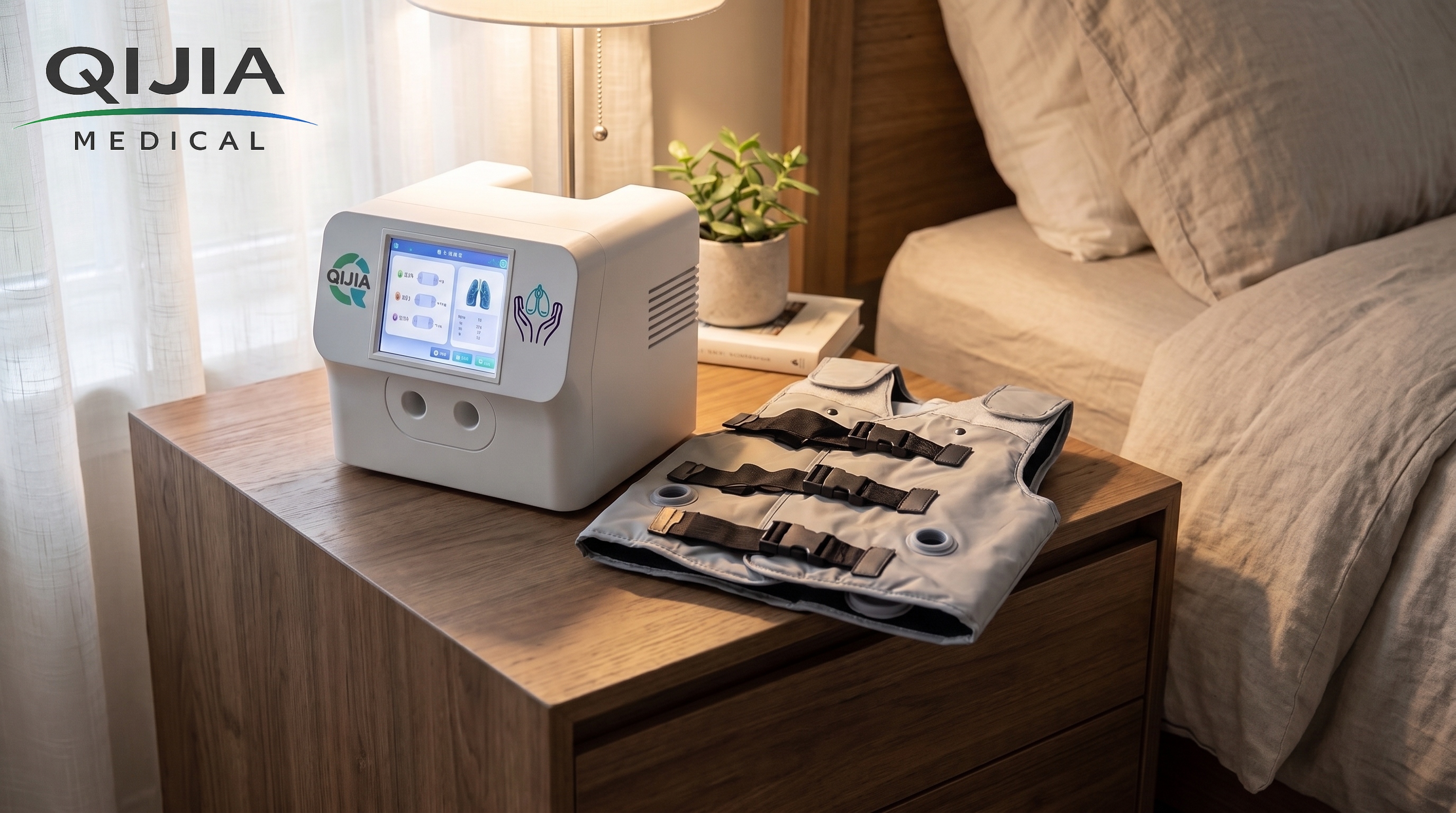
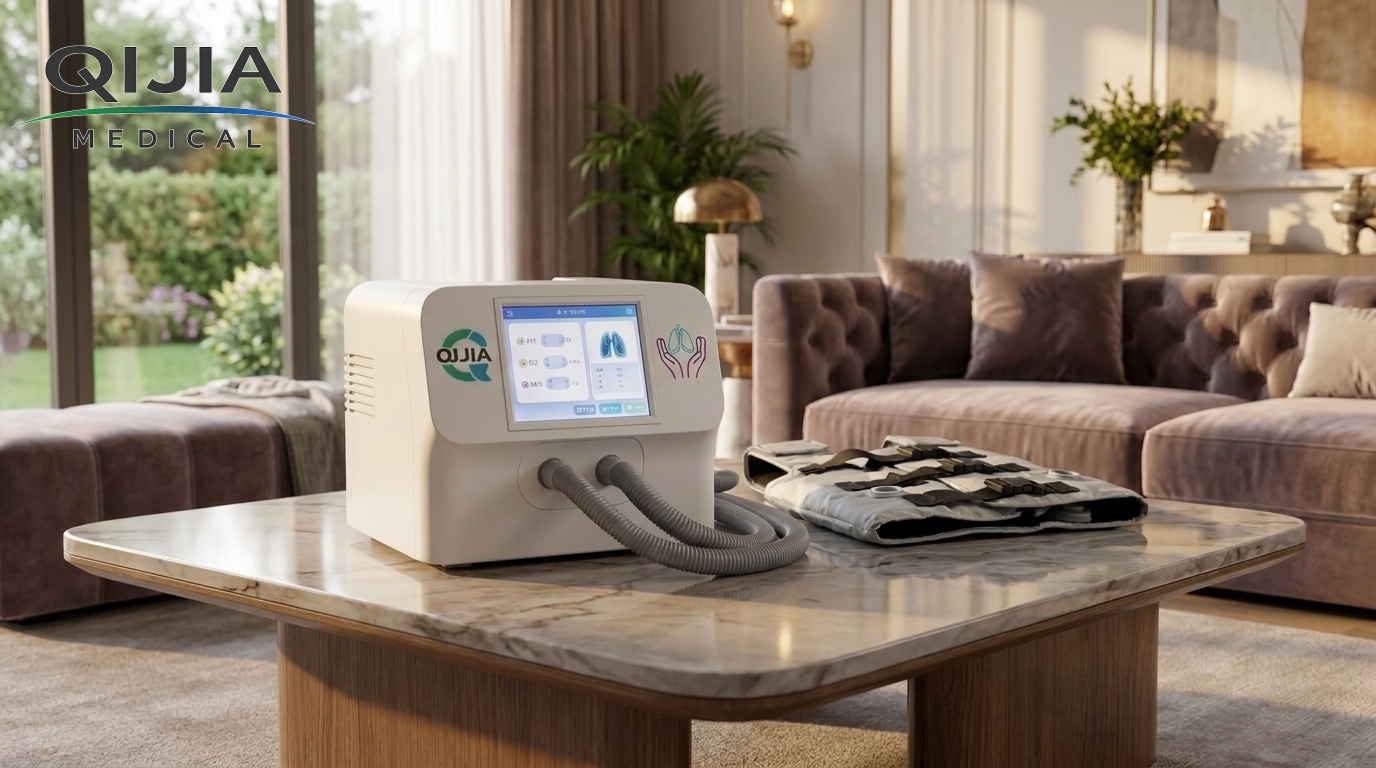
An HFCWO Airway Clearance System uses an inflatable vest connected to a pneumatic control unit. During operation, the system rapidly inflates and deflates the vest, creating controlled oscillations against the chest wall.
These repeated chest wall oscillations can help mobilize respiratory secretions and move loosened mucus toward the larger airways, where it may be easier to remove through coughing or other airway clearance techniques.
In simple terms, the process can be understood as:
Rapid inflation and deflation: The pneumatic system creates repeated pressure changes inside the vest.
High-frequency chest oscillation: The resulting mechanical movement is transferred through the chest wall.
Mucus mobilization: The oscillatory action helps loosen and mobilize retained secretions.
Airway clearance: Mobilized mucus can then be removed through coughing or other appropriate clearance techniques.
For patients whose natural mucociliary clearance is impaired, mechanically supported airway clearance can be an important part of a broader respiratory care strategy when recommended by a healthcare professional.
Learn more about QIJIA Medical's Pneumatic High-Frequency Oscillation Sputum Removal System and its HFCWO-based airway clearance approach.
Why Consistent Airway Clearance Can Matter in PCD
PCD is a lifelong genetic condition, which means the underlying ciliary dysfunction does not simply disappear. As a result, airway clearance is generally considered a long-term management issue rather than a short-term intervention.
Consistent respiratory care may help patients and healthcare professionals focus on one of the fundamental problems associated with PCD: the accumulation of airway secretions.
However, airway clearance should not be viewed as a replacement for medical evaluation or infection management. PCD management may also involve respiratory monitoring, microbiological assessment, treatment of infections, management of sinus disease, and other individualized interventions.
The appropriate technique, treatment frequency, duration, and intensity should be determined according to the individual's condition and the recommendations of qualified healthcare professionals.
Who May Need Particular Attention to Airway Clearance?
Airway clearance may become especially relevant when a person with PCD has factors such as:
Persistent wet or productive cough
Frequent or recurrent respiratory infections
Significant mucus or sputum production
Known bronchiectasis
Difficulty clearing secretions independently
Reduced physical activity or respiratory muscle performance
Periods of increased respiratory symptoms
These factors do not mean that every patient requires the same airway clearance method. Instead, they highlight why an individualized respiratory management plan is important.
Beyond PCD: The Broader Role of Airway Clearance
The challenges seen in PCD illustrate a broader principle of respiratory care: when mucus becomes difficult to clear, retained secretions can contribute to respiratory complications.
Airway clearance strategies may therefore also be considered in other conditions associated with excessive or retained respiratory secretions, including bronchiectasis, cystic fibrosis, certain neuromuscular disorders, chronic respiratory conditions, and situations involving reduced ability to cough effectively.
Each condition has different mechanisms and clinical requirements. An airway clearance device should therefore be selected and used according to the patient's individual clinical situation rather than simply based on the diagnosis alone.
QIJIA Medical: Airway Clearance Solutions for Professional Applications
QIJIA Medical focuses on the development and manufacturing of medical equipment designed to support respiratory care and rehabilitation applications.
Our Airway Clearance System uses pneumatic HFCWO technology to provide controlled chest wall oscillation for mucus mobilization and airway clearance support.
For medical distributors, healthcare organizations, and professional partners looking for customized medical device solutions, QIJIA Medical also provides OEM and ODM cooperation.
Product configuration, specifications, branding, and cooperation requirements can be discussed according to the intended market and application.
If you are interested in our Airway Clearance System, product specifications, distributor cooperation, or OEM/ODM opportunities, please contact QIJIA Medical for more information.
Frequently Asked Questions About PCD and Airway Clearance
1. What is Primary Ciliary Dyskinesia (PCD)?
Primary Ciliary Dyskinesia is a rare inherited disorder that affects the structure or function of motile cilia. In the respiratory tract, impaired ciliary function can reduce the body's ability to transport mucus and microorganisms out of the airways.
2. Why is mucus clearance important in PCD?
Because mucociliary clearance is impaired in PCD, mucus can remain in the airways and become difficult to remove. Retained secretions are associated with recurrent respiratory infections and can contribute to progressive airway damage in some patients.
3. Can an Airway Clearance System treat or cure PCD?
No. PCD is a genetic disorder and there is currently no cure that restores normal ciliary function. An HFCWO Airway Clearance System is designed to support mucus mobilization and airway clearance; it should be considered as part of an overall respiratory management strategy rather than a treatment that cures PCD.
4. How does HFCWO work?
HFCWO uses rapid, controlled inflation and deflation of an inflatable vest to generate high-frequency oscillations against the chest wall. These oscillations can help mobilize retained respiratory secretions and support their removal through coughing or other airway clearance techniques.
5. Is HFCWO suitable for every person with PCD?
Not necessarily. The appropriate airway clearance method depends on the individual's age, respiratory condition, secretion burden, physical ability, and other clinical factors. Patients should consult a qualified healthcare professional to determine whether HFCWO is appropriate for them.
6. Is PCD the same as bronchiectasis?
No. PCD is a genetic disorder involving abnormal motile cilia function, while bronchiectasis refers to permanent structural widening and damage of the airways. However, chronic respiratory infection and impaired mucus clearance associated with PCD can contribute to the development of bronchiectasis.
7. Can airway clearance replace antibiotics or other medical treatment?
No. Airway clearance and infection management serve different purposes. When respiratory infections occur, appropriate medical assessment and treatment are important. Airway clearance should be used as part of an individualized care plan rather than as a replacement for prescribed medical treatment.
8. What should healthcare professionals consider when selecting an airway clearance device?
Important considerations may include the patient's respiratory condition, secretion characteristics, ability to cooperate with treatment, treatment environment, device specifications, comfort, usability, and the recommendations of the treating healthcare team.
Conclusion
Primary Ciliary Dyskinesia demonstrates how important the body's natural mucus clearance system is to respiratory health. When cilia cannot effectively transport airway secretions, mucus retention, recurrent infections, and progressive airway damage can become significant long-term concerns.
For this reason, airway clearance is an important part of comprehensive PCD management. HFCWO technology offers a mechanical approach to help mobilize retained respiratory secretions and can be considered alongside other airway clearance techniques when clinically appropriate.
For professional medical device sourcing, distribution, or OEM/ODM cooperation, explore the QIJIA Medical Airway Clearance System, learn more about QIJIA Medical, or contact our team directly.