







How TMS Technology Supports Migraine, Chronic Pain, and Sleep Disorder Management
Neurological health challenges are becoming increasingly common worldwide. Conditions such as migraine, chronic pain, and sleep disorders can significantly affect daily activities, emotional wellbeing, productivity, and overall quality of life.
While traditional treatment methods remain important, many patients and healthcare providers are exploring advanced non-invasive technologies that focus on regulating brain activity and supporting neurological balance. Transcranial Magnetic Stimulation (TMS) is one of the emerging technologies attracting attention in neurological care.

Migraine: More Than Just a Headache
Migraine is a complex neurological condition that involves more than simple head pain. Many people experience recurring episodes accompanied by sensitivity to light, sound, nausea, dizziness, and difficulty concentrating.
For individuals living with frequent migraine attacks, the condition may interrupt work, family activities, and social life. Chronic migraine can also create additional challenges, including anxiety, fatigue, and reduced quality of life.
Research has explored the role of TMS technology in migraine management by using controlled magnetic pulses to influence specific areas of brain activity. The goal is to support healthier neural regulation and help manage abnormal patterns associated with migraine symptoms.
As a non-invasive neurological stimulation technology, TMS provides an alternative approach that does not require surgical procedures or implanted devices.
Chronic Pain: When Pain Becomes a Long-Term Challenge
Chronic pain is different from temporary pain caused by injuries. When pain continues for months or even years, it can affect movement, sleep quality, emotional health, and daily independence.
Conditions associated with chronic pain may include neuropathic pain, persistent musculoskeletal pain, and pain caused by nervous system dysfunction. Long-term pain signals can create changes in the way the brain processes and responds to discomfort.
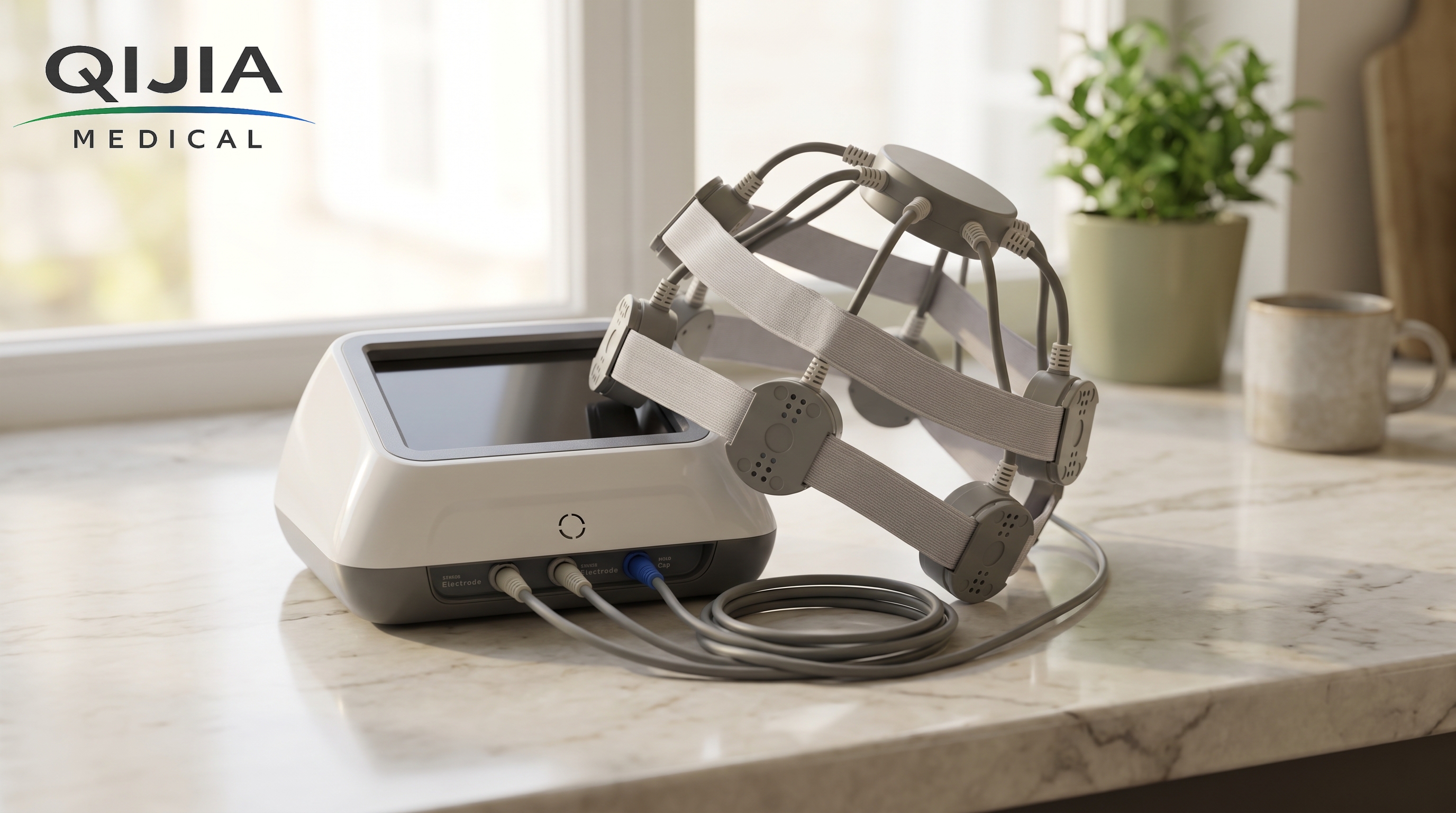
Modern neurological research has focused on brain-based approaches for pain management. TMS technology works by delivering magnetic stimulation through a specialized coil placed on the head, helping researchers and healthcare professionals explore new ways of regulating neural activity related to pain perception.
Although individual responses may vary, TMS continues to be studied as a potential supportive technology for people experiencing chronic pain challenges.
Sleep Disorders: The Hidden Impact of Poor Sleep
Sleep disorders are not only about difficulty falling asleep. Long-term sleep problems can influence concentration, mood, immune function, and overall health.
Common sleep-related challenges include difficulty maintaining sleep, irregular sleep patterns, and poor sleep quality. When sleep problems continue, they may also worsen stress levels and negatively affect neurological balance.
Because sleep is closely connected with brain activity and nervous system regulation, researchers have explored neuromodulation technologies such as TMS as a possible approach for supporting healthy brain function.
By targeting specific brain regions, TMS technology provides a new perspective for studying the relationship between neural activity, relaxation, and sleep regulation.
How TMS Technology Works
Transcranial Magnetic Stimulation (TMS) uses electromagnetic pulses to stimulate targeted areas of the brain. The magnetic field passes through the scalp and influences activity in the underlying cortical regions.
Unlike invasive procedures, TMS does not require surgery or implanted electrodes. Its non-invasive design makes it an important area of interest in modern neurological technology development.
Non-invasive magnetic stimulation technology
Targeted neurological stimulation
Designed for professional healthcare applications
Supports research and clinical exploration in neurological care
QIJIA MEDICAL TMS Solution: Supporting Modern Neurological Healthcare
QIJIA MEDICAL develops advanced medical equipment solutions designed to support healthcare professionals and organizations worldwide.
Our TMS system combines modern stimulation technology with user-friendly operation, providing an innovative solution for neurological applications including migraine research, pain management support, and sleep-related neurological studies.
With continuous innovation in medical technology, QIJIA MEDICAL focuses on providing reliable equipment solutions for hospitals, clinics, rehabilitation centers, distributors, and healthcare partners.
Learn more about our TMS product:QIJIA MEDICAL Transcranial Magnetic Stimulation (TMS) System
Professional Medical Equipment Manufacturing and OEM/ODM Services
As a medical equipment manufacturer, QIJIA MEDICAL provides OEM and ODM cooperation opportunities for global partners.
Our experience in medical device development, manufacturing, and customization allows us to support distributors and healthcare organizations looking for reliable neurological and rehabilitation solutions.
Learn more about our company and OEM/ODM capabilities:About QIJIA MEDICAL
Contact QIJIA MEDICAL for TMS Solutions
If you are interested in TMS technology, medical device cooperation, or distribution opportunities, our professional team is ready to provide product information and customized support.
Contact us:QIJIA MEDICAL Contact Center
Frequently Asked Questions (FAQ)
1. What is TMS technology?
TMS (Transcranial Magnetic Stimulation) is a non-invasive neurological stimulation technology that uses magnetic pulses to influence targeted brain regions.
2. Can TMS help with migraine management?
TMS has been studied as a potential technology for supporting migraine management by influencing brain activity related to neurological regulation. Healthcare professionals should determine suitable applications based on individual conditions.
3. Is TMS a treatment option for chronic pain?
TMS technology has been researched in different chronic pain conditions, especially those related to nervous system activity. Its effectiveness may vary depending on the individual and treatment protocols.
4. Can TMS improve sleep disorders?
Because sleep is closely connected with brain activity, TMS has been explored as a neurological technology that may support research and management approaches related to sleep problems.
5. Is TMS a non-invasive technology?
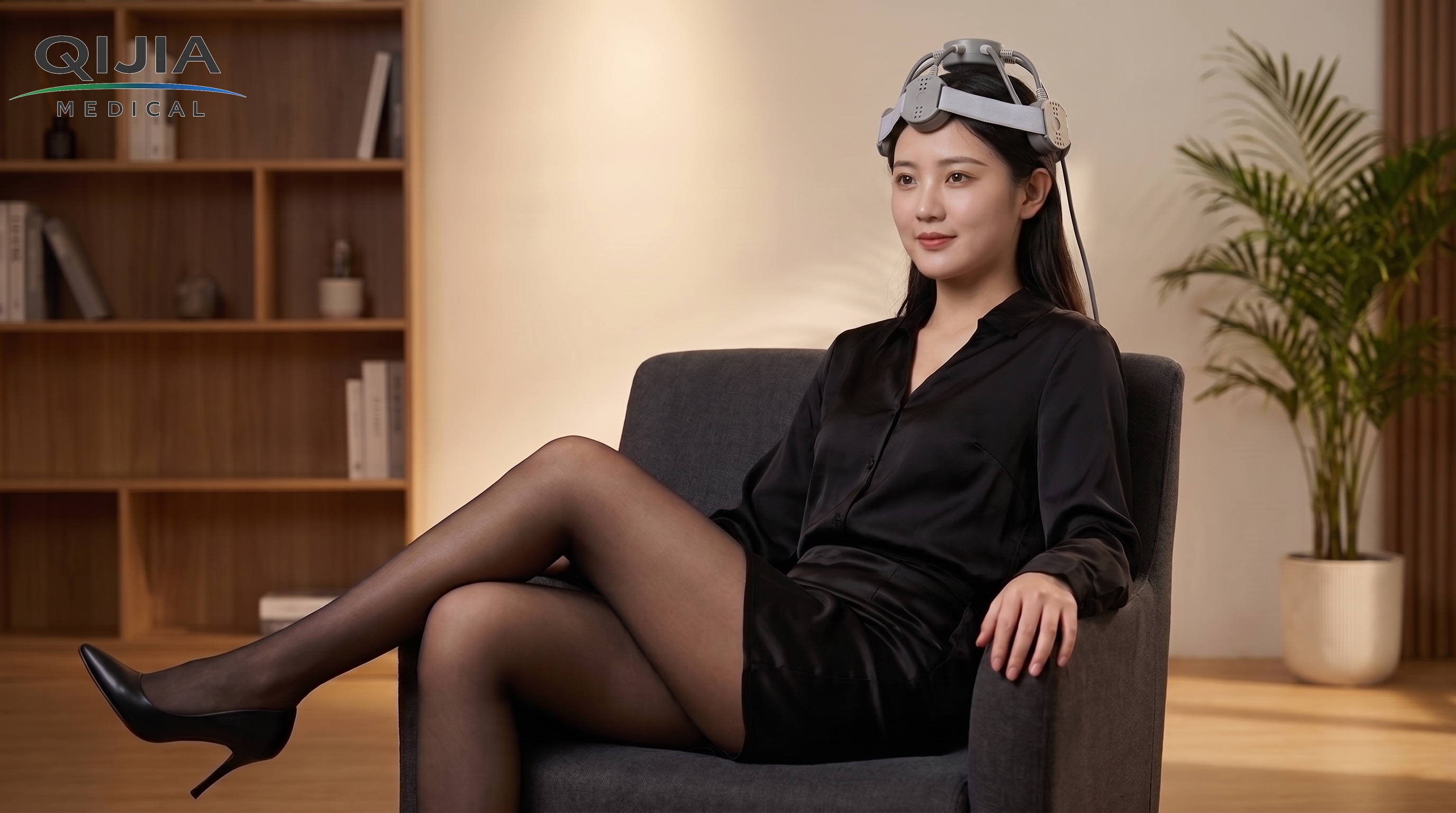
Yes. TMS does not require surgery or implanted devices. It uses magnetic stimulation delivered through a specialized stimulation coil.
6. Does QIJIA MEDICAL provide OEM/ODM services?
Yes. QIJIA MEDICAL provides OEM and ODM medical equipment solutions for global partners, distributors, and healthcare organizations.