







Prolonged Bed Rest and DVT Risk: Why Immobility Requires Greater Attention
When illness, surgery, injury, or age-related limitations keep a person in bed for extended periods, the consequences may go far beyond muscle weakness and reduced independence. One important but often overlooked concern is deep vein thrombosis (DVT), a condition in which a blood clot forms in a deep vein, most commonly in the lower extremities.
For patients with significantly reduced mobility, understanding how blood clots develop and how they can be prevented is an essential part of safe care. Alongside appropriate medical assessment, early mobilization when possible, and other clinician-directed measures, intermittent pneumatic compression (IPC) devices may play a role in reducing venous thromboembolism risk in selected patients.

1. Why Does Prolonged Bed Rest Increase the Risk of DVT?
The circulatory system relies partly on movement to return blood from the legs toward the heart. During walking, the calf muscles contract and help push venous blood upward through the veins. This mechanism is often described as the calf muscle pump.
When a person remains in bed for long periods, the calf muscles contract less frequently. Venous blood flow may slow, particularly in individuals who cannot move their legs normally. This condition, known as venous stasis, is one of the major factors associated with venous thromboembolism (VTE).
Blood clot formation is also influenced by other factors, including changes in the body's clotting tendency and damage to blood vessel walls. Consequently, immobility can become especially concerning when combined with recent surgery, serious illness, trauma, cancer, advanced age, or a previous history of VTE.
Not everyone who spends extended time in bed will develop a blood clot. However, prolonged immobility should prompt appropriate risk assessment, especially when several risk factors occur together.
2. Which Patients Are More Vulnerable to Blood Clots?
DVT prevention is particularly important when a patient's normal movement is restricted by an illness or medical condition. Healthcare professionals should consider both individual risk factors and the expected duration of reduced mobility.
Older Adults With Limited Mobility
Older adults may experience reduced muscle strength, impaired balance, chronic illness, or difficulty walking independently. Following an acute illness or hospitalization, some may remain in bed for much longer than usual. When reduced mobility occurs alongside other risk factors, the need for a structured prevention plan becomes more important.
Patients Recovering From Surgery
Major orthopedic procedures, including hip and knee replacement, may temporarily limit walking and normal leg movement. Surgery can also increase the body's tendency to form clots. Depending on the procedure and individual risk profile, clinicians may recommend early mobilization, anticoagulant medication, mechanical prophylaxis, or a combination of appropriate measures.
Patients in Intensive Care
Critically ill patients may be unable to move because of severe illness, sedation, mechanical ventilation, or other treatment requirements. Their risk assessment can be complex because immobility may coexist with inflammation, invasive procedures, bleeding risk, and multiple medical conditions.
VTE prevention in intensive care therefore requires an individualized approach, with reassessment as the patient's condition changes.
People With Neurological Conditions
Stroke, spinal cord injury, and other neurological conditions may reduce voluntary movement in one or both legs. Patients who cannot walk or regularly activate their calf muscles may experience reduced venous circulation. In selected immobile patients, intermittent pneumatic compression may be considered as part of a clinician-directed prevention strategy.
Patients With Long-Term Illness or Extended Bed Rest
Some people remain in bed for prolonged periods because of chronic disease, severe weakness, complications of an injury, or substantial dependence on caregivers. Their risk varies according to mobility, medical history, age, and other contributing factors.
Long-term care teams and family caregivers should understand the patient's prevention plan rather than assuming that bed rest alone determines whether a compression device is necessary.
3. Why Is DVT a Serious Concern for Bedridden Patients?
Deep vein thrombosis can be difficult to recognize because some patients experience few noticeable symptoms. In people with limited mobility, changes in the legs may also be overlooked or attributed to other conditions.
Potential warning signs include:
Swelling in one leg, particularly when it develops unexpectedly.
Pain or tenderness in the calf or thigh.
Warmth or discoloration of the affected leg.
New or unexplained differences in the appearance of the two legs.
These symptoms do not confirm DVT, and their absence does not reliably exclude it. Suspected DVT requires prompt medical assessment and appropriate diagnostic testing.
The Risk of Pulmonary Embolism
The most serious complication occurs when part of a clot travels through the bloodstream and blocks an artery in the lungs, causing a pulmonary embolism (PE). PE can be life-threatening and requires urgent medical attention.
Sudden shortness of breath, chest pain that may worsen with breathing, coughing up blood, fainting, or sudden collapse can indicate a medical emergency. Seek emergency care immediately if these symptoms occur.
Preventing blood clots is therefore an important component of care for selected patients with reduced mobility. It should be addressed before complications develop, rather than waiting for symptoms to appear.
4. How Can Healthcare Teams Help Reduce DVT Risk?
Effective DVT prevention is not based on a single device or intervention. It involves evaluating the patient's risk, selecting suitable preventive measures, monitoring their use, and adjusting the plan as mobility and health status change.
Encourage Early and Appropriate Mobilization
When medically appropriate, helping patients sit up, stand, walk, or perform prescribed leg movements can support circulation and recovery. The activity level should reflect the patient's condition, mobility limitations, and clinical instructions.
Maintain Appropriate Hydration
Dehydration should be avoided unless fluid restriction is medically indicated. Hydration is one element of supportive care, although it cannot replace indicated VTE prophylaxis in patients at increased risk.
Assess the Need for Medical Prophylaxis
Healthcare professionals evaluate the risk of VTE alongside the risk of bleeding. Depending on the clinical situation, prevention may involve anticoagulant medication, mechanical methods, or a combination of both. Not every patient needs the same approach.
Consider Intermittent Pneumatic Compression
For selected patients who have significantly reduced mobility, intermittent pneumatic compression can be part of a mechanical VTE prevention plan. It uses inflatable garments connected to a pump to apply repeated cycles of pressure and release to the feet or legs.
When appropriately selected and used, this process can help promote venous blood flow in the lower extremities. The device is intended to support prevention in eligible patients, not to diagnose DVT or dissolve an existing clot.
5. How Does an Intermittent Pneumatic Compression Device Work?
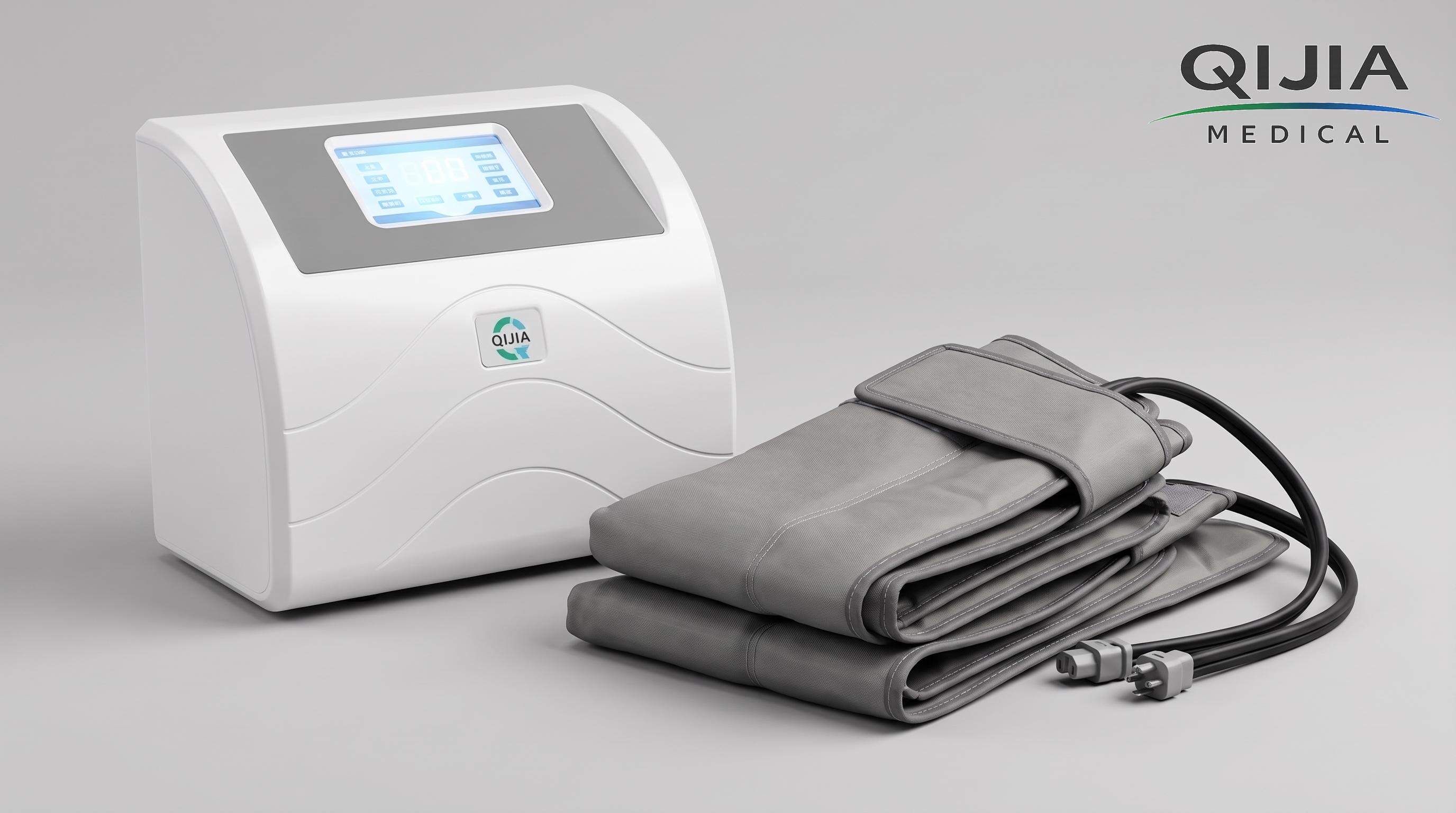
An intermittent pneumatic compression device consists of a control unit, air hoses, and compatible inflatable garments. Depending on the system, the garments may be designed for the feet, calves, or thighs.
During operation, the controller delivers air to the garment according to its programmed compression cycle. The garment inflates and deflates repeatedly, applying external pressure to the selected area of the leg. This action can help support venous return and reduce blood stasis in appropriately selected patients.
Controlled Compression Cycles
Unlike continuous pressure alone, intermittent compression alternates between inflation and release. The timing and pressure pattern depend on the device design and selected operating mode. These parameters should be used according to the manufacturer's instructions and the patient's clinical requirements.
Foot and Calf Garment Options
Different garment configurations are intended to address different parts of the lower extremity. Correct garment selection, sizing, placement, and connection to the controller are important for safe and effective operation.
Integration Into Clinical Care
IPC devices may be used in hospitals and other appropriate care settings as part of a broader VTE prevention protocol. For patients who require assistance, trained healthcare professionals or designated caregivers should understand how to apply the garments, operate the system, check the skin, and recognize problems.
Use should be based on the device's cleared or registered indications in the relevant market, its instructions for use, and the treating clinician's assessment.
6. Supporting DVT Prevention With QIJIA MEDICAL
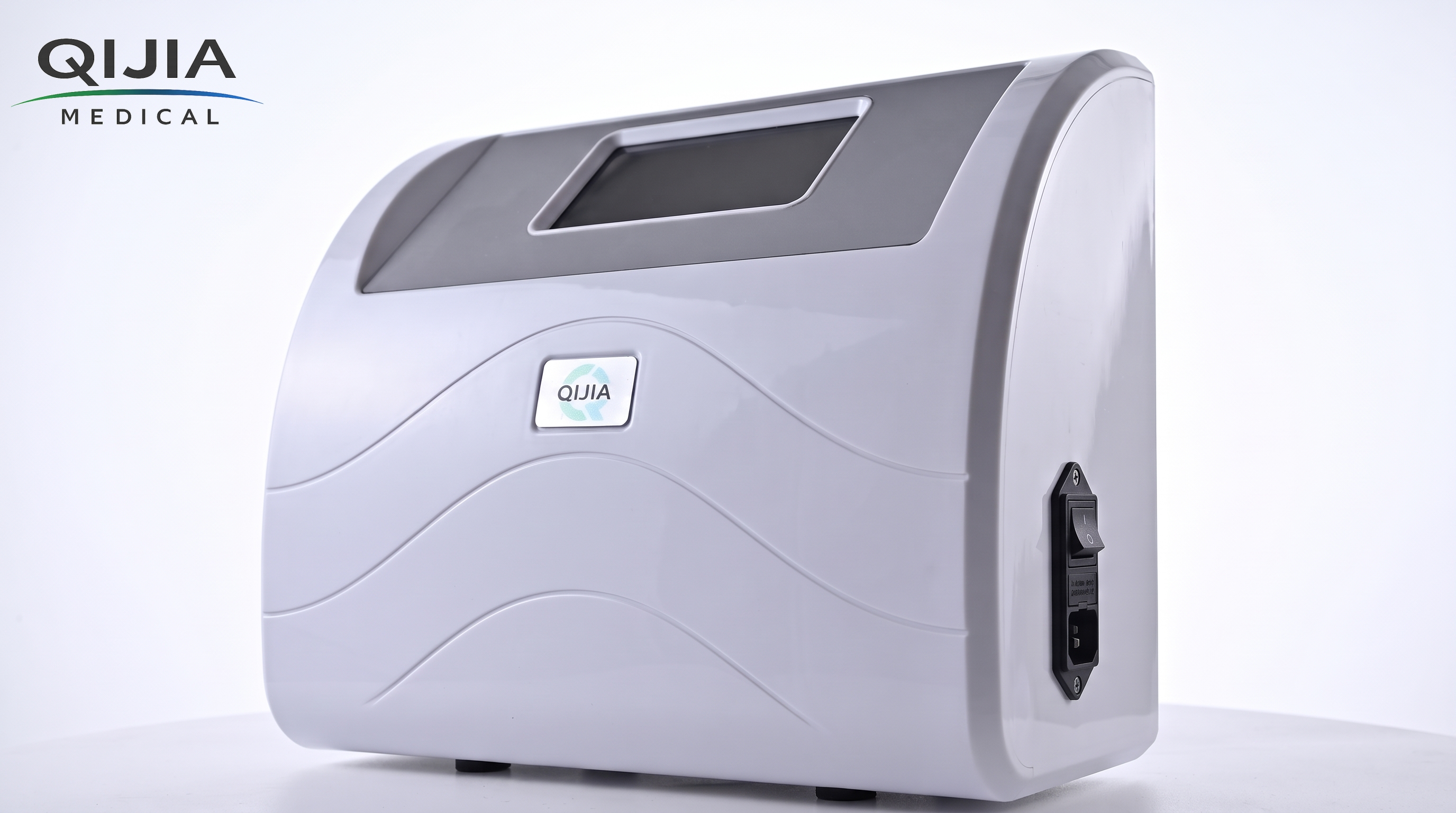
For healthcare facilities seeking equipment to support mechanical DVT prevention, QIJIA MEDICAL offers intermittent pneumatic compression solutions designed for clinical use. Product selection should take into account the intended patient population, garment configuration, pressure settings, operating modes, and the requirements of the care environment.
The QIJIA MEDICAL DVT product range includes the QJ-B100A and QJ-B300 models. The QJ-B100A features a 5-inch display and a stated pressure range of 0–300 mmHg. The QJ-B300 offers multiple operating modes, including manual, gradient, standard, advanced, and customizable options. Please consult the applicable product specifications and instructions for use to confirm the details of each model and its compatible garments.
For healthcare providers, distributors, and medical equipment procurement teams, understanding the equipment's operating features is an important step toward selecting a suitable solution. A device should be evaluated not only by its interface and available modes, but also by its approved intended use, compatibility, service support, and fit with local clinical protocols.
Learn more about the QIJIA MEDICAL DVT Prevention System and its product specifications.
QIJIA MEDICAL also supports OEM/ODM cooperation for qualified business partners. To learn more about the company, its manufacturing capabilities, and cooperation opportunities, visit About QIJIA MEDICAL.
For product details, quotations, or distributor inquiries, please contact our team.
7. Important Considerations Before Using an IPC Device
Intermittent pneumatic compression is not appropriate for every patient. Before use, healthcare professionals should review the patient's condition, circulation, skin integrity, medical history, and the specific device instructions.
Suspected or confirmed DVT requires medical evaluation before compression is applied. Other conditions, such as significant peripheral arterial disease, certain skin injuries, or specific cardiovascular problems, may require avoidance, additional precautions, or specialist assessment depending on the circumstances and the device's labeling.
During use, caregivers should check garment placement and skin condition and watch for pain, unusual discoloration, numbness, or other concerning changes. Stop use and seek clinical guidance if an unexpected problem occurs.
IPC should not automatically replace anticoagulant prophylaxis when medication is indicated. Nor should it replace mobilization, clinical monitoring, or other measures included in the patient's prevention plan.
Frequently Asked Questions About DVT and Prolonged Bed Rest
1. Why does prolonged bed rest increase the risk of DVT?
Reduced movement decreases the regular contraction of the calf muscles, which normally help return venous blood toward the heart. Slower blood flow can contribute to clot formation, particularly when other risk factors are present.
2. Which bedridden patients may need DVT prevention?
Patients recovering from major surgery, people with severe acute illness, selected stroke patients, individuals with significant mobility limitations, and others with additional VTE risk factors may require preventive measures. A healthcare professional should assess both clotting and bleeding risks before recommending a plan.
3. What is an intermittent pneumatic compression device used for?
An IPC device applies repeated cycles of external pressure through inflatable garments. In appropriately selected patients, it can support venous circulation and help reduce the risk of DVT as part of a mechanical prevention strategy.
4. Can an IPC device treat an existing blood clot?
An IPC device used for prophylaxis should not be presented as a treatment that dissolves or removes an established blood clot. Suspected or confirmed DVT requires medical evaluation and an individualized treatment plan.
5. Can family caregivers use an IPC device at home?
Home use may be appropriate only when the specific device is intended for that setting and a healthcare professional has recommended it. Patients and caregivers should receive instruction on correct garment placement, operation, monitoring, and when to seek help.
6. Does every patient who stays in bed need an IPC device?
No. The need for mechanical prophylaxis depends on individual VTE risk, bleeding risk, medical condition, mobility, and applicable clinical guidance. Prolonged bed rest alone does not mean that every person should use an IPC device.
7. What symptoms may indicate DVT or pulmonary embolism?
DVT may cause swelling, pain, tenderness, warmth, or discoloration in one leg, although symptoms can be absent. Sudden shortness of breath, chest pain, fainting, or coughing up blood may indicate pulmonary embolism and require emergency medical attention.
8. How can healthcare facilities choose a suitable DVT prevention device?
Facilities should review the device's intended use, applicable regulatory status, compression parameters, garment options, operating modes, instructions for use, maintenance requirements, and service support. Selection should match the clinical environment and the needs of the intended patient population.