







Cough Assist Device for ALS Patients: Managing Weak Cough and Airway Secretion Risks
Amyotrophic lateral sclerosis (ALS), commonly known as Lou Gehrig's disease, is a progressive neurological condition that affects the nerve cells responsible for voluntary muscle movement. As the disease progresses, some patients develop weakness in the muscles involved in breathing, coughing, and swallowing. These changes can make it increasingly difficult to clear mucus and other secretions from the respiratory tract.
Although breathing difficulties are widely recognized in ALS care, ineffective coughing is another important concern that deserves attention. When a patient cannot generate sufficient airflow to clear secretions, mucus may accumulate in the airways, increasing the burden of respiratory care and potentially contributing to complications such as respiratory infections.
A cough assist device, also known as a mechanical insufflation-exsufflation (MI-E) device, can support airway clearance in appropriately assessed patients with an ineffective cough. Understanding the relationship between ALS, respiratory muscle weakness, and secretion retention helps healthcare professionals and caregivers make informed decisions about respiratory management.
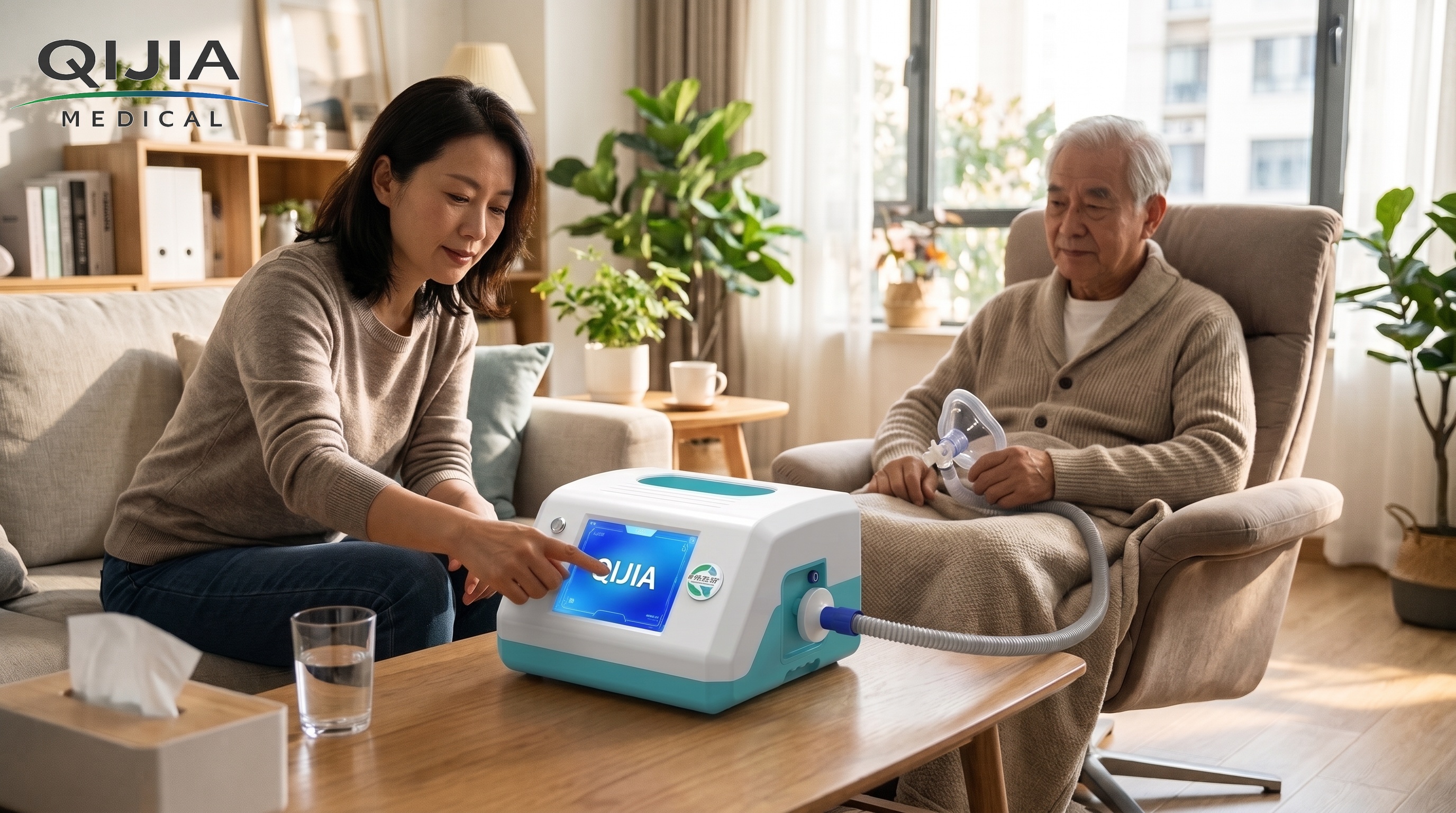
1. Why ALS Can Make Coughing Less Effective
Coughing is a coordinated process that requires sufficient inhaled air, effective closure and opening of the glottis, and strong expiratory muscle contraction. Together, these actions generate the airflow needed to move mucus and unwanted material toward the upper airway.
In people living with ALS, progressive muscle weakness may interfere with one or more stages of this process. A patient may still be able to cough, but the cough can become slower, weaker, or less effective at moving secretions.
Respiratory muscle weakness
Weakness of the diaphragm and other respiratory muscles can reduce the amount of air a patient can inhale before coughing. Weak abdominal and expiratory muscles may then limit the force of the outward airflow. Without sufficient airflow, mucus can remain in the airways instead of being cleared effectively.
Bulbar muscle involvement and swallowing difficulties
ALS can also affect muscles involved in speech, swallowing, and upper-airway protection. When swallowing function is impaired, saliva, food, or liquids may enter the airway. This is known as aspiration. If the patient's cough is also weak, clearing aspirated material may become more difficult.
These problems are related but distinct. A cough assist device may help with cough augmentation and secretion clearance, but it does not correct swallowing dysfunction or independently prevent aspiration.
Reduced mobility and changes in secretion management
Reduced physical activity, inadequate hydration, respiratory infections, and changes in secretion consistency can further complicate airway management. Thick or abundant mucus may be especially difficult to clear when cough strength is already limited.
For this reason, respiratory assessment in ALS should consider more than breathing symptoms alone. Cough effectiveness, secretion burden, swallowing function, respiratory muscle performance, and the patient's ability to tolerate airway clearance techniques all matter.
2. The Risks of Retained Airway Secretions in ALS
When an individual cannot clear respiratory secretions effectively, the consequences can extend beyond occasional coughing or throat discomfort. For patients with ALS, impaired airway clearance may become an important factor in respiratory health and daily care.
Mucus accumulation and airway obstruction
Secretions that are not removed efficiently may accumulate in the larger airways. In some cases, mucus can contribute to partial airway blockage or mucus plugging. This may interfere with airflow and make breathing more difficult, particularly when respiratory muscle strength is already compromised.
Increased vulnerability during respiratory infections
During a respiratory infection, the body may produce more mucus while inflammation increases the demands placed on the respiratory system. A person with an effective cough may be able to remove these secretions independently. A person with ALS and significant cough weakness may struggle to do so.
Difficulty clearing secretions can contribute to a more complicated respiratory course and may increase the need for clinical intervention. Airway clearance strategies are therefore an important consideration in respiratory care, particularly during periods of increased secretion production or acute illness.
Atelectasis and reduced respiratory reserve
Persistent mucus obstruction can contribute to atelectasis, a condition in which part of the lung becomes incompletely expanded. In patients with limited respiratory muscle strength, additional respiratory complications may be particularly difficult to manage.
Not every patient with ALS will develop these complications. However, recognizing ineffective coughing early allows healthcare professionals to evaluate appropriate airway clearance options before secretion management becomes more difficult.
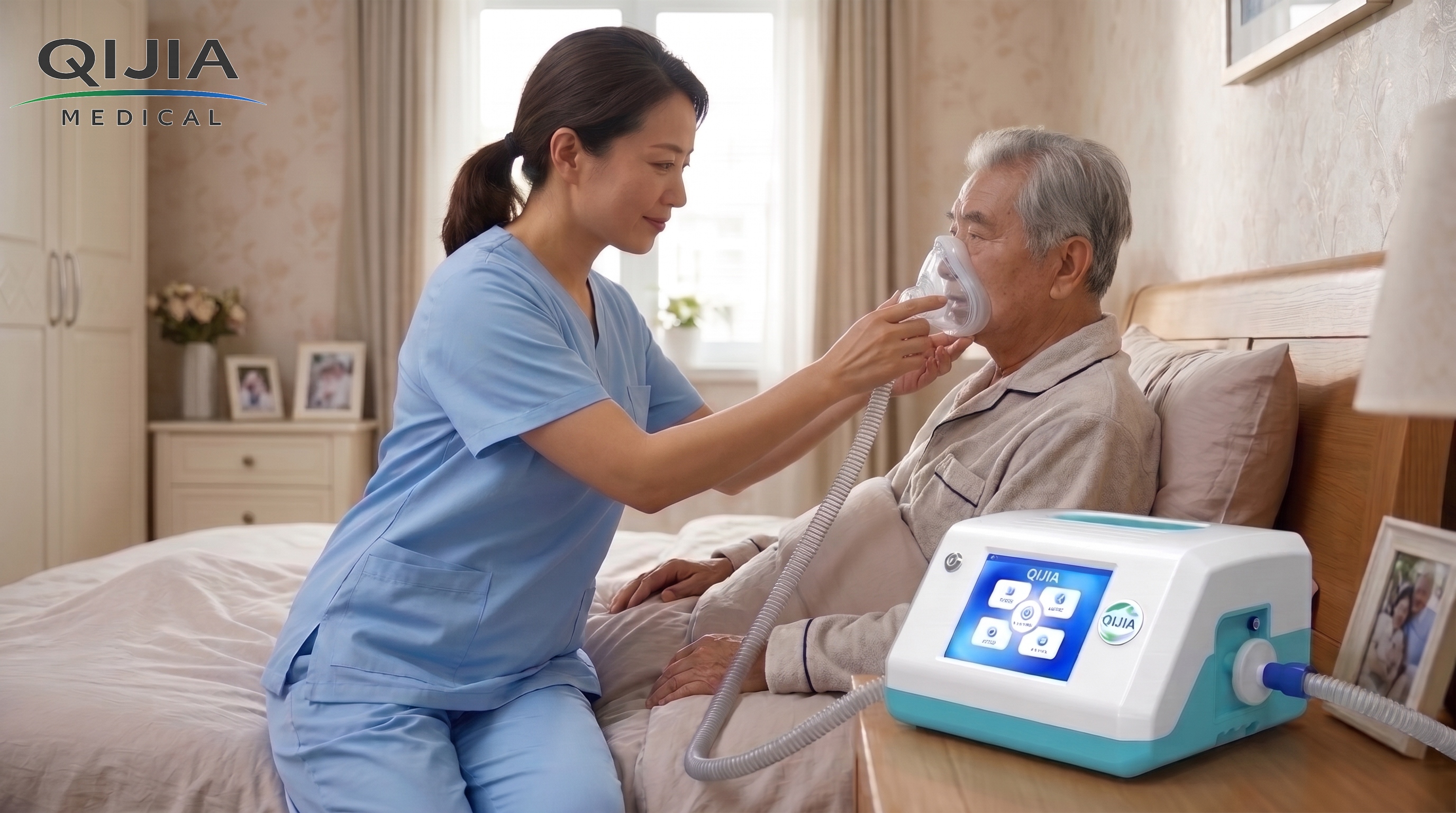
3. How a Cough Assist Device Supports Airway Clearance
A cough assist device is designed to help people who cannot produce an effective cough on their own. It uses a technique called mechanical insufflation-exsufflation to simulate important phases of a natural cough.
Rather than relying entirely on the patient's respiratory muscles, the device applies positive pressure to help deliver air into the lungs and then rapidly transitions to negative pressure to assist airflow out of the lungs. This change in pressure can generate an assisted expiratory flow that helps move secretions toward the upper airway, where they may be easier to remove.
Step 1: Assisted inspiration
The device delivers air through an appropriate patient interface, such as a face mask or mouthpiece, according to the patient's needs and the prescribed treatment settings. This phase helps increase the volume of air entering the lungs before the assisted cough.
Step 2: Assisted expiration
The device switches from positive to negative pressure, helping produce a rapid outward airflow. This mechanically assisted cough can help mobilize mucus and other secretions that the patient may otherwise struggle to expel.
Step 3: Repeated treatment according to clinical needs
Treatment may involve repeated insufflation-exsufflation cycles, with settings and frequency determined by the clinical team. The objective is to support effective secretion clearance while maintaining patient comfort and treatment tolerance.
For a closer look at equipment designed for this purpose, explore the QIJIA MEDICAL Cough Assist Device.
4. When Should Cough Assistance Be Considered for ALS Patients?
Cough assistance should be considered as part of an individualized respiratory management plan rather than only after a serious respiratory complication develops.
Healthcare professionals may evaluate cough augmentation when an ALS patient demonstrates one or more of the following concerns:
A weak or ineffective voluntary cough.
Difficulty clearing mucus or other respiratory secretions.
Reduced peak cough flow on respiratory assessment.
Increasing difficulty managing secretions during respiratory infections.
Repeated respiratory problems associated with ineffective airway clearance.
Progressive respiratory muscle weakness that affects the patient's ability to clear the airway.
Peak cough flow is one measure clinicians can use to assess cough effectiveness. Some clinical guidance recommends considering cough augmentation when peak cough flow falls below approximately 270 L/min, although the appropriate intervention depends on the patient's overall condition and local clinical guidance.
Assessment should not rely on a single measurement. Symptoms, secretion burden, respiratory function, swallowing difficulties, upper-airway function, and the patient's response to different techniques should also be considered.
5. Important Applications of Cough Assist Devices in ALS Care
Hospital respiratory care
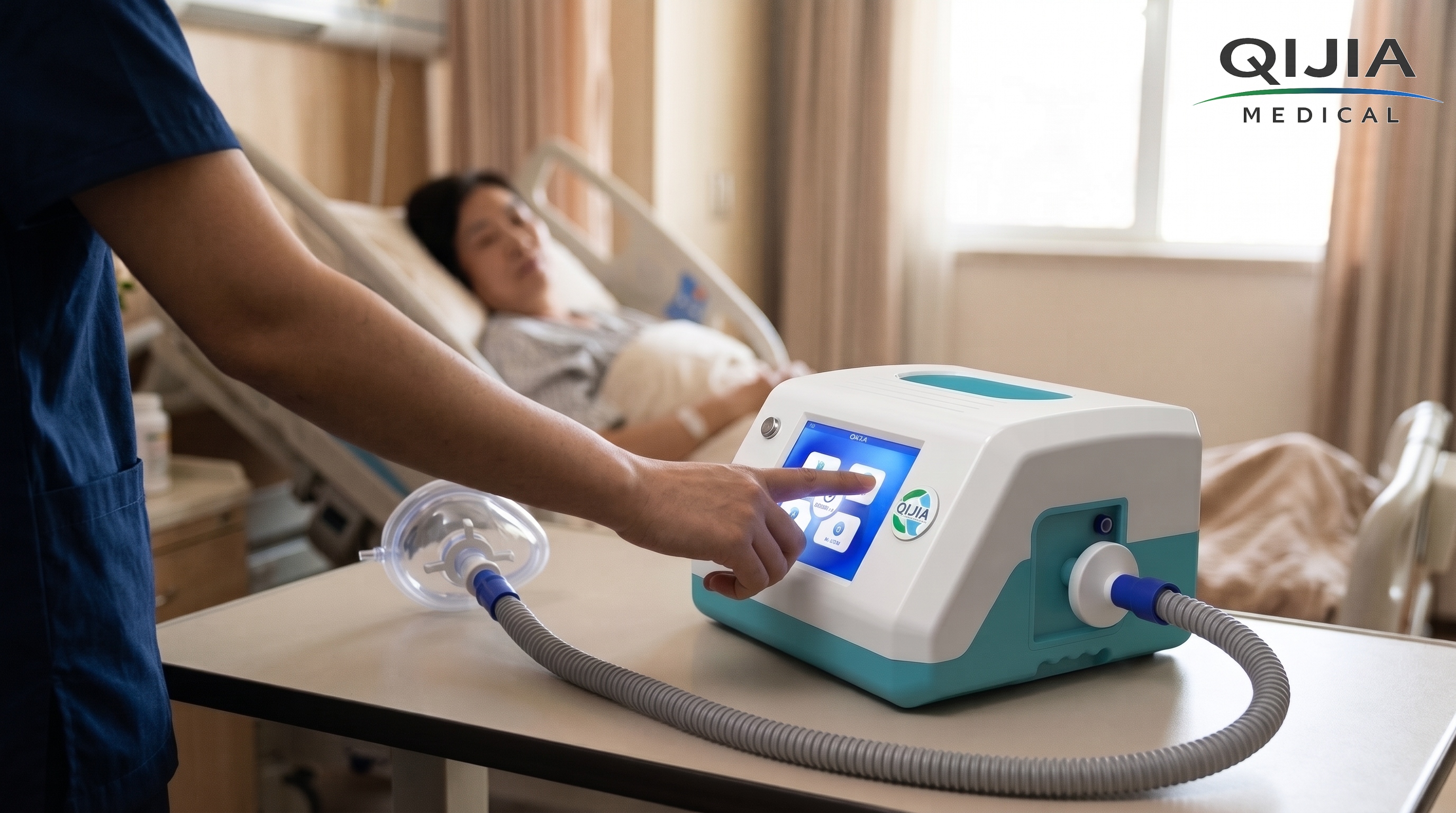
In hospitals, cough assist devices may be incorporated into respiratory care plans for suitable patients who have difficulty clearing secretions. Respiratory therapists and other qualified healthcare professionals can assess cough effectiveness, select appropriate interfaces, adjust treatment settings, and monitor the patient's response.
For patients experiencing increased secretion production during a respiratory infection, the clinical team may need to reassess the airway clearance plan and determine whether additional assistance is appropriate.
Neurology and neuromuscular disease clinics
ALS care often involves collaboration among neurologists, respiratory specialists, rehabilitation professionals, and other members of a multidisciplinary team. Monitoring cough strength and respiratory function can help identify when additional airway clearance support should be considered.
Cough assist devices are relevant to clinics that provide ongoing respiratory assessment and care planning for people with progressive neuromuscular conditions.
Home respiratory care
As ALS progresses, some patients receive respiratory support at home. When a cough assist device is clinically indicated, home use may help patients and trained caregivers carry out the prescribed airway clearance routine outside the hospital.
Successful home use requires appropriate instruction, a suitable patient interface, a clear treatment plan, and access to professional support when problems arise. Caregivers should understand how to use the equipment, recognize poor treatment tolerance, and follow the clinical team's instructions for managing secretions.
Respiratory care involving tracheostomy
Some patients with advanced respiratory impairment may require a tracheostomy and invasive ventilation. In selected cases, mechanical insufflation-exsufflation can also be incorporated into airway clearance management through an appropriately configured interface.
Such use requires specific clinical expertise and compatibility with the patient's airway and ventilation setup. It should not be assumed that every device or configuration is suitable for every tracheostomy patient.
6. Clinical Considerations: Why Individual Assessment Matters
Although mechanical cough assistance can be valuable, ALS presents challenges that require careful patient selection and treatment adjustment.
Bulbar dysfunction may affect treatment effectiveness
Some patients experience significant weakness or abnormal muscle activity involving the tongue, pharynx, and larynx. During mechanical insufflation-exsufflation, upper-airway narrowing or closure may interfere with airflow and reduce the effectiveness of treatment.
In these circumstances, simply increasing the pressure may not solve the problem and could make treatment less comfortable. A respiratory specialist may need to adjust pressure levels, timing, flow characteristics, or the overall airway clearance strategy.
Patient comfort and tolerance
Patients may respond differently to the pressure changes generated by a cough assist device. Treatment should be individualized according to clinical assessment, comfort, effectiveness, and the patient's ability to cooperate with the procedure.
Cough assistance is not the same as ventilation
A cough assist device and a ventilator serve different primary purposes. Cough assistance is intended to augment coughing and support secretion clearance. Non-invasive ventilation or invasive ventilation supports breathing when respiratory function is insufficient.
Some people with ALS may require both approaches as part of their care plan. A cough assist device should not be presented as a replacement for prescribed ventilatory support, emergency respiratory treatment, or other necessary clinical interventions.
It does not replace comprehensive secretion management
ALS-related respiratory care may also involve swallowing assessment, saliva management, hydration guidance, prescribed medications, suction when indicated, and other airway clearance techniques. The appropriate combination depends on the patient's symptoms and clinical needs.
Any new or rapidly worsening breathing difficulty, inability to clear secretions, or signs of a serious respiratory infection requires prompt medical assessment.
7. What Healthcare Providers Should Consider When Selecting a Cough Assist Device
For hospitals, clinics, and respiratory care providers, selecting a cough assist device involves more than comparing product specifications. The equipment must fit the intended clinical workflow and the needs of the patients being treated.
Adjustable treatment parameters: The ability to configure available pressure and treatment-time settings can support individualized clinical use.
Patient interface options: Interface selection should reflect the patient's airway anatomy, clinical status, and ability to tolerate treatment.
Ease of operation: Clear controls and understandable operating procedures can help support staff training and routine use.
Clinical training and support: Appropriate user education is essential for safe setup, treatment adjustment, and troubleshooting.
Intended use and compatibility: Buyers should verify the device's approved indications, technical specifications, accessories, and compatibility with the intended care setting.
QIJIA MEDICAL provides respiratory care equipment for professional and homecare environments. Healthcare organizations and distributors evaluating a cough assist solution can review the product details and discuss their application requirements with the company.
8. QIJIA MEDICAL: Respiratory Care Equipment and OEM/ODM Cooperation
Reliable respiratory care depends on suitable equipment, appropriate clinical guidance, and an understanding of the needs of the intended user. For medical equipment distributors, healthcare suppliers, and organizations developing their respiratory care portfolios, working with a manufacturer that understands product requirements and business cooperation needs can be an important part of the sourcing process.
QIJIA MEDICAL focuses on medical equipment development and manufacturing, with product offerings covering respiratory care and rehabilitation technology. The company's Cough Assist Device is intended to support assisted coughing and airway secretion clearance in suitable applications, subject to the product's specifications and applicable instructions for use.
For distributors and healthcare businesses interested in product customization or private-label cooperation, QIJIA MEDICAL also offers OEM/ODM cooperation opportunities, subject to project requirements and feasibility.
Learn more about QIJIA MEDICAL and its OEM/ODM cooperation services, or contact the QIJIA MEDICAL team to discuss product specifications, distribution opportunities, and business requirements.
Frequently Asked Questions (FAQ)
1. Why might a person with ALS need a cough assist device?
ALS can weaken the respiratory muscles responsible for generating an effective cough. When a patient cannot clear mucus adequately, a cough assist device may help augment airflow and support secretion clearance as part of an individualized respiratory care plan.
2. Can a cough assist device remove mucus from the airways?
A cough assist device uses positive and negative pressure to simulate aspects of a natural cough and help move secretions toward the upper airway. The amount of assistance varies according to the patient's condition, secretion characteristics, treatment settings, and response to therapy.
3. Can cough assist devices prevent pneumonia in ALS patients?
Effective airway clearance is an important component of respiratory care and may help manage retained secretions. However, a cough assist device cannot guarantee pneumonia prevention. Infection risk also depends on swallowing function, aspiration, respiratory status, and other clinical factors.
4. Is a cough assist device suitable for every person with ALS?
No. Suitability depends on cough effectiveness, respiratory function, bulbar involvement, upper-airway behavior, secretion burden, and treatment tolerance. A qualified healthcare professional should determine whether mechanical cough assistance is appropriate and how it should be configured.
5. Can a cough assist device be used at home?
Yes, home use may be appropriate for selected patients when prescribed as part of a respiratory care plan. Patients and caregivers should receive suitable training and follow the instructions provided by their healthcare team and the device manufacturer.
6. Is a cough assist device the same as a ventilator?
No. A cough assist device primarily helps generate airflow to support coughing and secretion clearance. A ventilator supports breathing. Depending on their clinical needs, some ALS patients may require both types of equipment.
7. Can patients with bulbar dysfunction use a cough assist device?
Some may benefit, but significant bulbar dysfunction can affect upper-airway opening and closing during treatment. This may reduce effectiveness or tolerance, so careful assessment and individualized adjustment by an experienced respiratory professional are important.
8. Where can healthcare providers learn more about QIJIA MEDICAL's Cough Assist Device?
Healthcare providers and distributors can visit the QIJIA MEDICAL Cough Assist Device product page for product information and use the company's contact page to discuss technical specifications and cooperation opportunities.
Conclusion
In ALS, declining respiratory muscle strength can turn an ordinary cough into a significant airway management challenge. Retained secretions may increase respiratory discomfort and complicate the management of infections, making regular assessment of cough effectiveness an important part of multidisciplinary care.
A cough assist device can provide valuable mechanical support for suitable patients who cannot clear secretions effectively on their own. Its role is most meaningful when it is integrated into a personalized respiratory care plan that considers swallowing function, upper-airway behavior, patient tolerance, and the possible need for additional respiratory support.
For healthcare providers and medical equipment distributors exploring respiratory care solutions, QIJIA MEDICAL offers a Cough Assist Device and opportunities to discuss product requirements and OEM/ODM cooperation. Visit the product page or contact the team to learn more.