







Neuromuscular Diseases and Respiratory Risks: Why Effective Cough Assistance Matters
Neuromuscular diseases are often associated with progressive muscle weakness, reduced mobility, and difficulties with everyday physical activities. However, one of their most serious and sometimes overlooked complications involves the respiratory system. As the muscles responsible for breathing and coughing become weaker, patients may gradually lose the ability to clear mucus and other secretions from their airways effectively.
This problem can become particularly dangerous during respiratory infections, when the body needs an effective cough to remove excess secretions. For individuals with conditions such as amyotrophic lateral sclerosis (ALS), spinal muscular atrophy (SMA), and muscular dystrophy, an increasingly weak cough may contribute to secretion retention, recurrent chest infections, and potentially life-threatening respiratory complications.
Understanding the relationship between neuromuscular disorders and respiratory function is essential for patients, caregivers, and healthcare professionals. Mechanical insufflation-exsufflation, commonly known as cough assistance, is one of the respiratory care approaches that may help patients with significantly impaired cough function manage airway secretions.
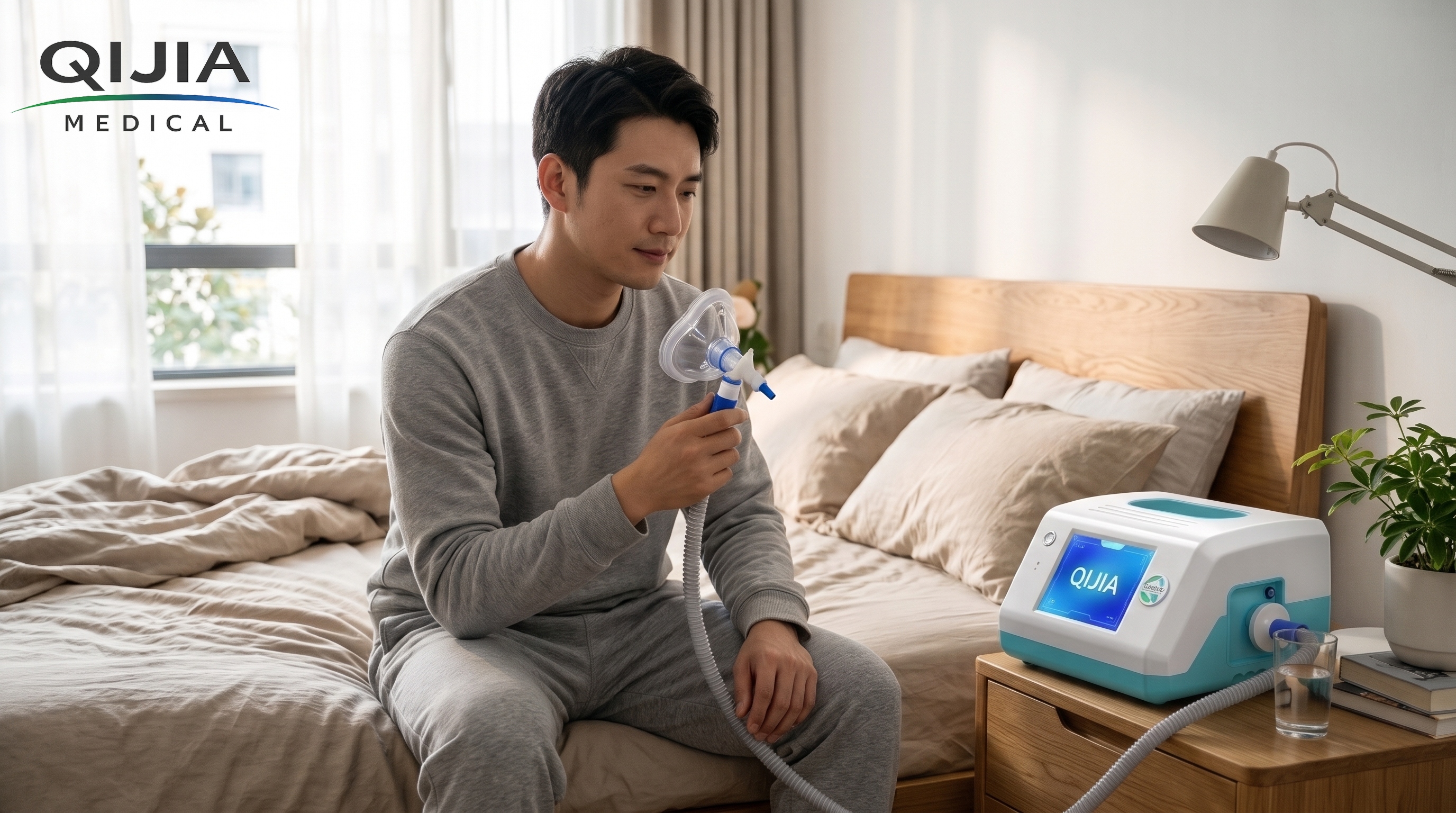
1. How Neuromuscular Diseases Affect the Respiratory System
The respiratory system depends on coordinated activity between the diaphragm, intercostal muscles, abdominal muscles, and other supporting muscles. These structures work together to move air into and out of the lungs while generating the pressure and airflow required for an effective cough.
In people with neuromuscular diseases, the nerves responsible for controlling muscle activity or the muscles themselves may gradually lose their normal function. Depending on the underlying condition, respiratory muscle weakness can develop slowly over several years or progress more rapidly in certain situations.
As respiratory muscles become weaker, several problems may develop:
Reduced inspiratory capacity: Patients may become unable to take sufficiently deep breaths, reducing the amount of air available for an effective cough.
Weak expiratory muscles: Insufficient expiratory force makes it difficult to generate the airflow needed to move mucus out of the respiratory tract.
Reduced cough effectiveness: Patients may experience difficulty clearing airway secretions independently.
Secretion retention: Mucus may accumulate in the airways when normal clearance mechanisms become inadequate.
Increased respiratory vulnerability: Respiratory infections may become more difficult to manage when patients cannot effectively clear secretions.
Importantly, respiratory deterioration does not always begin with obvious breathing difficulties. Some patients may initially experience a weaker cough, difficulty clearing mucus, or repeated respiratory infections before more noticeable respiratory symptoms develop.
2. The Hidden Danger of an Ineffective Cough
Coughing is one of the body's most important natural airway defense mechanisms. A normal cough requires sufficient lung volume, coordinated closure and opening of the glottis, and strong expiratory muscle contraction. When these processes work together, airflow can help move mucus and foreign material toward the upper airway for removal.
However, neuromuscular weakness can interfere with several stages of this process. Even when a patient feels mucus in the chest, the respiratory muscles may not generate enough force to expel it.
Why Weak Coughing Can Become a Serious Health Risk
1. Airway Secretion Accumulation
When patients cannot produce an effective cough, mucus may remain in the lower respiratory tract. Persistent secretion retention can interfere with normal airflow and make respiratory management more difficult.
2. Increased Risk of Respiratory Infections
Retained secretions can create conditions that make respiratory infections more difficult to manage. People with neuromuscular disorders may be particularly vulnerable because their airway clearance mechanisms are already compromised. Respiratory infections are a major cause of illness and mortality in this patient population.
3. Atelectasis and Impaired Lung Function
Inadequate ventilation and mucus plugging may contribute to atelectasis, a condition in which part of the lung becomes partially or completely collapsed. This can further complicate respiratory care, particularly in patients with advanced muscle weakness.
4. Increased Risk During Respiratory Illness
During a common cold or lower respiratory infection, the body may produce more airway secretions than usual. A person with normal respiratory muscle function can often compensate by coughing more frequently. For someone with severely weakened respiratory muscles, however, the additional secretion burden may exceed their ability to clear the airways.
5. Potential Progression to Respiratory Failure
In advanced neuromuscular disease, respiratory muscle weakness can contribute to inadequate ventilation and carbon dioxide retention. When ineffective cough and secretion accumulation occur alongside declining respiratory function, the overall clinical situation can become critical.
These complications demonstrate why respiratory monitoring and airway clearance management should be considered throughout the progression of neuromuscular diseases, rather than only after severe breathing difficulties appear.
3. Neuromuscular Diseases Associated with Respiratory Muscle Weakness
Not all neuromuscular disorders affect breathing in the same way. Some primarily involve motor neurons, while others affect muscle tissue or communication between nerves and muscles. Nevertheless, several conditions can eventually compromise cough effectiveness and airway secretion clearance.
Amyotrophic Lateral Sclerosis (ALS)
ALS is a progressive neurodegenerative disease that affects motor neurons responsible for controlling voluntary muscles. As the disease advances, patients may experience weakness in the limbs, swallowing muscles, and respiratory muscles.
When respiratory and expiratory muscles become weaker, patients may lose the ability to generate a sufficiently strong cough. Difficulty clearing mucus can become particularly problematic during respiratory infections, increasing the need for specialized airway clearance support.
Respiratory management for ALS patients may involve monitoring lung function, non-invasive ventilation when indicated, secretion management, and assisted coughing techniques. Mechanical insufflation-exsufflation may be considered when other cough augmentation methods do not provide adequate support.
Spinal Muscular Atrophy (SMA)
Spinal muscular atrophy is a genetic neuromuscular disorder characterized by the loss of motor neurons in the spinal cord. Depending on the disease type and severity, patients may experience significant muscle weakness, including weakness of the muscles involved in breathing and coughing.
Children with more severe forms of SMA may have difficulty generating an effective cough from an early age. They may also experience reduced chest expansion, impaired secretion clearance, and increased vulnerability to respiratory complications.
For selected patients, a comprehensive respiratory care plan may include assisted coughing, lung volume recruitment, respiratory monitoring, and other supportive therapies. A cough assist device can be an important component of airway clearance management when clinically indicated.
Duchenne Muscular Dystrophy (DMD)
Duchenne muscular dystrophy is a progressive genetic muscle disorder that primarily affects boys. Over time, muscle weakness can involve the diaphragm, intercostal muscles, and abdominal muscles responsible for producing an effective cough.
As respiratory muscle function declines, patients may experience reduced cough peak flow and increasing difficulty removing respiratory secretions. Respiratory infections can create additional challenges, especially when patients already have limited coughing capacity.
Regular respiratory assessment is important throughout disease progression. Healthcare professionals may recommend lung volume recruitment, manually assisted coughing, or mechanical insufflation-exsufflation according to the patient's respiratory condition.
Myasthenia Gravis (MG)
Myasthenia gravis is an autoimmune disorder affecting communication between nerves and muscles. It can cause fluctuating muscle weakness, which may involve the muscles responsible for breathing, swallowing, and coughing.
During severe exacerbations or myasthenic crises, respiratory muscle weakness may become an emergency. If coughing becomes ineffective, patients may also struggle to manage airway secretions.
Respiratory support and airway clearance must be evaluated by specialized medical teams. Mechanical cough assistance may be considered in selected patients with inadequate cough effectiveness, alongside appropriate emergency respiratory management when required.
Pompe Disease and Other Rare Neuromuscular Disorders
Pompe disease is a rare genetic metabolic disorder that can cause progressive muscle weakness. In some patients, the diaphragm and other respiratory muscles are significantly affected, resulting in reduced ventilation and ineffective coughing.
Other conditions, including congenital myopathies, nemaline myopathy, and certain muscular dystrophies, may also involve respiratory muscle impairment.
Although these conditions differ in their underlying mechanisms, they can share an important respiratory challenge: the inability to generate sufficient airflow to clear airway secretions effectively.
For patients with documented cough impairment, individualized airway clearance strategies may include mechanical cough assistance under professional supervision.
4. Recognizing Early Signs of Declining Cough Effectiveness
One challenge in neuromuscular respiratory care is that patients and caregivers may underestimate the significance of a gradually weakening cough. Because muscle weakness often develops progressively, changes in respiratory function can become normalized in everyday life.
Recognizing warning signs early can help patients receive timely respiratory assessment and appropriate airway clearance support.
Common signs that may require clinical evaluation include:
A cough that sounds weaker than before.
Difficulty clearing mucus from the chest or throat.
Repeated chest infections or respiratory illnesses.
Increased respiratory secretions during infections.
Difficulty taking deep breaths before coughing.
Frequent need for caregiver assistance with secretion management.
Changes in breathing patterns, especially during sleep or physical activity.
Increasing fatigue associated with breathing or coughing.
In more advanced cases, severe breathlessness, reduced consciousness, bluish discoloration of the lips, or an inability to manage airway secretions may indicate a medical emergency and require immediate medical attention.
Understanding Peak Cough Flow (PCF)
Peak cough flow is an important clinical measurement used to assess the effectiveness of coughing. It measures the maximum airflow generated during a cough and can help healthcare professionals identify patients who may require assisted coughing techniques.
In neuromuscular respiratory care, a peak cough flow below approximately 270 L/min may indicate reduced cough reserve, particularly during respiratory infections. Values below approximately 160 L/min are commonly associated with a significantly impaired ability to clear secretions independently.
These values are clinical reference points rather than universal treatment thresholds. Age, disease type, bulbar function, measurement technique, and the patient's overall respiratory condition must also be considered.
Monitoring cough effectiveness over time can help healthcare professionals identify changes in respiratory function and determine when additional airway clearance support may be appropriate.
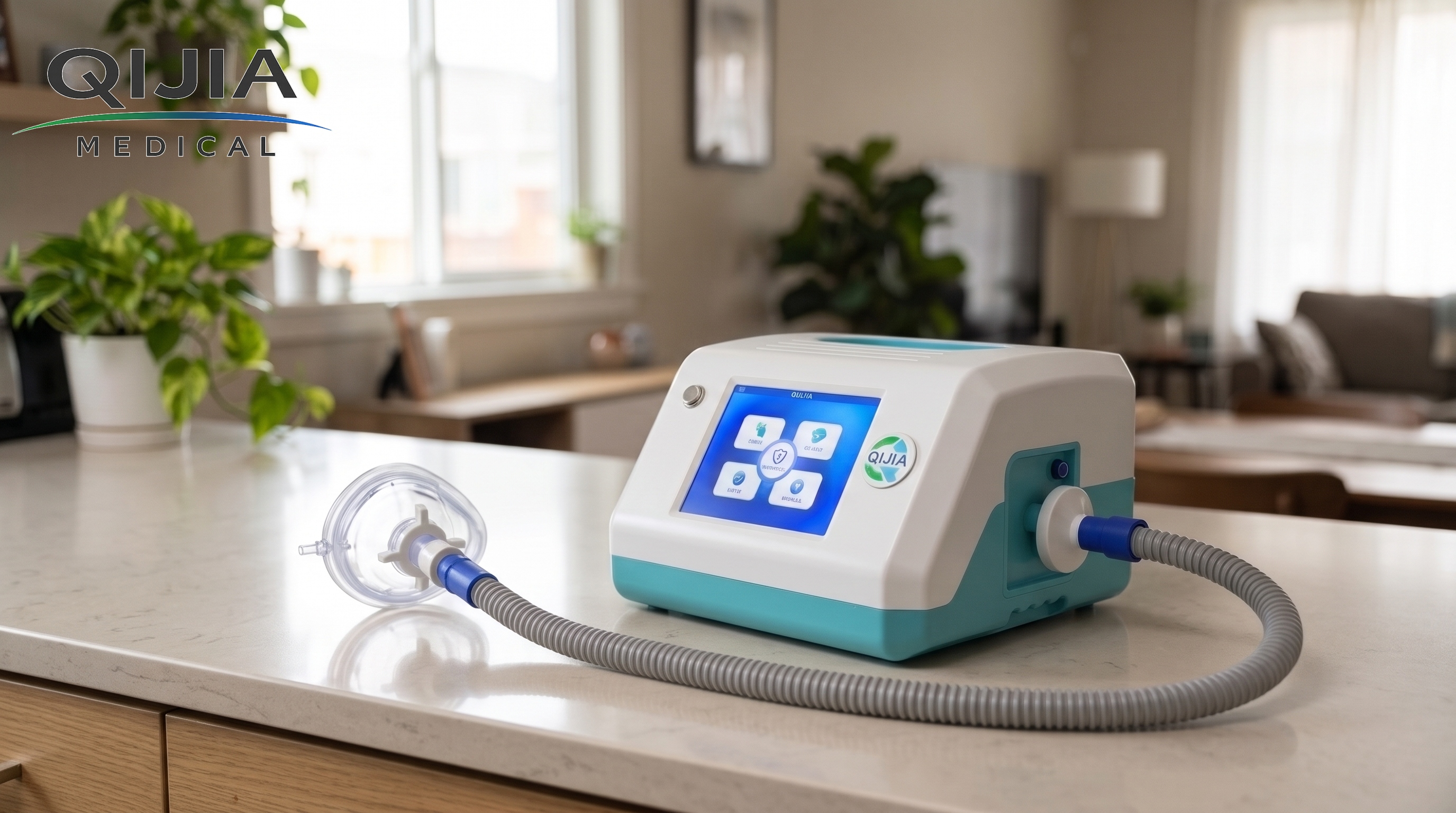
5. How a Cough Assist Device Supports Airway Clearance
When natural coughing becomes insufficient, conventional coughing techniques may no longer provide adequate assistance. Mechanical insufflation-exsufflation (MI-E), commonly known as a Cough Assist Device, is designed to support the coughing process through controlled positive and negative airway pressure.
Instead of relying entirely on the patient's respiratory muscle strength, the device helps simulate the airflow changes associated with a natural cough.
Understanding the Mechanical Insufflation-Exsufflation Process
Phase 1: Positive Pressure During Inspiration
The device delivers positive pressure to help move air into the lungs. This supports lung inflation and helps prepare the patient for the assisted coughing phase.
Phase 2: Rapid Pressure Reversal
The device rapidly changes from positive pressure to negative pressure, creating an assisted expiratory airflow that simulates the expulsive phase of coughing.
Phase 3: Assisted Airway Secretion Clearance
The resulting airflow helps move airway secretions toward the upper respiratory tract, where they can be removed through coughing or other appropriate secretion management techniques.
This process can be repeated according to an individualized treatment plan established by healthcare professionals.
For patients with significant respiratory muscle weakness, mechanical cough assistance may help address a limitation that ordinary coughing techniques cannot adequately overcome.
6. Why Mechanical Cough Assistance Matters in Neuromuscular Respiratory Care
Neuromuscular diseases can progressively reduce a patient's ability to perform basic respiratory functions. For individuals with ineffective coughing, airway secretion management becomes an important part of long-term care.
A mechanical cough assistance device offers several potential clinical benefits when appropriately prescribed and used.
Supports ineffective coughing: Helps generate assisted inspiratory and expiratory airflow for patients who cannot produce an effective natural cough.
Facilitates secretion clearance: Helps mobilize airway secretions toward the upper airway for removal.
Supports respiratory care during illness: Can be incorporated into an individualized airway clearance plan during periods of increased secretion burden.
Provides a mechanical alternative to cough augmentation: Offers another option when manual assistance or other techniques are insufficient.
Supports long-term respiratory management: Can be used in hospital or homecare environments when clinically appropriate and supported by trained caregivers.
It is important to understand that a Cough Assist Device does not cure neuromuscular diseases, reverse muscle degeneration, or replace ventilatory support. Its role is specifically related to mechanical cough augmentation and airway secretion clearance.
7. QIJIA MEDICAL Cough Assist Device for Respiratory Care
For patients who experience reduced cough effectiveness due to neuromuscular weakness, appropriate respiratory equipment can play an important role in their overall care strategy.
QIJIA MEDICAL provides a Cough Assist Device designed around mechanical insufflation-exsufflation technology, supporting assisted coughing and airway secretion clearance.
The system uses controlled positive and negative pressure to simulate the inspiratory and expiratory phases of a natural cough. This approach is intended to assist patients who have difficulty generating sufficient expiratory airflow independently.
Key Product Features
Mechanical cough assistance: Alternating positive and negative pressure supports the mechanical coughing process.
Adjustable inspiratory pressure: Allows healthcare professionals to configure the inspiratory phase according to individual treatment requirements.
Adjustable expiratory pressure: Supports individualized settings for the assisted expiratory phase.
Adjustable treatment time: Treatment duration can be configured according to the patient's prescribed therapy plan.
Mask interface: Supports non-invasive application through an appropriate patient mask.
Tracheostomy interface option: An appropriate tracheostomy connection can be selected for patients requiring airway access through a tracheostomy.
For patients with ALS, SMA, muscular dystrophy, and other neuromuscular conditions, the suitability of mechanical cough assistance should be assessed according to respiratory muscle function, cough effectiveness, airway anatomy, and individual clinical needs.
Healthcare professionals should determine the appropriate pressure settings, treatment duration, interface, and frequency of use. Patient response should be monitored and the treatment plan reviewed when respiratory conditions change.
Learn more about the QIJIA MEDICAL Cough Assist Device and its mechanical insufflation-exsufflation technology.
8. The Importance of Long-Term Airway Clearance Planning
Neuromuscular respiratory care is not a one-time intervention. As the underlying disease progresses, respiratory muscle strength, cough effectiveness, swallowing function, and secretion management needs may change.
A comprehensive respiratory care plan may involve several complementary approaches:
Regular respiratory function assessment.
Monitoring peak cough flow and other relevant respiratory measurements.
Lung volume recruitment when appropriate.
Manually assisted coughing with trained caregiver support.
Mechanical insufflation-exsufflation for patients with inadequately supported cough function.
Airway secretion mobilization techniques when necessary.
Non-invasive or invasive ventilatory support when clinically indicated.
Caregiver education and home respiratory care planning.
Different techniques address different aspects of respiratory dysfunction. For example, high-frequency chest wall oscillation (HFCWO) can help mobilize secretions, while a Cough Assist Device helps augment the expiratory airflow needed to remove them. These approaches may be combined in selected patients rather than considered interchangeable treatments.
Caregivers also play an important role. Proper training in equipment operation, patient positioning, interface application, and recognition of respiratory warning signs can contribute to safer and more consistent respiratory care.
9. Supporting Better Respiratory Care Through Appropriate Technology
For people living with neuromuscular diseases, respiratory complications can significantly affect daily life and long-term health. A weakening cough may appear to be a relatively small change, but it can have important consequences when airway secretions cannot be cleared effectively.
Recognizing ineffective coughing, monitoring respiratory function, and introducing appropriate airway clearance support at the right time are important elements of comprehensive respiratory management.
Mechanical insufflation-exsufflation technology provides an additional option for healthcare professionals caring for patients with impaired cough effectiveness. By assisting the natural coughing process, a Cough Assist Device can support secretion management in selected patients with neuromuscular respiratory weakness.
At QIJIA MEDICAL, we focus on developing and supplying medical equipment solutions for respiratory care and rehabilitation. We also provide OEM and ODM cooperation opportunities for international medical equipment distributors, healthcare providers, and business partners.
Whether you are exploring respiratory care equipment for hospitals, rehabilitation centers, or homecare markets, our team can provide further product information and cooperation support.
Discover our medical equipment manufacturing capabilities and OEM/ODM services, or contact QIJIA MEDICAL to discuss your requirements.
Frequently Asked Questions (FAQ)
1. What is a Cough Assist Device used for in neuromuscular diseases?
A Cough Assist Device is used to help patients with reduced cough effectiveness clear airway secretions. It uses mechanical insufflation-exsufflation technology to deliver positive pressure during inspiration and negative pressure during expiration, simulating the airflow of a natural cough.
2. Which neuromuscular diseases may require cough assistance?
Patients with conditions such as ALS, spinal muscular atrophy (SMA), Duchenne muscular dystrophy (DMD), certain congenital myopathies, Pompe disease, and myasthenia gravis may experience respiratory muscle weakness and ineffective coughing. Mechanical cough assistance may be considered when their cough function is significantly impaired.
3. Why are respiratory infections particularly dangerous for patients with neuromuscular disorders?
These patients may have weakened respiratory muscles and limited ability to clear airway secretions. During an infection, increased mucus production can overwhelm their already reduced coughing capacity, potentially contributing to secretion retention, atelectasis, and more serious respiratory complications.
4. Can a Cough Assist Device help patients with ALS?
Yes. Mechanical insufflation-exsufflation is an established airway clearance option for selected ALS patients who have difficulty generating an effective cough. It may be incorporated into their respiratory management plan based on cough function, bulbar involvement, respiratory status, and professional assessment.
5. Can children with SMA or muscular dystrophy use a Cough Assist Device?
Selected pediatric patients with neuromuscular disorders may benefit from mechanical cough assistance. However, equipment suitability, interface selection, pressure settings, and treatment procedures must be determined by qualified pediatric respiratory professionals according to the child's age, size, and clinical condition.
6. Is a Cough Assist Device the same as a ventilator?
No. A Cough Assist Device and a ventilator have different primary functions. A ventilator supports breathing by providing ventilatory assistance, while a Cough Assist Device uses alternating positive and negative pressure to augment coughing and facilitate airway secretion clearance. Some patients may require both types of equipment as part of their respiratory care plan.
7. Can a Cough Assist Device be used at home?
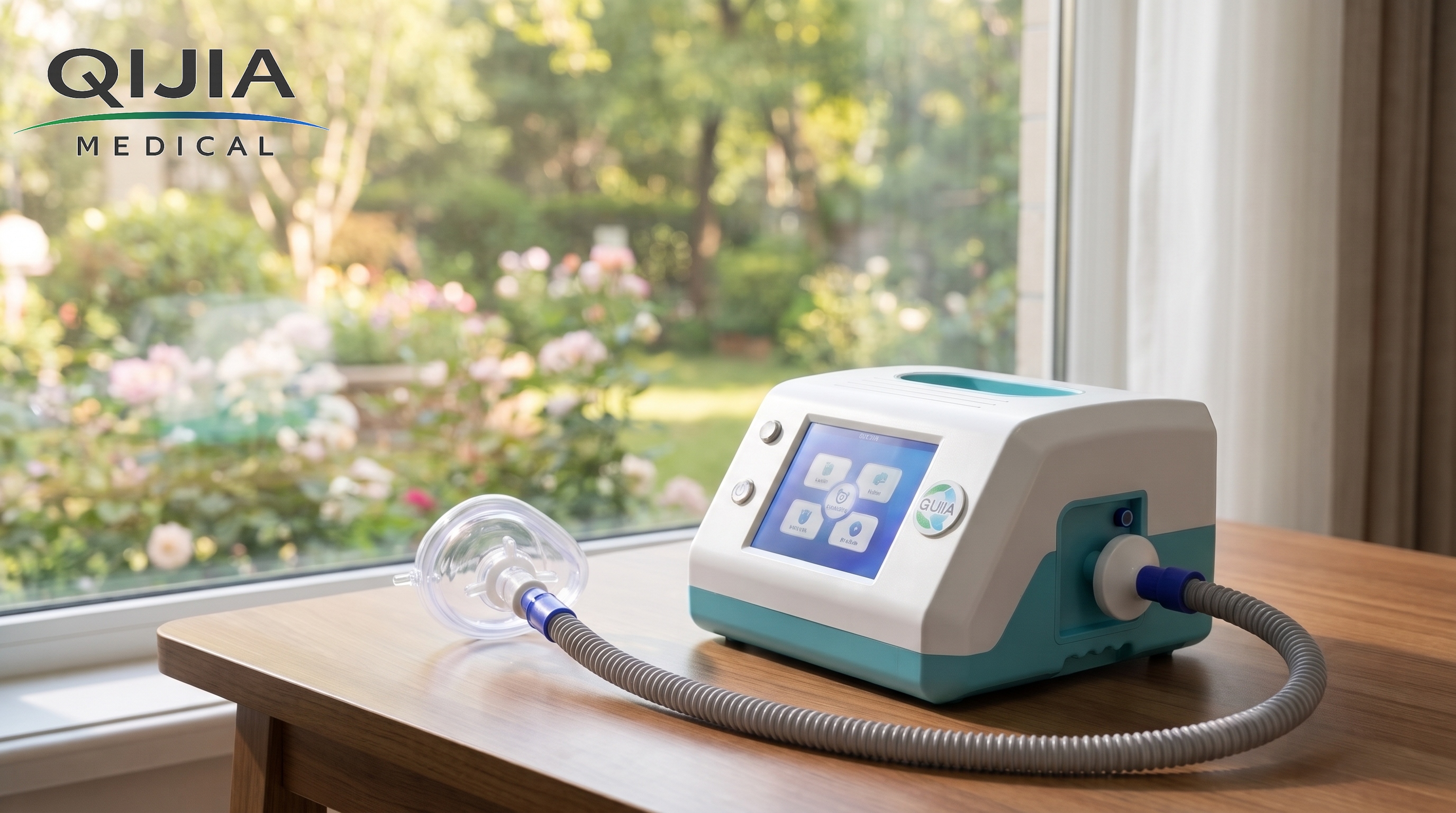
Yes. Selected patients with chronic neuromuscular conditions may use a Cough Assist Device in a homecare environment when prescribed and supported by an appropriate respiratory care plan. Patients and caregivers should receive professional training on operation, interface application, treatment settings, and safety monitoring.
8. Can a Cough Assist Device be used with a tracheostomy?
Mechanical insufflation-exsufflation can be delivered through an appropriately configured tracheostomy interface in selected patients. The connection, airway management procedure, and treatment settings should be determined by the treating respiratory team.
9. Does a Cough Assist Device replace conventional airway clearance techniques?
No. Mechanical cough assistance is one component of comprehensive airway clearance management. Depending on the patient's condition, other approaches such as manual assisted coughing, lung volume recruitment, secretion mobilization, and suctioning may also be required.
10. How can I learn more about QIJIA MEDICAL Cough Assist Devices and OEM/ODM cooperation?
You can visit the QIJIA MEDICAL Cough Assist Device product page to learn more about the equipment. For product inquiries, distribution opportunities, or OEM/ODM cooperation, please visit our company profile or contact page.