







Chronic Respiratory Diseases and Cough Assist Devices: Understanding Airway Clearance Challenges
Chronic respiratory diseases can place a continuous burden on the lungs and airways. For people living with conditions such as chronic obstructive pulmonary disease (COPD), bronchiectasis, cystic fibrosis (CF), and chronic bronchitis, persistent coughing, excessive mucus production, and recurring respiratory infections can significantly affect daily life.
However, there is an important distinction in respiratory care that is sometimes overlooked: producing mucus and clearing mucus are not the same thing.
Some patients produce excessive or unusually thick airway secretions but retain sufficient cough strength to remove them. Others may have difficulty generating an effective cough because of respiratory muscle weakness, severe illness, prolonged hospitalization, or an additional neurological or neuromuscular condition.
When cough effectiveness is significantly reduced, secretions may remain in the respiratory tract and contribute to airway obstruction, atelectasis, and respiratory complications. In appropriately selected patients, a Cough Assist Device, also known as a Mechanical Insufflation-Exsufflation (MI-E) device, may help support the coughing process and improve secretion clearance.
This article explores the relationship between chronic respiratory diseases, impaired airway clearance, and the potential role of mechanical cough assistance in professional respiratory care.
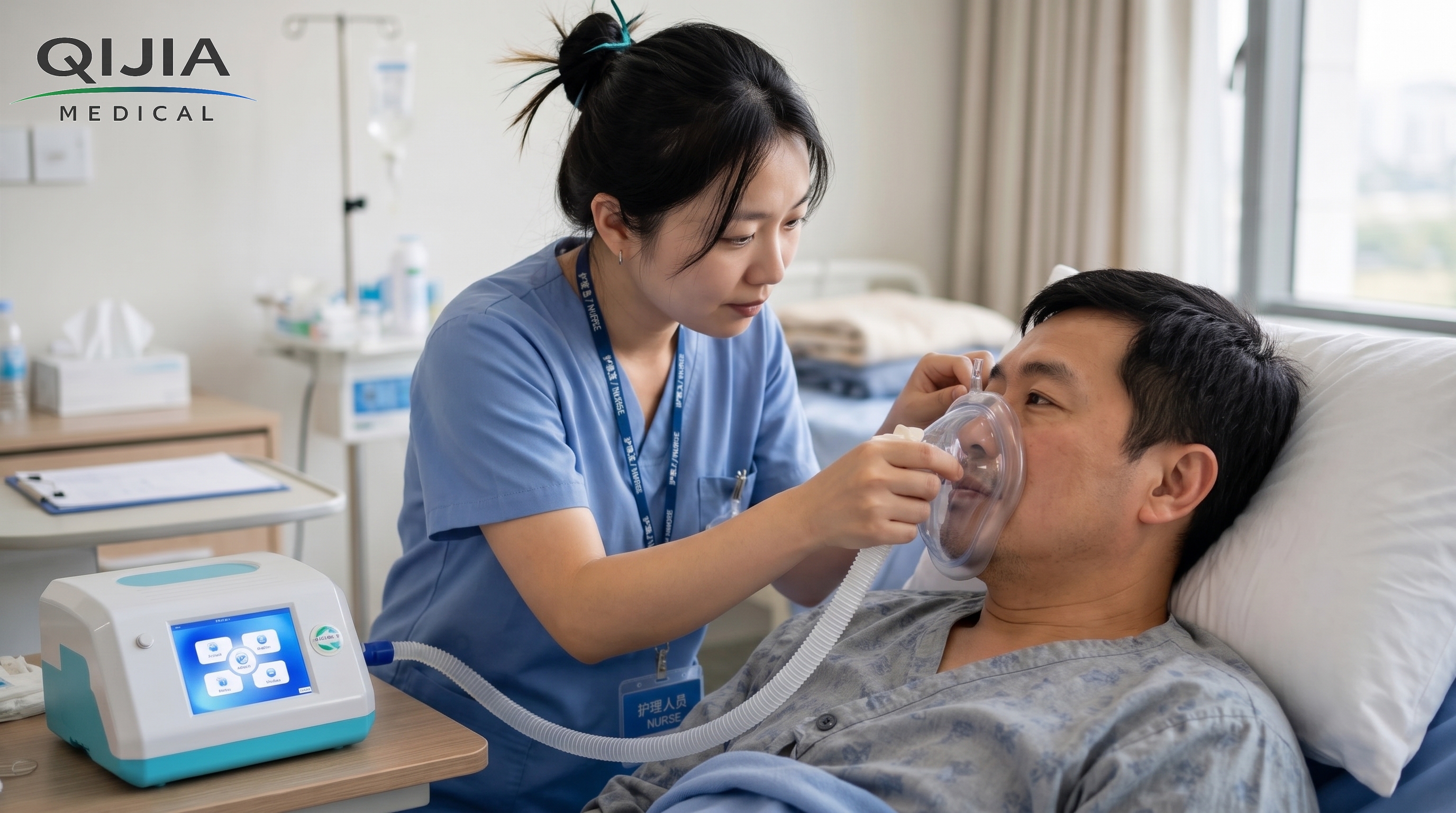
1. Why Chronic Respiratory Diseases Make Airway Clearance Difficult
The respiratory system has several natural defense mechanisms designed to keep the airways clear. One of the most important is the mucociliary clearance system, which uses mucus and tiny hair-like structures called cilia to transport inhaled particles and secretions toward the throat.
Coughing provides another important protective mechanism. When mucus accumulates or irritates the airways, an effective cough helps generate airflow to move secretions out of the respiratory tract.
Chronic respiratory diseases can interfere with these mechanisms in different ways:
Increased mucus production: Inflamed airways may produce excessive mucus, increasing the amount of material that needs to be cleared.
Changes in mucus properties: Secretions may become thicker or more difficult to transport.
Impaired mucociliary clearance: Damage or dysfunction of the airway lining can reduce the natural movement of mucus.
Airflow limitation: Narrowed or obstructed airways can make it more difficult to move air and clear secretions.
Reduced cough effectiveness: Respiratory muscle weakness, fatigue, or additional neurological conditions may limit the force of coughing.
These mechanisms can overlap, but they should not be treated as identical problems. A patient who produces excessive mucus may need techniques that mobilize secretions, while a patient with an ineffective cough may require additional assistance to expel them.
2. Chronic Obstructive Pulmonary Disease (COPD): When Breathing and Secretion Clearance Become More Difficult
Chronic obstructive pulmonary disease is a progressive respiratory condition commonly associated with persistent airflow limitation. It includes emphysema and chronic bronchitis, which can contribute to different patterns of respiratory impairment.
Many people with COPD experience breathlessness, chronic cough, increased mucus production, and episodes of acute exacerbation. During an exacerbation, airway inflammation and mucus production may increase, making breathing and secretion management more difficult.
The Hidden Challenge of Airway Secretion Retention
In chronic bronchitis, excessive mucus production is a prominent feature. Inflammation and structural changes in the airways can interfere with normal mucus transport.
When secretions are not cleared effectively, they may contribute to airway obstruction, ventilation problems, and worsening respiratory symptoms.
However, it is important to understand that many COPD patients have airflow obstruction rather than the specific expiratory muscle weakness that mechanical cough assistance is designed to address.
A Cough Assist Device is therefore not a routine treatment for COPD or ordinary chronic bronchitis. In patients with significant airflow obstruction, mechanical insufflation-exsufflation may be ineffective or potentially inappropriate. Any consideration of its use requires specialist assessment, particularly in patients with emphysema or other structural lung complications.
For COPD patients, airway clearance management is generally based on individualized respiratory physiotherapy, appropriate breathing techniques, prescribed medication, and other clinically indicated interventions.
3. Bronchiectasis: The Long-Term Consequences of Impaired Secretion Clearance
Bronchiectasis is a chronic respiratory condition characterized by permanent widening and structural damage of the bronchial airways. These changes can interfere with normal mucus clearance and contribute to persistent respiratory symptoms.
Patients commonly experience chronic productive cough, recurrent respiratory infections, sputum production, and varying degrees of breathlessness.
Why Mucus Retention Can Become a Repeating Problem
Damaged airways may have difficulty transporting mucus effectively. Retained secretions can encourage bacterial growth and contribute to ongoing airway inflammation.
This can create a cycle in which infection increases mucus production, mucus retention makes clearance more difficult, and persistent airway inflammation contributes to further respiratory problems.
Repeated exacerbations may lead to additional healthcare visits, hospitalization, reduced exercise tolerance, and a decline in quality of life.
Where Does a Cough Assist Device Fit?
Airway clearance is an important part of bronchiectasis management. The 2025 European Respiratory Society guideline recommends that adults with bronchiectasis should be taught appropriate airway clearance techniques by trained professionals.
Common approaches include active cycle of breathing techniques, huffing, positive expiratory pressure techniques, and selected airway clearance devices.
Mechanical cough assistance is a different intervention. It may be considered in selected patients who also have significantly impaired cough strength, such as those with coexisting respiratory muscle weakness or neurological disease. It is not a standard replacement for bronchiectasis airway clearance physiotherapy.
4. Cystic Fibrosis (CF): Thick Mucus and Persistent Airway Obstruction
Cystic fibrosis is an inherited disease caused by mutations in the CFTR gene. These mutations affect the movement of salt and water across cell membranes, resulting in abnormally thick and sticky secretions in several organs, particularly the lungs.
In the respiratory system, dehydrated airway surface liquid makes mucus more difficult to transport. Secretions can accumulate, obstruct airways, and contribute to persistent bacterial infections and chronic inflammation.
Why Regular Airway Clearance Matters
Airway clearance therapy is a fundamental part of long-term respiratory management for people with cystic fibrosis.
Depending on the patient's age, clinical condition, and treatment plan, techniques may include:
Chest physiotherapy and postural drainage.
Active cycle of breathing techniques.
Positive expiratory pressure and oscillating PEP devices.
Autogenic drainage and other breathing techniques.
Selected mechanical airway clearance methods.
Regular physical activity as an adjunct to airway clearance.
Mechanical Insufflation-Exsufflation should not be presented as a routine treatment for all cystic fibrosis patients. Its role is more limited and depends on whether the patient has an additional problem with ineffective cough or respiratory muscle weakness.
For patients who cannot generate sufficient expiratory airflow to clear secretions, the respiratory team may assess whether assisted coughing techniques are appropriate alongside their established cystic fibrosis treatment program.
5. When Does Chronic Respiratory Disease Lead to Ineffective Cough?
One of the most important factors in selecting an airway clearance approach is determining whether the patient can generate enough airflow to expel secretions.
Some people with chronic airway diseases retain a relatively effective cough despite producing large amounts of mucus. Others develop additional conditions that weaken respiratory muscle function or interfere with cough coordination.
Factors that may contribute to ineffective cough include:
Respiratory muscle weakness associated with an underlying neuromuscular condition.
Severe physical deconditioning and prolonged immobility.
Critical illness, prolonged intensive care treatment, or mechanical ventilation.
Neurological impairment affecting cough coordination.
Advanced illness accompanied by significant respiratory muscle fatigue.
Coexisting conditions that reduce the ability to generate an effective expiratory effort.
These factors can change the patient's airway clearance needs. For example, a person with bronchiectasis and an additional neuromuscular disorder may require a different approach from someone with bronchiectasis who has preserved cough strength.
Clinical assessment should therefore focus not only on the amount of mucus produced but also on the patient's ability to move and expel it.
6. The Potential Respiratory Consequences of Poor Secretion Clearance
When airway secretions remain in the lungs for extended periods, the consequences can extend beyond persistent coughing.
Airway Obstruction and Mucus Plugging
Thick or accumulated mucus can partially or completely block individual airways. This may reduce airflow to the affected lung regions and make breathing less efficient.
Atelectasis
Persistent airway obstruction can contribute to atelectasis, a condition in which part of the lung loses air volume or collapses. This can interfere with ventilation and may worsen respiratory function, particularly in patients with limited pulmonary reserve.
Recurrent Respiratory Infections
Impaired secretion clearance can contribute to an environment in which respiratory infections are more difficult to manage. Patients with bronchiectasis, cystic fibrosis, and other chronic airway conditions may already have an increased burden of airway inflammation and infection.
Respiratory Exacerbations and Hospitalization
When mucus retention, infection, and airway inflammation occur together, patients may experience worsening breathlessness, increased sputum production, and reduced physical activity.
Severe exacerbations can require emergency treatment or hospitalization. For patients with additional respiratory muscle weakness, the inability to clear secretions may further complicate recovery.
These complications are not inevitable, but they highlight the importance of identifying ineffective cough and addressing airway clearance problems as part of comprehensive respiratory care.
7. How a Cough Assist Device Works: Mechanical Insufflation-Exsufflation
A Cough Assist Device uses Mechanical Insufflation-Exsufflation (MI-E) technology to simulate the airflow pattern of a natural cough.
It is designed to assist patients who cannot generate sufficient cough airflow independently. The device uses controlled positive and negative airway pressure through an appropriate interface.
Phase 1: Positive Pressure During Inspiration
The device delivers positive pressure to help move air into the lungs. This inspiratory phase supports lung inflation and prepares the respiratory system for the subsequent expiratory phase.
Phase 2: Rapid Transition to Negative Pressure
The device rapidly switches from positive pressure to negative pressure. This produces assisted expiratory airflow intended to help move secretions from the lower airways toward the upper airway.
Phase 3: Assisted Secretion Removal
Once secretions reach the upper airway, they may be expelled through the mouth or removed using an appropriate clinical technique, depending on the patient's ability to manage them.
For patients with documented ineffective cough, this process can provide additional mechanical assistance when natural coughing is insufficient.
8. Cough Assist Device vs. Other Airway Clearance Equipment
Different respiratory devices address different stages of airway clearance. Understanding these differences helps healthcare providers select appropriate equipment for each patient's clinical needs.
Cough Assist Device (MI-E)
A Cough Assist Device supports the coughing process by delivering positive pressure followed by negative pressure. Its primary purpose is to help generate expiratory airflow when a patient's natural cough is ineffective.
High-Frequency Chest Wall Oscillation (HFCWO)
An HFCWO system uses an inflatable vest to deliver rapid chest wall compressions and oscillations. These vibrations help mobilize airway secretions so they can move toward larger airways.
Positive Expiratory Pressure (PEP) Devices
PEP devices create resistance during exhalation. They can help support airway clearance by influencing expiratory airflow and airway pressure during breathing exercises.
These technologies are not interchangeable. HFCWO and other airway clearance techniques primarily help mobilize secretions, while MI-E is designed to assist the cough and expiratory clearance process.
In selected patients, different techniques may be combined as part of a personalized airway clearance program. The choice should be guided by a respiratory specialist or trained physiotherapist.
9. QIJIA MEDICAL Cough Assist Device for Professional Respiratory Care
For healthcare providers managing patients with ineffective cough, appropriate respiratory equipment can play an important role in supporting daily airway clearance and long-term respiratory care.
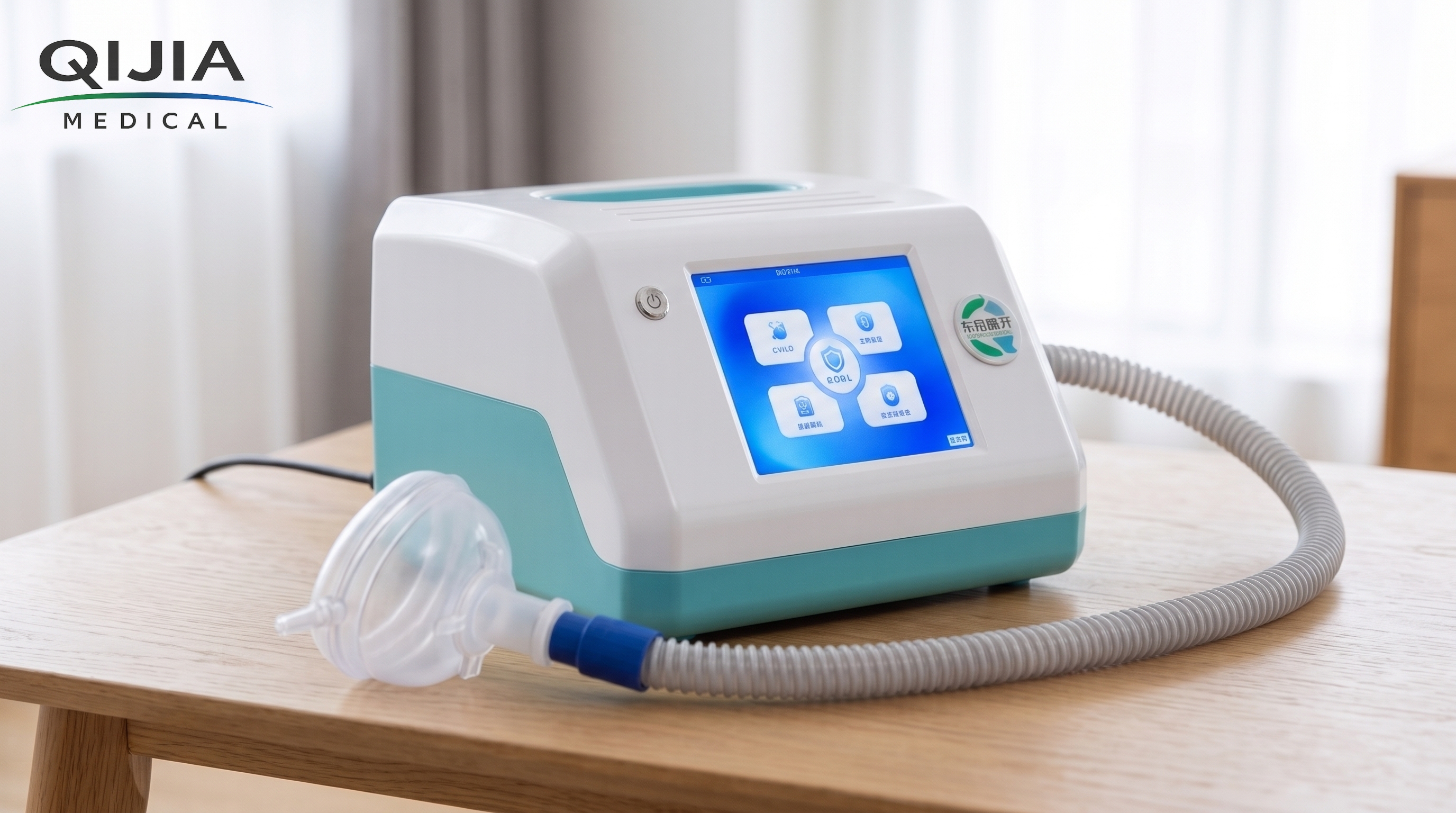
QIJIA MEDICAL provides Cough Assist Device solutions based on Mechanical Insufflation-Exsufflation technology, designed to assist patients who have difficulty generating an effective natural cough.
Product features include:
Adjustable inspiratory pressure: Allows healthcare professionals to configure the inspiratory phase according to prescribed treatment requirements.
Adjustable expiratory pressure: Supports the negative-pressure phase used to generate assisted expiratory airflow.
Adjustable treatment time: Provides flexibility when configuring the treatment process.
Mask interface: Supports non-invasive application when clinically appropriate.
Tracheostomy interface option: Provides an interface option for selected patients with a tracheostomy, subject to clinical assessment and compatibility.
The device is intended to support airway secretion clearance in appropriately selected patients. It does not treat the underlying cause of COPD, bronchiectasis, cystic fibrosis, or other chronic respiratory diseases.
Patient selection, interface choice, pressure settings, and treatment procedures should always be determined by qualified healthcare professionals. Particular caution is required in patients with significant airflow obstruction, bullous emphysema, a history of pneumothorax, or other relevant contraindications.
Learn more about the QIJIA MEDICAL Cough Assist Device and its product features.
10. Building an Individualized Airway Clearance Strategy
Chronic respiratory diseases often require long-term management rather than a single treatment. An effective airway clearance strategy should be based on the patient's diagnosis, respiratory function, secretion characteristics, cough effectiveness, and treatment tolerance.
A comprehensive management plan may include:
Regular assessment of respiratory symptoms and lung function.
Evaluation of cough strength and the ability to expectorate secretions.
Appropriate airway clearance techniques taught by trained professionals.
Management of airway inflammation and infection according to clinical guidelines.
Assessment of respiratory muscle weakness and coexisting neurological conditions.
Caregiver education and training when assisted airway clearance is required.
Periodic review of treatment effectiveness and equipment suitability.
For patients who use mechanical cough assistance, treatment should be introduced and monitored by an experienced clinical team. The goal is to support effective secretion clearance while considering patient comfort, airway function, and individual safety requirements.
11. Supporting Better Respiratory Care with QIJIA MEDICAL
Chronic respiratory diseases can affect airway function in different ways. Some patients struggle primarily with excessive mucus production, while others experience impaired mucus transport or ineffective coughing.
Understanding these differences is essential when choosing respiratory care equipment.
For appropriately selected patients who cannot generate sufficient cough airflow, Mechanical Insufflation-Exsufflation offers an additional method of supporting airway secretion clearance.
QIJIA MEDICAL focuses on medical equipment research, development, and manufacturing, providing respiratory care solutions for hospitals, rehabilitation centers, distributors, and homecare markets.
Learn more about our company, manufacturing capabilities, and OEM/ODM cooperation opportunities.
For product details, distributor inquiries, or potential business cooperation, please contact QIJIA MEDICAL.

Frequently Asked Questions (FAQ)
1. What is a Cough Assist Device used for?
A Cough Assist Device uses Mechanical Insufflation-Exsufflation technology to help simulate the natural coughing process. It is primarily used to assist patients who have an ineffective cough and difficulty clearing airway secretions.
2. Can a Cough Assist Device be used for COPD patients?
It is not a routine treatment for COPD. Significant airflow obstruction may make mechanical insufflation-exsufflation unsuitable or potentially harmful in some patients. Any possible use requires specialist assessment of respiratory function, airway mechanics, and contraindications.
3. Can patients with bronchiectasis benefit from a Cough Assist Device?
Airway clearance is an important part of bronchiectasis management. However, MI-E is not the standard first-line technique for every patient. It may be considered when a patient also has ineffective cough or respiratory muscle weakness, alongside an individualized airway clearance plan.
4. Is a Cough Assist Device a standard treatment for cystic fibrosis?
No. People with cystic fibrosis generally use individualized airway clearance techniques such as chest physiotherapy, PEP devices, breathing techniques, and other specialist-recommended approaches. MI-E may be considered in selected cases involving additional cough weakness, but it is not a routine treatment for all CF patients.
5. What is the difference between a Cough Assist Device and an airway clearance vest?
An airway clearance vest uses high-frequency chest wall oscillation to help mobilize secretions. A Cough Assist Device uses positive and negative airway pressure to assist cough airflow and secretion removal. The two technologies have different functions and may be combined when clinically appropriate.
6. Can a Cough Assist Device remove all mucus from the lungs?
No. It assists the movement of secretions toward the upper airway but does not guarantee complete mucus removal. Additional techniques, such as expectoration, suctioning, or respiratory physiotherapy, may be required depending on the patient's condition.
7. Why is ineffective coughing dangerous in chronic respiratory diseases?
When patients cannot clear secretions effectively, mucus may accumulate and contribute to airway obstruction, atelectasis, and respiratory infections. These complications can be especially concerning in people with limited respiratory reserve or additional respiratory muscle weakness.
8. Can a Cough Assist Device be used at home?
Home use may be appropriate for selected patients when prescribed as part of an individualized respiratory care plan. Patients and caregivers should receive professional training on device operation, interface use, treatment settings, and safety precautions.
9. Can a Cough Assist Device be used with a tracheostomy?
Mechanical cough assistance may be delivered through a compatible tracheostomy interface in selected patients. The interface and treatment settings must be determined by qualified healthcare professionals.
10. Does QIJIA MEDICAL provide OEM/ODM services for Cough Assist Devices?
QIJIA MEDICAL provides medical equipment manufacturing and OEM/ODM cooperation opportunities. Medical equipment distributors, healthcare suppliers, and institutional buyers are welcome to contact our team to discuss product information and potential cooperation.