







Mental Health Challenges: Depression, Anxiety and the Role of Transcranial Magnetic Stimulation (TMS)
Mental health is an essential part of overall well-being, yet it is often overlooked until emotional difficulties begin to interfere with everyday life. Persistent sadness, unexplained anxiety, emotional exhaustion, sleep disturbances, and difficulties concentrating are increasingly common experiences in modern society. While occasional stress and emotional fluctuations are normal, prolonged or worsening symptoms may indicate underlying mental health concerns that deserve professional attention.
Depression and anxiety are not simply temporary changes in mood. They can affect brain function, physical health, relationships, work performance, and the ability to maintain a normal daily routine. Understanding these conditions and the available treatment approaches is an important step toward improving mental health care. Among modern neuromodulation technologies, Transcranial Magnetic Stimulation (TMS) has become an important option for selected patients with certain mental health conditions.
1. The Growing Impact of Depression and Emotional Disorders
Emotional health problems can develop gradually. Some individuals initially experience reduced motivation, persistent fatigue, or difficulty enjoying activities they previously found meaningful. Others may struggle with excessive worry, irritability, restlessness, or an ongoing feeling of emotional pressure.
When these experiences become persistent, they may be associated with clinically significant mental health conditions.
Depression: More Than Feeling Sad
Depression is a common but potentially serious mental health condition. It can influence how individuals think, feel, behave, and respond to everyday situations. Common symptoms include:
Persistent sadness, emptiness, or hopelessness.
Loss of interest in previously enjoyable activities.
Changes in appetite and sleeping patterns.
Difficulty concentrating or making decisions.
Reduced energy and persistent fatigue.
Feelings of worthlessness, guilt, or helplessness.
Social withdrawal and reduced daily functioning.
When depression remains untreated, its effects may extend beyond emotional discomfort. Individuals can experience deteriorating relationships, reduced productivity, difficulties maintaining employment, and declining physical well-being. Severe depression may also involve thoughts of self-harm or suicide, making timely professional assessment particularly important.
Anxiety: When Persistent Worry Interferes With Daily Life
Occasional anxiety is a natural response to uncertainty or stressful situations. However, excessive and persistent anxiety can become difficult to control and may develop into an anxiety disorder.
People experiencing significant anxiety may report:
Constant worrying or excessive anticipation of negative events.
Restlessness and difficulty relaxing.
Muscle tension and physical discomfort.
Rapid heartbeat or a persistent feeling of nervousness.
Difficulty falling asleep or maintaining sleep.
Problems concentrating and maintaining attention.
Long-term anxiety can affect social interactions, professional performance, and personal relationships. In some individuals, anxiety and depression occur together, creating a more complicated clinical picture that requires comprehensive assessment and individualized treatment.
2. Why Persistent Mental Health Problems Should Not Be Ignored
One of the most challenging aspects of mental health conditions is that their early symptoms are frequently dismissed as ordinary stress, temporary exhaustion, or a difficult period in life.
For example, someone who consistently experiences poor sleep, reduced motivation, irritability, and difficulty concentrating may assume that these problems are simply caused by a demanding work schedule. However, when several symptoms persist and begin affecting everyday functioning, they may require professional evaluation.
The Connection Between Emotional Health and Physical Well-Being
Mental and physical health are closely interconnected. Persistent psychological distress can influence sleep patterns, appetite, energy levels, and the body's stress response. It may also make existing physical health problems more difficult to manage.
Sleep disturbances are particularly important. Individuals experiencing depression or anxiety may have difficulty falling asleep, wake frequently during the night, or feel exhausted even after spending sufficient time in bed. Poor sleep can subsequently affect emotional regulation, concentration, and daytime functioning, potentially creating a cycle that becomes increasingly difficult to break.
Recognizing When Professional Support Is Needed
Persistent emotional difficulties should not be treated as personal weaknesses or problems that individuals must overcome through willpower alone. A qualified healthcare professional can assess symptoms, identify possible underlying conditions, and recommend appropriate treatment.
Early assessment is especially important when symptoms become severe, interfere with daily responsibilities, or involve thoughts of self-harm. Anyone experiencing immediate suicidal intent or danger should seek emergency assistance rather than waiting for a routine appointment.
3. Understanding Transcranial Magnetic Stimulation (TMS)
As mental health care continues to develop, medical professionals are exploring treatment approaches that address specific brain circuits associated with emotional regulation and neurological function.
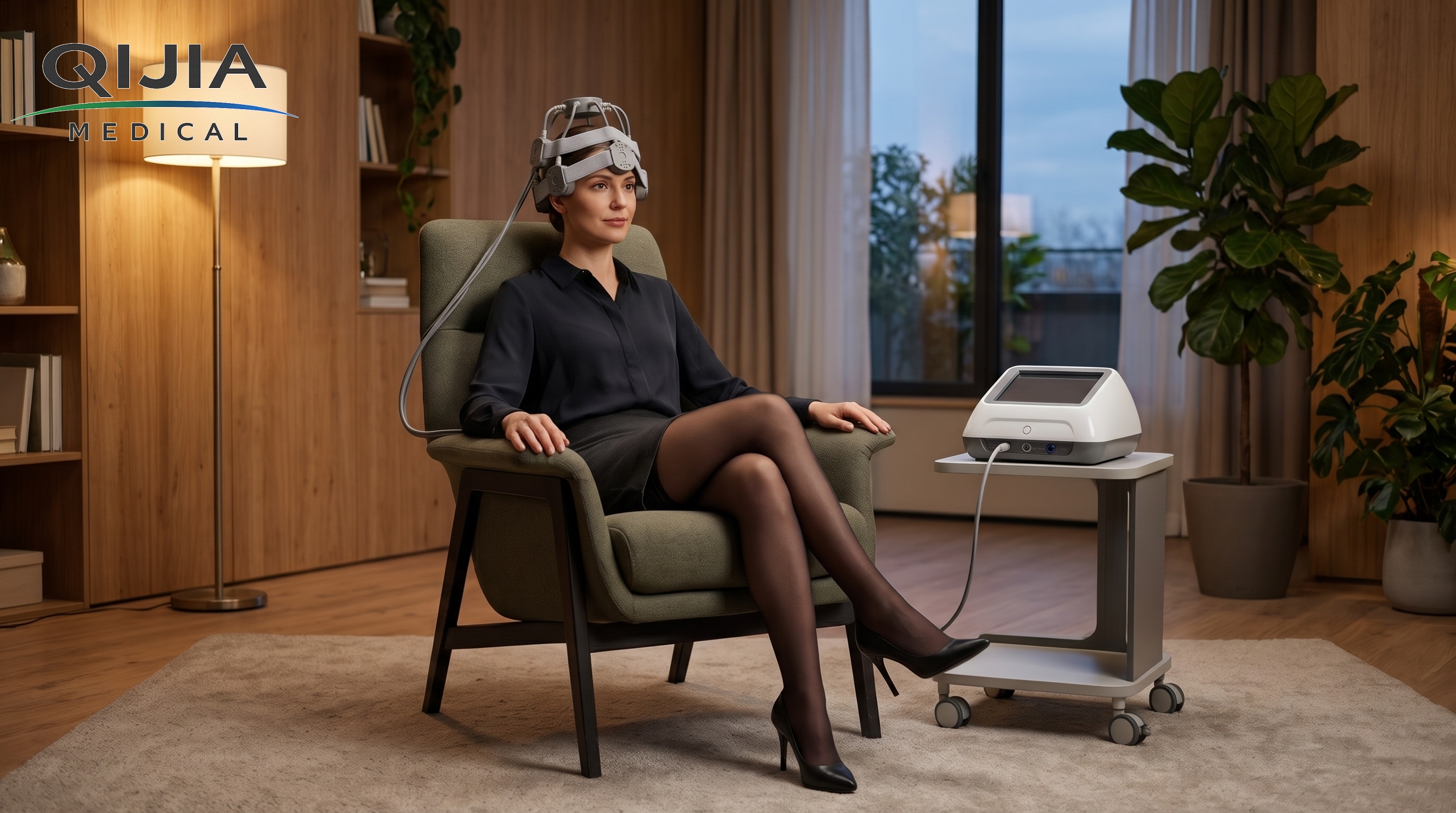
Transcranial Magnetic Stimulation (TMS) is a non-invasive neuromodulation technique that uses rapidly changing magnetic fields to stimulate targeted areas of the brain.
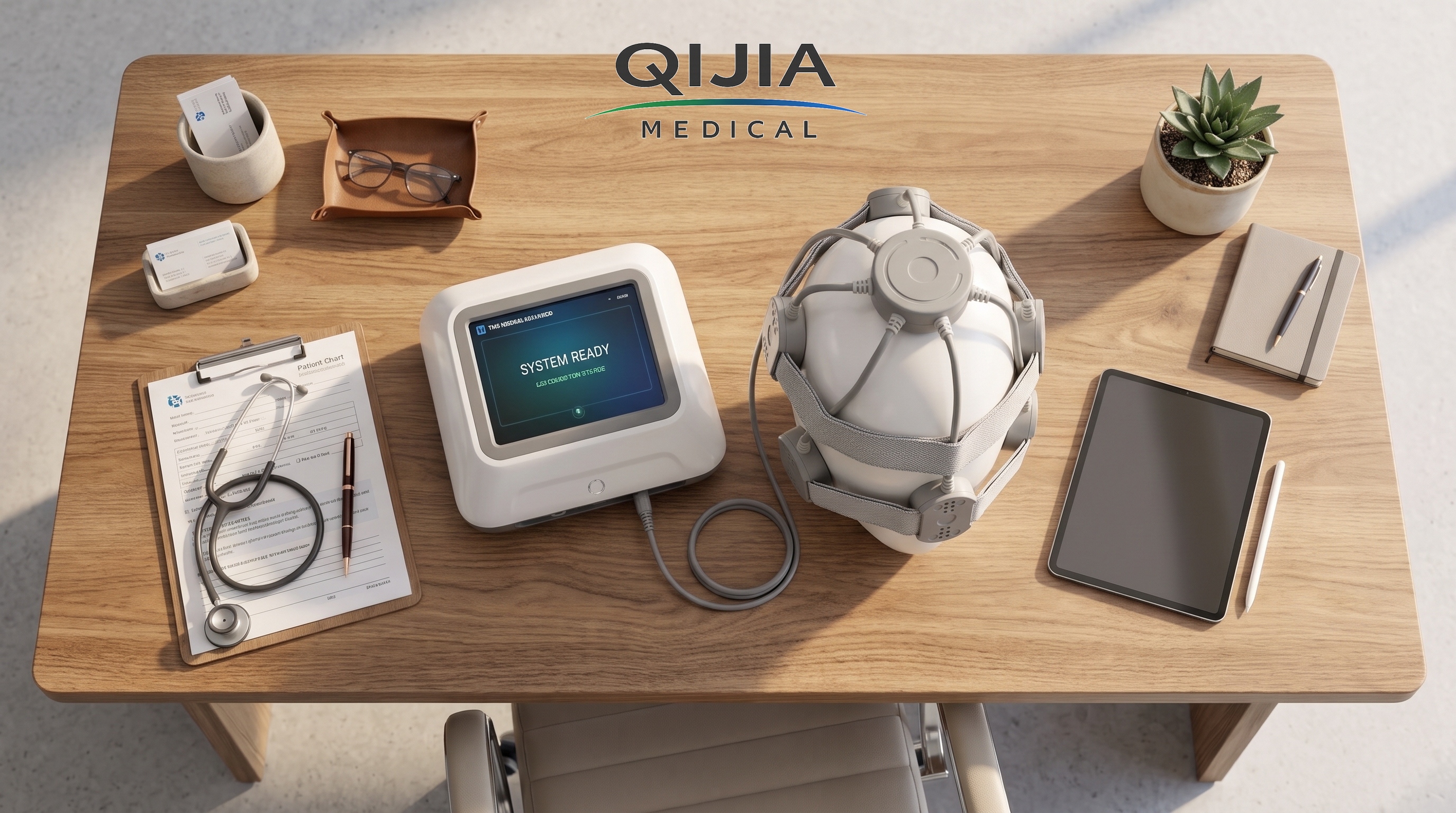
During treatment, an electromagnetic coil is positioned near the patient's scalp. Brief magnetic pulses pass through the skull and generate small electrical currents in the underlying brain tissue. These currents influence the activity of neurons and associated neural circuits.
Unlike conventional electroconvulsive therapy, TMS does not require general anesthesia or intentionally induce a generalized seizure. Treatment is generally performed in a clinical setting, with patients remaining awake throughout the procedure.
How TMS Relates to Depression Treatment
Research has identified differences in the activity and connectivity of certain brain networks in individuals with depression. These networks are involved in mood regulation, motivation, emotional processing, and cognitive function.
Repetitive Transcranial Magnetic Stimulation (rTMS) uses repeated magnetic pulses to influence selected cortical regions. Depending on the stimulation protocol, treatment can be designed to modify neural activity in targeted circuits associated with depressive symptoms.
Clinical evidence supports the use of specific rTMS protocols for major depressive disorder, particularly in selected patients who have not achieved satisfactory improvement with conventional antidepressant treatment or who cannot tolerate certain medications.
Research and regulatory clearances also support specific TMS applications for conditions such as obsessive-compulsive disorder. However, approved indications differ according to the device, stimulation protocol, patient population, and country.
4. TMS as Part of Modern Mental Health Treatment
One important development in modern mental health care is the growing recognition that different patients may respond differently to conventional treatment approaches.
Medication and psychotherapy remain important components of mental health management. However, some patients experience insufficient symptom improvement, medication-related side effects, or difficulties tolerating long-term pharmacological treatment.
For appropriately selected patients, TMS may provide an additional treatment option.
A Non-Invasive Neuromodulation Approach
TMS delivers magnetic stimulation without surgical intervention or implanted electrodes. This makes it a distinctive option within the broader field of brain stimulation technologies.
Its non-invasive nature, targeted stimulation approach, and ability to use different treatment protocols have contributed to growing clinical interest in TMS technology.
Individualized Stimulation Protocols
TMS treatment is not a universal procedure with identical settings for every patient. Stimulation frequency, intensity, treatment duration, target location, and session scheduling must be determined according to the specific protocol and clinical assessment.
Appropriate patient screening and professional supervision are essential. TMS should not be considered a replacement for comprehensive psychiatric care, psychotherapy, or other clinically indicated treatments.
5. QIJIA MEDICAL: Exploring Neuromodulation Technology
As demand for modern rehabilitation and neuromodulation technologies continues to develop, medical institutions are increasingly interested in equipment that supports different clinical and therapeutic applications.
QIJIA MEDICAL focuses on the research, development, manufacturing, and integration of medical equipment, providing solutions for healthcare institutions, rehabilitation facilities, and international medical equipment distributors.
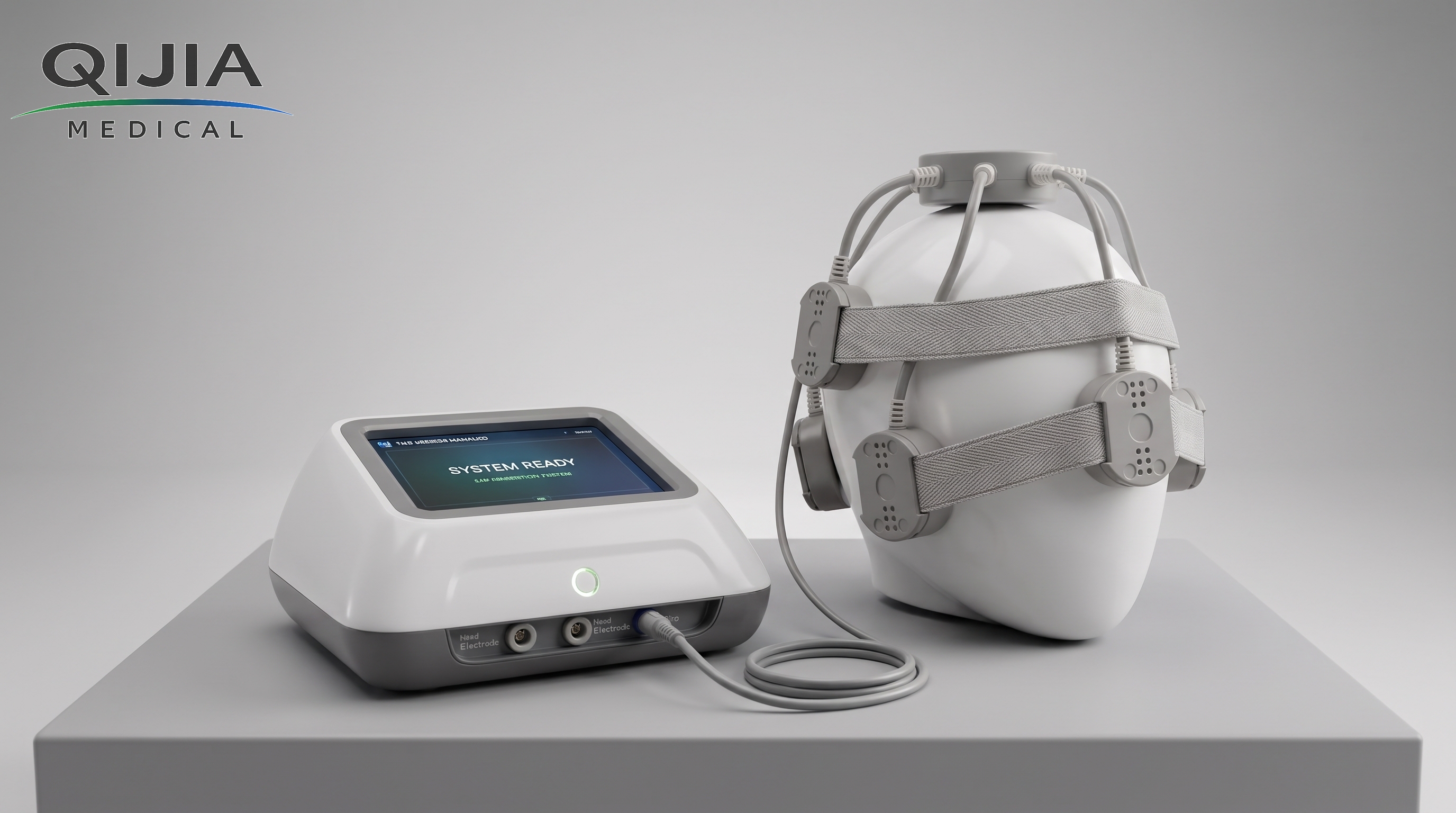
Our Transcranial Magnetic Stimulation (TMS) equipment is designed around a multifunctional approach that integrates three different physical stimulation features:
Magnetic Stimulation: Uses magnetic fields as the primary stimulation mechanism of TMS technology, supporting targeted neuromodulation applications according to the device's specifications and treatment protocols.
Electrical Stimulation: Provides an additional electrical stimulation function through the device's designated stimulation system.
Vibration Massage: Integrates a vibration massage function as an additional physical stimulation feature.
These functions represent different stimulation technologies and should not be confused with one another. Their intended applications, operating parameters, and clinical use must follow the equipment's technical documentation and applicable regulatory requirements.
By integrating multiple functions into one equipment platform, QIJIA MEDICAL aims to provide healthcare professionals and medical equipment distributors with additional flexibility when evaluating modern rehabilitation and neuromodulation solutions.
To explore the equipment's specifications, functions, and product details, visit our Transcranial Magnetic Stimulation (TMS) Product Page.
6. Choosing a Reliable Medical Equipment Manufacturing Partner
For hospitals, rehabilitation centers, medical distributors, and healthcare businesses, selecting a medical equipment supplier involves more than comparing product specifications and prices.
Manufacturing capabilities, quality management, technical support, product consistency, and long-term cooperation are all important considerations.
QIJIA MEDICAL combines medical equipment research and development with manufacturing and product integration. We also provide OEM and ODM cooperation opportunities for qualified international partners seeking medical equipment solutions that meet their market requirements.
Our team works with international customers to explore product configurations, branding requirements, and cooperation possibilities based on individual business needs.
Learn more about our company, manufacturing capabilities, and OEM/ODM services on our About QIJIA MEDICAL page.
For product inquiries, technical information, or potential distribution partnerships, please visit our Contact Us page. Our team will be glad to discuss your requirements.
Frequently Asked Questions (FAQ)
1. What mental health conditions are associated with TMS treatment?
Specific TMS protocols have established clinical applications for major depressive disorder and obsessive-compulsive disorder. Other applications, including certain anxiety-related conditions and additional psychiatric disorders, are being investigated. The suitability of treatment depends on the device, protocol, patient assessment, and applicable regulatory authorization.
2. Can TMS help people with depression who do not respond to medication?
Yes. Specific rTMS protocols are clinically used for selected patients with major depressive disorder who have not achieved sufficient improvement with antidepressant medication or who cannot tolerate certain medications. A qualified healthcare professional must determine whether TMS is appropriate.
3. Is TMS a treatment for everyday stress or occasional anxiety?
TMS should not be promoted as a general treatment for ordinary stress, temporary emotional fluctuations, or occasional anxiety. Persistent symptoms may require professional assessment to determine whether an underlying mental health condition is present.
4. Is TMS a non-invasive treatment?
Yes. TMS is a non-invasive brain stimulation technique. It delivers magnetic pulses through an electromagnetic coil positioned near the scalp without requiring surgery or implanted electrodes.
5. Does TMS have potential side effects?
Common side effects may include temporary scalp discomfort, headache, or facial muscle twitching during stimulation. Seizures are a rare but serious potential complication. Patients require appropriate screening, particularly those with a seizure history or certain implanted metallic or electronic devices.
6. Can TMS replace antidepressants or psychotherapy?
No. TMS should be considered as one treatment option within a comprehensive mental healthcare plan. Decisions about medication, psychotherapy, and brain stimulation should be made by qualified healthcare professionals based on individual clinical needs.
7. Does QIJIA MEDICAL provide OEM and ODM services for TMS equipment?
QIJIA MEDICAL provides OEM/ODM cooperation opportunities for international medical equipment partners. Interested distributors and healthcare businesses can contact our team to discuss product specifications, customization requirements, and potential cooperation.
Conclusion
Mental health conditions can affect far more than emotional well-being. Their impact may extend into sleep, physical health, cognitive performance, professional life, and personal relationships. Recognizing persistent symptoms and seeking appropriate professional care are essential steps toward better mental health outcomes.
As neuromodulation technology continues to advance, Transcranial Magnetic Stimulation represents an important development in modern brain stimulation and selected mental health treatment applications.
Through continued investment in medical equipment research, development, and manufacturing, QIJIA MEDICAL aims to contribute to the evolving healthcare equipment industry while supporting medical institutions and international partners with innovative equipment solutions.