







Chronic Pain Management: Understanding Migraine, Neuropathic Pain and the Role of TMS Technology
Pain is one of the body's most important warning signals. It tells us that something may be wrong and encourages us to protect injured or affected areas. However, when pain becomes persistent, recurrent, or difficult to control, it can develop into a serious health concern that affects far more than physical comfort.
Millions of people experience chronic pain, recurring headaches, migraine attacks, and nerve-related discomfort. For some, pain interferes with sleep, concentration, mobility, and professional activities. Others experience emotional exhaustion, social isolation, and a gradual decline in quality of life.
Although pain medication and conventional medical treatments remain important, some patients continue to experience symptoms despite receiving treatment. This has encouraged growing interest in neuromodulation technologies, including Transcranial Magnetic Stimulation (TMS), as an additional area of clinical research and potential therapeutic application.

1. Chronic Pain: When a Warning Signal Becomes a Long-Term Problem
Acute pain usually occurs in response to an injury, inflammation, or another immediate health problem. It often improves as the underlying cause heals. Chronic pain is different. It generally refers to pain that persists or recurs for longer than three months, sometimes continuing even after the original injury has healed.
Persistent pain can involve complex interactions between the nervous system, the brain, and the body's sensory pathways. In some cases, changes in pain processing can cause the nervous system to become unusually sensitive to stimulation.
Chronic pain should not be dismissed as a minor inconvenience. Its long-term consequences may include:
Persistent sleep disturbances and daytime exhaustion.
Reduced mobility and difficulty performing everyday activities.
Problems with concentration, memory, and productivity.
Emotional distress, anxiety, and depressive symptoms.
Reduced participation in social and family activities.
Increased dependence on medication or assistance from caregivers.
One particularly challenging aspect is the relationship between pain and sleep. Persistent discomfort may prevent patients from falling asleep or cause repeated nighttime awakenings. Poor sleep can subsequently increase pain sensitivity and reduce the ability to cope with discomfort, creating a cycle that becomes difficult to manage.
2. Common Pain Conditions That Deserve Medical Attention
Migraine: More Than an Ordinary Headache
Migraine is a neurological disorder characterized by recurrent headache attacks and other possible neurological symptoms. It is not simply an ordinary headache caused by tiredness or temporary stress.
Depending on the individual, migraine attacks may involve:
Moderate to severe throbbing or pulsating head pain.
Pain that frequently affects one side of the head.
Nausea and sometimes vomiting.
Sensitivity to light, sound, or certain smells.
Visual disturbances or other aura symptoms in some patients.
Difficulty concentrating and performing normal activities.
For people experiencing frequent migraine attacks, the consequences can extend well beyond the duration of a headache. Repeated episodes may result in missed workdays, reduced productivity, disrupted family activities, and significant emotional stress.
Chronic migraine is particularly challenging. It is generally defined as headache occurring on at least 15 days per month for more than three months, with migraine features on at least eight days per month.
Patients experiencing frequent or increasingly severe headaches should seek professional assessment rather than relying exclusively on repeated self-medication.
Neuropathic Pain: When the Nervous System Becomes Part of the Problem
Neuropathic pain develops as a result of damage or disease affecting the somatosensory nervous system. Unlike pain caused directly by a temporary injury, nerve-related pain may persist because the sensory pathways themselves have become impaired.
Common symptoms include:
Burning or electric shock-like sensations.
Persistent tingling or abnormal sensations.
Sharp, shooting, or stabbing pain.
Unusual sensitivity to touch or temperature.
Pain that occurs without an obvious external trigger.
Conditions associated with neuropathic pain include diabetic peripheral neuropathy, postherpetic neuralgia, certain nerve injuries, and some forms of central neuropathic pain following neurological damage.
Because symptoms may be persistent and difficult to control, neuropathic pain can significantly affect mobility, sleep, emotional health, and everyday independence.
Chronic Musculoskeletal Pain and Persistent Discomfort
Chronic back pain, neck pain, and other musculoskeletal conditions are also common reasons for long-term discomfort and reduced physical function.
Patients may experience restricted movement, muscle guarding, reduced physical activity, and difficulties maintaining normal working routines. In some cases, persistent pain can lead to reduced conditioning and increased functional limitations.
Not every chronic musculoskeletal condition is caused by abnormal brain activity, and treatment must address the underlying diagnosis. However, the central nervous system plays an important role in how pain signals are processed and perceived.
3. Why Long-Term Pain Should Never Be Ignored
Many people become accustomed to living with recurring pain. They may postpone medical consultations, increase their use of over-the-counter painkillers, or assume that discomfort is simply part of aging or a demanding lifestyle.
This approach can delay the identification of underlying medical conditions and make effective pain management more difficult.
The Risk of Medication Overuse
Repeated use of certain headache medications can contribute to medication-overuse headache. This condition may develop when acute headache medicines are used too frequently, potentially creating a cycle of recurrent headaches and further medication use.
Long-term use of some pain medications may also involve risks such as gastrointestinal complications, kidney problems, cardiovascular effects, or dependence, depending on the medication and individual health condition.
Patients should follow professional medical advice regarding medication selection, dosage, and frequency rather than increasing doses independently.
The Impact on Mental and Physical Health
Chronic pain and mental health are closely connected. Continuous discomfort may contribute to irritability, emotional exhaustion, anxiety, and depressive symptoms. At the same time, psychological distress and sleep deprivation can influence how the nervous system processes pain.
This does not mean that chronic pain is imaginary or simply psychological. Pain is a complex biological experience involving sensory, neurological, and emotional processes.
A comprehensive treatment plan should therefore consider the physical condition, neurological mechanisms, sleep quality, emotional well-being, and functional needs of each patient.
When Should Patients Seek Urgent Medical Attention?
Some headache and pain symptoms require immediate medical evaluation. A sudden, extremely severe headache, new weakness or numbness on one side of the body, sudden speech or vision problems, confusion, seizures, or a severe headache accompanied by fever and neck stiffness should never be treated as an ordinary headache.
These symptoms may indicate a medical emergency, including stroke, bleeding, infection, or another serious neurological condition. Immediate emergency assessment is essential.
4. Understanding TMS: A Non-Invasive Neuromodulation Technology
Transcranial Magnetic Stimulation (TMS) is a non-invasive brain stimulation technique that uses rapidly changing magnetic fields to influence the activity of targeted cortical regions.
During stimulation, an electromagnetic coil is positioned near the scalp. The changing magnetic field passes through the skull and induces small electrical currents in the underlying brain tissue, influencing neuronal activity.
Repeated Transcranial Magnetic Stimulation (rTMS) delivers multiple magnetic pulses according to a predefined stimulation protocol. Different frequencies, intensities, coil positions, and treatment schedules can produce different effects on cortical excitability and neural networks.
How Is TMS Related to Pain Processing?
Pain is not controlled by a single location in the brain. It involves communication between multiple neural networks responsible for sensory processing, attention, emotional responses, and the regulation of pain signals.
The primary motor cortex and other cortical regions have attracted particular research interest in neuromodulation for chronic pain.
Researchers have investigated whether repeated magnetic stimulation can influence descending pain-control pathways, cortical excitability, and neural network activity. These mechanisms may help explain why certain TMS protocols have shown potential in selected chronic pain studies.
However, pain conditions are highly diverse. The mechanisms involved in migraine are not identical to those associated with diabetic neuropathy or chronic musculoskeletal pain. Consequently, one stimulation protocol cannot be assumed to work equally well for every type of pain.
5. Exploring TMS Applications in Pain Management
TMS and Migraine Research
Transcranial Magnetic Stimulation has been investigated as a non-invasive neuromodulation approach for migraine, particularly through specific single-pulse TMS protocols.
Clinical research has explored the use of single-pulse TMS during migraine attacks with aura, with some studies reporting improved short-term pain-free outcomes compared with sham stimulation.
However, the evidence and regulatory status depend on the exact technology and device. Specific single-pulse TMS devices have received regulatory clearance for defined migraine indications in certain markets. This should not be interpreted as approval of every conventional rTMS system for migraine treatment.
TMS and Neuropathic Pain
Repetitive TMS has also been studied in patients experiencing neuropathic pain, including certain forms of central pain and peripheral nerve-related discomfort.
Some clinical studies have reported reductions in pain intensity following specific stimulation protocols, particularly when targeting motor-related cortical regions.
Nevertheless, results remain variable. Differences in pain mechanisms, treatment targets, stimulation parameters, and study design make it difficult to establish a universal treatment recommendation.
Further high-quality research is necessary to determine which patient populations may benefit most and how long any improvement may last.
TMS and Other Chronic Pain Conditions
Researchers have also investigated TMS in conditions such as fibromyalgia and other persistent pain syndromes.
These conditions can involve widespread discomfort, fatigue, sleep disturbances, and changes in pain sensitivity. Because their underlying mechanisms are complex, treatment often requires a multidisciplinary approach.
TMS may represent an area of complementary research, but it should not be promoted as an established treatment for every chronic pain condition.
6. QIJIA MEDICAL: Multifunctional TMS Equipment for Healthcare Applications
As neuromodulation technology continues to develop, healthcare providers and medical equipment distributors are paying increasing attention to equipment functionality, manufacturing quality, and the flexibility of medical technology solutions.
QIJIA MEDICAL focuses on medical equipment research, development, manufacturing, and product integration, providing solutions for healthcare institutions, rehabilitation facilities, and international business partners.
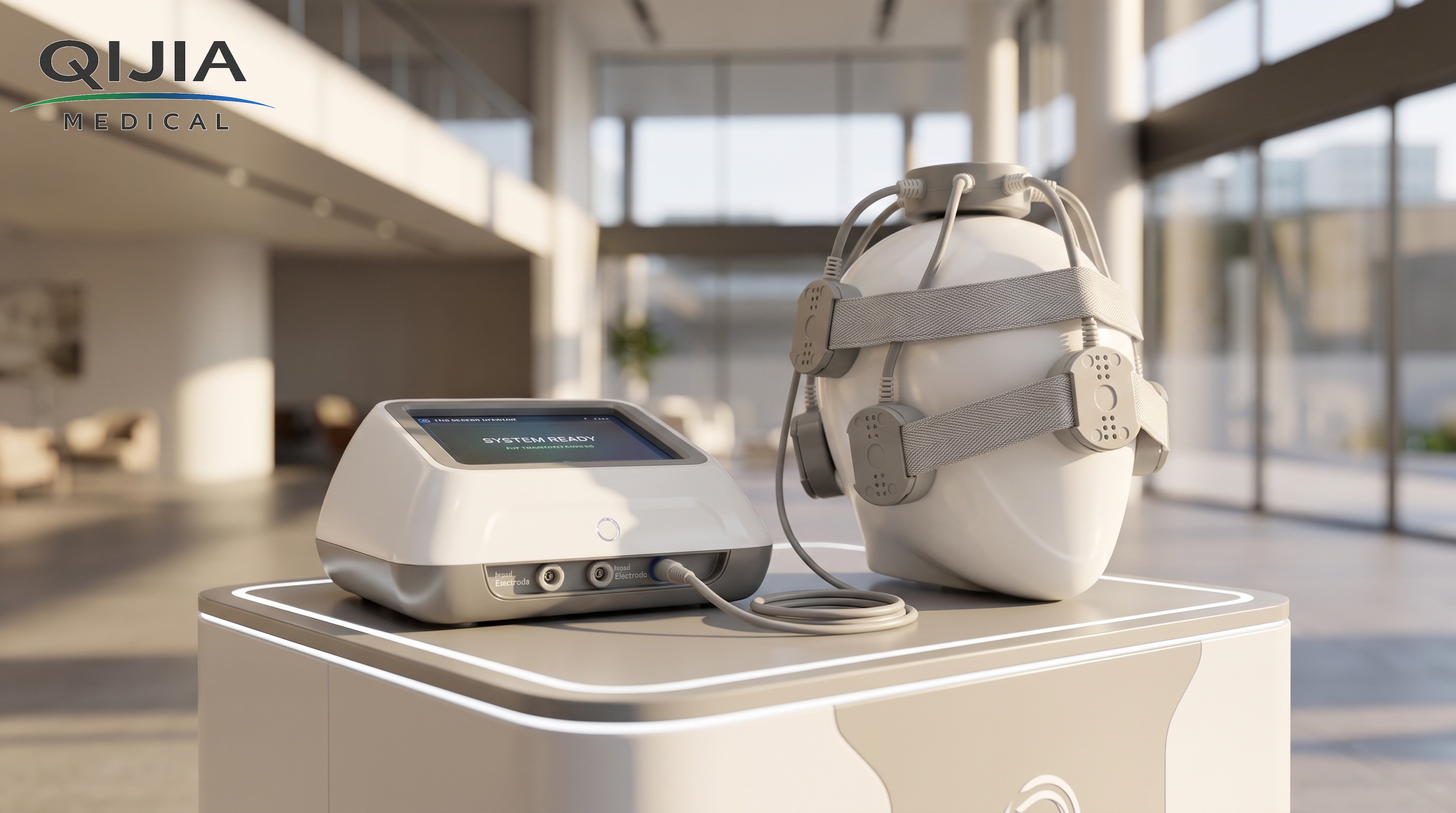
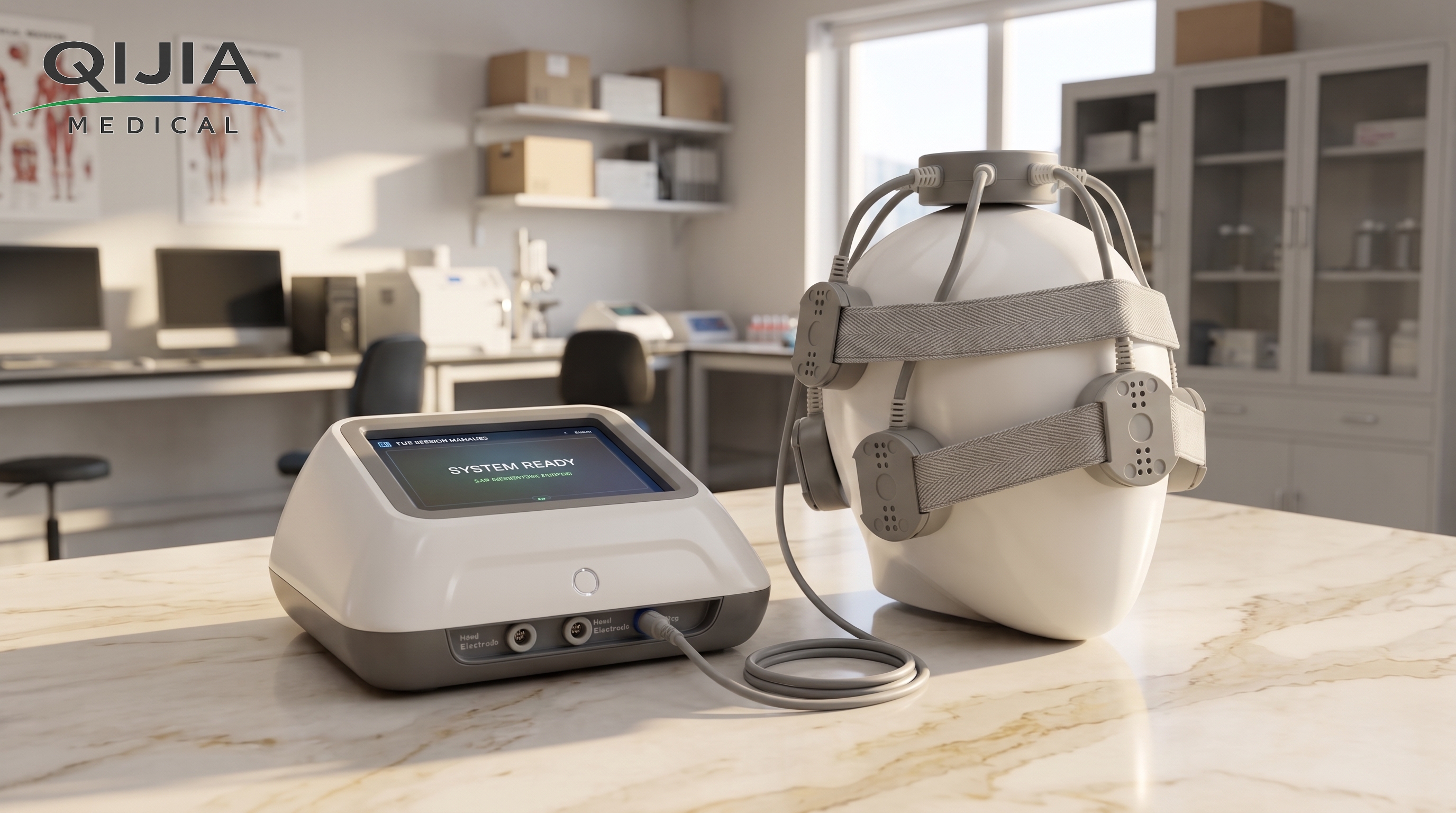
Our Transcranial Magnetic Stimulation (TMS) equipment integrates three different physical stimulation features:
Magnetic Stimulation: Uses magnetic pulses as the primary stimulation mechanism of TMS technology, supporting neuromodulation applications according to the device's specifications and authorized treatment protocols.
Electrical Stimulation: Provides an additional electrical stimulation function through its designated stimulation system.
Vibration Massage: Integrates a vibration massage function as an additional physical stimulation feature.
These three functions involve different stimulation mechanisms and should not be regarded as interchangeable treatments. Their intended applications, technical parameters, and clinical suitability must be evaluated separately.
For healthcare providers exploring neuromodulation equipment, understanding the differences between magnetic stimulation, electrical stimulation, and vibration functions is important when selecting appropriate equipment for their intended applications.
To explore the equipment's functions, specifications, and product information, visit our Transcranial Magnetic Stimulation (TMS) Product Page.
7. Partnering With a Medical Equipment Manufacturer
Choosing medical equipment involves more than comparing product prices and technical features. Manufacturing capabilities, quality management, product consistency, technical documentation, and long-term cooperation are all important considerations.
QIJIA MEDICAL combines research and development with manufacturing and product integration. We provide OEM and ODM cooperation opportunities for international medical equipment distributors, healthcare businesses, and qualified partners.
Whether you are expanding a rehabilitation equipment portfolio, developing a medical distribution business, or exploring new healthcare technology opportunities, our team can discuss potential product configurations and cooperation requirements.
Learn more about our company, manufacturing capabilities, and OEM/ODM services through our About QIJIA MEDICAL page.
For product information, technical specifications, or potential distribution partnerships, please visit our Contact Us page. We welcome inquiries from medical institutions, healthcare professionals, and international business partners.
Frequently Asked Questions (FAQ)
1. What types of pain have been studied in relation to TMS?
TMS has been investigated in migraine, neuropathic pain, fibromyalgia, and certain chronic pain conditions. The strength of clinical evidence varies by condition, stimulation method, and treatment protocol. Not every application is an established clinical indication.
2. Can TMS help with migraine?
Specific single-pulse TMS protocols have been studied for migraine, particularly migraine with aura, and certain devices have received regulatory clearance for defined migraine applications. However, these findings cannot automatically be applied to every TMS or rTMS device.
3. Can TMS treat chronic nerve pain?
Research suggests that certain rTMS protocols may help reduce neuropathic pain in selected patients. However, clinical results are inconsistent, and treatment suitability should be determined by qualified healthcare professionals.
4. Is TMS a non-invasive pain management technology?
Yes. TMS delivers magnetic pulses through an electromagnetic coil positioned near the scalp without requiring surgery or implanted electrodes. Its potential role in pain management depends on the specific condition and stimulation protocol.
5. Does TMS have side effects?
Common side effects may include temporary headache, scalp discomfort, facial muscle twitching, or light-headedness. Seizures are a rare but serious potential complication of TMS. Appropriate patient screening, hearing protection, and professional supervision are essential.
6. Can TMS replace conventional pain medication?
No. TMS should not be considered a universal replacement for pain medication, physical rehabilitation, or other established treatments. Any changes to an existing treatment plan should be discussed with a qualified healthcare professional.
7. Does QIJIA MEDICAL provide OEM and ODM services for TMS equipment?
Yes. QIJIA MEDICAL provides OEM and ODM cooperation opportunities for international medical equipment distributors and business partners. Interested customers can contact our team to discuss product specifications, customization requirements, and potential cooperation.
Conclusion
Chronic pain is more than a physical discomfort. It can affect sleep, concentration, mobility, emotional well-being, and the ability to maintain an independent lifestyle. Migraine, neuropathic pain, and other persistent pain conditions deserve proper medical assessment and individualized management.
As neuroscience advances, Transcranial Magnetic Stimulation continues to attract research interest as a non-invasive neuromodulation approach for selected pain conditions. Although further clinical evidence is needed across many applications, TMS represents an important area of ongoing development in modern healthcare technology.
QIJIA MEDICAL remains committed to medical equipment innovation, research, and manufacturing, providing multifunctional equipment solutions and OEM/ODM cooperation opportunities for healthcare institutions and international partners.