







Late-Life Treatment-Resistant Depression: Understanding the Challenges and Exploring TMS as an Alternative Treatment Option
Introduction: When Depression Persists Despite Treatment
Depression in older adults is often more complicated than it appears. While occasional sadness or emotional changes may be associated with aging, persistent depression is a serious medical condition that can affect physical health, cognitive function, social relationships, and the ability to live independently. For some older adults, conventional antidepressant treatment provides meaningful relief. However, others continue to experience significant symptoms despite trying multiple medications. This condition is commonly described as treatment-resistant depression (TRD). When an older patient does not respond adequately to initial treatment, clinicians may consider increasing the dosage, switching medications, or adding another antidepressant or an augmentation medication. Yet repeated medication adjustments can create additional challenges, particularly in patients who already manage several chronic conditions or take multiple prescription drugs. This raises an important clinical question: Are medication changes always the next step for older adults with persistent depression? Transcranial Magnetic Stimulation (TMS), particularly repetitive Transcranial Magnetic Stimulation (rTMS), has attracted increasing attention as a non-invasive neuromodulation approach. It offers another treatment pathway that may be considered for appropriately selected patients when conventional approaches have not produced sufficient improvement.1. Why Depression in Older Adults Should Never Be Overlooked
Late-life depression is not simply a normal consequence of aging. It can develop alongside cardiovascular disease, diabetes, neurological conditions, chronic pain, sleep disorders, and other health problems. Its symptoms may also be mistaken for ordinary aging or physical illness. Some older adults do not describe themselves as feeling sad. Instead, they may report persistent fatigue, poor sleep, reduced appetite, difficulty concentrating, or a loss of interest in everyday activities. Recognizing these symptoms early is important because untreated depression can progressively affect several areas of life.
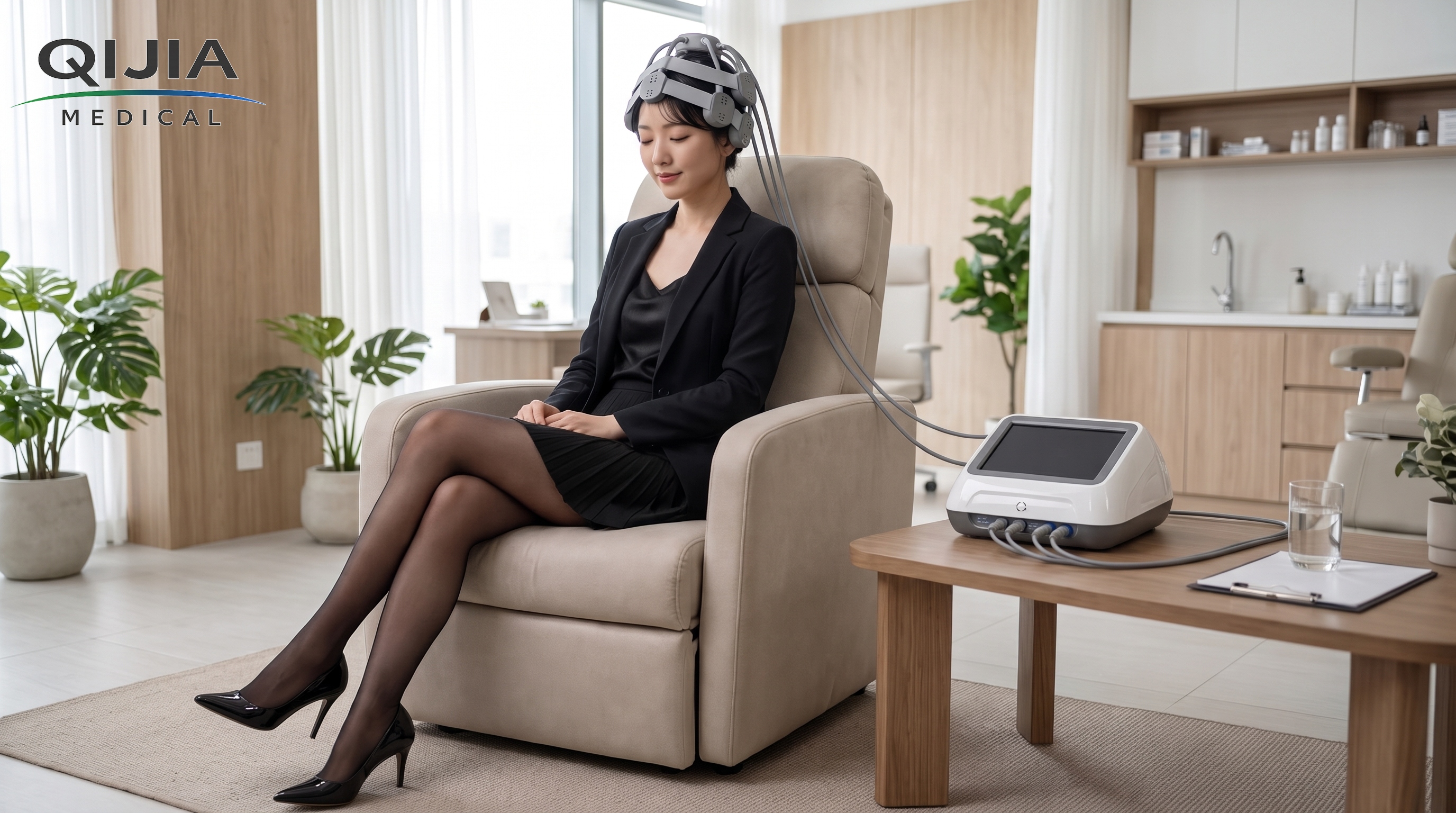
1.1 Declining Cognitive Function and Daily Independence
Depression can affect attention, memory, decision-making, and executive functioning. An older person may begin having difficulty following conversations, remembering appointments, organizing daily activities, or making routine decisions. These problems can reduce confidence and make independent living more difficult. In some cases, depressive symptoms may overlap with cognitive impairment or dementia, making professional assessment especially important. It is important not to assume that every memory problem in an older adult is caused by depression. A comprehensive evaluation can help distinguish depression-related cognitive symptoms from neurological disorders and other medical conditions.1.2 Physical Health and Functional Decline
Depression can influence sleep, appetite, motivation, and physical activity. Some patients become increasingly inactive, withdraw from social activities, or struggle to maintain regular healthcare routines. For older adults already living with chronic illness, these changes may make disease management more difficult. Reduced activity and social isolation can further weaken physical and emotional well-being. The relationship between depression and physical health is complex. Depression may coexist with medical illness, while the burden of chronic disease can also contribute to depressive symptoms.1.3 Social Isolation and Suicide Risk
Older adults experiencing persistent depression may gradually lose interest in family interactions, friendships, hobbies, and community activities. Social withdrawal can reduce access to emotional support and make it harder for others to recognize worsening symptoms. One of the most serious concerns is suicide risk. Thoughts of death, hopelessness, or suicidal behavior should never be dismissed as a normal part of aging. If an older adult expresses suicidal intent or appears to be in immediate danger, urgent professional assessment and emergency support are necessary. TMS is not an emergency intervention and should never delay crisis care. According to the U.S. National Institute on Aging, warning signs of depression in older adults can include fatigue, difficulty concentrating, changes in sleep or appetite, loss of interest, and thoughts of death or suicide.2. Why Is Treatment-Resistant Depression Especially Challenging in Older Adults?
Treatment-resistant depression generally refers to major depressive disorder that has not responded adequately to appropriate antidepressant treatment. Definitions vary across clinical studies and guidelines, but many approaches consider a history of insufficient response to at least two adequate antidepressant trials. For older patients, managing this condition requires more than simply selecting another medication.2.1 Multiple Medications and Potential Drug Interactions
Many older adults take medications for hypertension, diabetes, cardiovascular disease, pain, or neurological conditions. Adding another antidepressant or an augmentation medication may increase the complexity of their treatment plan. Potential concerns include drug interactions, changes in blood pressure, dizziness, sleep disturbances, falls, and other adverse effects. The actual risks depend on the medication, dosage, existing conditions, and individual patient characteristics. This does not mean antidepressants are unsuitable for older adults. Medication remains an important treatment option. However, repeated medication changes should be carefully evaluated rather than treated as an automatic response to persistent symptoms.2.2 Reduced Tolerability and Treatment Adherence
Some patients experience side effects that make it difficult to continue medication consistently. Others may stop treatment because they do not notice meaningful improvement after several weeks. When treatment becomes difficult to tolerate or maintain, symptoms may remain uncontrolled for longer periods. A treatment strategy that considers both effectiveness and tolerability is therefore particularly important in late-life depression.2.3 Delayed Recovery and the Burden on Families
Persistent depression can affect not only patients but also their families and caregivers. When symptoms continue, family members may need to provide additional assistance with daily activities, medication management, transportation, and healthcare appointments. The longer functional difficulties persist, the greater the potential impact on independence and quality of life. This is one reason why clinicians need to reassess treatment effectiveness regularly and consider alternative approaches when progress is insufficient.3. New Research: rTMS Compared with Common Medication Strategies in Older Adults
A study published online in October 2026 in the American Journal of Psychiatry has added important evidence to the discussion of treatment-resistant depression in older adults. The study, titled Effectiveness of rTMS vs. Pharmacotherapy in Late-Life Treatment-Resistant Depression, analyzed individual participant data from 758 adults aged 60 and older who had late-life treatment-resistant depression. Researchers compared participants from two previously conducted randomized clinical trials:An rTMS trial involving 160 participants who received once-daily bilateral stimulation over four to six weeks.
A pharmacotherapy trial involving 598 participants who received aripiprazole augmentation, bupropion augmentation, or a switch to bupropion.
4.16 points lower compared with aripiprazole augmentation.
6.08 points lower compared with bupropion augmentation.
6.36 points lower compared with switching to bupropion.
The rTMS group also had higher adjusted odds of achieving a clinical response, defined as at least a 50% reduction in MADRS scores from baseline. These findings suggest that rTMS may be a valuable treatment option for older adults whose depression has not responded adequately to conventional medication strategies.
Understanding the Limitations of the Research
The findings are encouraging, but they require careful interpretation. This was an observational comparison using individual participant data from two separate randomized trials. Participants were not directly randomized within one trial to receive either rTMS or medication. Although the researchers used statistical adjustment techniques to reduce differences between the groups, unmeasured differences may still have influenced the results. The study also evaluated specific rTMS and medication strategies rather than every available depression treatment. It therefore does not establish that TMS is universally superior to medication. Headache was reported more frequently among participants receiving rTMS. Furthermore, the comparisons in remission rates did not establish a statistically significant advantage for rTMS. The most appropriate conclusion is that the research strengthens the case for considering rTMS in the treatment discussion for older adults with treatment-resistant depression, while further direct comparative research remains necessary.4. How Can TMS Offer Another Treatment Pathway?
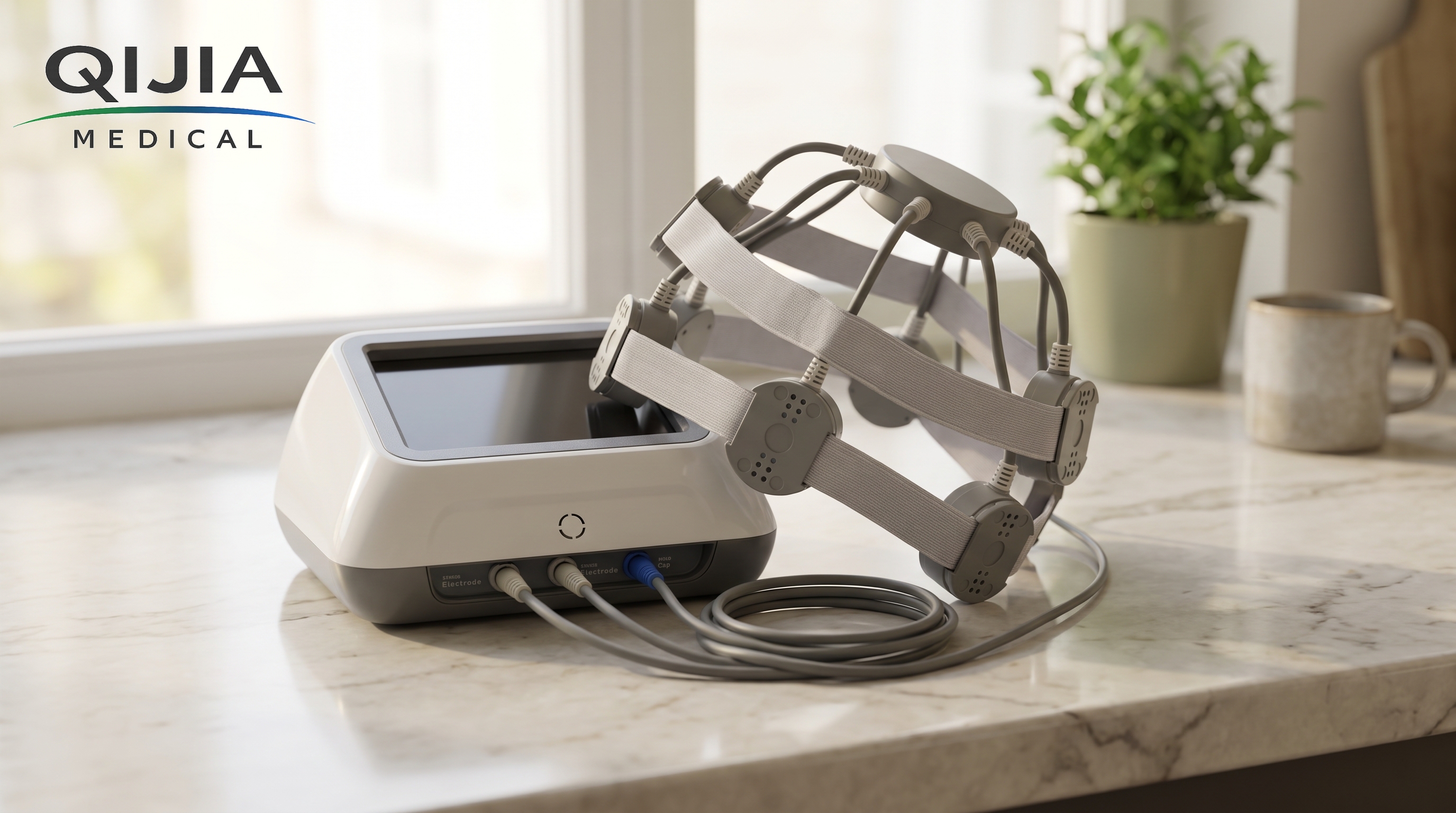
Transcranial Magnetic Stimulation is a non-invasive neuromodulation technique that uses magnetic pulses to influence neural activity in targeted brain regions. Unlike antidepressant medications, which act through pharmacological pathways throughout the body, TMS delivers magnetic stimulation through a coil positioned near the patient's scalp. The changing magnetic field induces electrical currents in the underlying cortical tissue, influencing neuronal activity and neural networks involved in mood regulation.4.1 Targeting Brain Circuits Associated with Depression
One commonly studied target in depression treatment is the dorsolateral prefrontal cortex (DLPFC), a brain region involved in emotional regulation, attention, and executive functioning. Research suggests that abnormal activity and connectivity within prefrontal-limbic networks may contribute to depressive symptoms. Depending on the clinical protocol, TMS may use different stimulation frequencies, treatment targets, and session schedules to influence these neural circuits. The selection of treatment parameters should be based on clinical assessment, device specifications, applicable regulatory requirements, and established treatment protocols.4.2 A Non-Pharmacological Approach
One of the main reasons TMS has attracted attention in treatment-resistant depression is that it provides a non-pharmacological treatment approach. For patients who have experienced inadequate improvement or difficulty tolerating medication, TMS may offer an additional option for consideration. TMS does not introduce another antidepressant drug into the patient's medication regimen. However, it should not automatically be described as a replacement for medication. Some patients continue pharmacological treatment during TMS, depending on their clinician's recommendations. Treatment decisions should consider previous medication responses, current symptoms, physical health, patient preferences, and the availability of qualified treatment services.4.3 What Does a Typical Treatment Course Involve?
A conventional rTMS treatment course generally involves repeated sessions over several weeks. Before treatment, a qualified healthcare professional evaluates the patient's medical history, psychiatric condition, medications, and potential contraindications. The stimulation target and parameters are then selected according to the treatment protocol. During a session, the patient remains awake while the treatment coil is positioned over the targeted area. Patients may experience tapping sensations on the scalp or temporary discomfort. Headache and scalp discomfort are among the commonly reported side effects. Seizures are uncommon but represent an important potential risk that requires appropriate screening and clinical supervision. TMS is not a one-session solution. Treatment schedules and expected outcomes vary according to the protocol and individual patient characteristics.5. Is TMS Suitable for Every Older Adult with Depression?
Although TMS is an established treatment option for appropriately selected patients with depression, it is not suitable for everyone. Older adults often have more complex medical histories, making careful screening particularly important. Before treatment, clinicians should review:Previous antidepressant treatments and the patient's response to them.
History of seizures, epilepsy, stroke, head injury, or other neurological conditions.
Current medications and factors that may influence seizure threshold.
Implanted electronic devices or metal objects near the treatment coil.
Current suicide risk, psychiatric symptoms, and overall medical stability.
The patient's ability to attend and complete the recommended treatment schedule.
6. The Role of TMS Equipment in Modern Neuromodulation Services
As clinical interest in non-invasive brain stimulation continues to grow, medical institutions and healthcare providers are paying greater attention to the availability, reliability, and practical design of TMS equipment. For clinics, rehabilitation centers, and medical distributors, selecting an appropriate TMS device involves more than comparing basic specifications. Important considerations may include:Stimulation capabilities: Whether the device supports the stimulation modes and parameters required by its intended clinical applications.
Operational design: A practical interface and workflow that support trained professionals during routine operation.
Safety considerations: Appropriate safety features, operating instructions, and compatibility with relevant clinical protocols.
Technical support: Product documentation, training resources, maintenance arrangements, and after-sales service.
Regulatory compliance: Device certification, intended-use labeling, and regulatory requirements in the target market.
7. QIJIA MEDICAL: TMS Manufacturing and OEM/ODM Cooperation
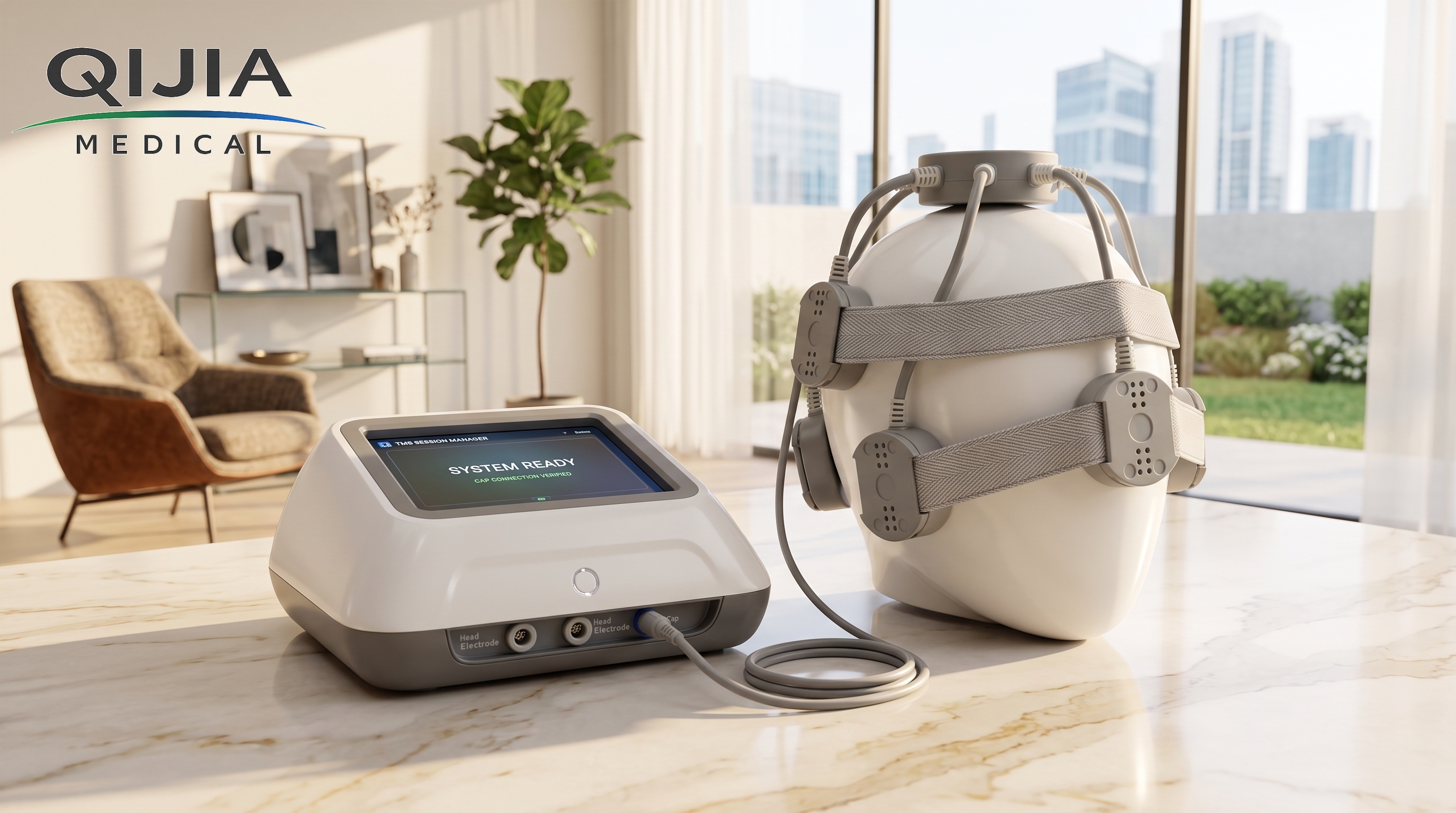
The growing interest in neuromodulation has created opportunities for medical equipment manufacturers, healthcare institutions, and regional distributors. QIJIA MEDICAL integrates research and development, production, and product integration, serving international customers in neurological rehabilitation, respiratory care, and related medical equipment fields. Our company provides OEM/ODM cooperation and customized product services for qualified business partners. Whether you are a medical equipment distributor, rehabilitation center, clinic, or healthcare procurement organization, understanding the technical specifications, intended applications, and local regulatory requirements is essential when evaluating a TMS product. Learn more about QIJIA MEDICAL's manufacturing capabilities and OEM/ODM services. For product specifications, cooperation opportunities, or further information about our TMS equipment, please contact our team.Conclusion: Expanding Treatment Options for Older Adults with Persistent Depression
Late-life treatment-resistant depression presents a significant challenge for patients, families, and healthcare professionals. Persistent symptoms can affect emotional well-being, cognitive performance, physical activity, and the ability to maintain an independent lifestyle. Repeated medication adjustments remain an important part of depression management, but they are not necessarily the only option when patients experience inadequate improvement or difficulty tolerating treatment. Recent research involving 758 older adults provides encouraging evidence that rTMS may offer meaningful benefits compared with several commonly used medication strategies. Although the study design does not establish direct causal superiority, it highlights the importance of considering neuromodulation in discussions about treatment-resistant depression. TMS represents an additional non-invasive treatment approach that may be appropriate for selected patients under professional supervision. As research develops and clinical experience grows, access to reliable TMS technology and responsible treatment practices will remain important considerations in modern mental healthcare. For older adults living with persistent depression, the goal should not simply be to try another treatment, but to identify an appropriate strategy that supports meaningful recovery, functional independence, and quality of life.
Frequently Asked Questions (FAQ)
1. What is treatment-resistant depression in older adults?
Treatment-resistant depression refers to depression that has not improved adequately after appropriate antidepressant treatment. In many clinical definitions, it involves insufficient response to at least two adequate antidepressant trials. The exact definition may vary between studies and clinical guidelines.2. Can TMS help older adults with treatment-resistant depression?
TMS may be considered for appropriately selected older adults who have not achieved sufficient improvement with conventional treatment. Research, including a 2026 observational comparison involving 758 adults aged 60 and older, has reported encouraging results. However, treatment suitability and expected outcomes must be assessed individually by qualified healthcare professionals.3. Is TMS better than antidepressant medication?
TMS is not universally better than medication. A 2026 study found that rTMS was associated with greater improvement in depressive symptom scores than three specific medication strategies in older adults with treatment-resistant depression. However, the comparison was observational and did not directly randomize patients between TMS and medication.4. Is TMS a non-invasive treatment?
Yes. TMS is a non-invasive technique that delivers magnetic pulses through a coil positioned near the scalp. It does not require surgical implantation of electrodes or routine general anesthesia.5. What are the common side effects of TMS?
Common side effects include headache and scalp discomfort during or after treatment. Seizures are uncommon but are a recognized potential risk. Proper patient screening, appropriate stimulation parameters, and qualified clinical supervision are essential.6. How long does a TMS treatment course usually take?
Conventional rTMS treatment generally involves repeated sessions over several weeks. The exact schedule depends on the stimulation protocol, device, clinical indication, and patient's treatment plan.7. Can TMS replace antidepressant medication?
Not necessarily. Some patients may receive TMS alongside ongoing medication, while others may follow a different treatment plan. Medication changes should only be made under the guidance of the treating clinician.8. Where can healthcare providers learn more about QIJIA MEDICAL TMS equipment?
Healthcare providers, medical equipment distributors, and institutional buyers can visit the QIJIA MEDICAL TMS product page to review available equipment information. For product specifications, OEM/ODM services, or business cooperation, they can contact the QIJIA MEDICAL team directly.References and Further Reading
Adler E, Blumberger DM, Lenze EJ, et al. Effectiveness of rTMS vs. Pharmacotherapy in Late-Life Treatment-Resistant Depression: An Observational Study of Individual Participant Data From Two Randomized Clinical Trials. American Journal of Psychiatry. Published online October 14, 2026. https://doi.org/10.1176/appi.ajp.20260398
National Institute on Aging. Depression and Older Adults. https://www.nia.nih.gov/health/mental-and-emotional-health/depression-and-older-adults
National Institute of Mental Health. Brain Stimulation Therapies. https://www.nimh.nih.gov/health/topics/brain-stimulation-therapies/brain-stimulation-therapies
Lam RW, Kennedy SH, Adams C, et al. Canadian Network for Mood and Anxiety Treatments (CANMAT) 2023 Update on Clinical Guidelines for Management of Major Depressive Disorder in Adults. Canadian Journal of Psychiatry. https://pmc.ncbi.nlm.nih.gov/articles/PMC11351064/
Effectiveness of pharmacological and non-pharmacological interventions for treatment-resistant depression in older patients: a systematic review and meta-analysis. BMJ Mental Health. https://doi.org/10.1136/bmjment-2024-301324
U.S. Food and Drug Administration. Repetitive Transcranial Magnetic Stimulation (rTMS) Systems: Class II Special Controls Guidance for Industry and FDA Staff. FDA Guidance
Medical Disclaimer: This article is intended for educational and informational purposes only. It does not replace professional medical diagnosis, treatment recommendations, or clinical judgment. TMS treatment should be prescribed and supervised by qualified healthcare professionals. Device indications, clinical protocols, and regulatory approvals may vary by country and product.