







QIJIA Robotic Rehabilitation Gloves: Revolutionizing Stroke Recovery and Physical Therapy
For millions of people living with hand dysfunction after stroke or injury, regaining the ability to grasp, flex, and move their fingers is more than a goal—it’s a path back to independence. QIJIA, a leader in medical rehabilitation technology, has redefined this journey with its innovative hand rehabilitation robot gloves, designed to make effective, personalized recovery accessible to all. Unlike conventional tools that fall short in precision and adaptability, QIJIA’s robotic rehabilitation hand gloves blend AI intelligence and ergonomic design, setting a new standard for stroke and physical therapy recovery.
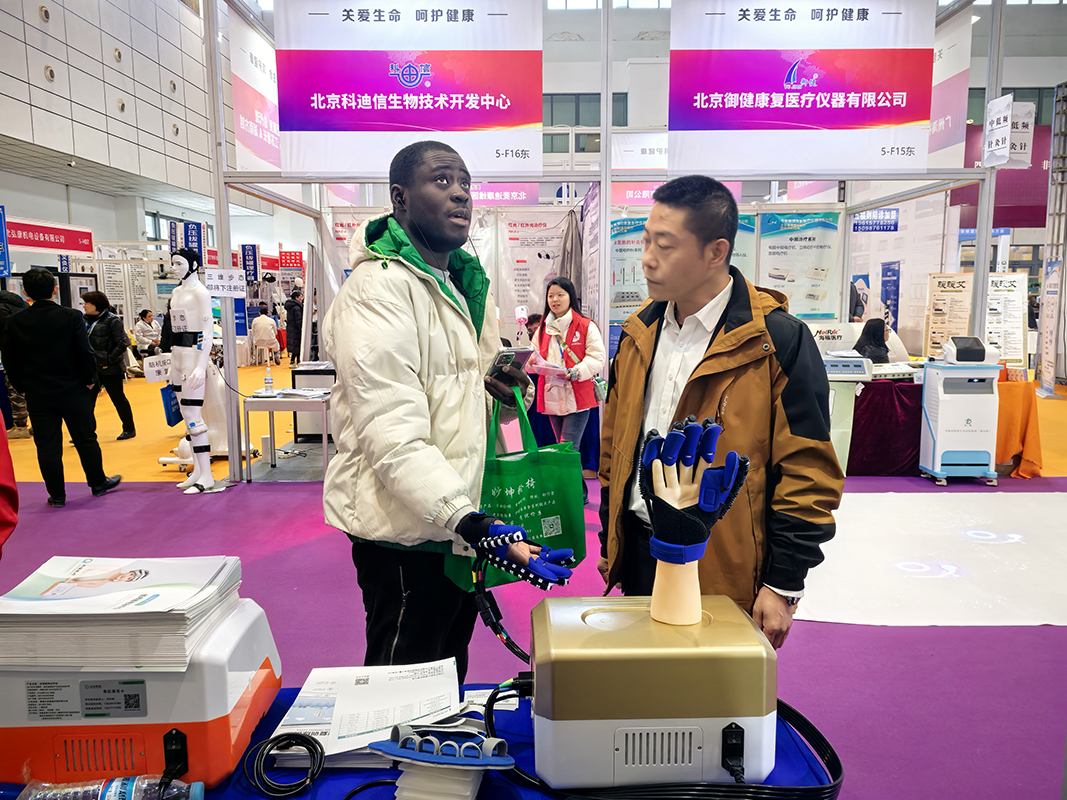
How QIJIA’s Robotic Rehabilitation Gloves Work: Core Principles
At the heart of QIJIA’s hand rehabilitation robot gloves lies a synergy of AI technology and biomechanical engineering. The gloves operate through three key steps: extracting myoelectric signals from the user’s hand, identifying motion intentions via advanced AI pattern recognition algorithms, and driving finger movements to complete targeted exercises. Powered by air pressure, the gloves gently and safely drive finger flexion, extension, grasping, and pinching, with adjustable force to suit each user’s recovery stage. Unlike rigid mechanical devices, QIJIA’s soft, wearable design ensures comfort during long-term use, while built-in sensors track movement data, enabling real-time adjustments and personalized training plans.
Technology Evolution: From Basic Assistance to AI-Powered Precision
The development of QIJIA’s robotic rehabilitation hand gloves reflects the rapid advancement of rehabilitation technology. Early physical therapy rehabilitation gloves relied on manual operation, offering limited customization and no real-time feedback. As AI and soft robotics evolved, QIJIA integrated intelligent features to create the ai care glove stroke rehabilitation solution—one that learns and adapts to the user’s movement habits over time. Today’s QIJIA gloves feature a 2.8-inch color screen for visual training feedback, touch control, and data memory, making them suitable for both clinical and home use. This evolution has transformed rehabilitation from a passive, repetitive task into an active, personalized process that accelerates recovery.
Treatment Methods: Tailored for Every Recovery Stage
QIJIA’s rehabilitation glove for stroke and physical therapy offers versatile treatment modes to meet diverse needs. The gloves support passive training (for patients with limited voluntary movement), active training (for those regaining control), and refined training—including single-finger and pinch exercises—to target specific hand functions. For stroke patients, the ai care glove stroke rehabilitation mode uses mirror therapy and repetitive motion to stimulate neural plasticity, helping rewire the brain and improve motor function. Unlike traditional physical therapy, which often feels dull and monotonous, QIJIA’s gloves embed rehabilitation into daily activities, making training more engaging and sustainable.
Applicable Conditions & Groups
QIJIA’s hand rehabilitation robot gloves are designed for a wide range of users with hand dysfunction, including: stroke survivors with hemiplegia, patients with brain injuries, cerebral palsy, spinal cord injuries, and those recovering from orthopedic hand surgeries. They also benefit individuals with Parkinson’s syndrome, multiple sclerosis, or age-related hand weakness. Whether used in hospitals, rehabilitation centers, or at home, the gloves adapt to different recovery stages, from early passive rehabilitation to advanced functional training, making them a versatile tool for both clinical professionals and home users.
QIJIA Gloves vs. Conventional Suction Devices: A Clear Advantage
While conventional suction devices (often used in stroke care) focus solely on airway clearance, QIJIA’s physical therapy rehabilitation gloves address the root of hand dysfunction, empowering patients to regain independence. Unlike suction devices, which are invasive, single-purpose, and require professional operation, QIJIA’s robotic rehabilitation hand gloves are non-invasive, wearable, and user-friendly—allowing patients to train independently at their own pace. Suction devices do nothing to improve hand mobility or motor function, while QIJIA’s gloves actively stimulate neural recovery, enhance grip strength, and help patients resume daily activities like eating, dressing, and holding objects. Clinical data shows QIJIA’s gloves can improve the daily living ability of stroke patients by 30%, a benefit no conventional suction device can match.
Why QIJIA Stands Out in Robotic Rehabilitation
QIJIA’s robotic rehabilitation hand gloves combine safety, comfort, and intelligence to redefine recovery. With adjustable pressure, lightweight design (≤5KG), low noise (≤75dB), and customizable training modes, they prioritize user experience while delivering proven results. The integration of AI ensures the gloves adapt to each user’s unique needs, making rehabilitation more efficient and personalized. For anyone seeking to regain hand function after stroke or injury, QIJIA’s hand rehabilitation robot gloves are more than a tool—they’re a partner in the journey back to independence.
Ready to transform stroke and physical therapy recovery? Choose QIJIA—where AI meets compassion, and every grip brings you closer to regaining control.