







Air Compression Therapy System: Professional DVT Prevention Solutions & Global Market Trends | QIJIA
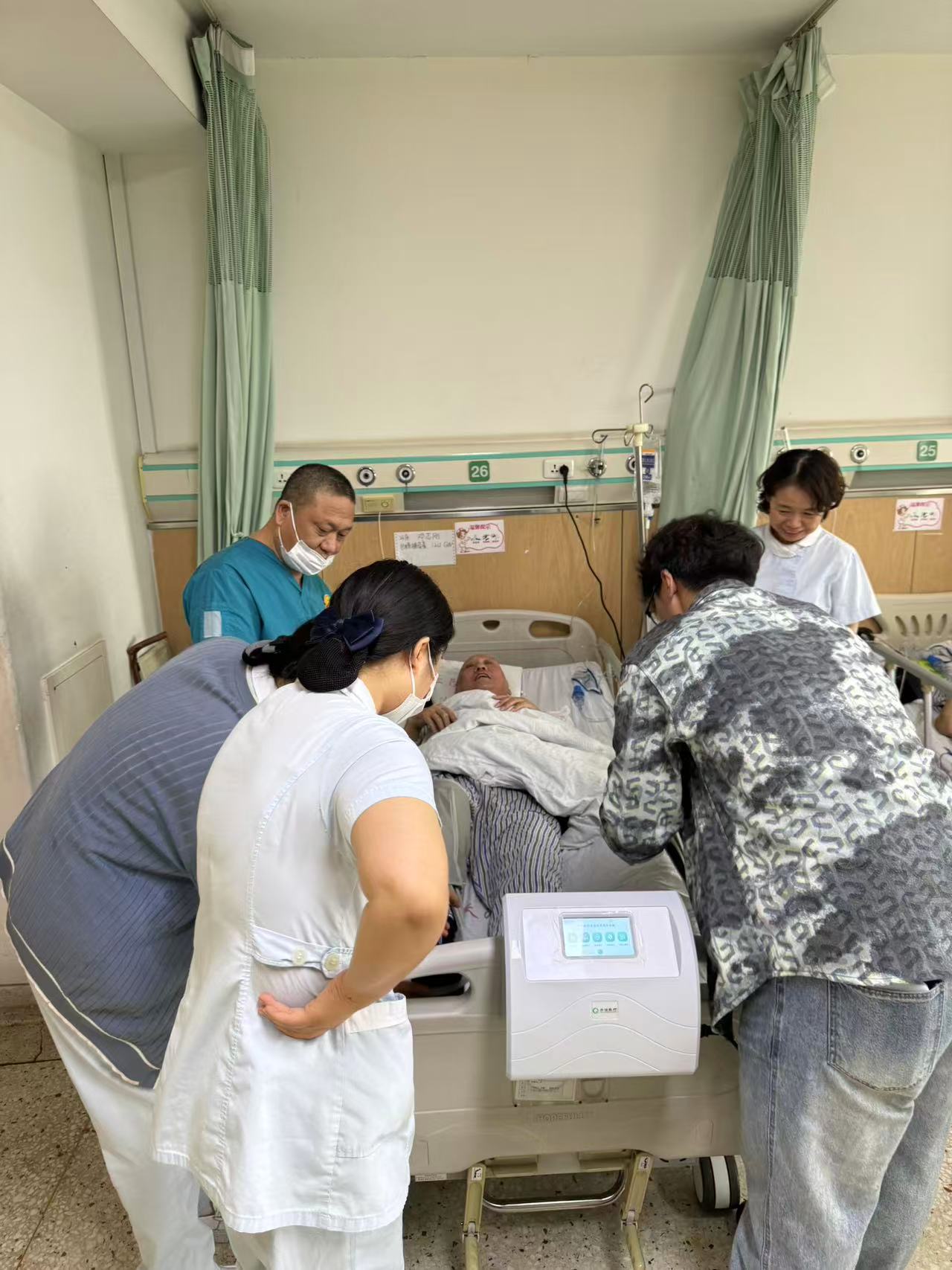
The air compression therapy system is a professional non-invasive medical device dedicated to human blood circulation regulation and deep vein thrombosis (DVT) prevention. Through simulated rhythmic pneumatic compression on human limbs, the device accelerates venous blood reflux, relieves limb blood stasis, and effectively prevents various vascular circulation complications. In recent years, the global incidence of venous circulation diseases has continued to rise. Traditional prevention methods including medical compression stockings and anticoagulant drugs have obvious defects such as poor wearing comfort and potential drug side effects. As a safe, efficient and zero-side-effect rehabilitation device, the air compression therapy system has become the mainstream choice for clinical treatment, postoperative care and home rehabilitation. As a professional international medical device supplier, QIJIA focuses on the R&D and manufacturing of high-quality air compression therapy system, providing standardized and cost-effective medical solutions for global B2B buyers and medical institutions.
Global Industry Background and Authoritative Market Data
The global venous rehabilitation medical device industry maintains stable growth, driven by global population aging, increasing surgical operation volume, and rising public awareness of vascular health management. Global health data shows that nearly 10 million new deep vein thrombosis cases are reported every year worldwide, and untreated DVT can easily induce fatal pulmonary embolism, bringing huge medical burdens to various countries. In 2026, the global market scale of the air compression therapy system reached USD 526 million. Benefiting from the popularization of minimally invasive surgery and standardized postoperative care mechanisms, the market is expected to grow at a CAGR of 7.1%, exceeding USD 1.05 billion by 2036. North America and Europe occupy the core market share with mature medical systems and complete DVT prevention guidelines, while the Asia-Pacific, Middle East and Latin American markets show rapid growth potential, becoming the main growth engine of the global pneumatic compression rehabilitation device industry.
Latest Development Trends of Global Industry
The air compression therapy system industry is evolving toward intelligence, portability and refinement, forming three major development trends. First, portable home air compression therapy equipment is gradually replacing traditional large fixed clinical equipment, breaking the usage limitations of hospital scenarios and meeting the growing home rehabilitation market demand. Second, intelligent adaptive adjustment technology has become the core competitive advantage of products. Modern high-end devices can automatically adjust compression frequency and pressure amplitude according to different user groups and physical conditions, improving treatment safety and comfort. Third, multi-scenario integrated design has become mainstream, enabling equipment to cover clinical DVT prevention, postoperative recovery, chronic vascular disease care and daily health maintenance, greatly improving product application value and market adaptability.
Applicable Diseases and Core Target Groups
The air compression therapy system has a wide range of clinical adaptation scenarios and accurate user positioning. Its core applicable indications cover perioperative DVT prophylaxis, chronic venous insufficiency, lower limb lymphedema, postoperative limb swelling, and blood circulation disorders caused by long-term bed rest. It also provides effective adjuvant care for limb edema and poor venous return caused by long-time sitting or standing. The core applicable crowds include postoperative surgical patients, long-term bedridden elderly patients, chronic venous disease patients, limb rehabilitation patients, as well as office workers and long-distance travelers with sedentary and standing habits. QIJIA’s air compression therapy system is equipped with multiple working modes to achieve targeted nursing for different groups and diseases.
QIJIA’s Core Product Advantages
All QIJIA air compression therapy system products strictly comply with international medical certification standards and global clinical specifications. Adopting advanced sequential gradient compression technology, the equipment simulates human manual massage logic, forms stable and regular pneumatic pressure circulation, and efficiently promotes lower limb venous blood return. Different from ordinary single-pressure products, QIJIA’s graded pressure lower limb therapy device realizes scientific pressure distribution, which can avoid local excessive compression and ensure long-term safe and stable use. With reliable product quality, competitive pricing and perfect global after-sales training services, QIJIA’s air compression therapy system has won wide recognition from global medical distributors and rehabilitation institutions.
Conclusion
With the continuous improvement of global vascular health awareness and the continuous expansion of rehabilitation medical scenarios, the air compression therapy system will maintain steady market growth. The industry will continue to iterate in the direction of intelligence, portability and high precision. Adhering to strict medical manufacturing standards and technological innovation, QIJIA will continue to optimize the performance and practicability of air compression therapy equipment, provide high-standard DVT prevention and limb rehabilitation solutions for global customers, and empower the high-quality development of the global rehabilitation medical industry.