QIJIA TMS: CE-Certified Transcranial Magnetic Stimulation Devices Reshape Global Neurorehabilitation Supply Chain
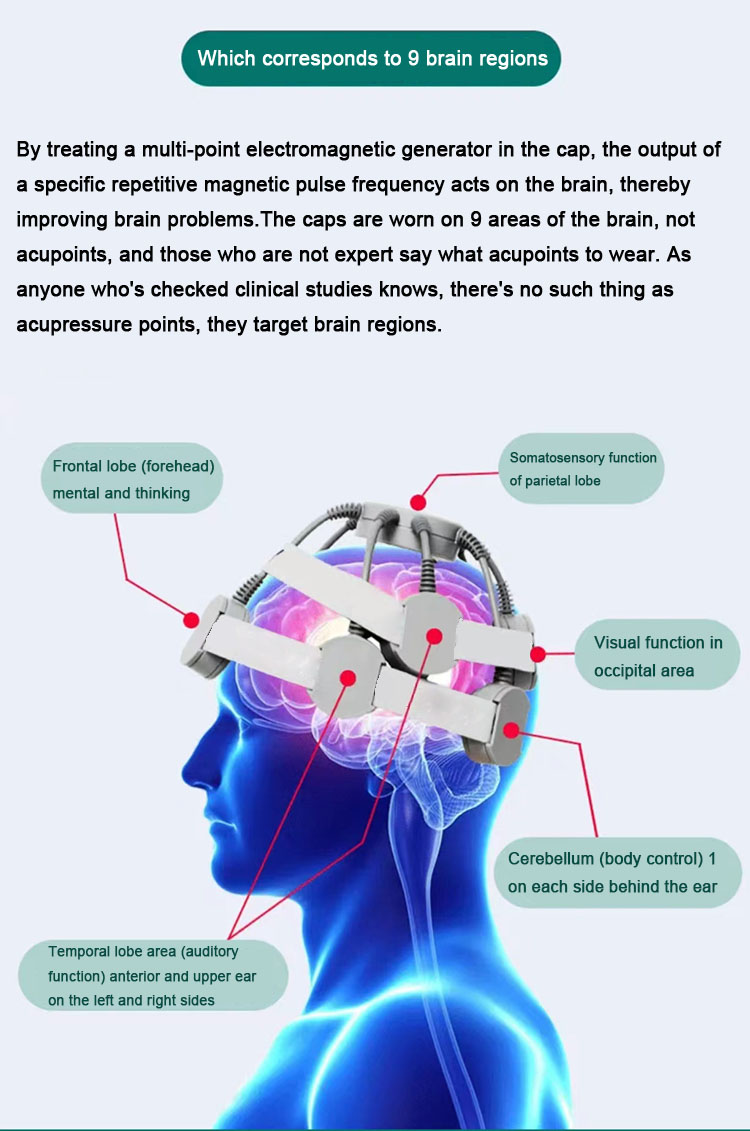
1. Introduction to Transcranial Magnetic Stimulation (TMS) Clinical Value
Transcranial magnetic stimulation (TMS) stands as a proven non-invasive neuromodulation technology transforming modern neurological treatment worldwide, with steady rising global procurement demand from rehabilitation clinics, public hospitals and medical distributors. As a core neurotherapy device, professional TMS equipment targets abnormal cerebral nerve excitation to ease multiple refractory symptoms including stroke sequelae, chronic insomnia, clinical depression, persistent anxiety and autism-related neurological disorders. QIJIA MEDICAL, an integrated R&D and manufacturing medical factory verified by CE, ISO9001 and ISO13485 certification, develops mature
TMS machine series to fill the gap of cost-effective, customizable transcranial magnetic stimulation hardware for international B2B buyers via its official portal
jnqijia.com.For decades, traditional drug-based therapy for mental and neurological illnesses carries unavoidable side effects and limited long-term efficacy, pushing global healthcare institutions to adopt auxiliary physical intervention such as TMS. The non-contact magnetic pulse design of standard transcranial magnetic stimulation avoids surgical trauma or skin damage, becoming the preferred supplementary option for Stroke Rehabilitation programs across Europe, Southeast Asia and North America.
2. Key Clinical Scenarios of QIJIA Transcranial Magnetic Stimulation Equipment
QIJIA’s full-range TMS devices cover five high-demand therapeutic fields matching mainstream global clinical diagnosis standards, centering on stroke recovery, mood disorder relief and developmental disorder intervention. First,
Stroke Rehabilitation is the largest application market for QIJIA TMS: after ischemic or hemorrhagic stroke, damaged brain nerve circuits trigger limb dysfunction, sleep disturbance and emotional breakdown. Regular transcranial magnetic stimulation repairs partial impaired cerebral circulation to improve motor and neural recovery for stroke survivors, reducing prolonged hospitalization expenses for medical institutions. Second, chronic insomnia, recurrent depression and persistent anxiety rank top three common psychiatric indications of QIJIA TMS. Millions of adult patients fail to gain stable relief via antidepressants; adjustable-frequency magnetic pulses from QIJIA’s transcranial magnetic stimulation machines regulate prefrontal cortex activity to ease insomnia, depression and anxiety without chemical dependency risks. Third, pediatric Autism rehabilitation is a fast-growing emerging segment. Many autistic children suffer from abnormal cranial nerve excitability, and personalized low-intensity TMS treatment assists behavioral and neural development under professional physician guidance, widely recognized by global pediatric rehabilitation centers.All QIJIA
TMS models (N-200T-QJ & N-400T-QJ series) retain adjustable output parameters to fit adult, elderly and pediatric treatment needs, differentiating the brand from generic low-quality TMS suppliers.
3. Industry Development Trend of Global TMS Neurotherapy Devices
The global transcranial magnetic stimulation industry has undergone three development phases: early laboratory prototype in the 1980s, limited hospital-only clinical equipment from 2000 to 2015, and diversified home-clinic dual-purpose TMS devices after 2018. In recent years, rising prevalence of stroke, depression, insomnia, anxiety and Autism pushes annual global TMS procurement volume up by 12% on average. However, most Western branded TMS hardware suffers from ultra-high pricing and long delivery cycles, creating massive market space for qualified Chinese source manufacturers like QIJIA. As an integrated industry-and-trade factory with independent core R&D capability, QIJIA optimizes internal circuit and magnetic coil design to cut production cost while maintaining international medical certification standards.
4. QIJIA Factory Core Advantages for Global B2B Purchasers
Different from pure trading enterprises without production capacity, QIJIA MEDICAL owns standardized modern production workshops in Jinan and Hainan, supporting full OEM & ODM customization services including private LOGO printing, customized operating software and exclusive packaging design for global distributors. Besides standardized ready-stock transcranial magnetic stimulation machines for spot wholesale, QIJIA launches exclusive regional agent cooperation policy, helping overseas partners develop local neurorehabilitation market targeting stroke, insomnia, depression, anxiety and Autism treatment institutions. All finished TMS goods pass strict pre-delivery quality inspection and meet EU and North American medical import requirements.
5. Conclusion & Global Cooperation Prospect
With continuously expanding global demand for non-invasive neurotherapy, reliable
transcranial magnetic stimulation manufacturers become scarce supply chain resources for international medical buyers. QIJIA’s certified TMS solutions combine stable clinical performance, flexible customization and factory-direct pricing, perfectly catering to growing market needs of Stroke Rehabilitation, depression, anxiety, insomnia and Autism treatment worldwide. All global importers and rehabilitation chain operators are welcome to submit inquiry via
jnqijia.com for detailed quotation and agent policy consultation.