







Cough Assist Device (MIE) for Postoperative Patients: Supporting Effective Airway Clearance During Recovery
After surgery, respiratory care is an important part of the patient's recovery process. While many patients gradually return to normal breathing function, some individuals may experience reduced cough strength, limited mobility, or difficulty clearing airway secretions due to anesthesia effects, prolonged bed rest, or weakened respiratory muscles.
A Cough Assist Device (MIE), also known as a Mechanical Insufflation-Exsufflation device, provides a non-invasive airway clearance solution by helping simulate a natural cough through controlled positive and negative pressure changes. This technology is increasingly used in hospitals, rehabilitation centers, and long-term care environments to support respiratory management for patients with insufficient cough effectiveness.
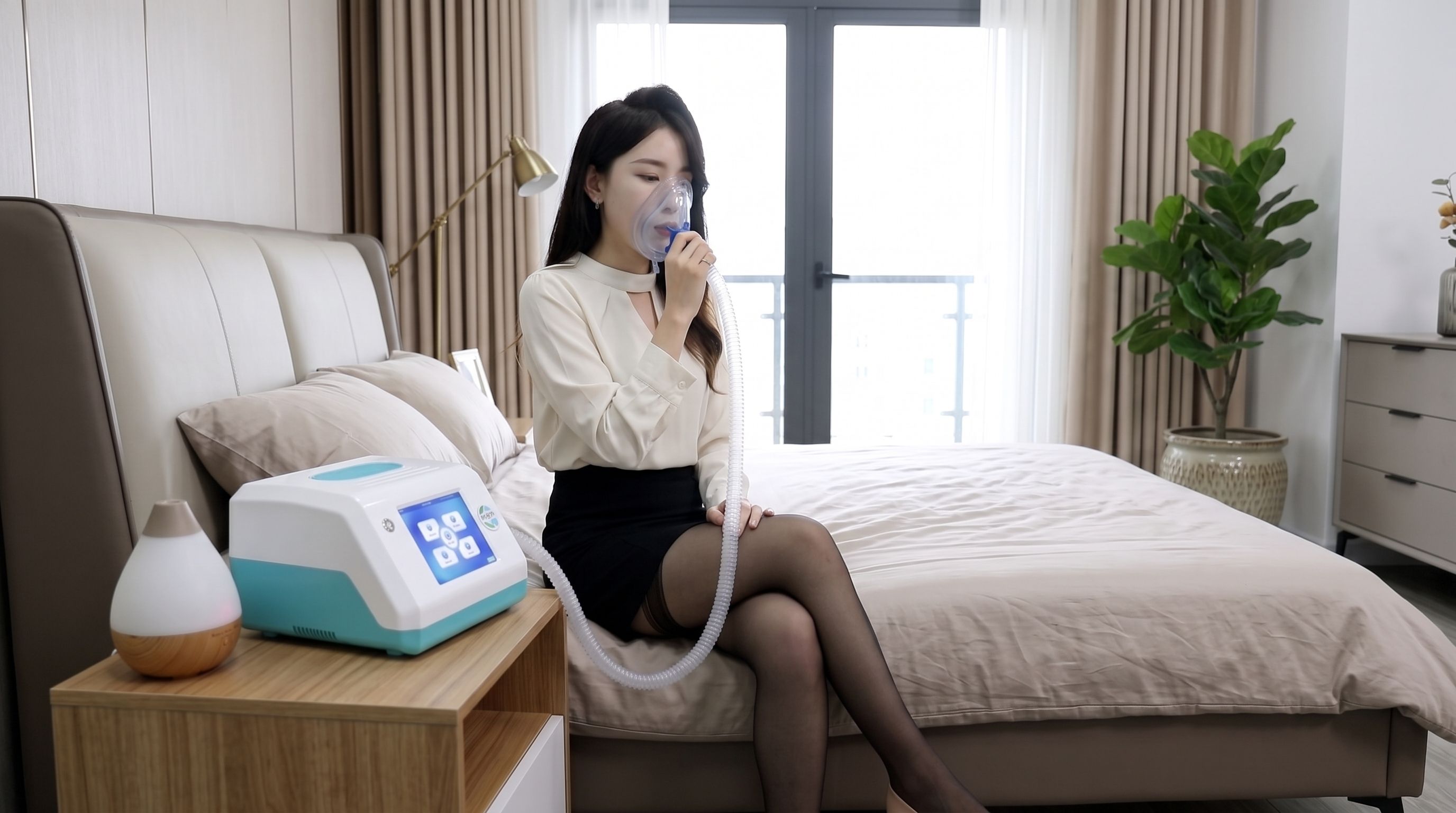
Why Postoperative Patients May Need Additional Airway Clearance Support
Following major surgery, patients may temporarily experience changes in respiratory function. Factors such as anesthesia, pain, limited movement, and reduced muscle strength can affect the ability to take deep breaths and generate an effective cough.
An ineffective cough may make it more challenging for patients to naturally clear airway secretions. Therefore, healthcare providers often focus on maintaining airway hygiene and supporting respiratory care throughout the postoperative period.
Common situations where additional airway clearance support may be considered include:
Patients recovering after major surgical procedures
Individuals with reduced cough strength during recovery
Patients requiring extended respiratory monitoring
People with weakened respiratory muscle function
Patients in rehabilitation or long-term care settings
How Does a Cough Assist Device (MIE) Work?
A Cough Assist Device works by applying a sequence of positive and negative pressure cycles through a patient interface such as a mask or mouthpiece.
During treatment, the device delivers positive pressure to help expand the lungs, followed by rapid negative pressure to create an airflow pattern similar to a natural cough. This process helps mobilize airway secretions and supports the patient's ability to clear mucus.
Compared with traditional airway clearance methods, Mechanical Insufflation-Exsufflation offers healthcare professionals an additional option when patients have difficulty producing an effective cough independently.
Applications of Cough Assist Device in Postoperative Respiratory Care
Postoperative respiratory management requires comprehensive support, especially for patients who experience temporary respiratory weakness. A Cough Assist Device can be integrated into respiratory care protocols according to clinical assessment and healthcare provider recommendations.
1. Supporting Patients With Reduced Cough Ability
After surgery, some patients may not generate enough cough force due to fatigue, discomfort, or reduced muscle strength. Mechanical insufflation-exsufflation can provide external assistance to help create a more effective cough flow.
2. Supporting Early Recovery and Rehabilitation Programs
Early mobilization and respiratory rehabilitation are important components of postoperative care. In rehabilitation facilities, airway clearance devices may be used as part of a broader respiratory support approach.
3. Helping Healthcare Teams Improve Respiratory Management
For hospitals and rehabilitation centers, having professional respiratory equipment allows healthcare teams to provide more flexible care options for different patient conditions.
Key Features of a Modern Cough Assist Device (MIE)
A professional Cough Assist Device is designed to provide controlled, comfortable, and adjustable respiratory support. Important features may include:
Adjustable insufflation and exsufflation pressure settings
Multiple operating modes for different care requirements
Clear interface for healthcare professionals
Portable design options for different clinical environments
Compatible accessories for various patient applications
For more information about our Mechanical Insufflation-Exsufflation solutions, please visit our Cough Assist Device (MIE)product page.
Choosing a Reliable Cough Assist Device Manufacturer
For hospitals, distributors, and healthcare organizations, selecting a reliable medical device partner is essential. Beyond product performance, factors such as manufacturing capability, quality management, customization support, and after-sales service are also important considerations.
QIJIA MEDICAL focuses on the research, development, and manufacturing of professional medical equipment, providing OEM and ODM cooperation opportunities for global healthcare partners.
Learn more about our manufacturing capability and OEM/ODM services:QIJIA MEDICAL About Us
Important Considerations When Using Cough Assist Device for Postoperative Patients
The use of a Cough Assist Device (MIE) should always be based on professional clinical evaluation. Healthcare providers usually consider the patient's respiratory condition, ability to cough effectively, overall recovery progress, and individual care requirements before selecting an appropriate airway clearance approach.
For postoperative care teams, the goal is not only to support airway clearance but also to provide a comfortable and suitable respiratory management experience throughout the recovery process.
Important factors when integrating a Cough Assist Device into postoperative care include:
Patient comfort and proper interface selection
Appropriate pressure settings based on individual assessment
Professional guidance during initial use
Regular equipment maintenance and cleaning procedures
Integration with comprehensive rehabilitation programs
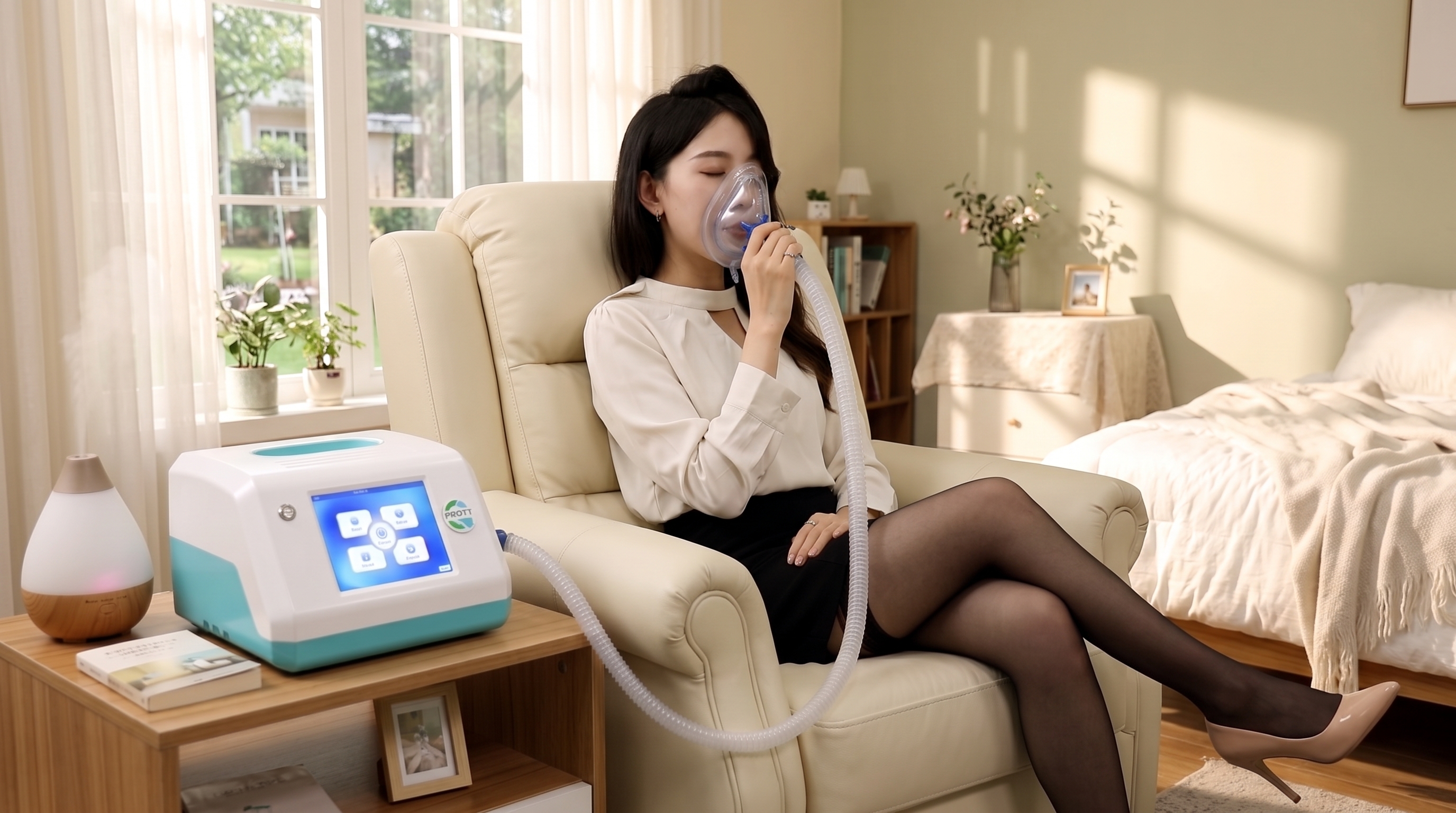
Benefits of Mechanical Insufflation-Exsufflation in Clinical Environments
Hospitals and rehabilitation centers continue to explore advanced respiratory equipment solutions that support efficient patient care. Mechanical Insufflation-Exsufflation technology provides healthcare professionals with another option for managing patients who have difficulty generating an effective cough.
By assisting the natural cough mechanism, a Cough Assist Device can help create a more structured approach to airway clearance management in suitable patient populations.
For medical institutions, respiratory care providers, and distributors, reliable equipment availability and professional technical support are key factors when selecting respiratory care solutions.
Cough Assist Device for Hospitals, Rehabilitation Centers, and Healthcare Partners
Modern healthcare requires reliable medical equipment that can adapt to different care environments. A professional Cough Assist Device can be used across multiple settings, including:
Hospital respiratory care departments
Postoperative recovery units
Rehabilitation centers
Long-term care facilities
Home-based respiratory care environments
With increasing attention toward patient-centered respiratory management, healthcare organizations are looking for dependable medical equipment suppliers who can provide stable products and customized cooperation options.
QIJIA MEDICAL provides medical device solutions for global healthcare partners, supporting OEM and ODM cooperation with professional manufacturing capabilities.
Frequently Asked Questions About Cough Assist Device (MIE)
1. What is a Cough Assist Device (MIE)?
A Cough Assist Device, also called Mechanical Insufflation-Exsufflation (MIE), is a respiratory care device that uses controlled positive and negative pressure changes to simulate a natural cough process and support airway clearance.
2. Why may postoperative patients need a Cough Assist Device?
Some postoperative patients may temporarily experience reduced cough strength or difficulty clearing airway secretions due to factors such as anesthesia, reduced mobility, or weakened respiratory function. A Cough Assist Device may provide additional airway clearance support when clinically appropriate.
3. Is a Cough Assist Device only used in hospitals?
No. Depending on patient needs and care plans, Cough Assist Devices may be used in hospitals, rehabilitation centers, long-term care facilities, and other professional respiratory care environments.
4. Can manufacturers provide OEM/ODM Cough Assist Device solutions?
Yes. Medical device manufacturers with research and production capabilities can provide OEM/ODM cooperation options, including product customization, branding support, and technical collaboration.
5. How can I learn more about QIJIA MEDICAL respiratory equipment solutions?
You can contact our professional team for more information about Cough Assist Device products, OEM/ODM cooperation, and global partnership opportunities.
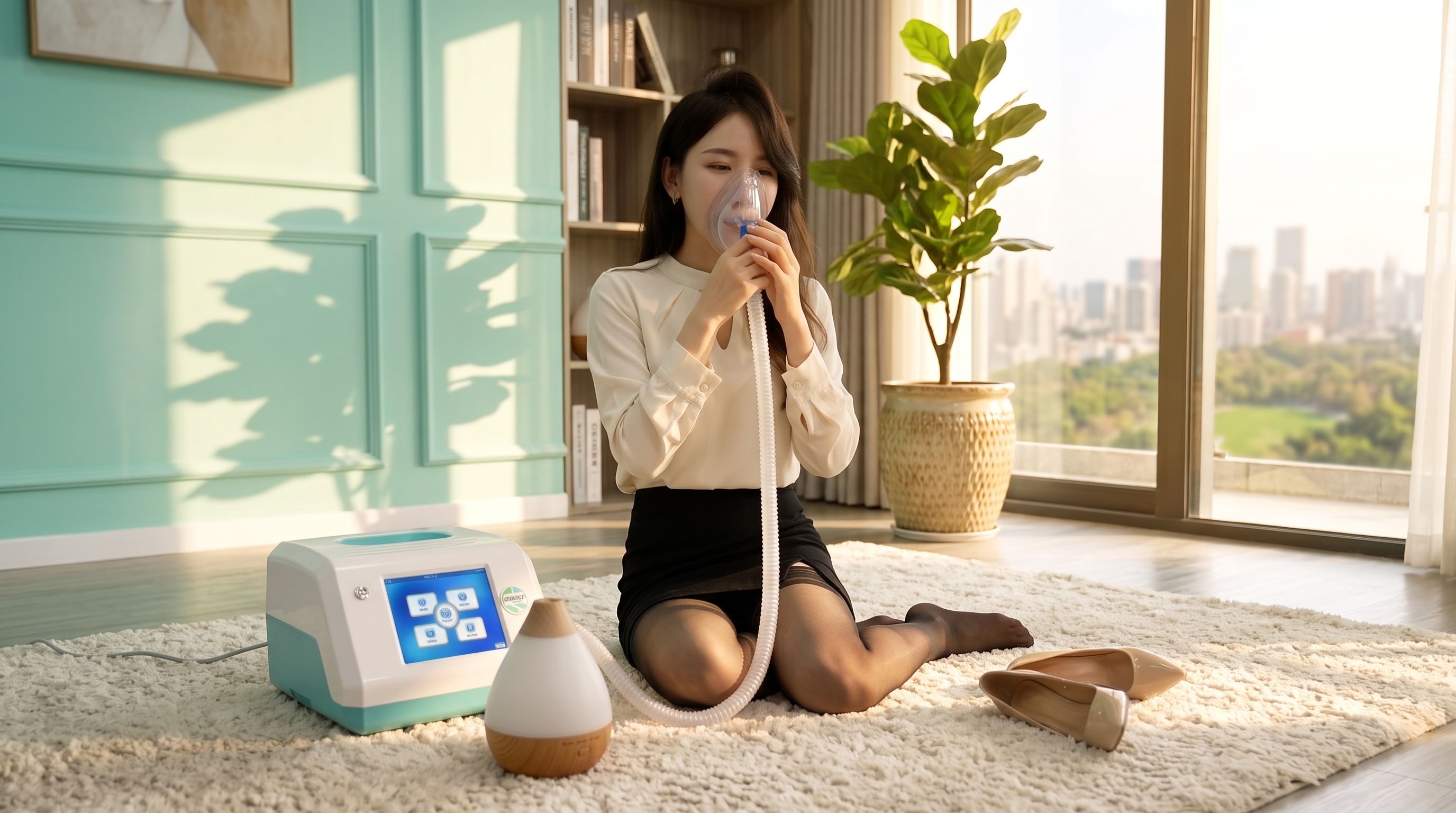
Conclusion: Supporting Better Postoperative Respiratory Care With Advanced Technology
Postoperative recovery involves multiple aspects of patient care, and respiratory management plays an important role in supporting a safe and comfortable recovery environment.
A Cough Assist Device (MIE) provides healthcare professionals with an advanced airway clearance option for patients who may have difficulty producing an effective cough. Through innovative technology, reliable design, and professional support, respiratory care equipment continues to contribute to modern healthcare development.
QIJIA MEDICAL is committed to providing high-quality medical device solutions for hospitals, rehabilitation centers, distributors, and healthcare partners worldwide.
Interested in our Cough Assist Device solutions or OEM/ODM cooperation?
Contact our team:Contact QIJIA MEDICAL