







Swallowing Difficulties and Airway Clearance: How Cough Assist Devices Support Respiratory Care
Swallowing difficulties are more than a challenge during meals. For many individuals with neurological disorders, aging-related changes, or reduced muscle strength, maintaining effective airway clearance can become an important part of daily respiratory care.
When swallowing function declines, the body may also experience changes in cough strength and secretion management ability. This can create additional challenges for caregivers, healthcare professionals, and rehabilitation teams who provide long-term support.
Understanding the relationship between swallowing difficulties, cough effectiveness, and airway clearance is essential for selecting appropriate respiratory care solutions. Technologies such as Cough Assist Device systems based on Mechanical Insufflation-Exsufflation (MIE) technology are increasingly used as part of respiratory management strategies for individuals with ineffective cough.
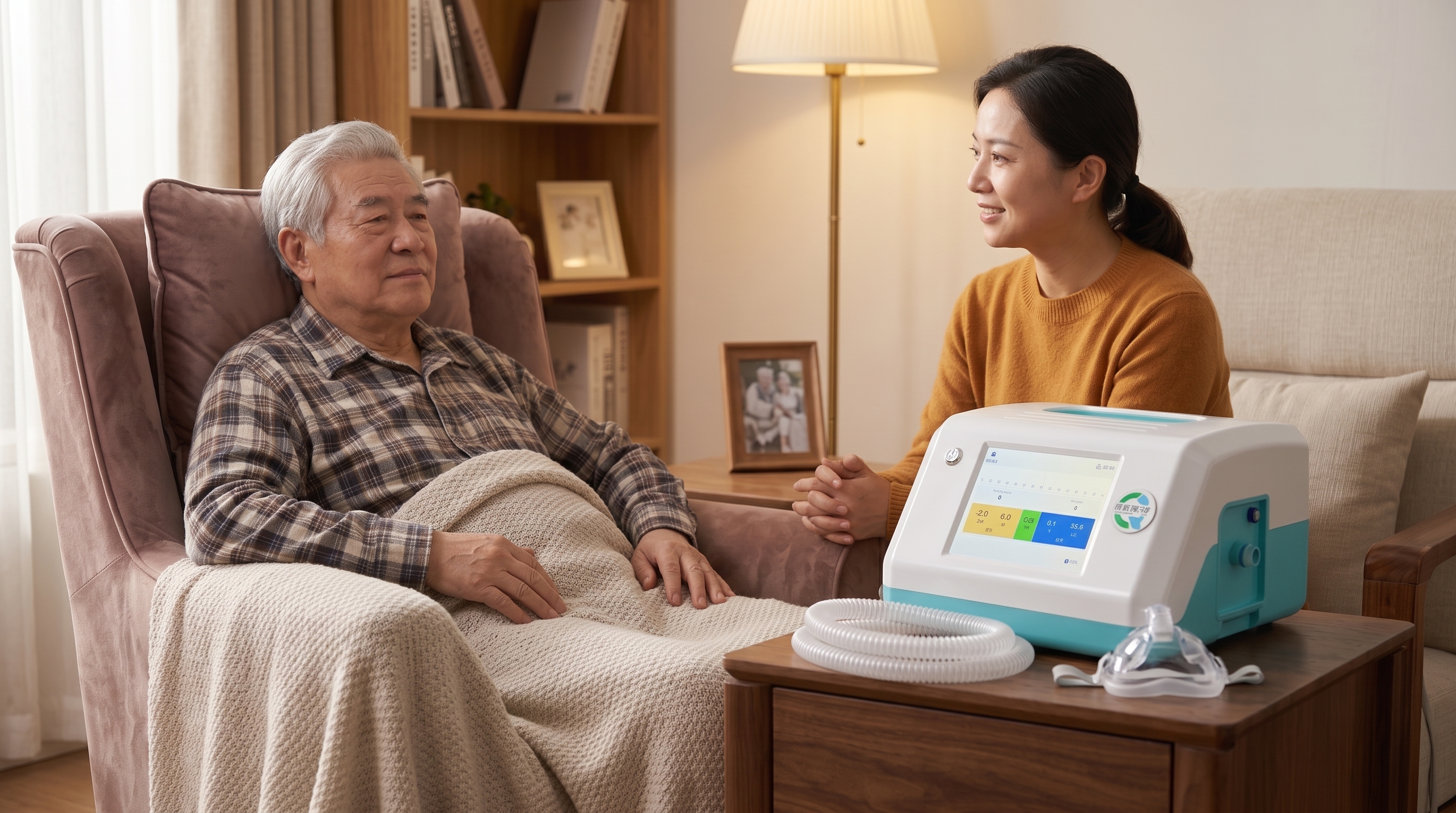
Understanding Swallowing Difficulties and Their Impact on Respiratory Health
Swallowing is a complex physiological process that requires coordination between the brain, nerves, and multiple muscle groups. It involves several stages, including preparation of food, movement through the throat, and protection of the airway during swallowing.
When any part of this process becomes impaired, swallowing difficulties, also known as dysphagia, may occur. Dysphagia is commonly associated with conditions affecting neurological function, muscle control, or physical changes related to aging.
Common groups that may experience swallowing difficulties include:
Individuals with Parkinson’s disease:
Changes in muscle coordination and movement control may affect swallowing efficiency and cough strength.Stroke recovery patients:
Neurological changes after stroke may influence swallowing coordination and airway protection mechanisms.People living with Amyotrophic Lateral Sclerosis (ALS):
Progressive muscle weakness may affect both swallowing function and respiratory muscle performance.Older adults with age-related functional decline:
Reduced muscle strength and slower reflex responses may influence swallowing safety and secretion clearance.Individuals receiving head and neck treatment:
Changes in oral and throat structures may affect swallowing comfort and respiratory care needs.
The Connection Between Swallowing Ability and Airway Secretion Management
Many people associate swallowing difficulties mainly with eating and drinking challenges. However, respiratory care professionals often focus on another important factor: the ability to effectively manage airway secretions.
Normally, the respiratory system relies on natural mechanisms including mucus movement and an effective cough to help clear airway secretions. When cough strength decreases, mucus may become more difficult to remove.
An ineffective cough can occur when respiratory muscles are weakened or when neurological conditions affect the coordination required for a strong cough response. In these situations, healthcare providers may consider additional airway clearance techniques to support respiratory management.
Mechanical Insufflation-Exsufflation (MI-E), commonly known as cough assistance technology, is designed to provide alternating positive and negative pressure support to simulate the airflow changes involved in coughing. Research and clinical reviews have described MI-E as an airway clearance technique used especially for individuals with impaired cough ability related to neuromuscular weakness.
<!-- Reference note for SEO article -->For healthcare facilities evaluating respiratory support solutions, selecting suitable airway clearance equipment requires consideration of patient condition, clinical environment, caregiver training, and long-term usability.
Why Airway Clearance Becomes an Important Part of Long-Term Care
For families and caregivers supporting individuals with swallowing difficulties, daily care often involves multiple responsibilities:
Monitoring eating and drinking safety
Supporting rehabilitation exercises
Observing changes in breathing patterns
Managing respiratory secretions
Communicating with healthcare professionals
As care needs increase, traditional methods such as manual coughing assistance, chest physiotherapy, or caregiver-supported techniques may not always provide sufficient support for every situation.
Healthcare institutions and home care providers are increasingly looking for respiratory equipment that can improve care efficiency while maintaining patient comfort and ease of operation.
From Swallowing Support to Comprehensive Respiratory Care
Respiratory management for individuals with swallowing difficulties often requires a comprehensive approach. Nutrition management, swallowing rehabilitation, positioning techniques, and airway clearance methods may work together as part of a complete care plan.
Among available respiratory support technologies, the Cough Assist Device provides a specialized approach by assisting cough effectiveness through controlled pressure changes.
Unlike conventional methods that rely completely on patient-generated cough strength, Mechanical Insufflation-Exsufflation technology helps create airflow patterns designed to support the cough process.
This makes cough assistance equipment a valuable consideration for hospitals, rehabilitation centers, long-term care facilities, and home respiratory care environments.
The Challenges of Airway Clearance in Individuals with Weak Cough Ability
Effective coughing is an important natural defense mechanism of the respiratory system. However, some individuals with neurological conditions, muscle weakness, or reduced respiratory function may not be able to generate sufficient cough flow to clear airway secretions effectively.
When cough effectiveness decreases, caregivers and healthcare professionals may face challenges such as increased secretion retention, longer care procedures, and the need for additional respiratory support strategies.
Common situations where cough assistance may be considered include:
Reduced respiratory muscle strength:
Weak inspiratory and expiratory muscles may limit the ability to produce an effective cough.Neuromuscular disorders:
Conditions affecting muscle control and coordination may influence natural airway clearance ability.Long-term respiratory care needs:
Some individuals require ongoing support in hospitals, rehabilitation facilities, or home care environments.Post-acute rehabilitation:
During recovery periods, respiratory support may become an important part of comprehensive rehabilitation programs.
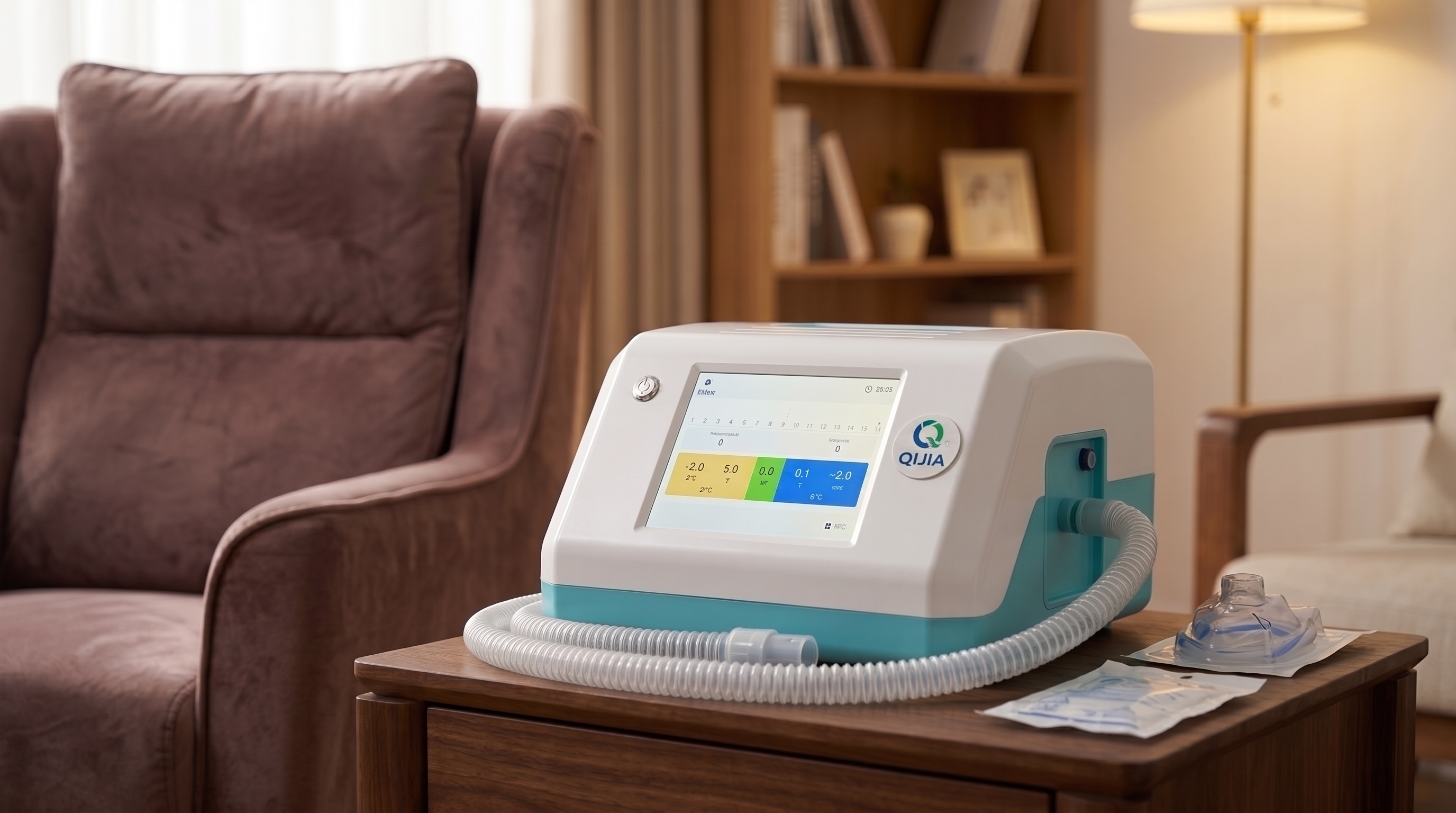
How a Cough Assist Device Supports Respiratory Care
A Cough Assist Device, also known as a Mechanical Insufflation-Exsufflation (MIE) device, is a respiratory care system designed to assist individuals who have difficulty producing an effective cough.
The technology works by applying controlled cycles of positive and negative airway pressure. The insufflation phase delivers air into the lungs, while the exsufflation phase creates rapid airflow changes that simulate the natural coughing process.
Through this process, a cough assistance device can support airway clearance routines as part of a healthcare provider’s respiratory management plan.
Compared with traditional caregiver-assisted coughing methods, modern MIE technology offers a more standardized approach with adjustable settings designed to meet different care requirements.
Key Features to Consider When Selecting a Cough Assist Device
For hospitals, rehabilitation centers, and medical distributors, selecting suitable respiratory equipment requires evaluating performance, usability, and long-term service capability.
Adjustable pressure settings:
Allows healthcare professionals to customize therapy parameters according to different user requirements.Multiple operating modes:
Different working modes can support various respiratory care situations.User-friendly interface:
Simple operation helps healthcare teams and caregivers use the equipment efficiently.Portable and practical design:
Suitable equipment design can support applications across different care environments.Accessory compatibility:
Flexible accessories may help adapt the device for different application scenarios.
Cough Assist Device Applications in Healthcare Settings
With the growing demand for respiratory care solutions, cough assistance technology is being considered in various healthcare environments, including hospitals, rehabilitation centers, and home care settings.
1. Hospital Respiratory Care
In hospitals, respiratory care teams may use cough assistance technology as part of a broader airway management program for individuals with reduced cough effectiveness.
Medical professionals can combine respiratory assessment, rehabilitation strategies, and airway clearance techniques to develop appropriate care approaches.
2. Rehabilitation Centers
Rehabilitation facilities often support individuals recovering from neurological events or managing long-term conditions. Respiratory function and secretion management can be important components of comprehensive rehabilitation services.
A Cough Assist Device can provide rehabilitation teams with an additional respiratory care option when supporting individuals with ineffective cough.
3. Home Care Environment
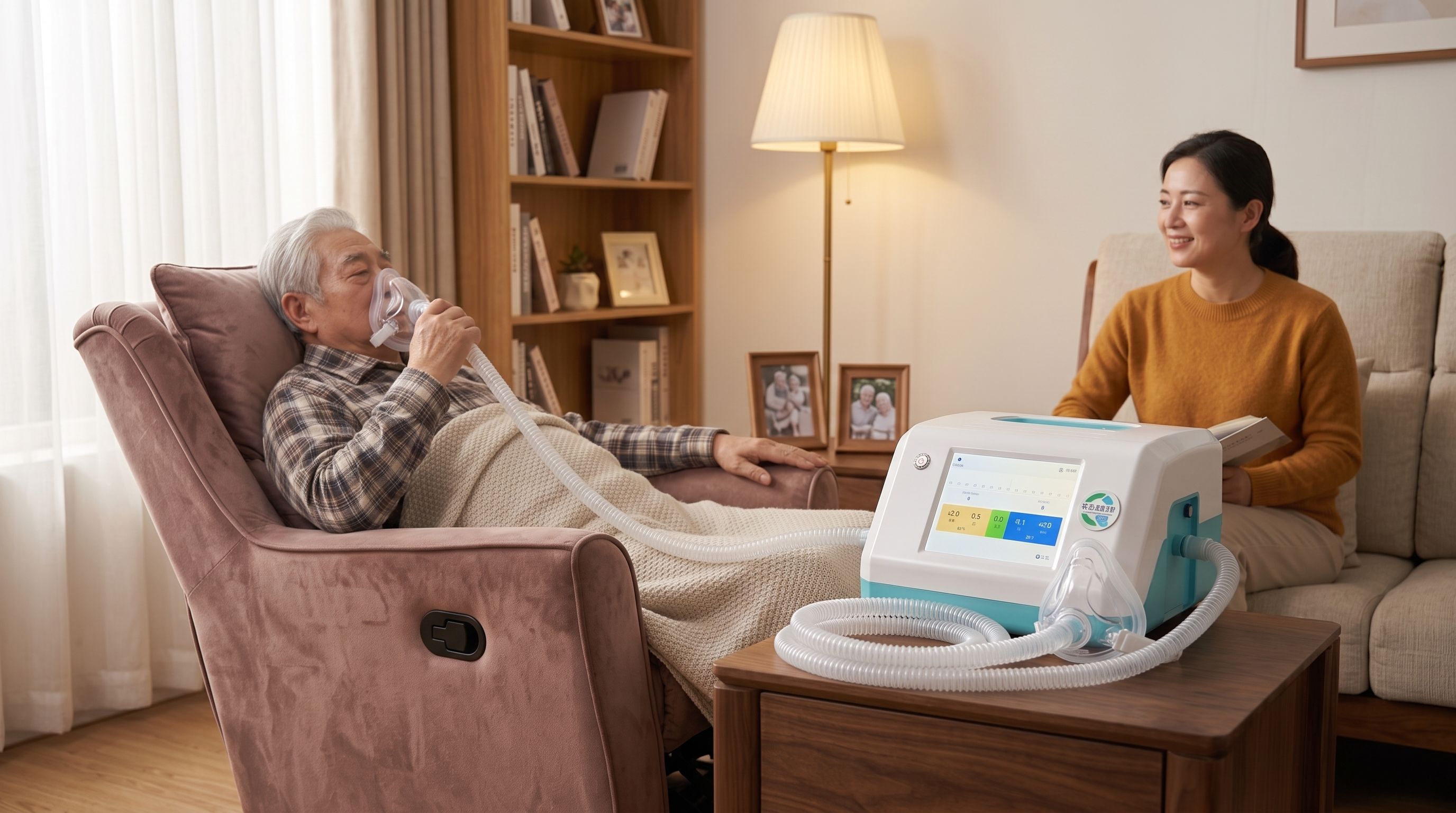
For families providing long-term care at home, easy-to-operate respiratory equipment can help support daily care routines under professional guidance.
Compact design, simple operation, and reliable performance are important considerations for home respiratory care applications.
Choosing a Reliable Cough Assist Device Manufacturer
For hospitals, distributors, and healthcare organizations, choosing the right respiratory equipment supplier is an important decision. Beyond product specifications, factors such as manufacturing capability, quality management, technical support, and customization options should also be considered.
QIJIA MEDICAL focuses on the research, development, and manufacturing of respiratory care equipment, including Cough Assist Device solutions based on Mechanical Insufflation-Exsufflation technology.
Our respiratory equipment solutions are designed to support healthcare providers, medical distributors, and global partners looking for reliable medical device products.
Learn more about our Cough Assist Device (MIE) solutionand explore how respiratory care technology can support different healthcare applications.
Supporting Global Healthcare Partners with ODM and OEM Services
Medical markets around the world have different requirements for respiratory equipment, including product configuration, branding, packaging, and technical specifications.
As a medical device manufacturer, QIJIA MEDICAL provides ODM and OEM cooperation opportunities for international distributors, healthcare companies, and industry partners.
From product customization to manufacturing support, we work with global partners to develop respiratory care solutions that meet regional market needs.
For more information about our manufacturing capabilities and cooperation options, visit our QIJIA MEDICAL ODM/OEM service page.