Transcranial Magnetic Stimulation (TMS): An Advanced Neuromodulation Solution for Mental Health and Neurological Care
Mental health and neurological conditions have become important areas of modern healthcare.
Conditions such as depression, anxiety, sleep disorders, and neurological diseases may affect a person's daily life, emotional wellbeing, and overall quality of life.
With continuous advances in medical technology, healthcare professionals are exploring innovative approaches that support neurological care and rehabilitation.
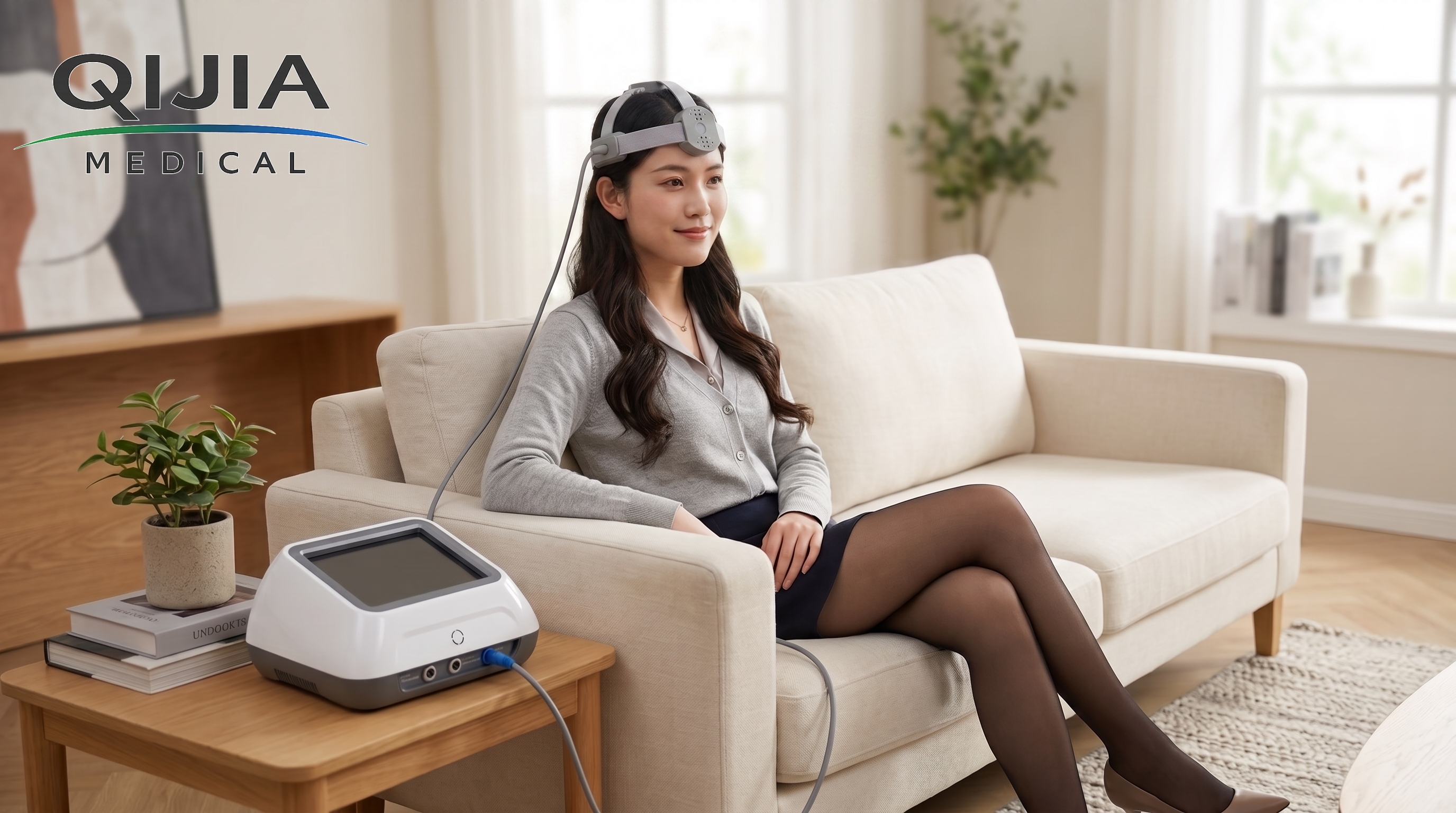
Transcranial Magnetic Stimulation (TMS) is a non-invasive neuromodulation technology that uses magnetic pulses to stimulate specific areas of the brain and has become an important tool in modern neurological and mental health care environments.
Designed for professional healthcare settings, a modern TMS system provides clinicians with an advanced technology option for supporting patients through personalized treatment protocols and comprehensive care programs.
What Is Transcranial Magnetic Stimulation (TMS)?
Transcranial Magnetic Stimulation, commonly known as TMS, is a non-invasive brain stimulation technology that uses electromagnetic fields to generate controlled magnetic pulses.
These magnetic pulses can pass through the skull and stimulate targeted brain regions involved in neurological activity. Unlike invasive procedures, TMS does not require surgical intervention and is performed using specialized medical equipment under professional supervision.
Today, TMS technology is applied in various healthcare environments, including:
TMS and Depression Care Support
Depression is one of the most common mental health conditions worldwide. Many individuals experience challenges related to mood regulation, motivation, emotional balance, and daily functioning.
Traditional healthcare approaches for depression may include medication management, psychological support, lifestyle adjustments, and other professional interventions.
As part of modern neurological care, Transcranial Magnetic Stimulation provides another technology option that healthcare professionals may consider when developing personalized care strategies.
TMS focuses on targeted brain stimulation and allows clinicians to adjust stimulation parameters according to individual requirements, supporting a more personalized approach within professional healthcare environments.
TMS Technology in Anxiety and Stress-Related Neurological Care
Anxiety-related conditions involve complex interactions between brain activity, emotional regulation, and environmental factors.
Healthcare providers continue to research and develop comprehensive approaches to support individuals experiencing anxiety-related challenges.
Through controlled magnetic stimulation, TMS technology provides clinicians with a non-invasive tool for exploring brain activity regulation and supporting neurological care programs.
For medical institutions, advanced TMS equipment represents an opportunity to expand neurological healthcare services with innovative technology.
TMS Applications Related to Sleep Disorders and Insomnia Management
Sleep quality is closely connected with neurological function, emotional health, and daily performance.
Insomnia and sleep-related difficulties may involve multiple factors, including stress, lifestyle, and brain activity patterns.
As research in neuromodulation continues to develop, TMS technology has gained attention as part of broader neurological care approaches related to sleep and mental wellness.
Healthcare professionals can integrate TMS technology into comprehensive assessment and care programs according to individual patient conditions.
TMS and ALS (Amyotrophic Lateral Sclerosis) Neurological Care Support
Amyotrophic Lateral Sclerosis (ALS), also known as motor neuron disease, is a progressive neurological condition that affects motor neurons responsible for muscle movement.
Patients with ALS may experience changes in muscle control, movement ability, and daily living activities, requiring comprehensive multidisciplinary care.
While ALS care mainly focuses on supportive management, rehabilitation, respiratory support, and improving quality of life, researchers continue exploring different technologies that may contribute to neurological understanding and patient support.
Transcranial Magnetic Stimulation (TMS) provides healthcare professionals and researchers with a non-invasive method to explore brain activity and neurological function. In specialized clinical environments, TMS technology can be considered as part of broader neurological assessment and rehabilitation research programs.
For healthcare organizations working in neurology and rehabilitation, advanced neuromodulation equipment offers additional possibilities for developing comprehensive patient care strategies.
TMS Technology and Agitation-Related Care Environments
Agitation can occur in different healthcare situations and may be associated with neurological conditions, cognitive changes, emotional stress, or other medical factors.
Managing agitation often requires a comprehensive approach, including professional evaluation, environmental support, communication strategies, and appropriate healthcare interventions.
As a non-invasive neuromodulation technology, TMS provides healthcare professionals with another advanced tool for studying and supporting brain function within professional care environments.
Hospitals, rehabilitation centers, and neurological care facilities may integrate innovative technologies such as TMS into broader patient-centered care systems.
Key Advantages of Modern Transcranial Magnetic Stimulation Systems
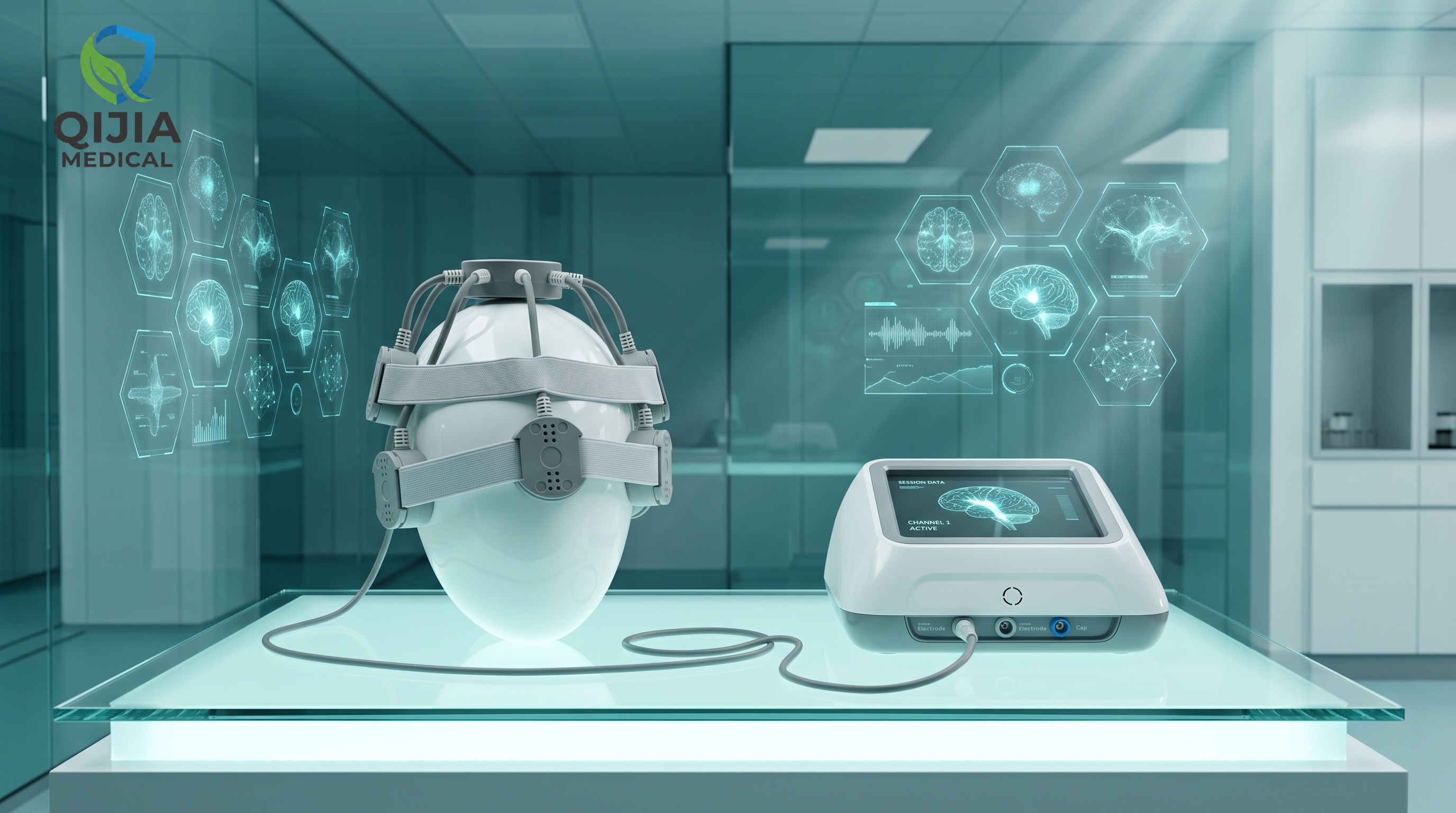
With increasing demand for advanced neurological healthcare solutions, modern TMS systems are designed to provide healthcare professionals with reliable, precise, and user-friendly operation experiences.
Important features of professional TMS equipment may include:
Non-invasive stimulation technology: Provides magnetic stimulation without surgical procedures.
Adjustable stimulation parameters:Allows healthcare professionals to customize settings according to clinical requirements.
Precise positioning support:Helps improve operational accuracy during stimulation procedures.
User-friendly interface:Supports efficient operation in hospitals and rehabilitation environments.
Professional safety design:Designed according to medical device requirements and quality standards.
Learn more about QIJIA MEDICAL's professional Transcranial Magnetic Stimulation solution:
Transcranial Magnetic Stimulation (TMS) System
Why Choose a Reliable TMS Medical Device Manufacturer?
For hospitals, clinics, rehabilitation centers, and medical distributors, selecting the right TMS equipment supplier is an important decision.
A reliable medical device manufacturer should provide not only advanced technology but also strong production capabilities, quality management systems, technical support, and flexible cooperation options.
QIJIA MEDICAL integrates research, development, manufacturing, and global healthcare cooperation to provide professional medical device solutions for international partners.
The company supports OEM and ODM cooperation, helping healthcare organizations develop customized solutions based on different market requirements.
Learn more about our manufacturing capabilities and OEM/ODM cooperation:
QIJIA MEDICAL About Us - OEM/ODM Medical Device Partner
Applications of TMS Equipment in Modern Healthcare Facilities
Transcranial Magnetic Stimulation systems can be used in various professional healthcare environments, including:
As healthcare continues moving toward personalized and technology-driven solutions, TMS represents an important development direction in the field of neuromodulation.
How TMS Supports the Future of Neuromodulation Technology
The development of neuroscience and medical engineering continues to create new opportunities for advanced healthcare technologies.
Transcranial Magnetic Stimulation combines neuroscience research with modern engineering, providing healthcare professionals with a flexible and non-invasive technology platform.
From neurological research to clinical applications, TMS technology continues to play an important role in exploring new approaches for brain health and rehabilitation support.
Frequently Asked Questions About Transcranial Magnetic Stimulation (TMS)
1. What is Transcranial Magnetic Stimulation (TMS)?
Transcranial Magnetic Stimulation (TMS) is a non-invasive neuromodulation technology that uses electromagnetic pulses to stimulate specific areas of the brain. It is widely researched and applied in professional healthcare environments related to neurological and mental health care.
2. What conditions are associated with TMS technology?
TMS technology is commonly associated with neurological and mental health care fields, including depression, anxiety-related conditions, sleep disorders, and neurological rehabilitation research. Healthcare professionals determine whether TMS is appropriate based on individual patient assessment and care plans.
3. How does a TMS system work?
A TMS system generates controlled magnetic pulses through a stimulation coil. These pulses pass through the skull and interact with targeted brain regions, allowing healthcare professionals to perform non-invasive brain stimulation procedures.
4. Is TMS a non-invasive technology?
Yes. Transcranial Magnetic Stimulation is a non-invasive brain stimulation technology that does not require surgical procedures. It is performed using specialized medical equipment under professional healthcare supervision.
5. Can TMS equipment be used in hospitals and rehabilitation centers?
Yes. Professional TMS systems are designed for use in healthcare environments such as hospitals, neurology departments, psychiatric facilities, rehabilitation centers, and medical research institutions.
6. Can medical device companies provide OEM/ODM TMS solutions?
Yes. Experienced medical device manufacturers can provide OEM and ODM cooperation services, including product customization, technical communication, manufacturing support, and cooperation solutions for global healthcare partners.
Choosing QIJIA MEDICAL as Your TMS Equipment Partner
As demand for advanced neurological healthcare technology continues to grow, healthcare organizations require reliable medical device partners who understand both technology development and clinical application needs.
QIJIA MEDICAL focuses on the research, development, and manufacturing of professional medical equipment, providing innovative solutions for global healthcare markets.
With experience in medical device production and international cooperation, QIJIA MEDICAL supports hospitals, distributors, and healthcare partners with professional products and OEM/ODM cooperation services.
For more information about our TMS solutions or global partnership opportunities, please contact our professional team:
Contact QIJIA MEDICAL
Conclusion: Advancing Neurological Care Through TMS Innovation
Mental health and neurological care require continuous innovation, research, and technological development. Conditions such as depression, anxiety, insomnia, and neurological diseases highlight the importance of exploring advanced healthcare solutions.
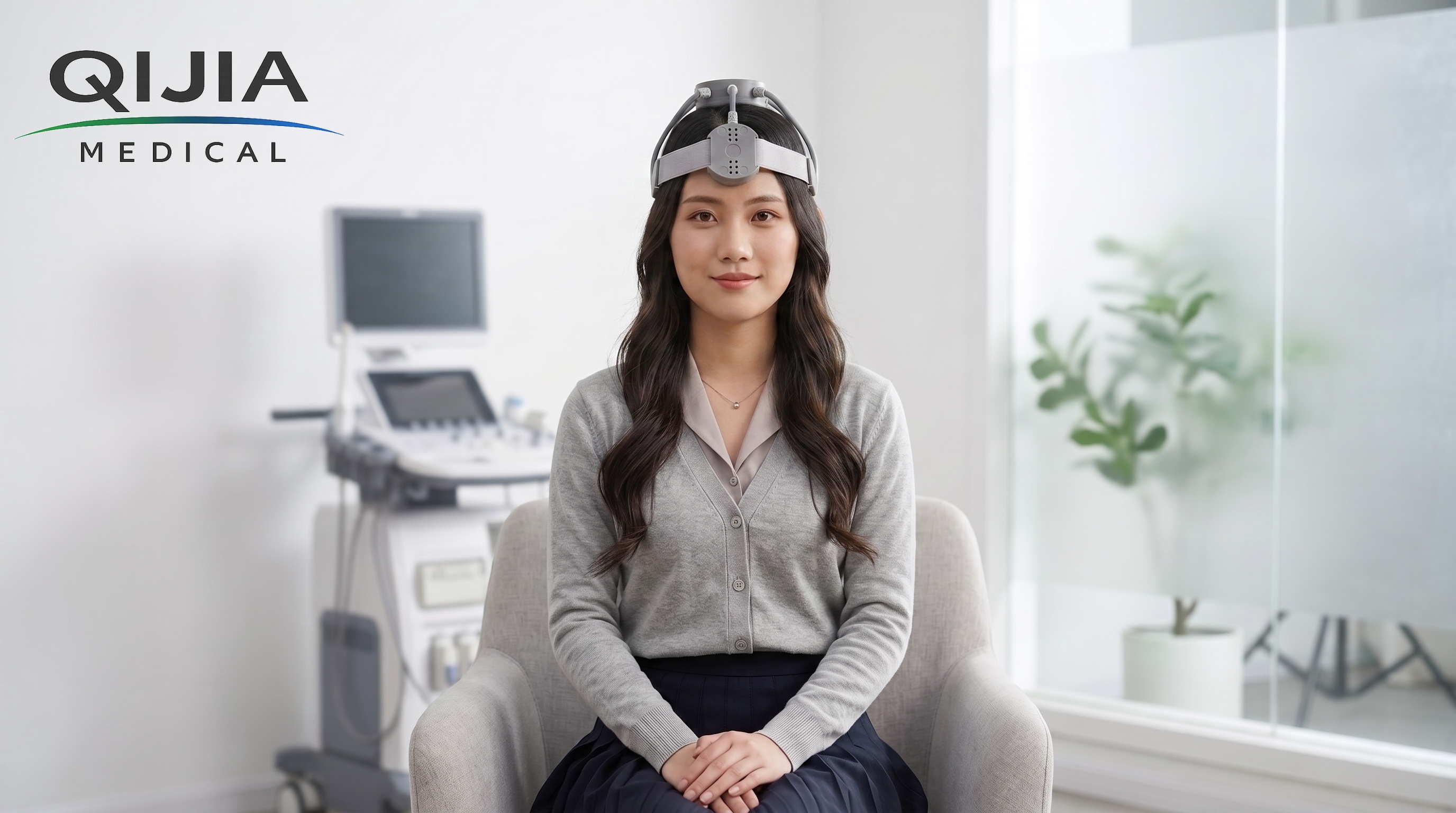
Transcranial Magnetic Stimulation (TMS) provides healthcare professionals with a modern, non-invasive neuromodulation technology option that supports the development of personalized neurological care approaches.
With reliable engineering, professional manufacturing capabilities, and a commitment to healthcare innovation, QIJIA MEDICAL continues to provide advanced medical device solutions for hospitals, rehabilitation centers, and global healthcare partners.