







TMS Equipment Ready for Shipment: From Professional Packaging to Global Healthcare Delivery
Preparing medical equipment for international shipment is an important part of the medical device manufacturing process. For Transcranial Magnetic Stimulation (TMS) equipment, every stage from production and inspection to packaging and transportation preparation requires careful attention.
A finished and carefully packaged TMS system represents more than a completed product. It reflects a combination of manufacturing quality, equipment inspection, professional packaging, and preparation for delivery to healthcare markets around the world.
This article explores how TMS equipment is prepared for shipment, what buyers should consider when selecting a TMS machine, and how a professional medical device manufacturer can support hospitals, clinics, distributors, and international healthcare partners.
What Is Transcranial Magnetic Stimulation?
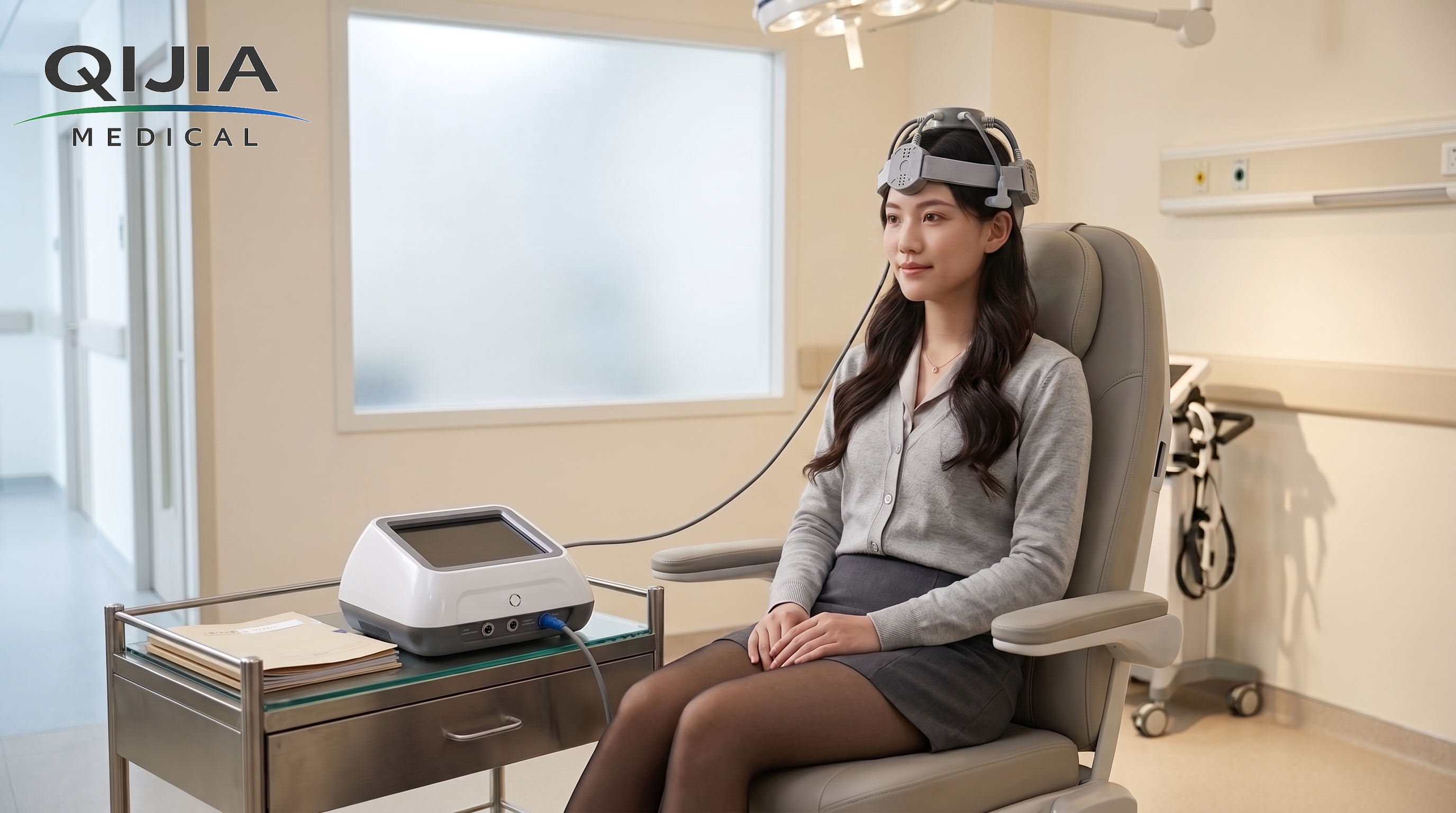
Transcranial Magnetic Stimulation (TMS) is a non-invasive neuromodulation technology that uses magnetic pulses to stimulate specific areas of the brain. A TMS system is designed to deliver controlled magnetic stimulation according to the selected professional protocol.
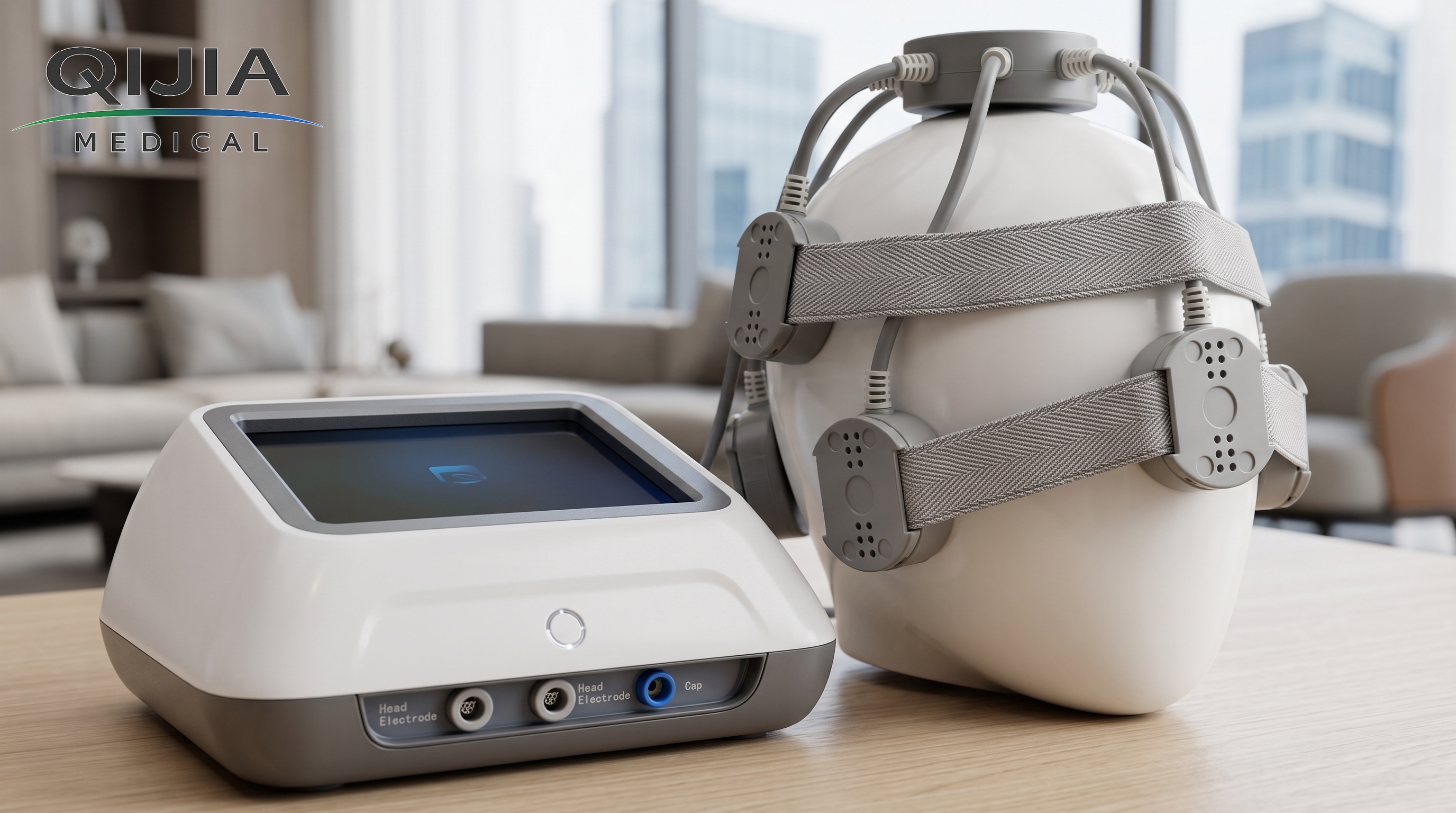
A typical TMS machine may include a main stimulation unit, control interface, stimulation coil, positioning components, and other accessories depending on the product configuration.
TMS technology has attracted significant interest in neurological and mental health-related applications. Its use should follow appropriate professional protocols, applicable regulations, and the guidance of qualified healthcare professionals.
For detailed product information, specifications, and system features, visit our Transcranial Magnetic Stimulation TMS System product page.
Why Proper Packaging Matters for TMS Equipment
Medical equipment may travel long distances before reaching a hospital, clinic, rehabilitation center, distributor, or other healthcare facility. During transportation, equipment can be exposed to vibration, impact, repeated handling, humidity, temperature changes, and other environmental conditions.
Professional packaging helps protect the equipment and its components during transportation. The packaging process should consider the size, structure, weight, accessories, and transportation requirements of the TMS system.
Important components should be positioned securely to minimize unnecessary movement inside the package. Appropriate protective materials can also help reduce the potential impact of handling during loading, unloading, and transportation.
For international medical equipment suppliers, packaging is therefore an important part of the overall delivery process rather than simply an external presentation.
How TMS Equipment Is Prepared for International Shipment
Before a TMS machine leaves the manufacturing facility, several preparation steps are normally completed. These steps help ensure that the equipment is ready for transportation and that the order matches the customer's requirements.
Manufacturing and Assembly
The process begins with manufacturing and assembly. Components are assembled according to the product design, technical specifications, and established manufacturing procedures.
Consistent assembly processes are important for maintaining product quality and ensuring that different production batches meet the required manufacturing standards.
Quality Inspection
After assembly, the TMS equipment can undergo relevant quality inspections and operational checks. These checks help verify that the system is properly assembled and functioning as expected before shipment.
Pre-shipment inspection is particularly important for international orders because the equipment may need to travel considerable distances before reaching the customer.
Configuration and Accessories Check
Different customers may require different equipment configurations or accessories. Before packaging, the main unit, stimulation components, accessories, and other items included in the order should be checked against the customer's requirements.
This step helps reduce the possibility of missing components and can make the receiving and installation process more efficient.
Protective Packaging
Once the inspection and configuration checks are completed, the TMS equipment is carefully placed into suitable protective packaging.
The main equipment and sensitive components should be properly positioned and secured. The objective is to reduce unnecessary movement and provide appropriate protection throughout the transportation process.
Final Shipment Preparation
After packaging is completed, the shipment is prepared for transportation. Depending on the destination and shipping method, relevant documentation, logistics arrangements, and customer communication may also be completed before the equipment leaves the factory.
What Should Buyers Consider When Choosing a TMS Machine?
Choosing a TMS machine involves more than comparing prices. Hospitals, clinics, distributors, and healthcare organizations should evaluate the equipment itself as well as the capabilities of the manufacturer.
Technical Specifications
Buyers should review important technical specifications, stimulation parameters, operating interface, coil configuration, system design, and other relevant features based on their intended professional application.
Product Configuration
Different healthcare facilities may have different requirements. A suitable TMS system should match the intended environment, workflow, and professional requirements of the customer.
Manufacturing Capability
The manufacturer's production capability can influence product consistency, delivery schedules, customization options, and long-term cooperation.
Quality Management
Quality management is an important consideration when purchasing professional medical equipment. Buyers should evaluate the manufacturer's quality control procedures, production processes, certifications, and relevant documentation.
Technical and After-Sales Support
International buyers may require product documentation, technical communication, installation guidance, troubleshooting assistance, and other forms of support. Reliable communication between the manufacturer and customer can make long-term cooperation more efficient.
TMS as a Neuromodulation Technology
TMS belongs to the broader field of neuromodulation. Unlike invasive stimulation technologies, TMS delivers magnetic stimulation from outside the body.
The technology is designed to provide controlled magnetic pulses to specific areas of the brain. Depending on the professional protocol and intended application, TMS may be considered in different neurological and mental health-related settings.
Conditions such as persistent headaches, sleep-related difficulties, low mood, and irritability may involve complex neurological and psychological factors. TMS research and clinical applications continue to explore how controlled brain stimulation may support specific healthcare approaches.
However, TMS should not be presented as a universal solution for every symptom or condition. Patient selection, stimulation protocols, professional supervision, and local regulatory requirements remain important considerations.

Why Choose an Experienced TMS Equipment Manufacturer?
For international buyers, the relationship with a medical device manufacturer can extend far beyond the initial purchase.
An experienced manufacturer can provide support throughout product selection, configuration, production, quality inspection, packaging, shipment, and after-sales communication.
For distributors and healthcare equipment companies, manufacturing consistency is also important when developing a long-term market strategy. Stable production capacity can help support repeated orders and maintain consistency between different batches.
Manufacturers with research and development capabilities may also provide greater flexibility when customers require product modifications or customized solutions.
OEM and ODM Services for TMS Equipment
Medical equipment distributors and healthcare companies may have their own brands, market requirements, product configurations, or packaging specifications. In these situations, OEM and ODM cooperation can provide additional flexibility.
OEM Medical Device Manufacturing
OEM cooperation generally involves manufacturing products according to agreed customer requirements. These requirements may include branding, packaging, product configuration, documentation, and other specifications.
ODM Medical Device Development
ODM cooperation can provide broader support during product development and customization. Depending on the project, customers may work with the manufacturer on product configuration, design requirements, technical specifications, and manufacturing.
QIJIA Medical provides medical device manufacturing and international cooperation solutions. To learn more about our company, manufacturing capabilities, and OEM/ODM services, visit our About Us page.
Global Distribution of TMS Equipment
The global medical equipment market connects manufacturers with hospitals, clinics, distributors, rehabilitation centers, and healthcare organizations in different countries.
International distribution requires more than simply sending a product from one country to another. Product preparation, packaging, documentation, transportation, communication, and destination requirements all need to be considered.
For this reason, manufacturers supplying international markets need to maintain effective communication with customers before, during, and after shipment.
A well-prepared shipment can help create a smoother transition from the manufacturing facility to the customer's location and provide a better foundation for long-term cooperation.
TMS Equipment for Hospitals and Healthcare Facilities
Hospitals and professional healthcare facilities may have specific requirements when purchasing TMS equipment. Space, workflow, equipment configuration, operator requirements, technical support, and local regulatory considerations may all influence purchasing decisions.
Healthcare distributors may have additional requirements related to market positioning, product branding, packaging, documentation, and after-sales support.
Understanding these requirements before placing an order can help buyers select a more suitable TMS equipment supplier and reduce potential issues during delivery and installation.
From Factory Packaging to the Final Destination
When a TMS machine is fully packaged and ready for shipment, it marks the completion of an important stage in the manufacturing process.
Behind a single shipment are multiple steps including manufacturing, assembly, inspection, configuration, packaging, logistics preparation, and communication with the customer.
For international medical equipment businesses, these details matter. Reliable manufacturing and careful shipment preparation can help build confidence between suppliers and healthcare partners.
Every shipment also represents an opportunity to connect medical technology with healthcare professionals and organizations in another market.
QIJIA Medical: Your Medical Device Partner
QIJIA Medical focuses on the research, development, and manufacturing of professional medical equipment for healthcare markets.
Our product portfolio covers several areas of medical technology, including neuromodulation, respiratory care, rehabilitation, and thrombosis prevention.
With integrated manufacturing and development capabilities, QIJIA Medical works with hospitals, medical distributors, healthcare organizations, and international partners seeking professional medical device solutions.
We also support OEM and ODM cooperation for qualified customers who require customized medical equipment solutions.
How to Start a TMS Equipment Project
For customers interested in purchasing TMS equipment, the first step is to clearly define the intended application, target market, required configuration, quantity, and other project requirements.
The manufacturer can then provide relevant product information and discuss specifications, customization options, packaging, delivery, and cooperation details.
For distributors, it can also be useful to discuss long-term requirements at an early stage, including branding, OEM/ODM cooperation, market support, and future order planning.
If you are interested in TMS equipment or would like to discuss a medical device cooperation project, you can contact QIJIA Medical with your requirements.
Frequently Asked Questions About TMS Equipment
What is a TMS machine?
A TMS machine is a professional medical device that uses controlled magnetic pulses to stimulate specific areas of the brain as part of neuromodulation procedures.
How is TMS equipment prepared for shipment?
TMS equipment is typically assembled, inspected, configured, checked with its accessories, securely packaged, and prepared for transportation before shipment.
Can TMS equipment be customized?
Depending on the manufacturer and project requirements, TMS equipment may support customization such as product configuration, branding, packaging, and other OEM or ODM requirements.
Who can purchase TMS equipment?
TMS equipment is generally intended for qualified healthcare organizations, hospitals, clinics, medical distributors, and other professional institutions, subject to applicable local regulations.
Can QIJIA Medical provide OEM and ODM services?
Yes. QIJIA Medical supports OEM and ODM cooperation for qualified international healthcare and medical equipment partners.
Conclusion
The journey of a TMS system does not end when manufacturing is completed. Professional inspection, careful packaging, reliable transportation, and effective communication all contribute to successful international delivery.
As demand for advanced healthcare technologies continues to develop globally, professional medical device manufacturers play an important role in connecting reliable equipment with hospitals, clinics, distributors, and healthcare organizations.
From careful factory preparation to final delivery, every stage contributes to the quality of the overall customer experience. For companies looking for a reliable TMS equipment supplier, TMS machine manufacturer, or OEM/ODM medical device partner, choosing an experienced manufacturing partner is an important step toward long-term cooperation.