







When a Weak Cough Becomes a Respiratory Risk: How Cough Assist Devices Support Airway Clearance
Coughing is one of the body's most important natural defense mechanisms. An effective cough helps move mucus and airway secretions out of the respiratory system. However, when respiratory muscles become weak, a person may no longer be able to generate enough cough strength to clear the airway effectively.
This can become an important concern for people living with neuromuscular diseases, spinal cord injuries, muscular dystrophy, prolonged physical weakness, or other conditions that affect respiratory muscle function. In these situations, a cough assist device may become an important part of an individualized airway clearance strategy.
Why Does a Weak Cough Matter?
A normal cough requires coordination between the inspiratory muscles, expiratory muscles, airway muscles, and the glottis. A person first takes a sufficiently deep breath and then produces a rapid and forceful expiration to create airflow capable of moving secretions.
When the muscles involved in breathing become weaker, the patient may still appear to breathe comfortably at rest while having difficulty producing an effective cough.
This is an important distinction. The problem is not always that the body produces too much mucus. In many patients, the greater challenge is the inability to generate enough airflow to move the mucus out of the airways.
When secretions remain in the respiratory tract, airway clearance can become increasingly difficult, particularly during respiratory infections or periods of reduced physical activity.
From Weak Cough to Secretion Retention
A weak cough can create a cycle that becomes increasingly difficult to manage. When a patient cannot cough strongly enough, secretions may remain in the airways instead of being expelled naturally.
Respiratory muscle strength becomes reduced.
Cough force and expiratory airflow decrease.
Airway secretions become more difficult to clear.
Retained secretions may contribute to airway obstruction and breathing difficulties.
Respiratory infections may place additional stress on an already weakened respiratory system.
For patients with significant cough weakness, airway clearance is therefore more than simply treating visible sputum. The ability to produce an effective cough should also be considered when developing a respiratory care plan.
ALS and Cough Assist: Supporting Airway Clearance
Amyotrophic lateral sclerosis, commonly known as ALS, can progressively affect the muscles responsible for breathing and coughing. As respiratory muscle strength declines, some patients may experience difficulty generating an effective cough.
This can become particularly noticeable when the patient develops a respiratory infection or experiences increased airway secretions.
Mechanical insufflation-exsufflation, commonly known as MI-E or cough assist, is one approach that may be considered for appropriately selected patients with reduced cough effectiveness.
Instead of relying entirely on the patient's own respiratory muscles, the device assists the cough process by providing positive pressure during insufflation and then rapidly changing to negative pressure during exsufflation.
The rapid pressure change is designed to generate expiratory airflow that assists the movement of airway secretions toward the upper airway.
Spinal Muscular Atrophy and Respiratory Secretion Management
Spinal muscular atrophy (SMA) is another condition in which muscle weakness can affect respiratory function. Depending on the patient's age, disease type, and severity, the muscles required for an effective cough may become significantly weakened.
For some patients with SMA, the ability to clear airway secretions can become more challenging during respiratory infections.
Respiratory care may therefore include techniques designed to improve lung volume, strengthen or assist the cough, and support secretion clearance when natural coughing is insufficient.
A cough assist machine can be considered as one component of this type of respiratory management when recommended by qualified healthcare professionals.
Duchenne Muscular Dystrophy: Why Cough Strength Should Not Be Overlooked
Duchenne muscular dystrophy (DMD) is a progressive neuromuscular condition that can affect respiratory muscle strength over time.
As respiratory muscles become weaker, the patient's ability to generate an effective cough may gradually decline. The problem can become more noticeable when respiratory secretions increase.
For patients with significant cough impairment, assisted coughing techniques may be considered as part of respiratory care. Mechanical insufflation-exsufflation is one option used to assist both the inspiratory and expiratory components of coughing.
Early attention to cough effectiveness can also help healthcare professionals establish an appropriate airway clearance strategy before an acute respiratory problem develops.
Spinal Cord Injury and Reduced Cough Strength
Respiratory muscle weakness is not limited to neuromuscular diseases. Certain spinal cord injuries, particularly injuries affecting higher levels of the spinal cord, can also reduce the strength of respiratory muscles and impair coughing.
A patient may have difficulty taking a deep breath and producing the forceful expiration normally required for an effective cough.
In these circumstances, respiratory professionals may evaluate cough strength, respiratory function, secretion retention, and the patient's ability to perform conventional airway clearance techniques.
When a natural cough is not sufficiently effective, mechanical cough assistance may be considered as part of a broader respiratory care program.
Older Adults and Patients With Reduced Physical Strength
Not every elderly person needs a cough assist device. Age alone is not an indication for mechanical cough assistance.
However, some older adults may experience reduced respiratory muscle strength, neurological conditions, prolonged immobility, or general physical weakness that affects their ability to clear airway secretions.
Patients who spend long periods in bed may also have reduced physical activity and difficulty performing effective coughing techniques independently.
In these situations, healthcare professionals may assess whether the patient's cough is strong enough to maintain effective airway clearance and whether additional respiratory support is appropriate.
How Does a Cough Assist Device Work?
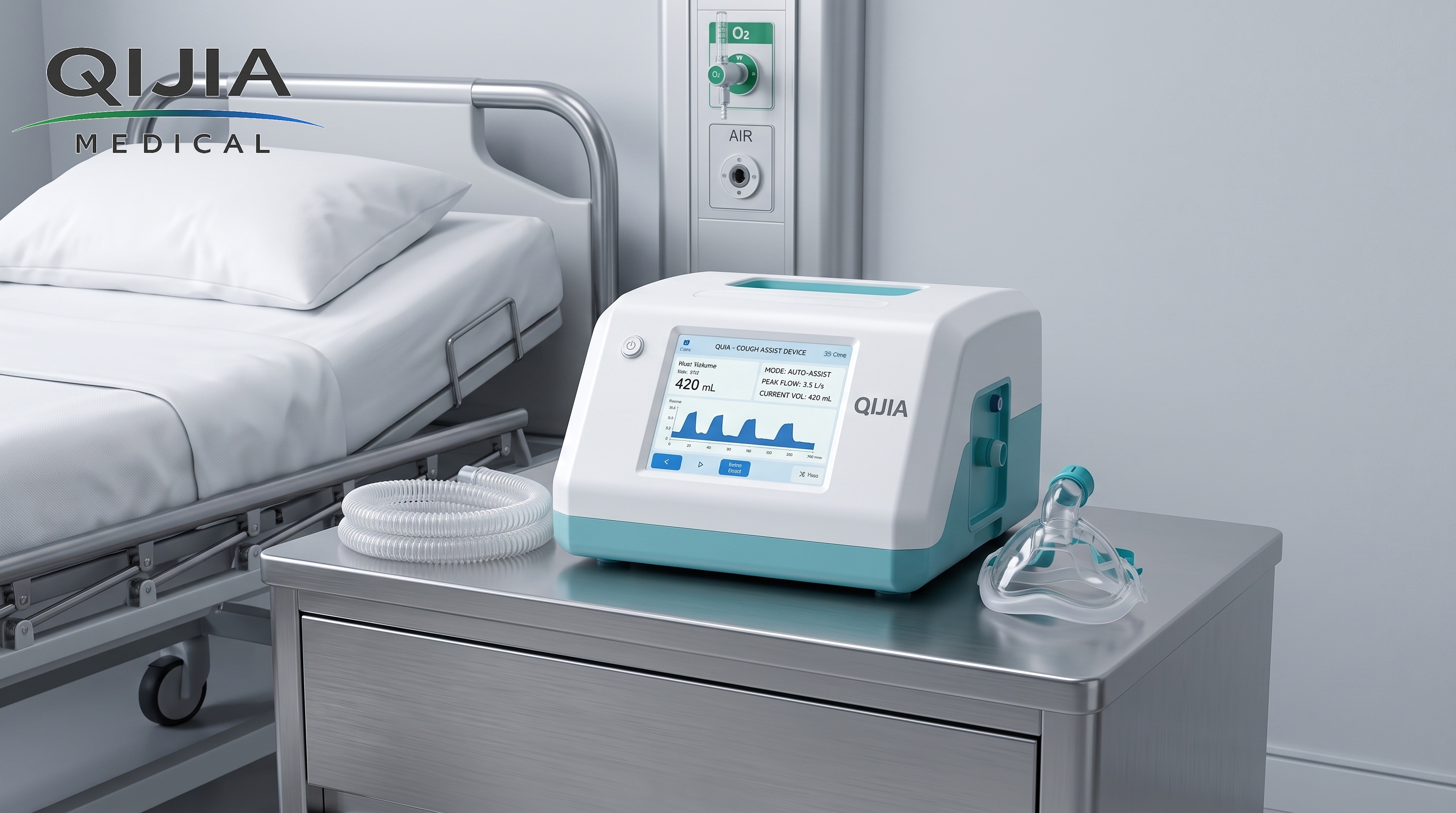
A cough assist device is based on the principle of mechanical insufflation-exsufflation (MI-E). The technology assists the natural cough by creating controlled changes in airway pressure.
1. Positive Pressure During Insufflation
The device delivers positive pressure to help the patient take a deeper breath and increase lung volume.
2. Rapid Pressure Transition
After the inspiratory phase, the device rapidly changes from positive pressure to negative pressure.
3. Negative Pressure During Exsufflation
The negative pressure produces a rapid expiratory airflow that assists the patient's cough and helps move secretions toward the upper airway.
This process is fundamentally different from simply applying suction. Instead of only removing secretions after they reach the upper airway, mechanical insufflation-exsufflation is designed to assist the cough mechanism itself.
Cough Assist Device vs. Suction: Are They the Same?
A common question is whether a cough assist machine is simply another type of suction machine. The two technologies have different functions.
Suction equipment uses negative pressure to physically remove secretions through an appropriate suction interface. A mechanical insufflation-exsufflation device, on the other hand, alternates positive and negative airway pressure to assist the patient's cough.
Depending on the patient's condition, healthcare professionals may use different airway clearance techniques as part of a comprehensive respiratory care plan.
When Should Healthcare Professionals Consider Cough Assistance?
A cough assist device is not intended for every patient with mucus, coughing, or respiratory symptoms. The decision should be based on an appropriate clinical assessment.
Mechanical cough assistance may be considered for selected patients who experience ineffective cough or difficulty clearing respiratory secretions because of conditions such as:
Amyotrophic lateral sclerosis (ALS)
Spinal muscular atrophy (SMA)
Duchenne muscular dystrophy (DMD)
Other muscular dystrophies
Selected neuromuscular diseases
Certain spinal cord injuries
Respiratory muscle weakness
Reduced cough effectiveness associated with prolonged physical weakness
Clinical guidelines recommend considering mechanical insufflation-exsufflation for selected patients with neuromuscular disease whose cough effectiveness cannot be adequately improved through alternative techniques.
Why Airway Clearance Planning Should Start Before an Emergency
Respiratory infections can place additional demands on patients who already have weak respiratory muscles. Increased secretions combined with an ineffective cough can make airway clearance considerably more difficult.
For this reason, respiratory care should ideally be planned before a patient develops an acute respiratory problem.
Healthcare professionals can assess cough effectiveness, respiratory function, secretion management needs, and the patient's ability to tolerate different airway clearance techniques.
When mechanical cough assistance is considered appropriate, patients and caregivers may also benefit from receiving training while the patient is clinically stable rather than learning the technique for the first time during an acute respiratory infection.
Where Can Cough Assist Devices Be Used?
Hospitals
In hospitals, cough assist devices may be incorporated into respiratory therapy and airway clearance programs for appropriately selected patients.
Rehabilitation Centers
Rehabilitation centers may use respiratory care equipment as part of longer-term rehabilitation and airway clearance programs for patients with neuromuscular weakness or impaired cough function.
Long-Term Care Facilities
In long-term care environments, mechanical cough assistance may provide an additional option for patients who require ongoing support with secretion management under an appropriate clinical plan.
Home Respiratory Care
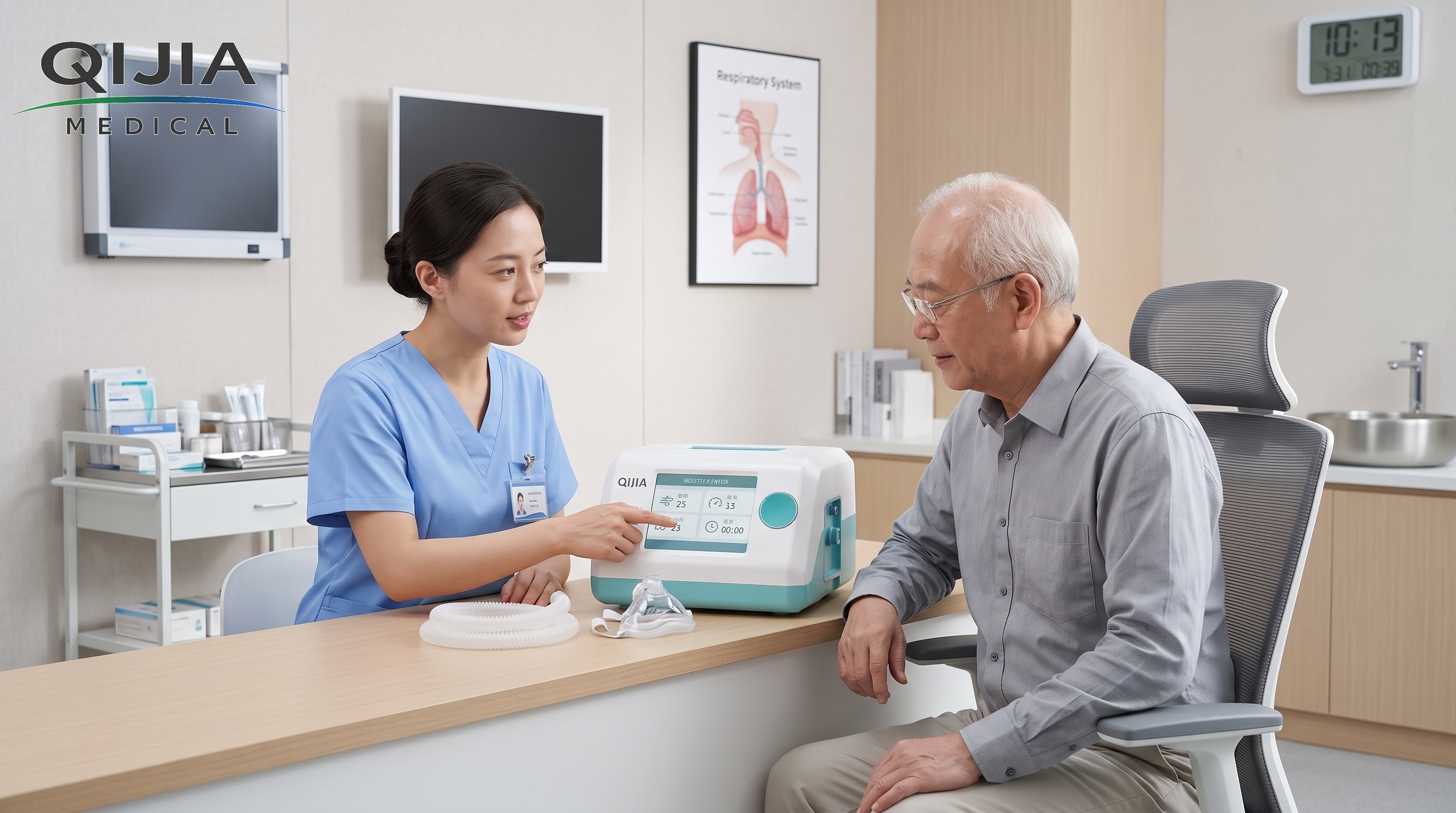
Some patients may use a cough assist device at home when it has been recommended by their healthcare team. Proper patient selection, caregiver training, equipment setup, and follow-up are important parts of responsible home use.
Choosing the Right Cough Assist Device
When hospitals, rehabilitation centers, distributors, and healthcare organizations evaluate a cough assist device, the focus should go beyond the appearance of the machine.
Important considerations can include pressure control, treatment modes, patient interface options, ease of operation, maintenance requirements, portability, and suitability for the intended clinical environment.
Different patient populations may also require different treatment approaches. For this reason, equipment selection should be considered together with clinical requirements, healthcare professional recommendations, and local regulatory requirements.
QIJIA MEDICAL Cough Assist Device Solution
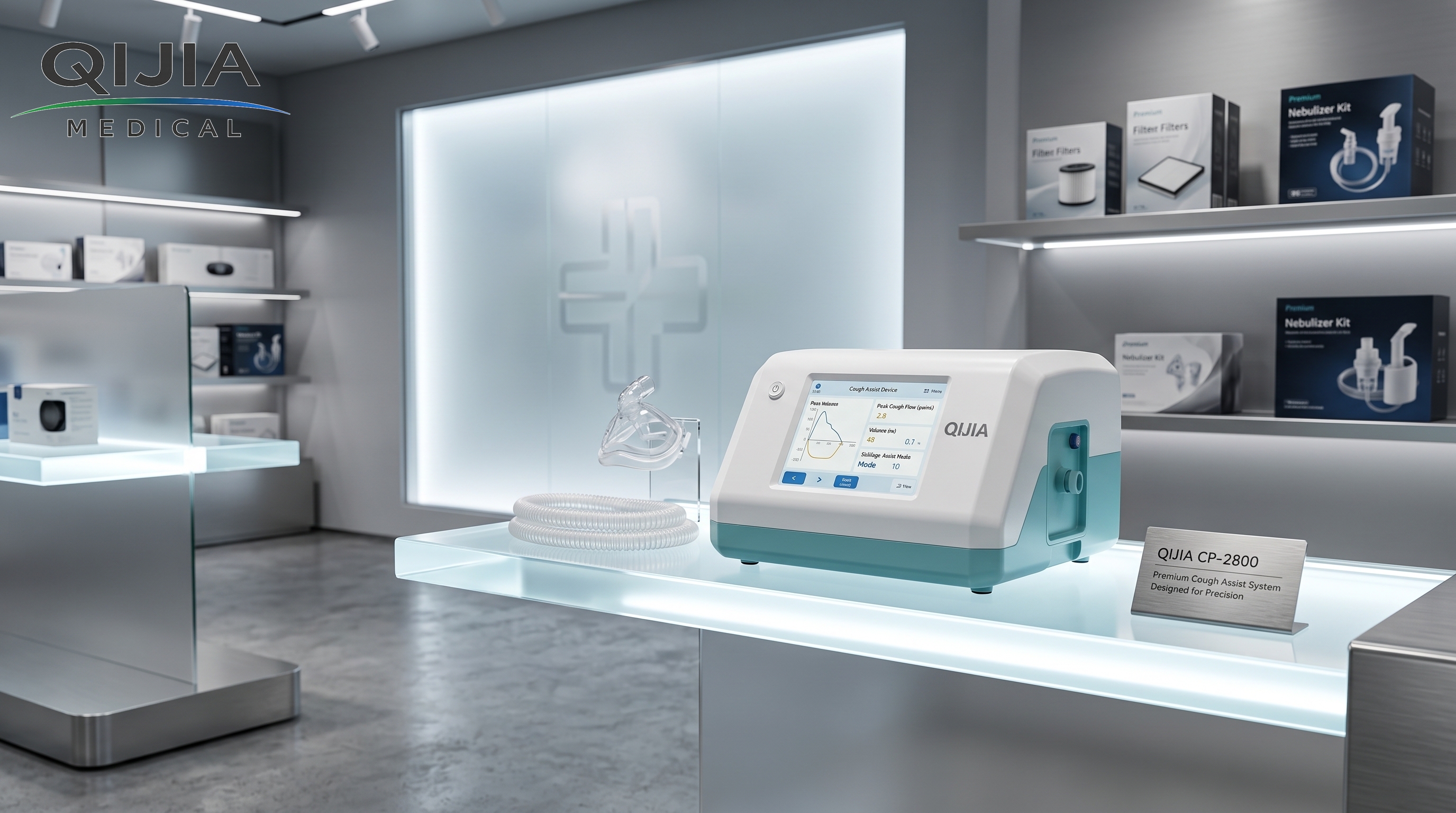
QIJIA MEDICAL develops respiratory care equipment for hospitals, rehabilitation centers, medical institutions, distributors, and other healthcare applications.
Our Cough Assist Device is designed around the mechanical insufflation-exsufflation principle and is intended to provide mechanical assistance for patients with ineffective coughs and airway clearance difficulties.
For distributors, medical equipment companies, and healthcare organizations looking for customized respiratory care equipment, QIJIA MEDICAL also provides ODM/OEM cooperation for suitable projects.
If you are looking for a cough assist machine for a hospital, rehabilitation center, long-term care facility, distribution project, or other healthcare application, you can contact QIJIA MEDICAL for product information and cooperation details.
Final Thoughts
An effective cough is easy to take for granted until respiratory muscle weakness makes it difficult.
For patients with ALS, SMA, muscular dystrophy, spinal cord injury, and other conditions associated with ineffective coughing, airway clearance can become an important part of respiratory management.
A cough assist device does not treat the underlying neurological or muscular disease. Instead, mechanical insufflation-exsufflation can assist the cough process and support secretion clearance in appropriately selected patients.
The most important consideration is not simply whether a patient has mucus, but whether the patient can effectively clear it. Understanding this difference can help healthcare professionals develop a more appropriate and individualized respiratory care strategy.
Frequently Asked Questions About Cough Assist Devices
1. What is a cough assist device?
A cough assist device is a respiratory care device that uses mechanical insufflation-exsufflation (MI-E) to assist the cough process. It provides positive pressure during inspiration and negative pressure during expiration to help generate an assisted cough.
2. Who may need a cough assist machine?
It may be considered for selected patients with ineffective cough caused by neuromuscular weakness, muscular dystrophy, spinal cord injury, or other conditions affecting respiratory muscle function. A qualified healthcare professional should determine whether the device is appropriate.
3. Can a cough assist device be used for ALS patients?
Mechanical insufflation-exsufflation may be considered for appropriately selected ALS patients with reduced cough effectiveness and difficulty clearing airway secretions. Treatment should be incorporated into an individualized respiratory care plan.
4. Can patients with spinal muscular atrophy use a cough assist device?
Cough assistance may be considered for some patients with spinal muscular atrophy when natural coughing is insufficient for effective secretion clearance. The patient's age, respiratory function, disease severity, and clinical condition should be considered.
5. Is a cough assist machine the same as a suction machine?
No. A suction machine physically removes secretions using suction, while a cough assist device uses alternating positive and negative pressure to mechanically assist the cough process. The two technologies may have different roles within a respiratory care program.
6. Can children use a cough assist device?
Mechanical cough assistance may be appropriate for some pediatric patients with ineffective cough. However, treatment settings, interfaces, and clinical protocols should be determined by qualified healthcare professionals based on the child's individual needs.
7. Can elderly patients use a cough assist device?
Age alone does not indicate the need for mechanical cough assistance. However, some elderly patients may have respiratory muscle weakness or other conditions that impair effective coughing. A healthcare professional should assess whether mechanical cough assistance is appropriate.
8. Does a cough assist device cure respiratory disease?
No. A cough assist device does not cure ALS, SMA, muscular dystrophy, spinal cord injury, or other underlying diseases. Its purpose is to assist coughing and airway secretion clearance in appropriately selected patients.
9. Can a cough assist device be used at home?
Some patients may use mechanical cough assistance as part of home respiratory care when recommended by their healthcare team. Appropriate training, caregiver support, equipment setup, and follow-up are important for safe use.
10. How can I learn more about QIJIA MEDICAL's cough assist device?
You can visit the Cough Assist Device product page for more information. Hospitals, distributors, rehabilitation organizations, and medical equipment companies can also learn about ODM/OEM cooperation or contact QIJIA MEDICAL directly.