







Cough Assist Device: Supporting Airway Clearance for Patients Who Cannot Cough Effectively
Coughing is one of the body's natural defense mechanisms to remove mucus and secretions from the airway. However, many patients may lose the ability to generate an effective cough due to surgery, aging, chronic illness, or weakened respiratory muscles. When mucus cannot be cleared properly, it may accumulate in the airway and increase the risk of breathing difficulties and respiratory complications.
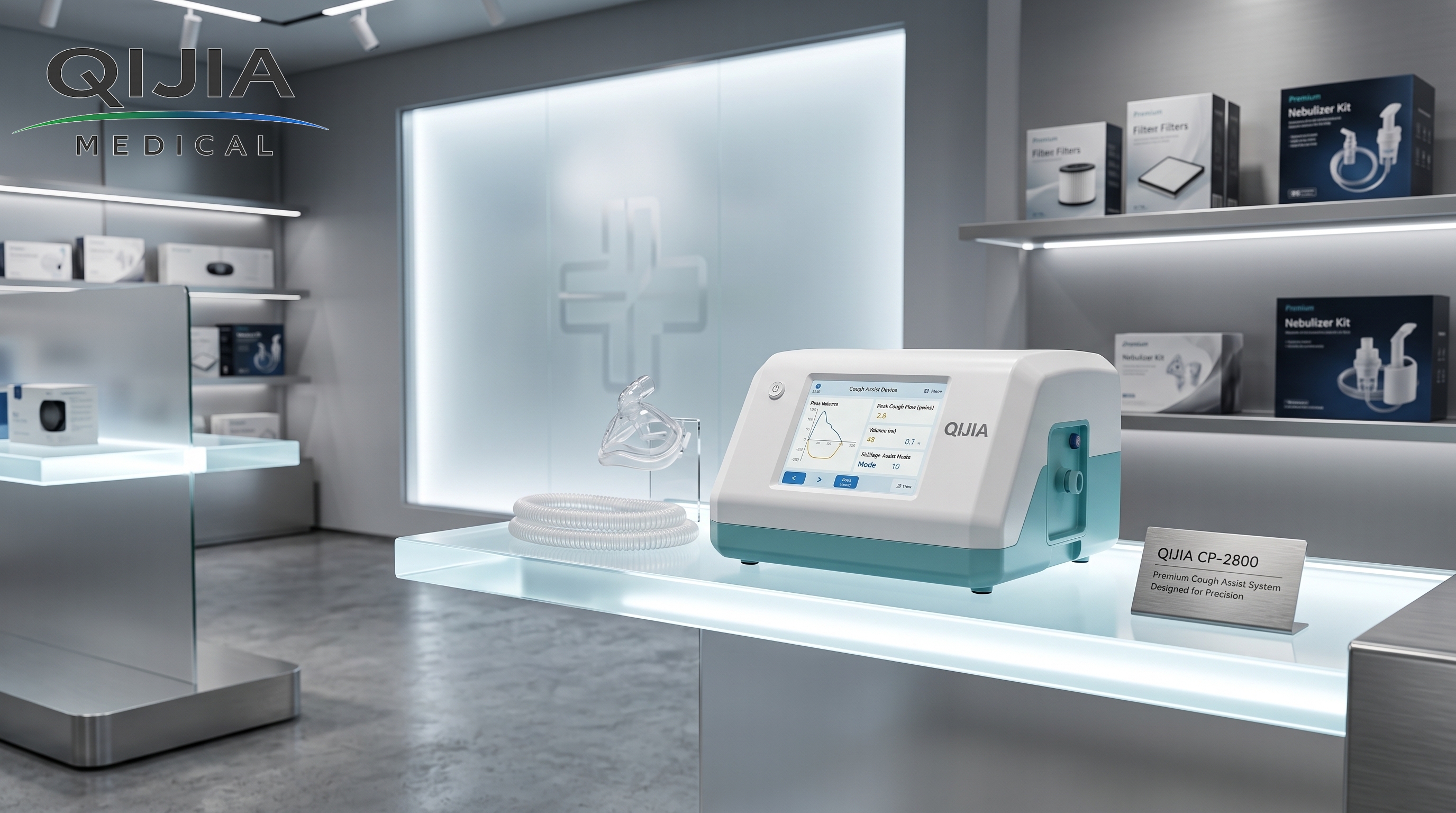
A Cough Assist Device, also known as a Mechanical Insufflation-Exsufflation (MI-E) device, is designed to help patients who have difficulty clearing respiratory secretions independently. By simulating the natural coughing process through controlled pressure changes, it supports airway secretion clearance and provides an additional respiratory care option for hospitals, rehabilitation centers, and home care environments.

Why Some Patients Cannot Clear Sputum Normally?
For healthy individuals, coughing is usually an automatic action. A deep breath followed by a strong cough helps move mucus out of the lungs and airways. However, certain conditions can weaken cough strength or reduce the ability to remove secretions effectively.
Reduced respiratory muscle strength
Weak diaphragm or chest wall movement
Difficulty controlling breathing after surgery
Long-term bed rest and reduced physical activity
Age-related decline in respiratory function
Neurological or muscular disorders affecting cough ability
When mucus remains in the airway for a long time, patients may experience discomfort, difficulty breathing, repeated airway irritation, or increased respiratory care needs.
Post-Surgical Patients: When Cough Strength Is Temporarily Reduced
After major surgery, especially chest, abdominal, or neurological procedures, some patients may temporarily experience weakened coughing ability. Pain, anesthesia effects, reduced mobility, and shallow breathing patterns can make it difficult to clear secretions naturally.
For elderly patients or individuals with existing respiratory weakness, retained mucus after surgery may become a challenge during recovery. Healthcare professionals often focus on early mobilization, breathing exercises, and airway clearance strategies to support recovery.
A Cough Assist Device can be considered as part of respiratory support management for suitable patients who have difficulty producing an effective cough.
Elderly People Living Alone: A Hidden Respiratory Risk
Many elderly individuals live independently and may face increased respiratory risks due to age-related muscle weakness, chronic respiratory conditions, or reduced physical activity.
A simple cough that was once effortless may become weaker over time. When thick mucus builds up and cannot be removed efficiently, elderly people may experience significant discomfort and require timely assistance.
For families and caregivers, improving respiratory care awareness and preparing suitable airway clearance solutions can help provide additional support for elderly patients who need assistance managing respiratory secretions.
Long-Term Bedbound Patients and Secretion Management Challenges
Patients who stay in bed for extended periods often have reduced lung expansion, weaker coughing ability, and limited mobility. This situation is common among some rehabilitation patients, individuals recovering from serious illness, and people requiring long-term care.
Without effective airway clearance methods, mucus may become difficult to remove naturally. Regular respiratory assessment and appropriate airway clearance support are important parts of comprehensive patient care.
Conditions That May Require Additional Cough Assistance Support
A Cough Assist Device may be considered for patients who have ineffective cough and difficulty clearing airway secretions, including:
Neuromuscular disorders
Spinal cord injuries
Stroke rehabilitation patients with reduced cough strength
Patients with respiratory muscle weakness
Chronic respiratory disease patients with secretion clearance difficulties
Patients requiring long-term respiratory care
How Does a Cough Assist Device Work?
A Cough Assist Device uses Mechanical Insufflation-Exsufflation technology. It delivers positive pressure to help expand the lungs, then rapidly switches to negative pressure to create a high expiratory flow that imitates a natural cough.
This pressure transition helps mobilize and move airway secretions, supporting patients who cannot generate sufficient cough force on their own.
Learn more about our respiratory solution:Cough Assist Device
Designed for Hospitals, Rehabilitation Centers and Home Respiratory Care
Modern respiratory care requires flexible solutions that can support different patient environments. A portable Cough Assist Device can be used in hospitals, rehabilitation facilities, nursing care environments, and selected home care scenarios under professional guidance.
For medical distributors and healthcare partners, QIJIA MEDICAL provides medical equipment development and manufacturing capabilities, including OEM and ODM cooperation.
Learn more about our company and manufacturing capabilities:QIJIA MEDICAL OEM/ODM Solutions
Choose a Reliable Respiratory Care Partner
Respiratory care equipment requires stable performance, reliable quality control, and professional manufacturing experience. QIJIA MEDICAL focuses on developing respiratory and rehabilitation medical equipment solutions for global healthcare markets.
If you are looking for a Cough Assist Device supplier, distributor cooperation, or OEM/ODM medical equipment solution, please contact our team.

Frequently Asked Questions (FAQ)
1. What is a Cough Assist Device used for?
A Cough Assist Device is used to help patients who have difficulty producing an effective cough and clearing respiratory secretions. It supports airway clearance by simulating the natural coughing process.
2. Who may benefit from using a Cough Assist Device?
Patients with weakened cough ability caused by respiratory muscle weakness, neurological conditions, long-term illness, surgery recovery, or other medical situations may require additional airway clearance support.
3. Can a Cough Assist Device be used at home?
Some Cough Assist Devices are designed for use in home respiratory care environments. Patients should follow healthcare professional guidance regarding operation, settings, and treatment plans.
4. Is a Cough Assist Device the same as a ventilator?
No. A Cough Assist Device is mainly designed to assist airway secretion clearance by supporting cough effectiveness. A ventilator is designed to provide breathing support for patients who cannot breathe adequately on their own.
5. Does QIJIA MEDICAL provide OEM and ODM services?
Yes. QIJIA MEDICAL provides OEM and ODM cooperation for medical equipment partners worldwide, offering manufacturing support and customized solutions according to market requirements.