







Airway Clearance System: Supporting Respiratory Care for ICU Patients, Home Care and Neuromuscular Disorders
Effective airway management plays an essential role in respiratory health, especially for patients who experience difficulty clearing airway secretions due to critical illness, chronic respiratory conditions, or weakened respiratory muscles.
When mucus accumulates inside the airway, it may restrict airflow, increase the risk of respiratory complications, and negatively affect quality of life. For patients with limited coughing ability or impaired mucus clearance, professional airway clearance solutions can become an important part of long-term respiratory care.
The QIJIA Airway Clearance System uses High-Frequency Chest Wall Oscillation (HFCWO) technology with an inflatable vibration vest to provide non-invasive airway clearance support. Through repeated inflation and deflation cycles, the vest delivers gentle chest wall oscillations, helping mobilize retained secretions and supporting more effective airway hygiene.
The Importance of Airway Clearance in Respiratory Care
The respiratory system naturally relies on coughing and the mucociliary system to remove mucus and foreign particles. However, certain diseases and medical conditions can weaken these natural defense mechanisms.
Patients who cannot effectively cough or move mucus out of their lungs may experience:
Accumulation of thick airway secretions
Difficulty breathing caused by mucus obstruction
Higher risk of repeated respiratory infections
Reduced respiratory comfort and daily activity ability
For these patients, airway clearance is not only a short-term medical concern but also an important part of continuous respiratory management.
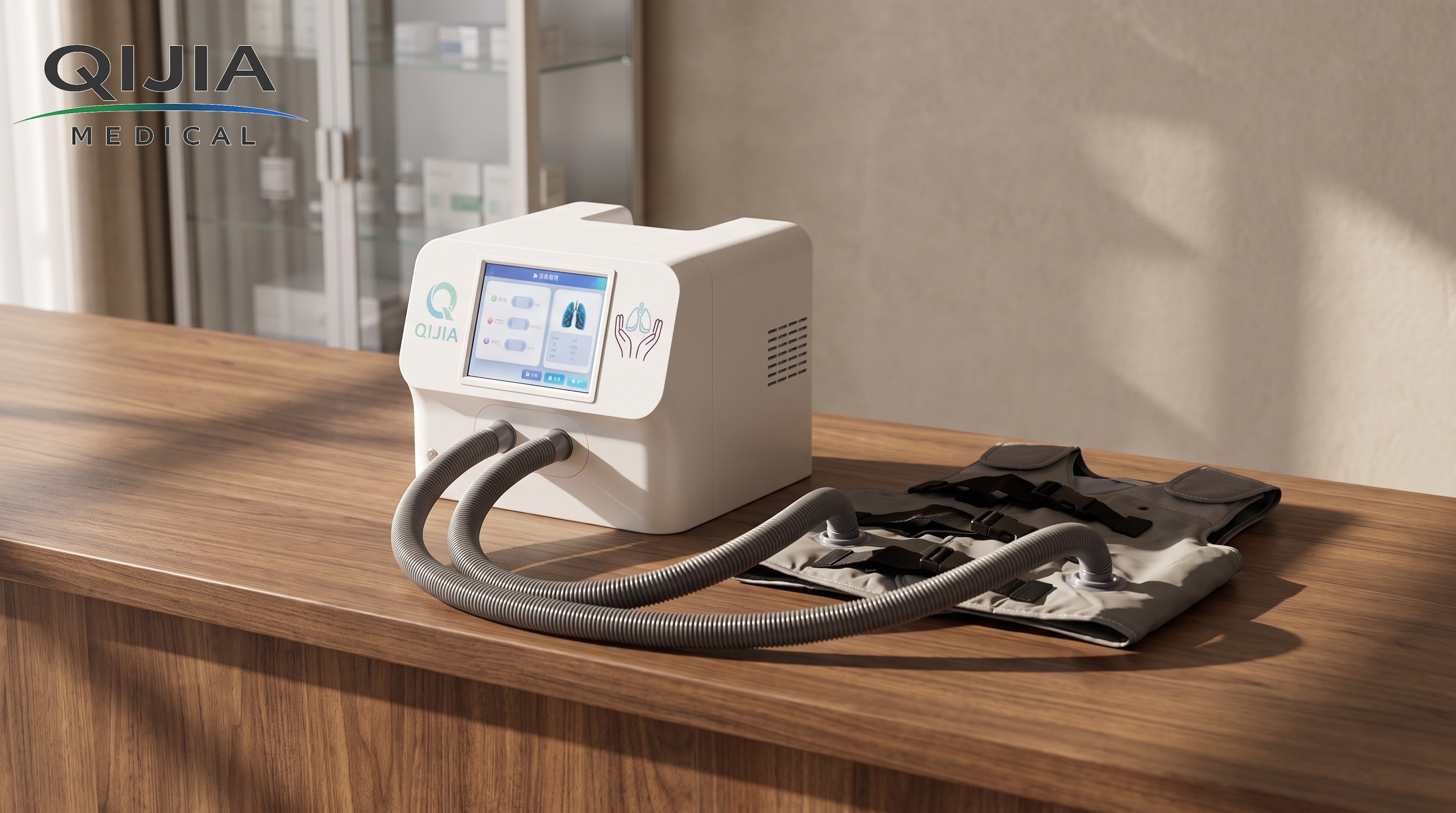
Airway Clearance System Applications in ICU and Critical Care
Patients in Intensive Care Units (ICU) often face increased respiratory challenges due to prolonged hospitalization, reduced mobility, mechanical ventilation, surgery recovery, or severe illness.
Many critically ill patients have weakened cough strength and limited ability to remove airway secretions independently. Excess mucus retention may contribute to respiratory complications and prolong the recovery process.
Common ICU-related application scenarios include:
Patients requiring prolonged respiratory support
Patients recovering after major surgery
Patients with reduced consciousness or limited mobility
Patients with difficulty generating an effective cough
Long-term hospitalized patients requiring respiratory care support
In these situations, HFCWO airway clearance technology provides a non-invasive approach that can be integrated into respiratory care programs under professional guidance.
Home Respiratory Care: Bringing Airway Management Beyond the Hospital
Many patients with chronic respiratory challenges require continuous airway management after leaving the hospital. Home respiratory care has become increasingly important for elderly patients, individuals with disabilities, and people living with chronic conditions.
Traditional airway clearance methods may require significant physical effort, which can be difficult for patients with reduced strength or limited mobility.
An airway clearance system with an inflatable vest can support home-based respiratory care by providing a more structured and repeatable airway clearance routine.
Potential home care users may include:
Elderly patients with reduced respiratory strength
Long-term bedridden patients
Patients receiving home respiratory management
Individuals requiring caregiver-assisted airway clearance
The goal of home airway clearance is not to replace medical treatment, but to support daily respiratory management and improve patient care efficiency.
Supporting Patients with ALS and Neuromuscular Disorders
Neuromuscular disorders can significantly affect respiratory function because breathing muscles and cough strength may gradually become weaker.
For patients with conditions such as Amyotrophic Lateral Sclerosis (ALS), Spinal Muscular Atrophy (SMA), or muscular dystrophy, ineffective coughing can make it harder to remove airway secretions.
Respiratory complications are among the major concerns in advanced neuromuscular diseases. Maintaining effective airway clearance becomes an important aspect of supportive respiratory care.
Airway clearance systems using HFCWO technology may help these patients by:
Providing mechanical chest wall oscillation support
Helping loosen retained mucus
Supporting secretion mobilization when cough ability is reduced
Assisting caregivers in daily respiratory management
For patients with limited physical ability, passive airway clearance solutions can provide additional support as part of a comprehensive respiratory care plan.
Respiratory Conditions Associated with Airway Clearance Needs
Bronchiectasis
Bronchiectasis is a chronic lung condition characterized by damaged and widened airways, which can lead to mucus retention and repeated respiratory infections.
Because mucus clearance is often impaired, many patients require regular airway clearance techniques to help manage secretion buildup and maintain airway hygiene.
Cystic Fibrosis (CF)
Cystic Fibrosis is a genetic disease that causes abnormally thick mucus production. The thick secretions may block airways and increase respiratory burden.
Long-term airway clearance is an important part of respiratory management for many individuals with CF. HFCWO vest therapy is widely recognized as one of the mechanical airway clearance approaches used in respiratory care.
COPD and Chronic Bronchitis
Some patients with Chronic Obstructive Pulmonary Disease (COPD), especially those with excessive mucus production, may experience difficulties maintaining clear airways.
For selected patients, airway clearance support may help improve mucus management as part of a broader respiratory care strategy.
Primary Ciliary Dyskinesia (PCD)
Primary Ciliary Dyskinesia affects the function of airway cilia, reducing the body's natural ability to move mucus out of the lungs.
Patients with PCD often require lifelong respiratory management, including airway clearance techniques to support mucus removal.
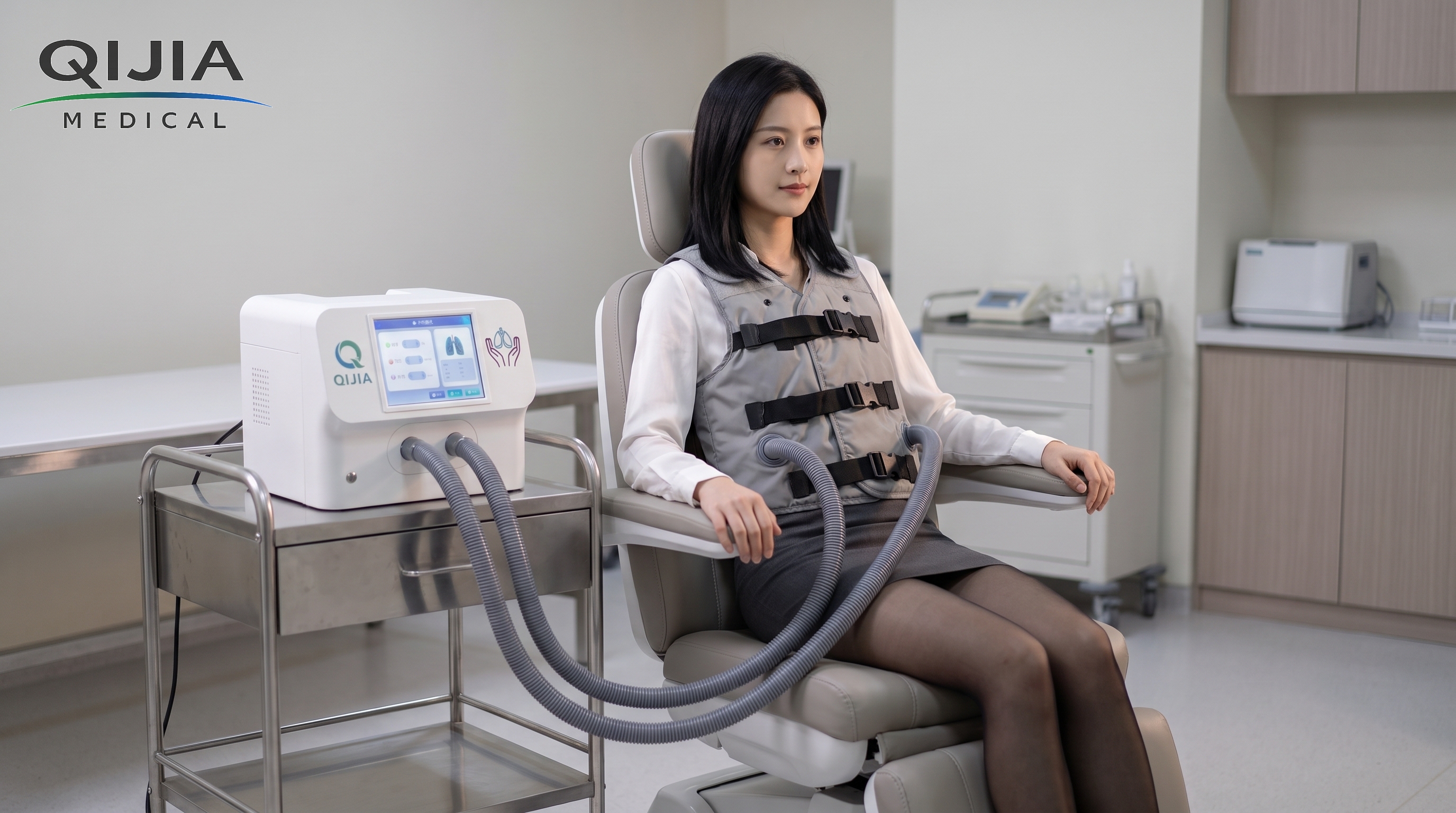
How QIJIA Airway Clearance System Supports Respiratory Management
The QIJIA Airway Clearance System is designed for professional respiratory care environments and long-term respiratory management scenarios.
Inflatable vibration vest design: Provides comfortable chest wall oscillation through controlled inflation and deflation.
High-frequency oscillation technology: Helps loosen airway secretions and supports mucus mobilization.
Non-invasive operation: Offers a patient-friendly approach without requiring invasive procedures.
Multiple application scenarios: Suitable for hospitals, rehabilitation centers, long-term care facilities, and home care environments.
Choosing a Reliable Airway Clearance Device Manufacturer
For healthcare providers, distributors, and medical equipment partners, selecting a reliable manufacturer is essential.
QIJIA MEDICAL focuses on respiratory care and rehabilitation solutions, providing medical equipment development, manufacturing, OEM and ODM services for global healthcare partners.
With professional production capabilities and experience in medical device solutions, QIJIA supports distributors and healthcare organizations looking for reliable respiratory care products.
Learn more about our company and OEM/ODM cooperation:QIJIA MEDICAL About Us
Conclusion
Airway clearance is a critical part of respiratory management for patients with impaired mucus removal ability. From ICU critical care to home respiratory support, and from ALS-related respiratory challenges to chronic pulmonary diseases, maintaining effective airway hygiene can play an important role in improving patient care.
The QIJIA Airway Clearance System provides a non-invasive HFCWO solution designed to support healthcare professionals, caregivers, and patients who require additional airway clearance assistance.
For product information, technical details, or partnership opportunities, please contact QIJIA MEDICAL:Contact Us
Frequently Asked Questions (FAQ)
1. What is an Airway Clearance System?
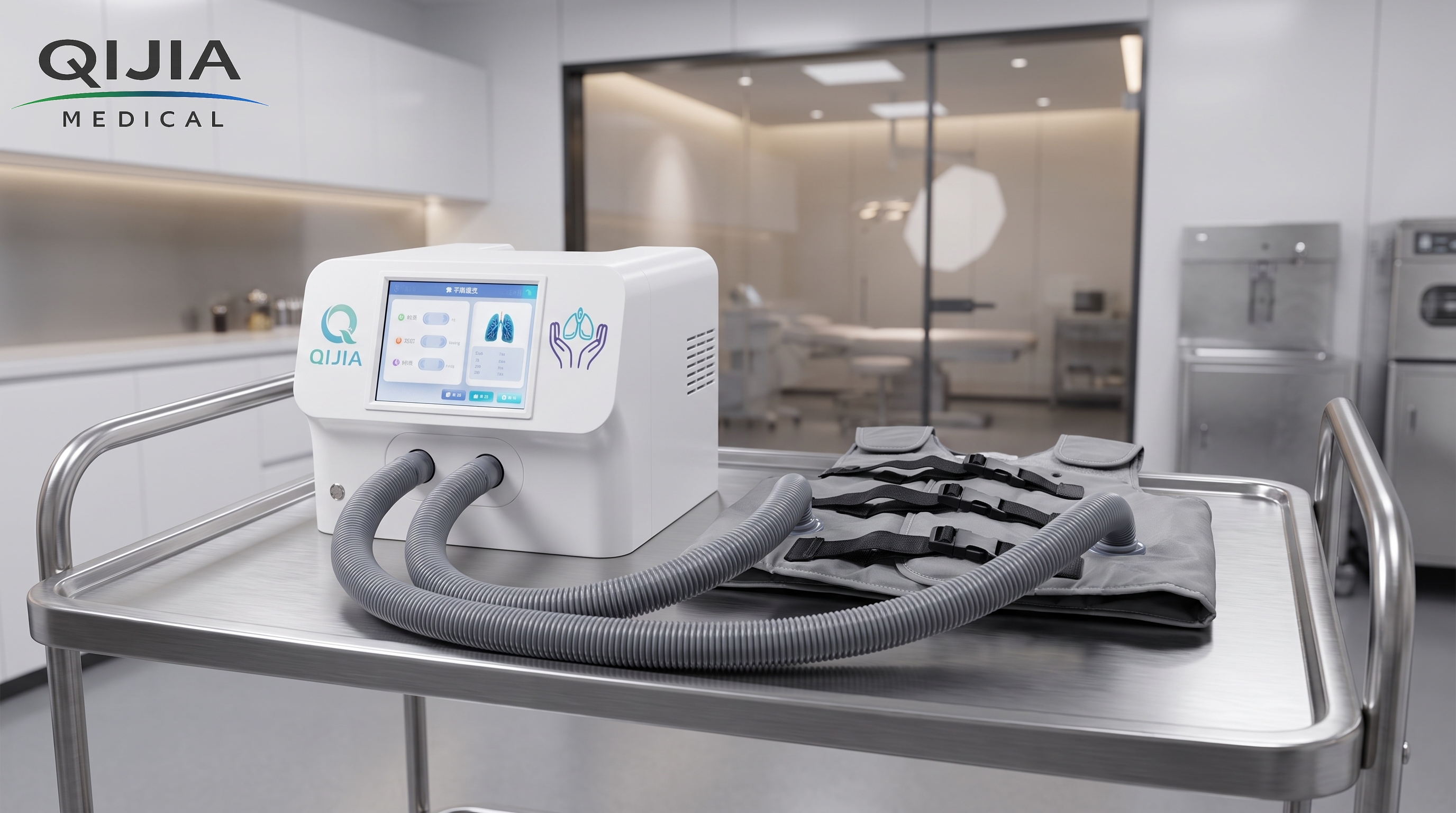
An Airway Clearance System is a medical device designed to support the removal of airway secretions. HFCWO systems use an inflatable vest to create repeated chest wall oscillations, helping mobilize mucus.
2. Who may benefit from airway clearance therapy?
Patients with mucus retention, weakened cough ability, chronic respiratory diseases, neuromuscular disorders, or long-term respiratory care needs may benefit from airway clearance support under professional medical guidance.
3. Can an Airway Clearance System be used at home?
Yes. Some airway clearance systems are designed for home respiratory care, especially for patients requiring long-term airway management and caregiver support.
4. Is HFCWO therapy suitable for ALS patients?
ALS patients may experience reduced cough effectiveness and difficulty clearing airway secretions. HFCWO may provide supportive airway clearance assistance as part of a comprehensive respiratory care plan.
5. What is the difference between traditional chest physiotherapy and HFCWO?
Traditional chest physiotherapy often requires manual techniques performed by caregivers or therapists. HFCWO uses an inflatable vest system to provide mechanical chest wall oscillation and can offer a more standardized approach to airway clearance support.
6. Does QIJIA provide OEM and ODM services?
Yes. QIJIA MEDICAL provides OEM and ODM solutions for global medical equipment distributors and healthcare partners.