







DVT Risk After Fractures: Why Blood Clot Prevention Matters During Immobilization
A fracture can change a person's daily life in an instant. Whether it involves the ankle, lower leg, knee, or hip, recovery may require surgery, a plaster cast, a brace, or a prolonged period of restricted movement. While treatment often focuses on bone healing and pain management, another important concern deserves attention: deep vein thrombosis (DVT).
DVT occurs when a blood clot forms in a deep vein, most commonly in the leg. Following certain fractures and orthopedic procedures, a combination of tissue injury, reduced mobility, and individual risk factors can increase the likelihood of venous thromboembolism (VTE). Understanding this risk helps healthcare professionals develop appropriate prevention plans throughout recovery.
For selected patients, intermittent pneumatic compression (IPC) may be considered as part of a mechanical DVT prevention strategy. However, the appropriate approach depends on the type of injury, the patient's clinical condition, and whether compression can be applied safely.

1. How Can a Fracture Increase the Risk of DVT?
A fracture is more than a break in the bone. Depending on its severity, it may also injure surrounding soft tissues and blood vessels, trigger an inflammatory response, and require substantial restrictions on movement. These changes can contribute to an environment in which blood clots are more likely to develop.
Reduced Movement Slows Venous Blood Flow
Under normal conditions, walking and regular leg movement activate the calf muscles, helping push venous blood toward the heart. When a person cannot bear weight or move the affected limb normally, this muscle-pump action may decrease. Reduced movement can contribute to venous stasis, an important factor in DVT development.
Trauma Can Affect the Body's Clotting Response
Significant injuries can activate the body's clotting mechanisms. When trauma-related changes occur alongside reduced mobility, the overall risk of VTE may increase. The degree of risk varies considerably according to the injury, associated tissue damage, other medical conditions, and treatment received.
Surgery and Hospitalization May Add Further Risk
Some fractures require surgery, hospitalization, or extended rehabilitation. Major orthopedic procedures, particularly hip fracture surgery and certain lower-limb operations, are recognized settings in which VTE prevention deserves careful attention.
Not every fracture carries the same level of risk. A minor isolated injury treated with a short period of immobilization is different from a major fracture requiring surgery and prolonged restricted mobility. Prevention decisions should reflect this distinction.
2. Which Fractures and Immobilization Situations Need Particular Attention?
The need for DVT prevention depends on the patient's overall clinical risk rather than the presence of a fracture alone. Healthcare professionals may pay particular attention to the following situations.
Hip Fractures and Major Orthopedic Surgery
Hip fractures can significantly reduce mobility, especially among older adults. Surgery, hospitalization, and a period of limited walking may add to the risk of VTE. A structured prevention plan is therefore an important part of care for eligible patients undergoing hip fracture treatment.
Lower-Leg, Ankle, and Knee Injuries
Fractures involving the lower leg or ankle may require a cast, brace, or other form of immobilization. Some patients cannot place weight on the affected limb for several weeks. The resulting reduction in movement may contribute to blood clot risk, particularly when additional risk factors are present.
However, routine pharmacological or mechanical prophylaxis is not necessary for every isolated lower-leg injury. Current recommendations vary according to the injury, individual risk factors, and clinical circumstances. A clinician should determine whether preventive measures are appropriate.
Pelvic Fractures and Major Trauma
Pelvic fractures and severe trauma may involve extensive tissue injury, surgery, and prolonged immobility. These patients may have several simultaneous risk factors for VTE, while active bleeding or other injuries can complicate decisions about prevention.
The clinical team must balance the risk of clot formation against bleeding risk and select suitable preventive measures as the patient's condition evolves.
Patients Using Casts, Braces, or External Fixation
Immobilization devices help protect an injury while the bone and surrounding tissues heal. At the same time, they may limit normal joint movement and walking. Patients should understand their individualized prevention instructions and know when to report new symptoms.
A cast or brace must not be altered to accommodate a compression device without appropriate clinical direction. The position of the injury, pressure points, circulation, skin condition, and device compatibility all need to be considered.
3. Why Can DVT Be Dangerous During Fracture Recovery?
Recovery from a fracture can involve pain, swelling, bruising, and changes in skin color. Unfortunately, some symptoms of DVT can overlap with normal injury-related symptoms, making it difficult for patients and caregivers to distinguish between them without medical assessment.
Possible warning signs of DVT include:
New or increasing swelling in one leg.
Pain or tenderness in the calf or thigh that is not adequately explained by the injury.
Unusual warmth or discoloration of the affected leg.
Swelling or discomfort that changes unexpectedly during recovery.
These symptoms do not necessarily mean that a blood clot is present, and DVT can sometimes occur without obvious symptoms. New or unexplained changes should be assessed promptly by a healthcare professional rather than attributed automatically to the fracture.
The Potential for Pulmonary Embolism
A serious complication occurs when a blood clot travels to the lungs and blocks a pulmonary artery, causing a pulmonary embolism (PE). This can be life-threatening and requires urgent medical attention.
Sudden shortness of breath, chest pain, coughing up blood, fainting, or sudden collapse may indicate PE. Seek emergency medical care immediately if these symptoms occur.
Recognizing warning signs and following a clinician-directed prevention plan are important parts of safe orthopedic recovery.
4. How Is DVT Risk Managed During Immobilization?
DVT prevention after a fracture should be individualized. The healthcare team considers the type of injury, the degree and expected duration of immobility, surgical treatment, previous VTE, other medical conditions, and the risk of bleeding.
Encourage Safe Mobilization When Appropriate
When permitted by the treating clinician, early movement and progressive rehabilitation can help patients regain function. Depending on the injury, this may involve walking with assistance, using mobility aids, or performing prescribed movements that do not compromise fracture stability.
Patients should not begin weight-bearing or exercises that conflict with orthopedic instructions. Protecting the healing injury remains essential.
Evaluate the Need for Anticoagulant Medication
For some patients, medication may be recommended to reduce clot formation. The decision depends on the patient's VTE risk, bleeding risk, injury severity, and treatment plan. Medication is not required for every fracture or period of immobilization.
Consider Mechanical Prophylaxis for Eligible Patients
Mechanical methods, including intermittent pneumatic compression, may be considered in appropriate clinical settings. These devices apply repeated cycles of pressure through inflatable garments to help promote venous blood flow.
IPC may be particularly relevant when a clinician identifies a need for mechanical prophylaxis, including certain hospitalized patients with limited mobility. It is not automatically appropriate for every patient with a fracture, and the injured limb must be assessed before a garment is applied.
Continue Monitoring During Recovery
VTE risk can change as the patient moves from emergency treatment to surgery, hospitalization, rehabilitation, and eventual recovery at home. Prevention plans should be reviewed when mobility changes or new medical concerns arise.
Patients and caregivers should follow the discharge instructions and ask the healthcare team how long any prescribed preventive measures should continue.
5. How Does an Intermittent Pneumatic Compression Device Support DVT Prevention?
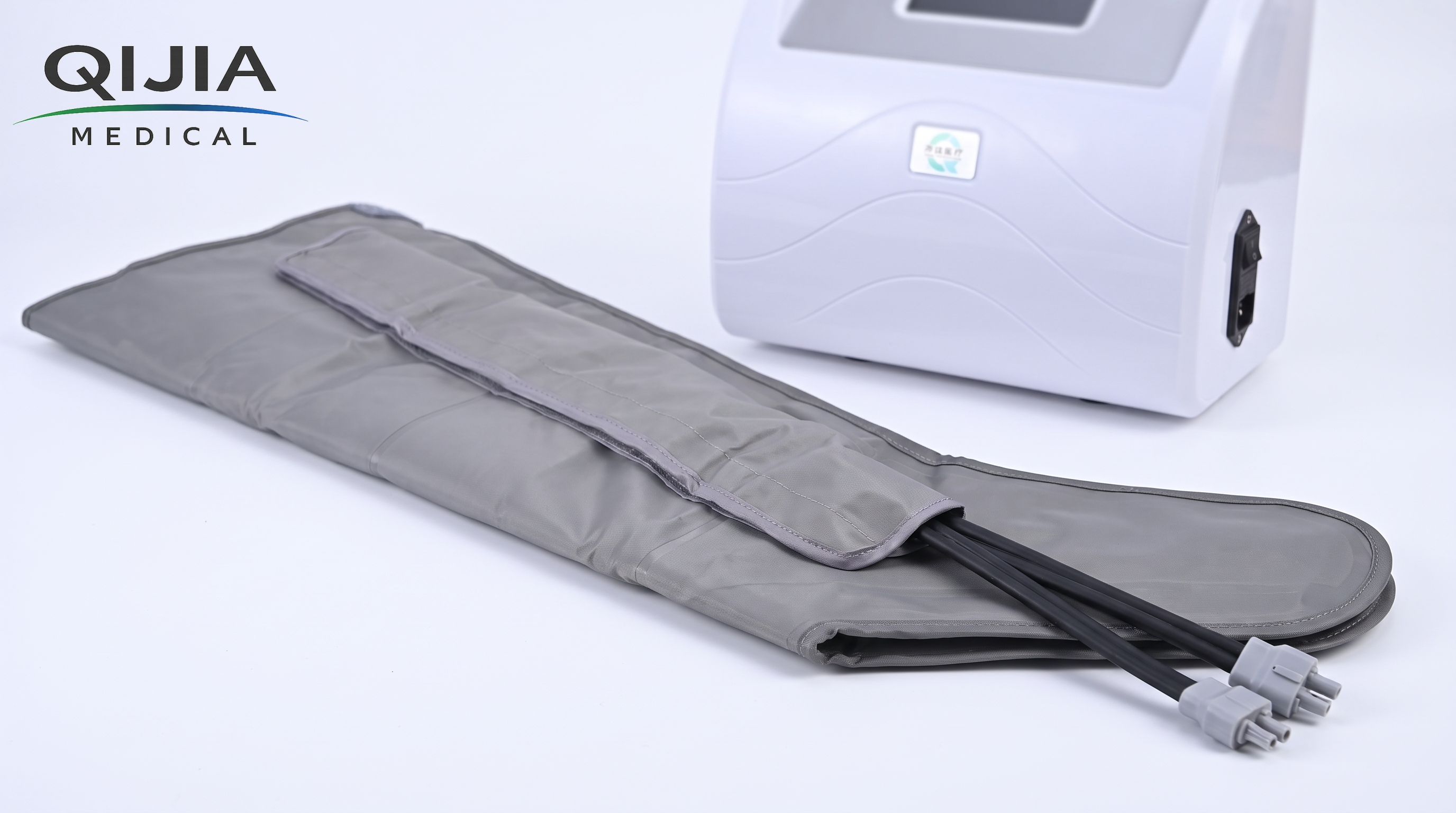
An intermittent pneumatic compression device typically consists of a control unit, air hoses, and compatible inflatable garments. Depending on the system, the garments may be designed for the foot, calf, or another specified part of the lower extremity.
During operation, the control unit delivers air according to a programmed compression cycle. The garment inflates and releases pressure repeatedly, creating intermittent external compression that can help support venous return.
Supporting Venous Circulation During Reduced Mobility
When normal leg movement is limited, an IPC device can provide a mechanical means of supporting blood flow in appropriately selected patients. Its purpose in this setting is prevention, not the diagnosis or dissolution of an existing blood clot.
Controlled Operation and Appropriate Garment Selection
Compression parameters and garment configurations vary between devices. Correct sizing, placement, pressure settings, and operating procedures are important for appropriate use. The selected garment must be compatible with the device and suitable for the patient's clinical condition.
In fracture care, clinicians must pay particular attention to casts, external fixation, surgical wounds, swelling, circulation, and potential pressure points. A compression garment should not interfere with fracture stabilization or compromise the injured area.
Integration Into an Individualized Prevention Plan
IPC should be viewed as one possible component of a wider prevention strategy. It does not replace indicated anticoagulant medication, appropriate mobilization, or clinical monitoring. The treating team should determine whether mechanical compression is suitable and how it should be used.
6. QIJIA MEDICAL DVT Prevention Solutions for Healthcare Settings
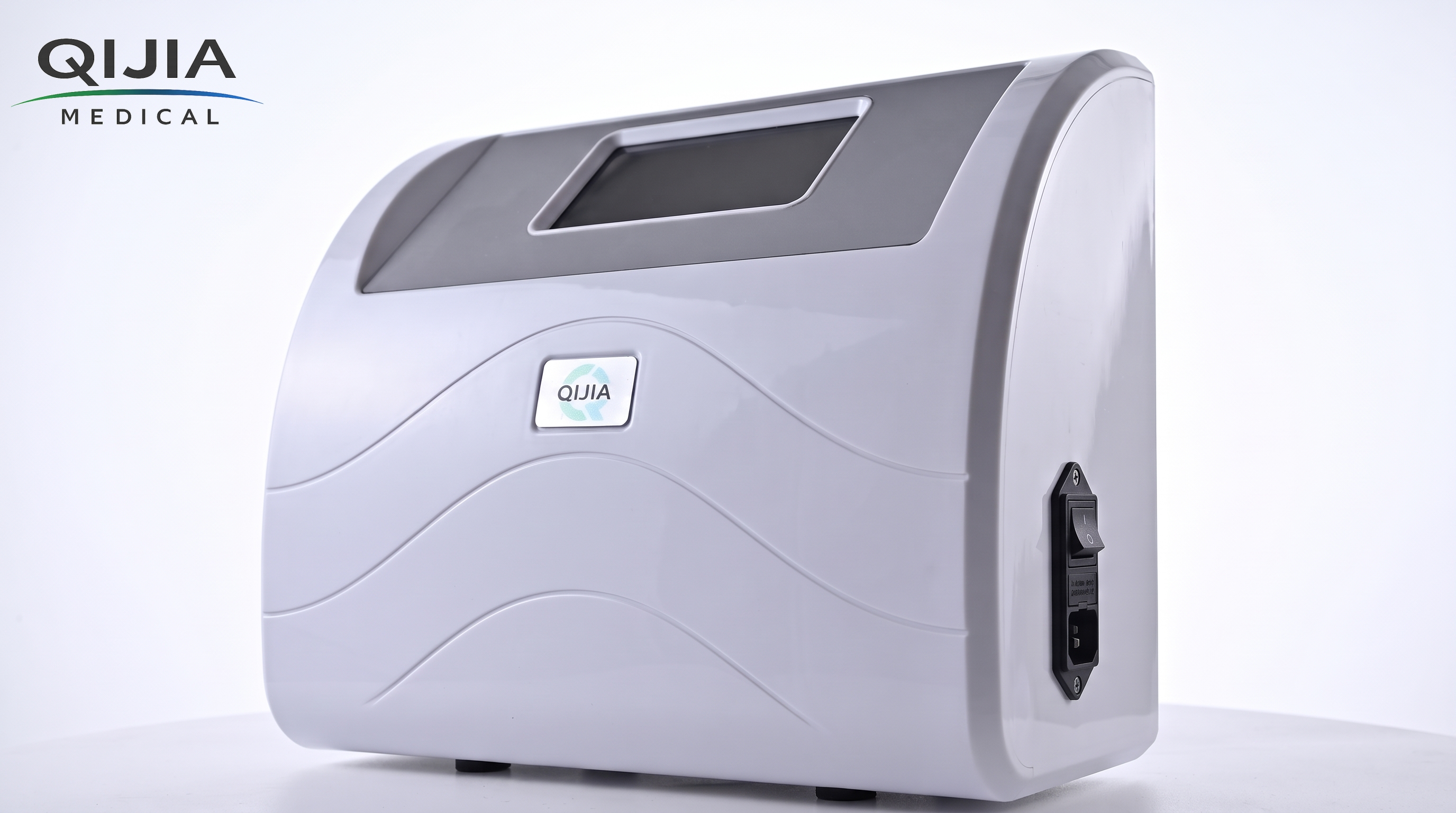
Healthcare facilities need medical equipment that fits their clinical workflows and the needs of the patients they serve. QIJIA MEDICAL offers intermittent pneumatic compression solutions designed to support mechanical DVT prevention in appropriate care settings.
The QIJIA MEDICAL range includes the QJ-B100A and QJ-B300 models. The QJ-B100A features a 5-inch display and a stated pressure range of 0–300 mmHg. The QJ-B300 offers multiple operating modes, including manual, gradient, standard, advanced, and customizable options.
For orthopedic departments, rehabilitation facilities, and medical equipment distributors, product evaluation should consider the device's intended use, compatible garments, operating modes, instructions for use, and local regulatory requirements. Clinical suitability is particularly important when treating patients with fractures, casts, wounds, or restricted circulation.
Learn more about the QIJIA MEDICAL DVT Prevention System and review the available product information.
QIJIA MEDICAL also welcomes inquiries from qualified business partners interested in OEM/ODM cooperation. Visit our About Us page to learn more about our company and cooperation opportunities.
For product specifications, quotations, or distribution inquiries, please contact the QIJIA MEDICAL team.
7. Safety Considerations Before Using IPC After a Fracture
Not every patient with a fracture is a suitable candidate for intermittent pneumatic compression. Before use, healthcare professionals should assess the injury, circulation, skin integrity, swelling, wounds, and any relevant medical conditions.
Particular care is required when there is an unstable injury, a cast or external fixation device, a surgical wound, suspected or confirmed DVT, significant peripheral arterial disease, or another condition that may affect safe compression. The appropriate response depends on the clinical situation and the manufacturer's instructions.
Do not apply a compression garment over an injured area or modify a cast or brace to accommodate one unless the treating team has specifically confirmed that this is appropriate. If pain, numbness, unusual discoloration, skin damage, or other concerning changes occur during use, stop the device and seek clinical guidance.
Suspected or confirmed DVT requires medical evaluation. A prevention device should not be promoted as a treatment that dissolves an established clot.
Frequently Asked Questions About DVT After Fractures
1. Can a broken leg increase the risk of DVT?
Yes, some fractures can increase DVT risk, particularly when they cause substantial tissue injury, require surgery, or limit mobility for an extended period. The level of risk varies according to the injury and the patient's individual medical history.
2. Can a blood clot develop while a leg is in a cast?
It is possible. Immobilization can reduce normal leg movement and contribute to venous stasis. However, not everyone with a cast develops DVT. A healthcare professional should assess the need for prevention based on the injury and other risk factors.
3. Do all patients with fractures need an IPC device?
No. The decision depends on the patient's VTE risk, bleeding risk, injury type, mobility, and clinical setting. Some isolated lower-leg injuries may not require routine prophylaxis, while selected patients with major trauma or orthopedic surgery may need a structured prevention plan.
4. Can an IPC device be used on a fractured leg?
Only when the treating team determines that its use is appropriate. Casts, surgical wounds, external fixation, swelling, circulation, and garment compatibility must be considered. A garment should not be applied in a way that interferes with fracture treatment or damages the injured area.
5. Does intermittent pneumatic compression dissolve an existing blood clot?
No. IPC devices used for prophylaxis are intended to help prevent VTE in appropriate patients. They should not be presented as devices that dissolve or remove an established blood clot. Suspected or confirmed DVT requires medical evaluation and an individualized treatment plan.
6. What symptoms after a fracture may indicate DVT?
Warning signs can include new or unexplained leg swelling, calf or thigh pain, warmth, and discoloration. Because these symptoms can overlap with injury-related changes, medical assessment is important. Sudden shortness of breath or chest pain may indicate pulmonary embolism and requires emergency care.
7. Can DVT prevention continue after hospital discharge?
Some patients may require continued preventive measures after discharge, depending on their injury, mobility, medical history, and treatment plan. Patients should follow their clinician's instructions rather than independently starting, stopping, or changing prophylaxis.
8. What should healthcare facilities consider when selecting a DVT prevention device?
Facilities should review the intended use, regulatory status, pressure settings, garment compatibility, operating modes, instructions for use, maintenance requirements, and service support. For orthopedic patients, the ability to use the device safely within the relevant clinical workflow is especially important.