







DVT Prevention After Surgery: Why Postoperative Patients Need Attention
Surgery is often an important step toward recovery, but the postoperative period can bring risks that are not always immediately visible. One serious complication is deep vein thrombosis (DVT), a condition in which a blood clot forms in a deep vein, most commonly in the leg.
After surgery, patients may experience reduced mobility, changes in circulation, and other factors that increase the risk of venous thromboembolism (VTE). While the level of risk varies according to the procedure and the patient's health, appropriate prevention should be considered as part of a comprehensive postoperative care plan.
Understanding why postoperative DVT occurs, who may be more vulnerable, and how preventive measures work can help healthcare providers improve patient safety throughout recovery.
1. Why Does the Risk of DVT Increase After Surgery?
Blood normally flows through the veins with help from the surrounding muscles, particularly those in the lower legs. When a person moves their legs or walks, muscle contractions help push venous blood back toward the heart.
Following surgery, this natural process may become less effective. Several factors can contribute to postoperative DVT risk.
Reduced Mobility During Recovery
Pain, fatigue, anesthesia recovery, and medical restrictions can make patients less active after surgery. Some may remain in bed for extended periods or need assistance when standing and walking. Reduced leg movement can slow venous blood flow, creating conditions that favor clot formation.
Even when a patient feels relatively comfortable, limited mobility may remain an important risk factor. This is one reason why postoperative care plans often emphasize safe mobilization as soon as medically appropriate.
Changes Associated With Surgery
Surgical procedures can affect blood vessels and activate the body's normal clotting response. These responses are part of the body's effort to control bleeding and repair tissue, but in some circumstances, they can also contribute to unwanted blood clot formation.
The combination of reduced blood flow, changes in coagulation, and potential vascular injury is commonly described through Virchow's triad. These three mechanisms help explain why surgery and immobility can increase the risk of venous thromboembolism.
Additional Patient-Specific Risk Factors
The procedure itself is only part of the picture. A patient's medical history and recovery circumstances can also influence the likelihood of developing DVT. Relevant factors may include:
A previous history of DVT or pulmonary embolism
Older age or reduced baseline mobility
Obesity or certain chronic medical conditions
Active cancer or some cancer treatments
Inherited or acquired clotting disorders
Major surgery involving the hip, pelvis, abdomen, or lower limbs
Prolonged hospitalization or a complicated recovery
Risk factors can accumulate. Therefore, postoperative DVT prevention should be based on an individual assessment rather than a single characteristic or a one-size-fits-all approach.
2. Which Postoperative Patients May Need Closer Attention?
Not every patient faces the same level of risk. The type of surgery, expected recovery time, bleeding risk, and individual medical history all matter when healthcare professionals determine an appropriate prevention strategy.
Patients After Orthopedic Surgery
Hip and knee replacement procedures, major lower-limb operations, and some fracture-related surgeries can substantially restrict movement during early recovery. Patients may need walking aids, rehabilitation, or temporary limitations on weight-bearing activity.
Because reduced mobility can persist beyond the immediate postoperative period, DVT prevention may need to continue according to the patient's clinical plan, including after discharge when indicated.
Patients After Major Abdominal or Pelvic Surgery
Recovery after major abdominal or pelvic surgery can involve pain, fatigue, temporary immobility, and a longer hospital stay. Some patients may also have underlying conditions, such as cancer, that further influence their VTE risk.
For these patients, the care team may consider a combination of early mobilization, medication, and mechanical prevention, depending on the balance between clotting risk and bleeding risk.
Patients With Limited Mobility After Complex Procedures
Patients recovering from major surgery, experiencing complications, or requiring prolonged intensive care may have difficulty returning to normal movement. In these situations, healthcare professionals may need to reassess DVT risk as the patient's condition changes.
Importantly, a shorter hospital stay does not mean that the risk has automatically disappeared. Some postoperative blood clots are diagnosed after patients have returned home, making discharge education and follow-up an important part of prevention.

3. Why Postoperative DVT Can Be Difficult to Recognize
One challenge with DVT is that symptoms may be mild, nonspecific, or absent. After surgery, leg discomfort and swelling may be attributed to normal recovery, which can delay further assessment.
Patients and caregivers should be aware of potential warning signs, including:
New or unexplained swelling in one leg
Pain or tenderness in the calf or thigh
Skin that feels warmer than usual
Redness or other changes in skin color
These symptoms do not necessarily mean that a blood clot is present, but they require prompt medical evaluation when DVT is suspected. Clinical assessment and appropriate diagnostic tests are needed to determine the cause.
The Potential Danger of Pulmonary Embolism
If part of a venous blood clot breaks away and travels to the lungs, it can cause a pulmonary embolism (PE). This complication can obstruct blood flow through the lungs and may be life-threatening.
Sudden shortness of breath, chest pain, coughing up blood, fainting, or other severe symptoms that suggest a pulmonary embolism require immediate emergency medical attention. Do not wait for symptoms to improve on their own.
4. Practical Strategies for DVT Prevention After Surgery
Postoperative DVT prevention is most effective when it is incorporated into the overall care pathway. The appropriate measures depend on the patient's individual risk of clotting, the risk of bleeding, the surgical procedure, and current clinical condition.
Early and Appropriate Mobilization
When medically safe, getting out of bed and gradually resuming movement can help support circulation and recovery. The timing and level of activity should follow the surgical team's instructions, particularly after procedures involving the lower limbs, spine, or other areas where movement may be restricted.
Medication When Clinically Indicated
Healthcare professionals may prescribe anticoagulant medication for patients who need pharmacological VTE prophylaxis. The decision should account for the risk of blood clots as well as the possibility of postoperative bleeding.
Patients should follow the prescribed schedule and should not start, stop, or change anticoagulant medication without professional guidance.
Mechanical DVT Prevention
Mechanical methods may be considered for selected patients, especially when mobility is limited or when the clinical team determines that mechanical prophylaxis is appropriate. These methods include graduated compression stockings and intermittent pneumatic compression (IPC) devices.
Depending on the patient's risk profile and the procedure performed, mechanical prevention may be used alone or alongside medication. It is not a substitute for an individualized clinical assessment.
5. How Does an Intermittent Pneumatic Compression (IPC) Device Support Postoperative Care?
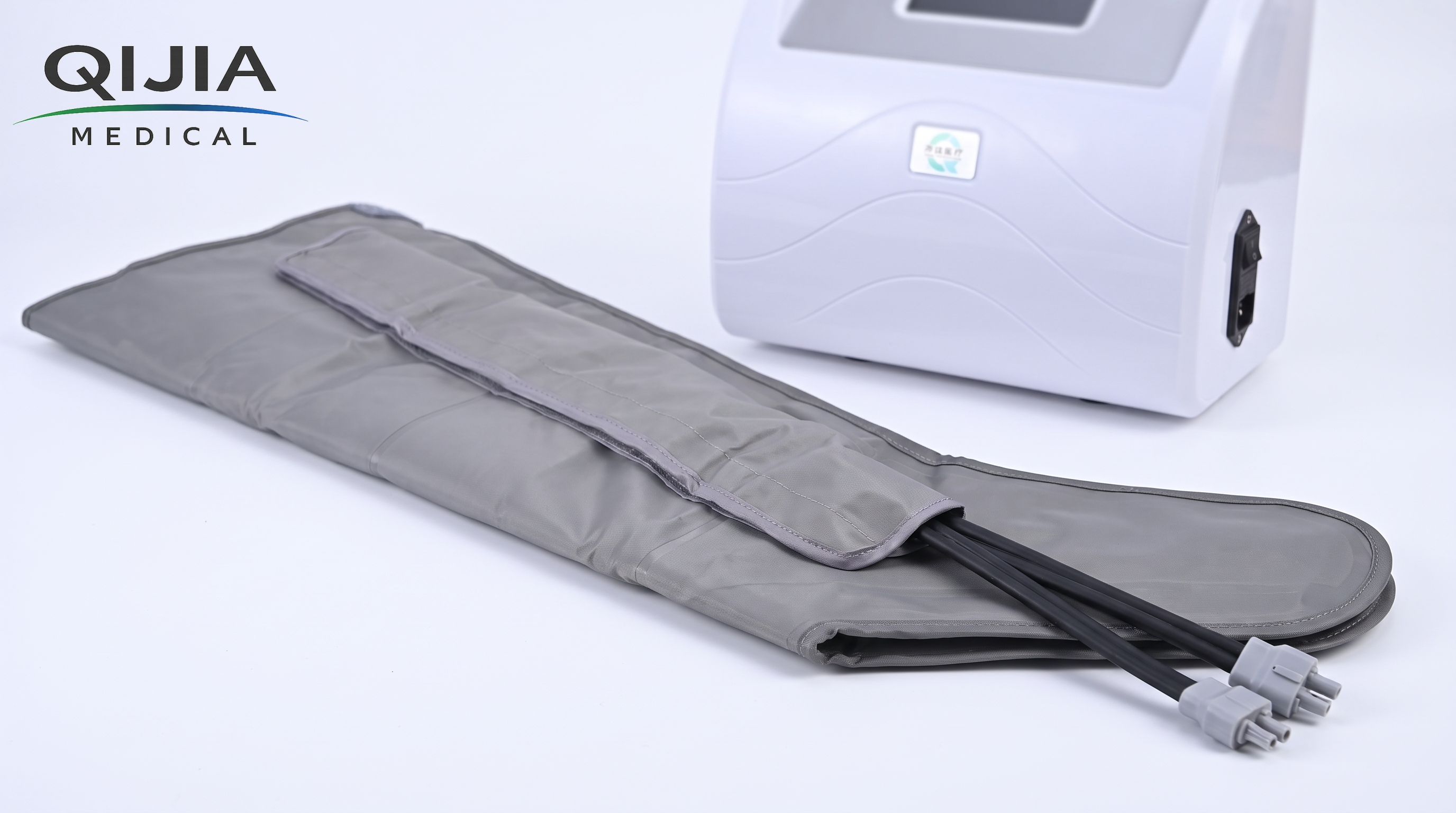
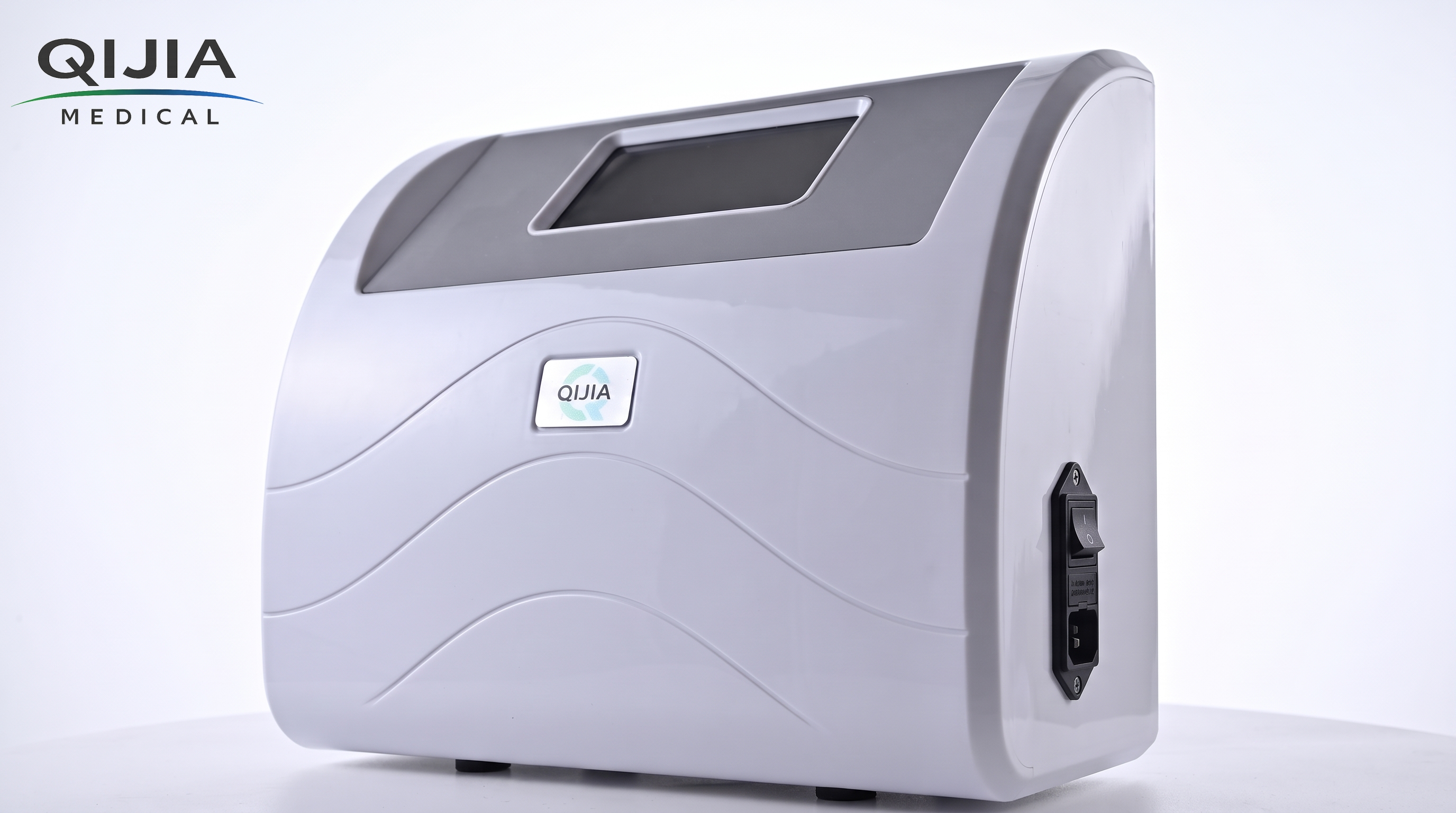
An Intermittent Pneumatic Compression (IPC) Device is designed to apply repeated cycles of pressure through inflatable garments fitted to specified parts of the lower limbs. The pressure cycles help promote venous blood flow and reduce blood pooling during periods of limited mobility.
Unlike a treatment that dissolves an existing clot, an IPC device is used as a preventive measure in appropriately selected patients. Its use, garment selection, pressure settings, and treatment duration should follow clinical instructions and the manufacturer's guidance.
Supporting Circulation When Patients Cannot Move Freely
After surgery, some patients cannot walk or exercise their legs normally for a period of time. Under appropriate clinical supervision, IPC can provide a mechanical method of supporting venous circulation during this stage of recovery.
Integration Into a Broader Prevention Plan
An IPC device should be considered as one part of a wider postoperative DVT prevention strategy. Depending on the patient's condition, the care plan may also include mobilization, medication, hydration guidance, monitoring, and follow-up after discharge.
Before use, healthcare professionals should assess whether intermittent pneumatic compression is suitable for the individual patient. Suspected or confirmed DVT, significant limb conditions, wounds, and other clinical considerations may affect whether and how compression should be used.
6. Choosing DVT Prevention Equipment for Healthcare Facilities
For hospitals, surgical departments, rehabilitation facilities, and medical equipment distributors, selecting appropriate DVT prevention equipment involves more than comparing device specifications. Equipment should suit the intended clinical setting, patient population, workflow, and applicable local requirements.
Key considerations may include:
Clinical application: Confirm that the device is intended for the patient population and preventive use required by the facility.
Garment compatibility: Check the available sleeve or cuff options and their suitability for the intended treatment area.
Pressure control and operating modes: Review the available settings and operating functions against clinical needs and the product's instructions for use.
Ease of operation: Consider whether the controls, display, and workflow suit the healthcare environment.
Training and maintenance: Ensure that staff can operate, clean, inspect, and maintain the equipment according to the manufacturer's guidance.
Supplier support: Evaluate product documentation, technical assistance, and the supplier's ability to support long-term cooperation.
For facilities and distributors evaluating DVT prevention solutions, QIJIA MEDICAL's DVT Prevention System provides a starting point for reviewing product information and discussing potential applications.
7. QIJIA MEDICAL: DVT Prevention Solutions for Healthcare Providers
QIJIA MEDICAL develops and supplies medical equipment for healthcare and rehabilitation applications. Our DVT prevention equipment is designed to support mechanical venous circulation management in appropriate clinical settings.
We work with healthcare providers, medical equipment distributors, and business partners seeking product information and potential supply cooperation. For organizations evaluating equipment for postoperative care, we encourage reviewing the product's intended use, technical documentation, and compatibility with local clinical requirements before making a purchasing decision.
Learn more about our DVT Prevention System, explore our company and ODM/OEM cooperation capabilities, or contact QIJIA MEDICAL to discuss product specifications, distribution, and business inquiries.
8. Frequently Asked Questions About Postoperative DVT
How long does the risk of DVT last after surgery?
The duration varies according to the type of surgery, the patient's medical history, and how quickly mobility improves. Risk may continue after hospital discharge, so patients should follow the prevention and follow-up plan recommended by their healthcare team.
Can DVT develop after a patient has returned home?
Yes. Postoperative DVT or pulmonary embolism may be diagnosed after discharge. Patients should understand the warning signs, follow prescribed prevention measures, and seek medical evaluation promptly if concerning symptoms appear.
Can an IPC device prevent every postoperative blood clot?
No. IPC can be part of a prevention strategy for selected patients, but no preventive method guarantees that a clot will not develop. The appropriate plan may include mobilization, medication, mechanical prophylaxis, or a combination of measures.
Can an IPC device treat an existing DVT?
An IPC device used for prophylaxis is not a treatment for dissolving an existing blood clot. Suspected or confirmed DVT requires medical assessment and a treatment plan determined by qualified healthcare professionals. Compression should not be initiated for a suspected or confirmed clot without appropriate clinical direction.
Is mechanical DVT prevention suitable for every postoperative patient?
No. Suitability depends on the patient's condition, the surgical procedure, the risk of clotting and bleeding, limb status, and the device's intended use. Healthcare professionals should assess the patient and follow the manufacturer's instructions before applying mechanical compression.
What should patients do if they notice possible DVT symptoms after surgery?
New unexplained limb swelling, pain, warmth, or skin discoloration should be assessed promptly by a healthcare professional. Sudden shortness of breath, chest pain, coughing up blood, or fainting may indicate a pulmonary embolism and requires emergency medical attention.
Conclusion
Postoperative recovery involves more than wound healing and pain management. For patients with relevant risk factors, deep vein thrombosis is a serious complication that deserves attention before surgery, during hospitalization, and after discharge.
Individual risk assessment, safe mobilization, appropriate medication, and mechanical prevention when indicated can all contribute to a comprehensive DVT prevention plan. For healthcare facilities and distributors exploring mechanical prevention equipment, QIJIA MEDICAL provides DVT prevention solutions and product information to support further evaluation.
Medical disclaimer: This article is for general educational purposes only and does not replace professional medical advice, diagnosis, or treatment. DVT prevention should be individualized by qualified healthcare professionals. Always follow the device's instructions for use and applicable clinical protocols.