







Why Can Airway Clearance Become Difficult After Surgery?
Surgery is an important step toward recovery, but the postoperative period brings its own respiratory challenges. Some patients experience difficulty taking deep breaths, producing an effective cough, or clearing mucus from their airways. These problems may appear relatively minor at first, yet persistent secretion retention can contribute to atelectasis, respiratory infection, and other postoperative pulmonary complications.
Understanding why airway clearance becomes difficult after surgery helps healthcare professionals identify patients who may need additional respiratory support. It also highlights the importance of individualized postoperative care, including appropriate pain management, early mobilization, breathing exercises, and selected airway clearance techniques when clinically indicated.
For hospitals, rehabilitation facilities, and respiratory care providers, effective secretion management is an important consideration when developing postoperative recovery plans.
1. How Does Surgery Affect Normal Airway Clearance?
The respiratory system has several natural mechanisms for keeping the airways clear. Mucus traps inhaled particles and microorganisms, microscopic cilia help transport mucus toward the throat, and coughing helps expel secretions when they accumulate.
After surgery, these protective mechanisms may become less effective for a period of time. General anesthesia, airway instrumentation, postoperative pain, certain medications, and reduced physical activity can all influence breathing patterns and secretion clearance.
When mucus is not cleared efficiently, it may accumulate in the airways. In some patients, retained secretions can obstruct smaller airways, interfere with ventilation, and contribute to areas of lung collapse known as atelectasis. If these problems persist, the risk of further pulmonary complications may increase.
Not every surgical patient will develop these problems. The degree of risk depends on factors such as the type of surgery, the patient's baseline respiratory function, mobility, age, and other medical conditions.
2. Four Reasons Airway Clearance Can Become Difficult After Surgery
2.1 Residual Effects of General Anesthesia
General anesthesia temporarily changes respiratory drive, muscle function, and lung volume. Airway instrumentation and anesthetic-related changes can also impair normal mucus transport. Depending on the procedure and the patient's recovery, some of these effects may continue into the postoperative period.
Reduced lung expansion can encourage atelectasis, while impaired mucociliary transport may make it more difficult to move secretions out of the respiratory tract. The combination of reduced ventilation and ineffective secretion clearance deserves particular attention in patients undergoing major thoracic or abdominal surgery.
Recovery teams therefore monitor respiratory function and assess whether patients can breathe adequately and clear their secretions after anesthesia.
2.2 Pain Can Make Deep Breathing and Coughing Difficult
Postoperative pain is another important barrier to effective airway clearance. Patients recovering from chest, upper abdominal, or other major procedures may avoid deep inspiration or forceful coughing because these actions can increase discomfort around the surgical site.
Shallow breathing reduces lung expansion. A weak or interrupted cough may also be less effective at moving mucus toward the larger airways, where it can be expelled more easily.
This creates a potentially harmful cycle: discomfort limits breathing and coughing, secretions become more difficult to clear, and respiratory complications may become more likely in susceptible patients.
Appropriate pain management is therefore not only about comfort. It can help patients participate in breathing exercises, mobilization, and other components of postoperative respiratory care. Pain treatment should be individualized because sedating medications, particularly opioids, can also impair respiratory drive in some patients.
2.3 Reduced Mobility Can Contribute to Secretion Retention
Patients may spend extended periods in bed after surgery because of fatigue, weakness, dizziness, pain, or restrictions associated with their procedure. Remaining in one position for too long can limit normal movement and may make it more difficult to maintain effective ventilation and secretion clearance.
Reduced mobility is especially relevant for older adults, patients recovering from major operations, and individuals who already have limited exercise tolerance or respiratory muscle strength.
When medically appropriate, early mobilization, regular repositioning, upright positioning, and guided breathing activities can support postoperative respiratory care. Patients who cannot mobilize independently may require assistance from trained healthcare professionals.
These measures should be adapted to the patient's condition and surgical restrictions rather than applied as a universal routine.
2.4 Pre-Existing Respiratory Problems Can Increase the Challenge
Patients with chronic respiratory disease, pre-existing secretion retention, impaired cough strength, or neuromuscular weakness may have less respiratory reserve before surgery. The temporary changes associated with anesthesia, pain, and immobility can place additional demands on an already vulnerable respiratory system.
For these patients, the postoperative care plan may need closer respiratory assessment and a more structured approach to secretion management. Healthcare professionals may consider the patient's cough effectiveness, secretion burden, oxygenation, ability to cooperate with treatment, and tolerance of different airway clearance techniques.
Identifying these risk factors early can help the clinical team determine whether routine postoperative care is sufficient or whether additional interventions are needed.
3. Why Is Retained Airway Secretion a Serious Concern?
Difficulty clearing mucus is not simply an issue of discomfort. In certain postoperative patients, persistent secretion retention can affect ventilation and contribute to a series of respiratory complications.
Atelectasis and Reduced Lung Expansion
Atelectasis occurs when part of the lung becomes incompletely expanded or collapses. Postoperative changes in lung volume, shallow breathing, and retained secretions can all contribute to this problem. When mucus obstructs an airway, the affected area may receive less ventilation.
Depending on its severity, atelectasis may be associated with impaired oxygen exchange and a greater need for respiratory monitoring or treatment.
Increased Risk of Respiratory Infection
Mucus helps protect the respiratory tract, but secretions that are not cleared effectively can create conditions that favor bacterial growth. In vulnerable patients, secretion retention and impaired ventilation may contribute to postoperative respiratory infections, including pneumonia.
Infection can delay recovery and may require additional diagnostic testing, medication, respiratory support, or a longer hospital stay. However, retained mucus alone does not mean that an infection is present, and symptoms must be evaluated in their clinical context.
Impaired Oxygenation and Delayed Recovery
When ventilation is compromised, some patients may develop lower oxygen levels, increased breathing effort, or worsening respiratory symptoms. Severe postoperative pulmonary complications can require urgent intervention and may significantly complicate recovery.
For this reason, healthcare teams should not dismiss persistent difficulty clearing secretions as an expected part of recovery without assessment.
New or worsening shortness of breath, low oxygen saturation, chest pain, confusion, blue or gray discoloration of the lips, or rapidly deteriorating breathing requires prompt medical assessment. Severe symptoms warrant emergency care.
4. Which Patients May Need Closer Attention to Airway Clearance?
Additional attention may be appropriate for selected patients with one or more of the following characteristics:
Patients recovering from thoracic or major upper abdominal surgery.
Patients who have difficulty taking deep breaths because of postoperative pain.
Patients with a weak or ineffective cough and difficulty moving secretions.
Older adults or individuals with reduced mobility during recovery.
Patients with pre-existing respiratory disease or a history of recurrent secretion retention.
Patients with neuromuscular conditions that affect respiratory muscle strength or cough effectiveness.
These characteristics do not automatically mean that a patient needs a mechanical airway clearance device. They indicate that the care team may need to assess respiratory function and select appropriate interventions based on individual clinical findings.
5. What Can Support Effective Postoperative Airway Clearance?
Postoperative respiratory care usually involves several complementary measures. The appropriate combination depends on the procedure, the patient's condition, and the clinical team's assessment.
Encouraging Appropriate Breathing and Coughing
When permitted by the surgical team, guided deep breathing and effective coughing can help support lung expansion and secretion removal. Some patients may benefit from instruction in supported coughing techniques to reduce discomfort around the surgical incision.
Supporting Early Mobilization and Repositioning
Getting out of bed and moving safely as early as appropriate can support overall postoperative recovery. For patients who cannot walk, assisted repositioning and upright positioning may form part of their respiratory care plan.
Optimizing Pain Management and Monitoring
A suitable pain management strategy can help patients breathe deeply and participate in recommended exercises. At the same time, healthcare professionals should monitor for excessive sedation or respiratory depression when relevant medications are used.
Clinical assessment may include respiratory rate, oxygen saturation, breathing effort, cough effectiveness, and the presence or characteristics of secretions. Persistent or worsening symptoms may require further investigation rather than airway clearance treatment alone.
Considering Additional Airway Clearance Techniques
When a patient has difficulty clearing secretions despite routine measures, healthcare professionals may consider additional techniques according to the clinical indication. Options can include manual chest physiotherapy, positioning techniques, assisted coughing, suctioning, or selected mechanical airway clearance methods.
These approaches are not interchangeable. A technique that helps mobilize mucus may not be sufficient for a patient who cannot produce an effective cough. Treatment selection should reflect the underlying problem, the patient's tolerance, and any procedure-specific precautions.
6. How Can an HFCWO Airway Clearance System Support Respiratory Care?
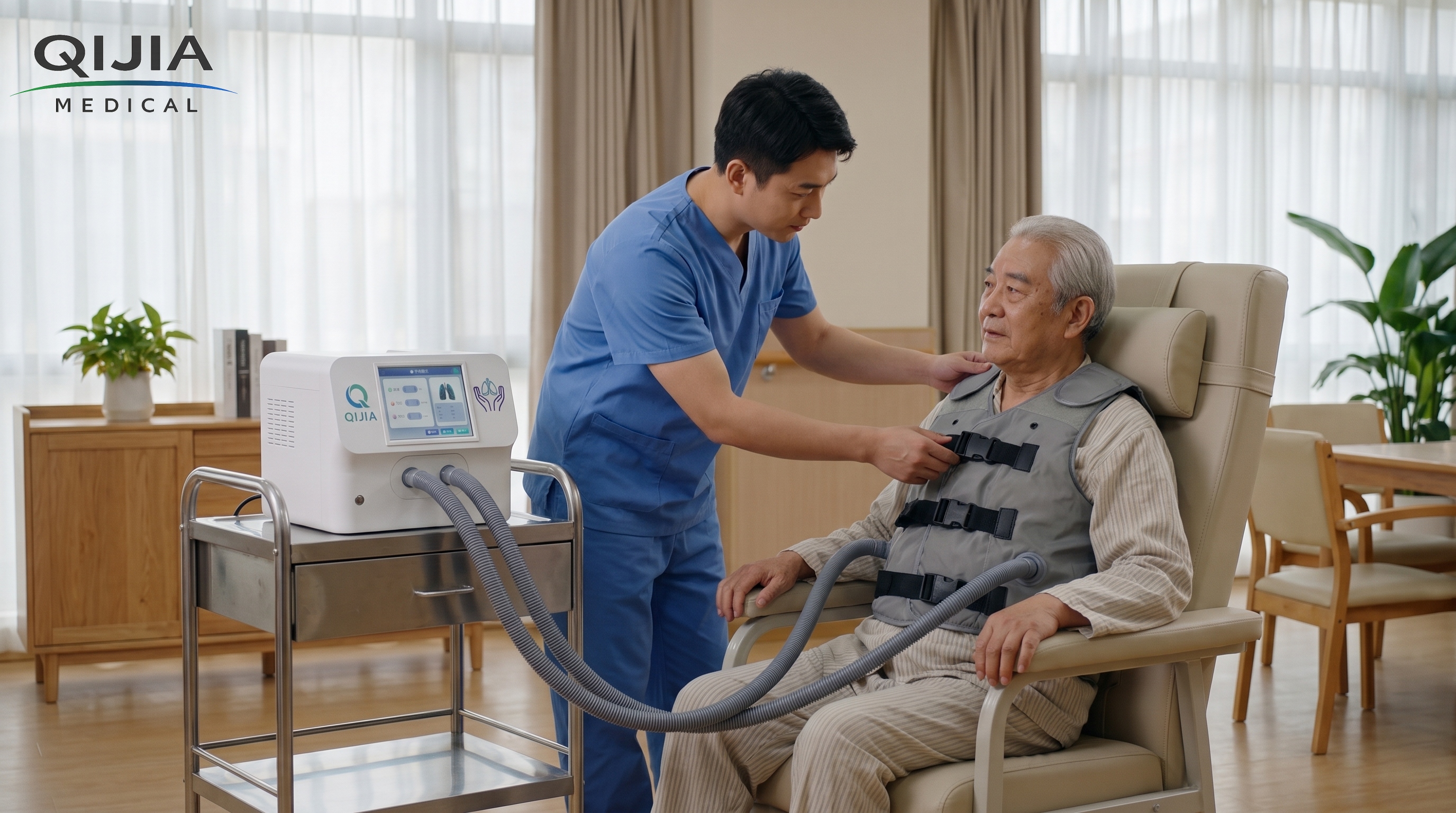
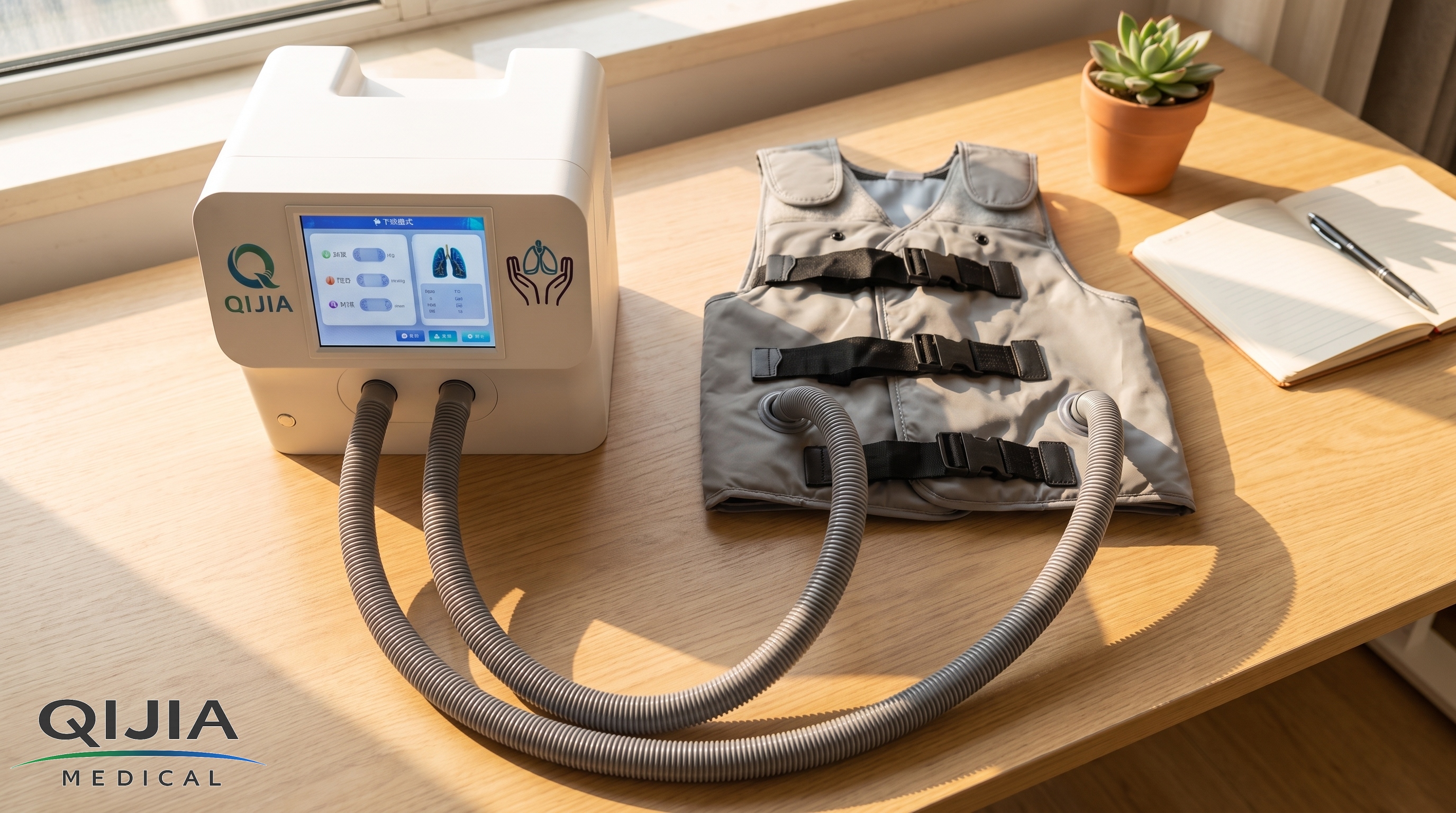
High-frequency chest wall oscillation (HFCWO) is a mechanical airway clearance technique that uses a pneumatic vest to deliver repeated chest wall oscillations. The rapid inflation and deflation cycles generate vibrations that are intended to help mobilize airway secretions.
Unlike a conventional oxygen delivery device, an HFCWO system focuses on mechanical chest wall oscillation rather than supplying supplemental oxygen. Its purpose is to assist secretion mobilization as part of an appropriate airway clearance plan.
For selected patients who have difficulty clearing respiratory secretions, an HFCWO system may be considered by healthcare professionals as one component of a broader respiratory care strategy. It does not replace effective coughing, clinical monitoring, appropriate pain management, mobilization, or other treatments that a patient may need.
Importantly, HFCWO is not routinely necessary for every patient after surgery. Evidence supporting its use varies by patient population and clinical indication, and the decision to use it should be individualized. Surgical factors, including the operation performed, wound location, chest tubes, bleeding risk, and other potential contraindications or precautions, must be assessed by qualified healthcare professionals before treatment.
Learn more about the QIJIA MEDICAL Airway Clearance System and its pneumatic vest-based HFCWO technology.
7. What Should Healthcare Providers Consider When Selecting an Airway Clearance Device?
For hospitals, rehabilitation facilities, respiratory care providers, and medical equipment distributors, selecting an airway clearance device involves more than reviewing product specifications. The intended patient population, clinical workflow, ease of operation, training requirements, and after-sales support should also be considered.
Patient Suitability and Clinical Workflow
Healthcare providers should first establish the treatment objective and determine whether the device is appropriate for the patient's secretion clearance needs. The ability to mobilize secretions, cough effectively, tolerate the treatment, and comply with surgical restrictions should be evaluated.
Adjustability and Practical Operation
Depending on the model, relevant considerations may include adjustable treatment parameters, vest fit, connection design, cleaning and maintenance requirements, and the availability of operating instructions and user training.
Manufacturer Support and Distribution Opportunities
Medical equipment buyers may also evaluate manufacturer experience, technical documentation, quality management systems, product training, and the availability of OEM/ODM cooperation. These factors can help distributors and healthcare organizations assess whether a supplier meets their operational and market requirements.
QIJIA MEDICAL provides medical equipment solutions for professional healthcare markets. To learn more about the company, its manufacturing capabilities, and potential OEM/ODM cooperation opportunities, visit our About Us page.
For product specifications, technical information, or business inquiries regarding the Airway Clearance System, please contact QIJIA MEDICAL.
8. A Patient-Centered Approach to Postoperative Respiratory Care
Airway clearance is an important consideration during postoperative recovery, particularly for patients whose breathing, coughing, or mobility is temporarily compromised. Anesthesia-related changes, pain, reduced activity, and pre-existing respiratory conditions can combine to make secretion removal more difficult.
Recognizing these factors early allows healthcare professionals to develop a more appropriate respiratory care plan. Breathing exercises, safe mobilization, effective pain management, monitoring, and selected airway clearance techniques may all have a role, depending on the patient's needs.
Mechanical solutions such as HFCWO can provide an additional option for selected patients, but they should be used according to clinical assessment rather than as a universal postoperative intervention. A patient-centered approach remains essential to supporting safe recovery and reducing avoidable respiratory complications.

Frequently Asked Questions (FAQ)
1. Why can airway clearance become difficult after surgery?
Airway clearance may become more difficult because general anesthesia can temporarily affect respiratory function and mucus transport. Postoperative pain may limit deep breathing and coughing, while reduced mobility can interfere with normal secretion clearance. Pre-existing respiratory conditions can increase the challenge.
2. What are the risks of retained airway secretions after surgery?
Persistent secretion retention may contribute to airway obstruction, atelectasis, impaired ventilation, and respiratory infection in susceptible patients. The level of risk varies according to the type of surgery and the patient's overall condition.
3. How can patients support airway clearance during postoperative recovery?
Depending on their condition and surgical instructions, patients may benefit from guided breathing exercises, effective coughing, appropriate pain management, safe early mobilization, and regular repositioning. Patients should follow their healthcare team's instructions and seek assessment if respiratory symptoms worsen.
4. Is an HFCWO Airway Clearance System suitable for every postoperative patient?
No. HFCWO may be considered for selected patients who need additional assistance with secretion mobilization, but it is not routinely indicated for everyone after surgery. A qualified healthcare professional should assess the patient's condition, surgical procedure, contraindications, and treatment goals before use.
5. Does an HFCWO system provide oxygen or replace a cough assist device?
No. An HFCWO system uses chest wall oscillations to help mobilize secretions; it does not provide supplemental oxygen. A cough assist device uses a different mechanism to help patients generate an effective cough. Some patients may require different or combined techniques, depending on their clinical needs.
6. When should postoperative respiratory symptoms receive urgent medical attention?
New or worsening shortness of breath, low oxygen saturation, chest pain, confusion, blue or gray lips, or rapidly deteriorating breathing requires prompt medical evaluation. Severe symptoms warrant emergency care. These signs should not be managed solely by increasing airway clearance treatment without clinical assessment.
7. Where can healthcare providers learn more about QIJIA MEDICAL's Airway Clearance System?
Healthcare providers and medical equipment distributors can review the Airway Clearance System product page, learn about QIJIA MEDICAL's company and OEM/ODM capabilities, or contact our team for further product and business information.