







From Hospital to Home: Maintaining Consistent Airway Clearance Care
For patients who have difficulty clearing airway secretions, respiratory care does not always end when they leave the hospital. Some individuals continue to need a structured airway clearance plan during rehabilitation or long-term home care. Maintaining appropriate care across different settings can help address ongoing secretion management needs and reduce the risk of interruptions in treatment.
However, the transition from hospital to home can introduce new challenges. Patients may have less direct supervision, family caregivers may be unfamiliar with respiratory equipment, and changes in daily routines can make it difficult to follow a prescribed treatment plan. Without clear instructions and appropriate follow-up, important warning signs may be overlooked or a treatment technique may be used incorrectly.
This guide explores the key considerations for maintaining consistent airway clearance care from hospital to home, including discharge planning, caregiver education, equipment selection, safety monitoring, and the role of high-frequency chest wall oscillation (HFCWO) technology in individualized respiratory care.
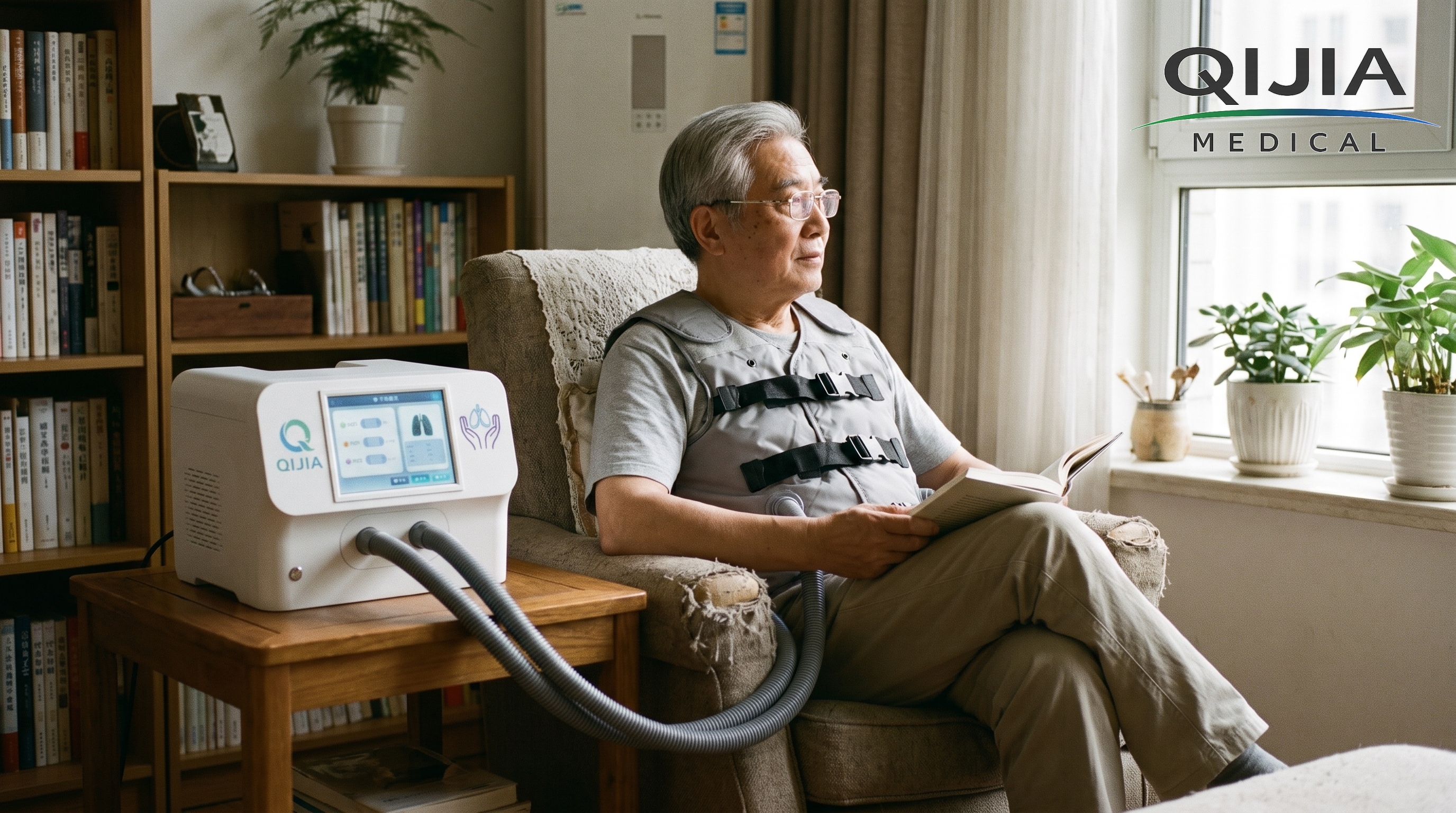
1. Why Airway Clearance Care May Need to Continue After Hospital Discharge
The ability to clear airway secretions is an important part of respiratory health. When mucus accumulates and cannot be cleared effectively, it may contribute to airway obstruction, persistent coughing, breathing difficulties, and respiratory complications in susceptible patients.
Some people can clear secretions through normal coughing and breathing. Others may have difficulty because of an underlying respiratory condition, reduced cough effectiveness, muscle weakness, limited mobility, or other clinical factors.
For selected patients, airway clearance techniques may remain part of the care plan after hospital discharge. Examples may include individuals with bronchiectasis, cystic fibrosis, certain neuromuscular conditions, or other conditions associated with impaired secretion clearance.
Nevertheless, the need for ongoing treatment varies from person to person. A hospital admission alone does not mean that a patient requires long-term mechanical airway clearance. The treating healthcare professional should assess the patient's condition, secretion management needs, functional ability, and response to previous treatment before recommending continued care at home.
2. The Risks of Interrupted or Poorly Managed Airway Clearance
Moving home can change how respiratory care is delivered. In the hospital, healthcare professionals can monitor symptoms, review treatment effectiveness, and help patients use equipment correctly. At home, patients and caregivers often take on more responsibility.
If an established airway clearance plan is interrupted or performed incorrectly, patients who depend on assistance with secretion management may experience increasing difficulty clearing their airways. Retained secretions can contribute to worsening respiratory symptoms and may increase the risk of complications in vulnerable individuals.
Common challenges during the transition to home care
Unclear discharge instructions: Patients may not understand the prescribed technique, treatment schedule, or situations requiring medical review.
Insufficient caregiver training: Family members may be uncertain about device setup, correct positioning, cleaning, or recognizing warning signs.
Inconsistent treatment routines: Changes in daily schedules, fatigue, or difficulty managing equipment can affect adherence to the prescribed plan.
Incorrect equipment use: Poor fit, inappropriate settings, or failure to follow the manufacturer's instructions may reduce treatment tolerance or create avoidable risks.
Delayed response to worsening symptoms: Without clear guidance, caregivers may not recognize when a patient's condition requires professional assessment.
These challenges do not mean that home airway clearance is inherently unsafe. They highlight why discharge planning, caregiver education, and follow-up are essential parts of a responsible transition from hospital to home.
3. Build a Clear Airway Clearance Plan Before Discharge
A successful transition begins before the patient leaves the hospital. The healthcare team should establish a practical plan that can be followed in the intended home environment.
The plan should explain the purpose of airway clearance, the selected technique, the recommended schedule, and the responsibilities of the patient and caregiver. It should also identify who to contact if the treatment becomes difficult to perform or the patient's symptoms change.
Key elements of a discharge plan
Individualized treatment instructions: Explain which airway clearance method is recommended and how it should be performed.
Clear scheduling: Specify the prescribed treatment frequency and duration, including any changes that should only be made with professional guidance.
Equipment guidance: Provide instructions for setup, fitting, operation, cleaning, storage, and routine inspection where applicable.
Warning signs: Explain which symptoms require stopping treatment, contacting a healthcare professional, or seeking urgent medical attention.
Follow-up arrangements: Identify the appropriate healthcare provider or service for reviewing treatment progress and addressing questions.
A written plan can reduce uncertainty and help different caregivers follow consistent instructions. It also supports communication between hospital teams, outpatient providers, rehabilitation professionals, and family members.
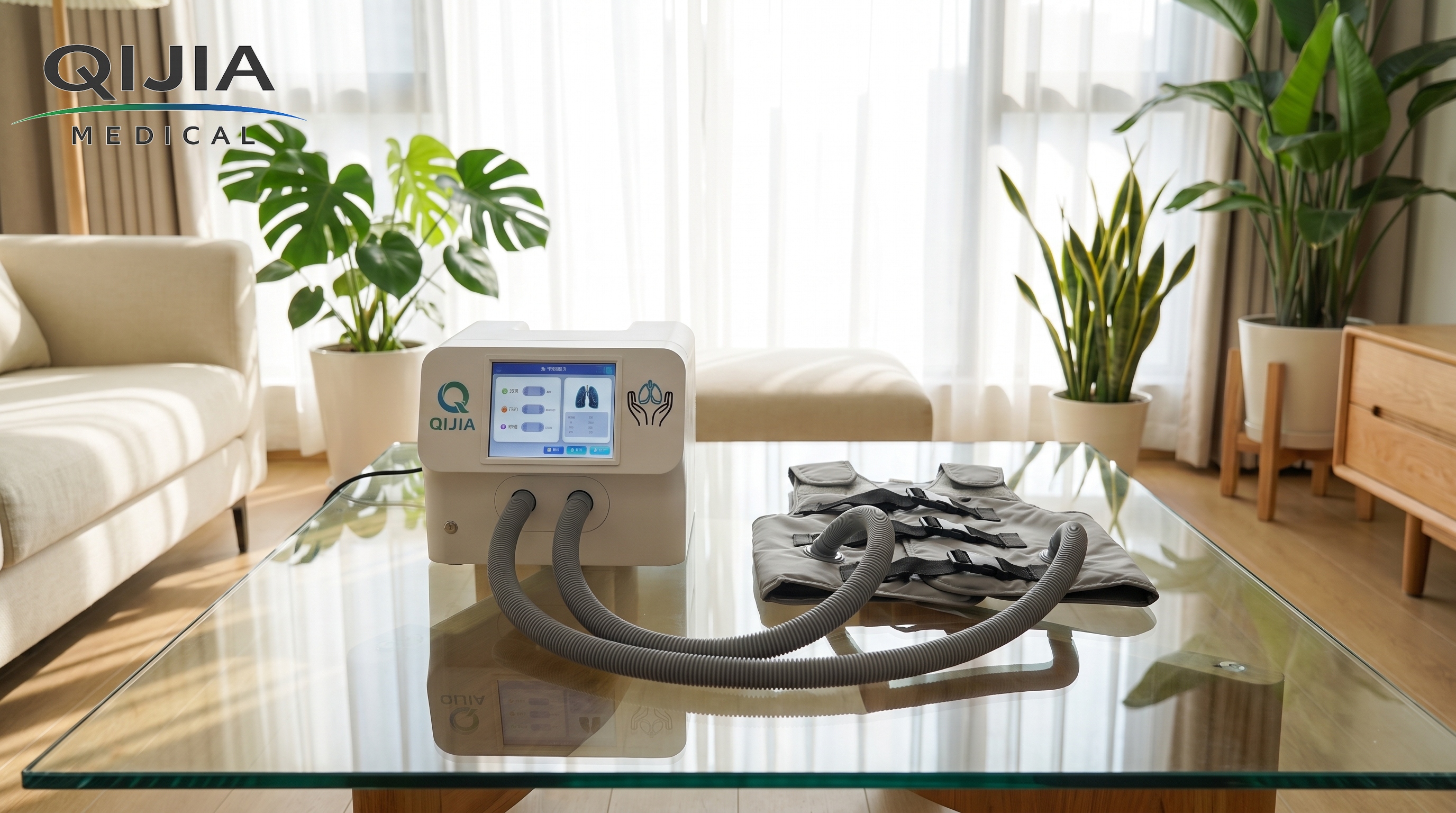
4. Train Caregivers to Support Safe Home Respiratory Care
Caregiver education is particularly important when patients have limited mobility, reduced physical strength, cognitive difficulties, or an ineffective cough. Family members may need to assist with equipment preparation, patient positioning, treatment observation, and cleaning procedures.
Simply handing over a device or providing a printed instruction manual may not be enough. Where possible, the patient and caregiver should receive practical training and demonstrate that they understand the recommended procedure before using the equipment independently.
What should caregivers learn?
How to prepare the equipment and check connections before use.
How to position the patient and fit the relevant interface or vest correctly.
How to follow the prescribed settings and treatment duration.
How to observe the patient's comfort, breathing, and general response.
How to clean, store, and inspect reusable components according to the manufacturer's instructions.
How to identify problems and contact the appropriate healthcare professional.
Caregivers should not independently increase treatment intensity, extend sessions, or change the prescribed schedule because they believe more treatment will produce better results. Treatment decisions should remain consistent with the patient's clinical plan and the device's instructions for use.
5. Understand the Role of HFCWO in Home Airway Clearance
High-frequency chest wall oscillation (HFCWO) is one mechanical approach used to help mobilize airway secretions in appropriately selected patients. An HFCWO airway clearance system typically consists of a main unit connected to an inflatable vest through tubing.
During treatment, the system delivers repeated pneumatic pulses that inflate and deflate the vest, producing chest wall oscillations. These oscillations are intended to help mobilize secretions so that the patient can clear them through an effective cough or another clinically appropriate secretion-removal technique.
For some patients, an HFCWO system may form part of an ongoing respiratory care plan after hospital discharge. Its potential role should be considered in relation to the patient's diagnosis, secretion retention, ability to cough, treatment tolerance, and available alternatives.
What HFCWO can and cannot do
HFCWO is designed to help mobilize secretions; it does not automatically remove all mobilized material from the airways. Patients still need an appropriate method of clearing secretions after mobilization. Some individuals may require additional support, such as assisted coughing or suction, according to their clinical needs.
HFCWO is also not a universal treatment for every respiratory condition. It should not be assumed to prevent every respiratory complication or replace prescribed medication, oxygen therapy, breathing techniques, or other components of respiratory care when those interventions are indicated.
Healthcare professionals should determine whether HFCWO is appropriate for home use and provide clear instructions for treatment. The equipment should be used only in accordance with the manufacturer's instructions and the patient's individualized care plan.
6. Evaluate Home Safety Before Introducing Respiratory Equipment
Home care environments differ from hospitals. Space may be limited, caregivers may have less experience, and access to immediate professional assistance may be more restricted. Before introducing an airway clearance system, the care team should consider whether the patient and home environment are suitable for the planned treatment.
Important safety considerations
Medical suitability: Review the patient's current condition, relevant medical history, and any contraindications or precautions identified in the device instructions.
Physical tolerance: Consider whether the patient can tolerate the prescribed treatment and whether additional monitoring is necessary.
Equipment condition: Inspect the main unit, tubing, vest, and connections for visible damage or other problems before use.
Suitable environment: Place the equipment on a stable surface with adequate ventilation and sufficient space for safe setup and operation.
Hygiene: Follow the manufacturer's cleaning and disinfection procedures, especially when reusable components are involved.
Caregiver readiness: Confirm that the person responsible for assisting with treatment understands the instructions and knows when to seek help.
HFCWO treatment may require additional precautions or may be unsuitable for patients with certain conditions, including untreated pneumothorax, significant chest wall injuries, active significant hemoptysis, or other conditions identified in the manufacturer's instructions. The relevance of these risks must be assessed by a qualified healthcare professional.
If the patient experiences significant chest pain, worsening shortness of breath, unexpected oxygen desaturation, or other concerning symptoms during treatment, the session should be stopped and the patient assessed according to the clinical instructions provided. Severe breathing difficulty or other signs of a medical emergency require urgent medical attention.
7. Maintain Consistency Without Ignoring Changes in the Patient's Condition
Consistency is important, but effective home respiratory care is not simply a matter of repeating the same procedure every day. A patient's condition, treatment tolerance, and secretion management needs may change over time.
Caregivers should follow the prescribed schedule while remaining alert to changes that may require professional review. For example, increasing difficulty clearing secretions, a noticeable change in breathing, worsening cough, fever, or a decline in the patient's usual functional status may indicate that the care plan needs reassessment.
These symptoms do not always have the same cause, and they should not automatically be attributed to inadequate airway clearance. Instead, they should prompt an appropriate clinical assessment, particularly when symptoms are new, persistent, or worsening.
Practical ways to support continuity
Keep the current treatment instructions in an accessible location.
Record treatment sessions or relevant observations when recommended by the healthcare team.
Make sure all caregivers understand the same prescribed procedure.
Arrange follow-up appointments and review treatment progress as directed.
Report equipment problems promptly rather than attempting unauthorized repairs.
Review the care plan when the patient's clinical condition or living arrangements change.
A structured routine can make care easier to manage, while regular communication with healthcare professionals helps ensure that the routine remains appropriate.
8. Choosing an Airway Clearance System for Long-Term Care
When a healthcare provider recommends mechanical airway clearance for ongoing use, equipment selection should consider more than immediate clinical requirements. The system must also be practical for the intended setting and manageable for the people responsible for treatment.
Hospitals, rehabilitation facilities, home-care providers, and medical equipment distributors may wish to assess the following factors when evaluating an HFCWO system:
Usability: Are the controls clear, and can trained users operate the system correctly?
Parameter control: Can the device support the treatment protocol prescribed for its intended use?
Vest options: Are appropriate sizes and fitting options available for the intended patient population?
Maintenance: Are inspection, cleaning, and servicing requirements clearly documented?
Training resources: Can users access suitable operating instructions and product training?
Technical support: Is there a clear process for handling equipment faults and obtaining replacement components?
Documentation: Can the supplier provide the relevant product specifications, safety information, and regulatory documents required for the destination market?
For home use, the device should be selected based on clinical recommendations rather than convenience or marketing claims alone. For procurement teams, a structured evaluation can help determine whether a system meets the practical needs of the care environment and the requirements of its intended users.
9. Supporting Hospital-to-Home Respiratory Care with QIJIA MEDICAL
QIJIA MEDICAL provides respiratory care equipment, including an HFCWO Airway Clearance System designed to deliver repeated pneumatic chest wall oscillations through an inflatable vest. The system is intended to help mobilize airway secretions in appropriately selected patients as part of a clinically guided airway clearance plan.
For organizations evaluating respiratory equipment for hospitals, rehabilitation facilities, or other appropriate care environments, product selection should include a review of technical specifications, intended use, patient suitability, operating instructions, and after-sales support. Whether a particular system is suitable for home use should be confirmed against the specific model's instructions and the patient's clinical requirements.
Explore the QIJIA MEDICAL HFCWO Airway Clearance System to learn more about the product.
Medical equipment distributors and business partners can visit our About Us page to learn more about QIJIA MEDICAL and discuss potential OEM/ODM cooperation.
For product information, distribution inquiries, or questions about available cooperation options, please contact the QIJIA MEDICAL team.
Conclusion
Maintaining airway clearance care from hospital to home requires more than access to respiratory equipment. It depends on an individualized clinical plan, clear discharge instructions, trained caregivers, appropriate device use, routine safety checks, and ongoing communication with healthcare professionals.
When secretion clearance remains a clinical concern after discharge, an appropriate airway clearance technique may form part of the patient's continuing care. However, treatment should be reassessed as the patient's condition changes, and equipment should never replace professional evaluation or other indicated respiratory interventions.
By planning the transition carefully and choosing equipment according to clinical needs, healthcare providers and caregivers can support more consistent respiratory care across hospital, rehabilitation, and home settings.

Frequently Asked Questions (FAQ)
1. Why might a patient need airway clearance care after hospital discharge?
Some patients continue to have difficulty clearing airway secretions because of underlying respiratory conditions, reduced cough effectiveness, muscle weakness, or limited mobility. A healthcare professional should determine whether ongoing airway clearance is necessary and which technique is appropriate.
2. Can an HFCWO airway clearance system be used at home?
Home use may be appropriate for selected patients when recommended by a qualified healthcare professional. The specific device must be suitable for the intended use, and patients or caregivers should receive appropriate instructions and training.
3. What are the risks of inconsistent airway clearance care?
For patients who depend on airway clearance assistance, interruptions or incorrect treatment may contribute to difficulty managing secretions and worsening respiratory symptoms. The level of risk varies by patient, so treatment needs and symptoms should be reviewed by the healthcare team.
4. What should caregivers learn before using an airway clearance device?
Caregivers should understand equipment setup, correct fitting and positioning, prescribed settings, treatment duration, cleaning procedures, routine inspection, and the warning signs that require professional advice or urgent medical attention.
5. Does an HFCWO system remove secretions from the lungs automatically?
No. HFCWO uses chest wall oscillations to help mobilize secretions. The patient still needs an appropriate method of clearing those secretions, such as effective coughing or additional assistance when clinically indicated.
6. When should home airway clearance treatment be stopped and reviewed?
Treatment should be stopped and the patient assessed if significant pain, worsening breathlessness, unexpected oxygen desaturation, or other concerning symptoms occur. Severe symptoms may require urgent medical attention. Patients and caregivers should follow their clinician's instructions and the device's safety guidance.
7. How can families maintain a consistent airway clearance routine?
Families can follow a written care plan, use the prescribed schedule, keep equipment clean and in good condition, record relevant observations when advised, and attend follow-up appointments. Any significant change in symptoms or treatment tolerance should be discussed with the healthcare team.
8. What should providers consider when selecting an airway clearance system?
Important considerations include clinical suitability, safety precautions, control functions, patient comfort, ease of operation, cleaning and maintenance, training, technical support, and applicable regulatory documentation.