







Postoperative Airway Clearance: Why Respiratory Care Matters During Recovery
Recovery after surgery involves more than allowing an incision to heal. Breathing effectively, maintaining mobility, and clearing airway secretions are also important parts of postoperative care. For some patients, the period immediately after surgery can bring temporary changes in breathing patterns, reduced coughing strength, discomfort during movement, and difficulty managing respiratory secretions.
When these challenges are not recognized, vulnerable patients may face an increased risk of postoperative pulmonary complications, including atelectasis and respiratory infections. These complications can interfere with recovery, prolong hospitalization, and sometimes require additional medical intervention.
Postoperative respiratory care therefore deserves careful attention, particularly for patients undergoing major surgery or those with pre-existing respiratory conditions, reduced mobility, or an ineffective cough. This article explains why airway clearance matters after surgery, which warning signs require attention, and how techniques such as high-frequency chest wall oscillation (HFCWO) may fit into an individualized respiratory care plan.
1. Why Can Breathing Become More Difficult After Surgery?
Surgery can affect respiratory function in several ways. The extent of these effects depends on the type of procedure, anesthesia, the patient's health before surgery, pain levels, mobility, and whether complications develop.
Pain can make deep breathing and coughing uncomfortable
After chest or abdominal surgery, patients may experience discomfort when taking a deep breath, changing position, or coughing. Some patients respond by breathing more shallowly or suppressing their cough to avoid pain. When this occurs, normal respiratory expansion and secretion clearance may become more difficult.
Effective pain management, appropriate positioning, and breathing guidance can help patients participate in recovery activities. Pain that prevents adequate breathing or coughing should be discussed with the clinical team rather than managed by simply avoiding these activities.
Anesthesia and reduced ventilation can affect lung expansion
General anesthesia and the circumstances surrounding surgery can temporarily alter breathing patterns and lung volumes. Some patients develop areas of reduced lung expansion, known as atelectasis. This can occur when small portions of the lung do not inflate adequately and is a recognized concern during postoperative recovery.
Atelectasis has several possible causes, and airway secretions are not responsible for every case. Respiratory care may therefore involve different measures depending on the underlying problem, including mobilization, appropriate pain control, breathing exercises, and other interventions prescribed by the healthcare team.
Reduced mobility can complicate recovery
Patients who remain in bed for extended periods may have fewer opportunities to change position, take deeper breaths, and participate in normal physical activity. Reduced mobility can be particularly challenging for older adults, people with pre-existing respiratory disease, and patients recovering from major procedures.
Early mobilization, when medically appropriate, is an important component of postoperative recovery. It should be combined with other measures selected according to the patient's condition rather than viewed as a replacement for respiratory assessment.
2. Why Is Airway Secretion Clearance Important After Surgery?
The airways naturally produce mucus that helps trap particles and protect the respiratory tract. Under normal circumstances, mucus is transported toward the throat and removed through coughing or other natural clearance mechanisms.
After surgery, some patients may have difficulty clearing secretions because of pain, weakness, reduced mobility, pre-existing respiratory disease, or impaired cough effectiveness. When secretions accumulate, they may contribute to airway obstruction and interfere with effective ventilation in susceptible patients.
Potential consequences of postoperative respiratory problems include:
Atelectasis: Reduced expansion of part of the lung can occur after surgery, particularly when breathing is shallow or mobility is limited.
Difficulty clearing secretions: Patients with a weak or painful cough may struggle to remove mucus effectively.
Respiratory infection: Some postoperative patients are at increased risk of pneumonia or other respiratory infections, depending on their clinical condition and the circumstances of their recovery.
Delayed recovery: Respiratory complications may require additional treatment, closer monitoring, or a longer hospital stay.
These outcomes are not inevitable, and retained secretions are only one part of the broader picture. The purpose of postoperative respiratory care is to identify individual risk factors early and select appropriate interventions before breathing difficulties become more serious.
3. Which Patients May Need Closer Respiratory Monitoring?
Not every patient needs specialized airway clearance equipment after surgery. However, certain patients may require closer assessment because they have a higher likelihood of breathing difficulties or ineffective secretion clearance.
Patients undergoing major chest or abdominal surgery
Some thoracic and abdominal procedures can make deep breathing and coughing uncomfortable during the early recovery period. Depending on the procedure and the patient's condition, clinicians may recommend breathing exercises, supported coughing, pain management, mobilization, or additional respiratory interventions.
Older adults and patients with limited mobility
Older adults and patients with reduced physical strength may have difficulty changing position, walking, or generating an effective cough. These challenges can make routine postoperative respiratory care more demanding and may require additional assistance.
Patients with pre-existing respiratory conditions
People with conditions such as bronchiectasis, cystic fibrosis, or certain neuromuscular disorders may already have difficulty clearing airway secretions before surgery. Their existing respiratory care needs should be considered when planning perioperative and postoperative management.
Patients with COPD or other chronic respiratory conditions may also require individualized assessment, but a respiratory diagnosis alone does not establish that mechanical airway clearance is necessary. The clinical team should determine which interventions are appropriate for the specific patient.
Patients with an ineffective cough
Some patients have difficulty generating sufficient cough strength because of neuromuscular weakness, fatigue, pain, or other medical factors. When cough effectiveness is significantly reduced, mobilizing secretions may not be enough on its own. The healthcare team may need to consider assisted coughing or other methods of secretion removal.
4. Recognize Warning Signs During Postoperative Recovery
Changes in breathing after surgery should not automatically be attributed to normal recovery. Early recognition of respiratory deterioration is important because several different complications can cause similar symptoms and may require different treatments.
Patients, caregivers, and healthcare staff should pay attention to warning signs such as:
Increasing shortness of breath or noticeably more difficult breathing.
A new or worsening cough, particularly when the patient cannot clear secretions effectively.
New or worsening oxygen desaturation, when oxygen saturation is being monitored.
Fever or other symptoms that may suggest an infection.
Increasing drowsiness, confusion, or a decline in the patient's usual level of alertness.
Significant chest pain, coughing up blood, or other unexpected symptoms.
These signs do not identify a specific diagnosis by themselves. They require assessment in the context of the patient's operation, medical history, examination, and other clinical findings.
Important: Severe or sudden breathing difficulty, chest pain, blue or gray discoloration of the lips, collapse, or other signs of a medical emergency require immediate medical attention. Airway clearance equipment should never be used as a substitute for urgent evaluation of unexplained or worsening respiratory symptoms.
5. Core Strategies for Postoperative Respiratory Care
Postoperative respiratory care usually involves a combination of measures selected according to the procedure, the patient's condition, and the clinical goals. No single technique is suitable for every patient, and specialized equipment is only one possible component of care.
Encourage appropriate breathing exercises
When indicated, guided deep breathing and other prescribed breathing exercises can help patients work on lung expansion during recovery. The exact approach should reflect the patient's condition, surgical restrictions, and ability to participate.
Support effective coughing
Patients may need instruction and assistance to cough effectively while managing postoperative discomfort. For some abdominal or chest procedures, the clinical team may teach supported coughing or other techniques appropriate to the surgical site.
When a patient cannot generate an effective cough, the team may assess whether additional secretion-clearance support is required. The choice depends on the patient's needs and the reason for the ineffective cough.
Promote early mobilization when appropriate
Getting out of bed, changing position, and walking as permitted can support recovery and reduce the problems associated with prolonged immobility. Mobilization must follow the surgical team's instructions and should take account of the patient's stability, pain, and physical limitations.
Maintain an individualized care plan
Respiratory care may include monitoring, medication, oxygen therapy, breathing exercises, secretion clearance techniques, or additional interventions when clinically indicated. These measures serve different purposes and should be selected according to the patient's assessment rather than applied routinely to everyone.
6. When Might Mechanical Airway Clearance Be Considered?
Mechanical airway clearance may be considered when a patient has difficulty mobilizing or clearing secretions and the clinical team determines that a specific device-based technique is appropriate. The decision should be based on the patient's respiratory condition, cough effectiveness, medical history, treatment tolerance, and the intended goals of therapy.
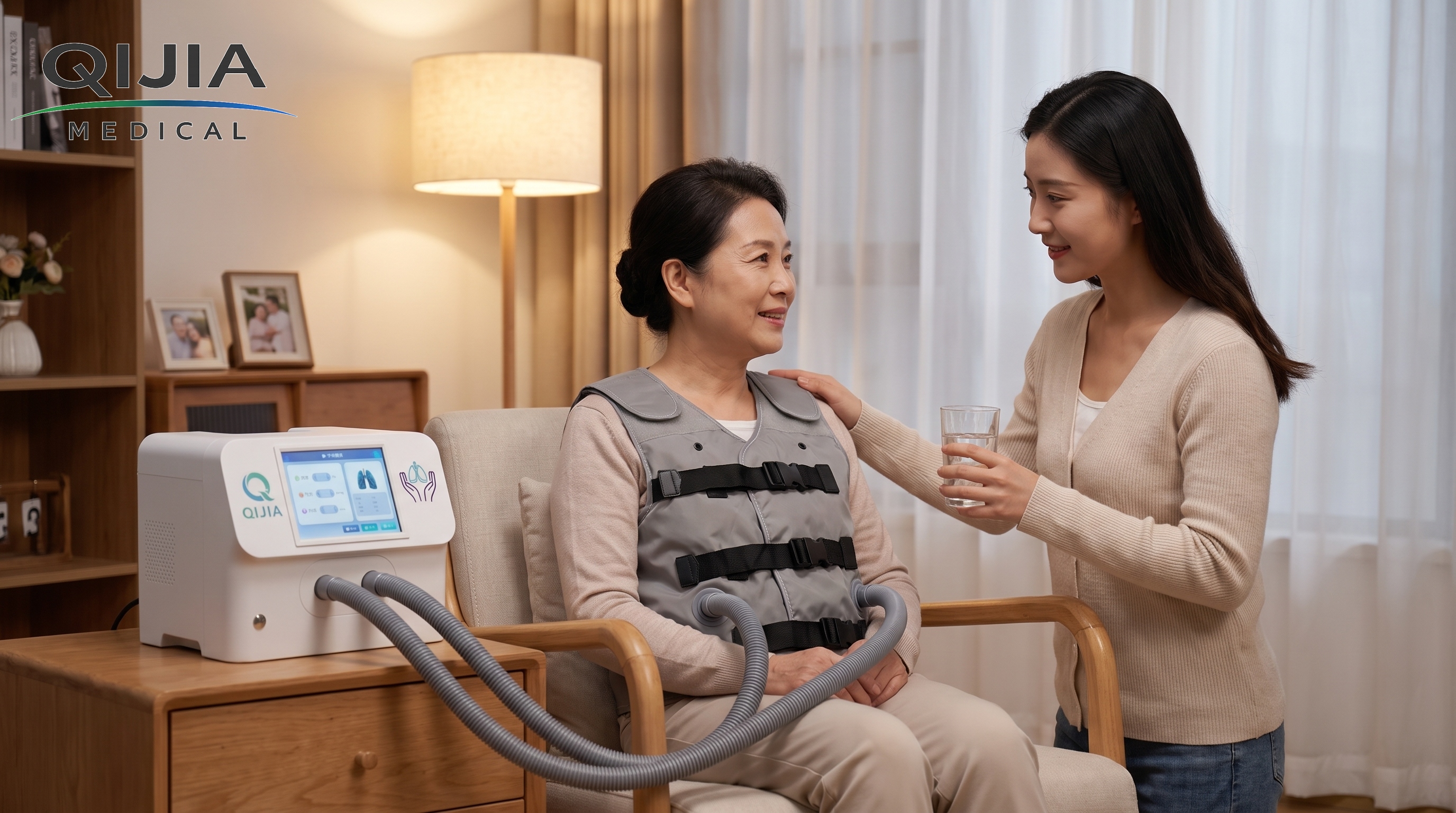
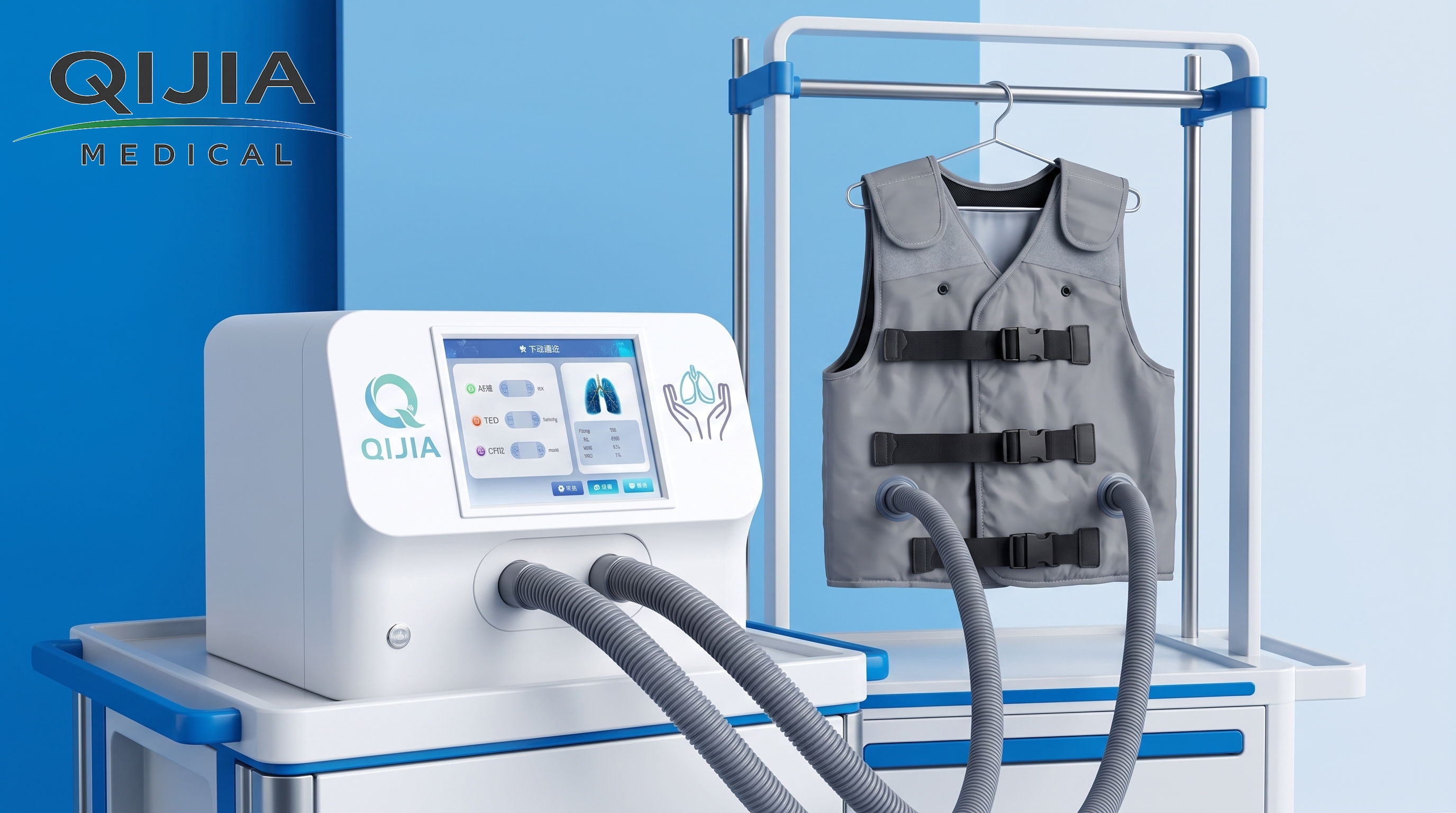
One available approach is high-frequency chest wall oscillation (HFCWO). An HFCWO system typically uses an inflatable vest connected to a main unit through tubing. Repeated pneumatic pulses inflate and deflate the vest, creating chest wall oscillations designed to help mobilize airway secretions.
For selected patients with secretion retention, HFCWO may form part of a broader airway clearance plan. However, it should not be treated as a routine requirement for every postoperative patient or as a substitute for standard postoperative respiratory care.
Understand the difference between mobilizing and removing secretions
HFCWO is intended to help mobilize secretions; it does not automatically remove them from the airways. The patient must still have an effective way to clear the mobilized material, such as coughing or another method recommended by the healthcare team.
For patients with a significantly ineffective cough, additional support may be necessary. Mechanical insufflation-exsufflation, commonly known as cough assist, uses positive and negative pressure to assist coughing in selected patients. It serves a different function from HFCWO, and the two technologies should not be considered interchangeable.
7. Safety Considerations Before Using HFCWO After Surgery
Although HFCWO may be useful for selected patients, recent surgery requires particular attention to clinical suitability. The presence of a secretion-clearance problem does not automatically mean that chest wall oscillation is appropriate.
Before treatment, healthcare professionals should review the type of surgery, the patient's current stability, the condition of the chest wall, relevant bleeding risks, and any restrictions imposed by the surgical team.
Additional precautions or avoidance may be necessary in situations such as:
Recent thoracic or other surgery where chest wall movement or pressure may be restricted.
Rib fractures, unstable chest wall injuries, or other conditions that may make external oscillation unsafe.
Untreated pneumothorax or other conditions identified as contraindications in the device's instructions for use.
Active significant hemoptysis or other bleeding concerns requiring clinical assessment.
Hemodynamic instability or respiratory deterioration requiring urgent medical evaluation.
This list is not exhaustive. The risks associated with each condition depend on the patient's clinical circumstances and the specific device. A qualified healthcare professional must determine whether HFCWO is appropriate, when it can be introduced, and how treatment should be monitored.
Patients should not independently begin HFCWO treatment after surgery simply because they have a cough or are producing secretions. Treatment settings and duration must follow professional guidance and the manufacturer's instructions.
8. How to Evaluate an HFCWO System for Respiratory Care
For hospitals, surgical recovery units, rehabilitation facilities, and medical equipment procurement teams, selecting an airway clearance system requires consideration of both clinical and operational requirements.
Review the treatment controls
Check whether the system's available settings, session controls, and display are appropriate for the intended clinical protocol. Verify the actual specifications of the model rather than assuming that all HFCWO systems offer the same features.
Consider vest fit and patient tolerance
The inflatable vest is an important part of the system. Appropriate sizing, ease of fitting, secure tubing connections, and patient comfort should be considered, particularly when the intended users include people recovering from surgery or experiencing limited mobility.
Check cleaning and maintenance requirements
Healthcare facilities should confirm how reusable components must be cleaned and disinfected, how the equipment should be inspected, and what routine maintenance is required. These procedures should follow the manufacturer's instructions and the facility's infection-control policies.
Assess training and technical support
Staff should receive appropriate training on operation, patient selection, safety precautions, and equipment care. Buyers should also review the availability of user documentation, technical support, replacement components, and relevant regulatory information.
Equipment specifications alone cannot establish clinical suitability. The final decision should combine product evaluation with professional judgment, the needs of the intended patient population, and the requirements of the care environment.
9. QIJIA MEDICAL HFCWO Airway Clearance System
QIJIA MEDICAL offers an HFCWO Airway Clearance System that uses an inflatable vest connected to a main unit to deliver repeated pneumatic chest wall oscillations. The system is designed to help mobilize airway secretions in appropriately selected patients as part of a clinically guided airway clearance plan.
For healthcare providers and medical equipment distributors evaluating respiratory care solutions, it is important to review the device's specifications, intended use, operating instructions, safety information, and maintenance requirements before selecting a system for a particular clinical environment.
HFCWO should be considered only when appropriate for the patient's condition. For postoperative patients in particular, the timing and suitability of treatment must be determined by the healthcare team, taking the surgical procedure and individual risk factors into account.
Learn more about the QIJIA MEDICAL HFCWO Airway Clearance System.
For medical equipment distributors and business partners interested in OEM/ODM cooperation, visit our About Us page to learn more about QIJIA MEDICAL.
For product information, technical inquiries, or business cooperation opportunities, please contact our team.
Conclusion
Postoperative recovery requires attention to both surgical healing and respiratory function. Pain, reduced mobility, changes in breathing, and an ineffective cough can make secretion clearance more difficult for some patients, potentially contributing to postoperative pulmonary complications.
Early assessment, appropriate breathing exercises, effective pain management, safe mobilization, and individualized airway clearance strategies can all play a role in respiratory care. For selected patients, HFCWO may help mobilize secretions, but it is not suitable for everyone and does not replace other necessary treatments.
By recognizing risk factors, monitoring warning signs, and selecting respiratory interventions according to clinical needs, healthcare teams can support safer and more coordinated postoperative care.
Frequently Asked Questions (FAQ)
1. Why is airway clearance important after surgery?
Some patients experience shallow breathing, reduced mobility, or difficulty coughing after surgery. When secretions cannot be cleared effectively, they may contribute to respiratory symptoms and complications in susceptible patients. Appropriate respiratory care helps address these risks according to the patient's condition.
2. Can surgery increase the risk of atelectasis?
Yes. Atelectasis, or incomplete expansion of part of the lung, can occur after surgery. Anesthesia, shallow breathing, pain, and reduced mobility may contribute. Prevention and management depend on the procedure and the patient's clinical needs.
3. Does every postoperative patient need an airway clearance device?
No. Many patients recover with standard postoperative care and do not require mechanical airway clearance. A device may be considered when there is a specific clinical need, such as difficulty mobilizing or clearing secretions, and a healthcare professional determines that the method is appropriate.
4. How does an HFCWO airway clearance system work?
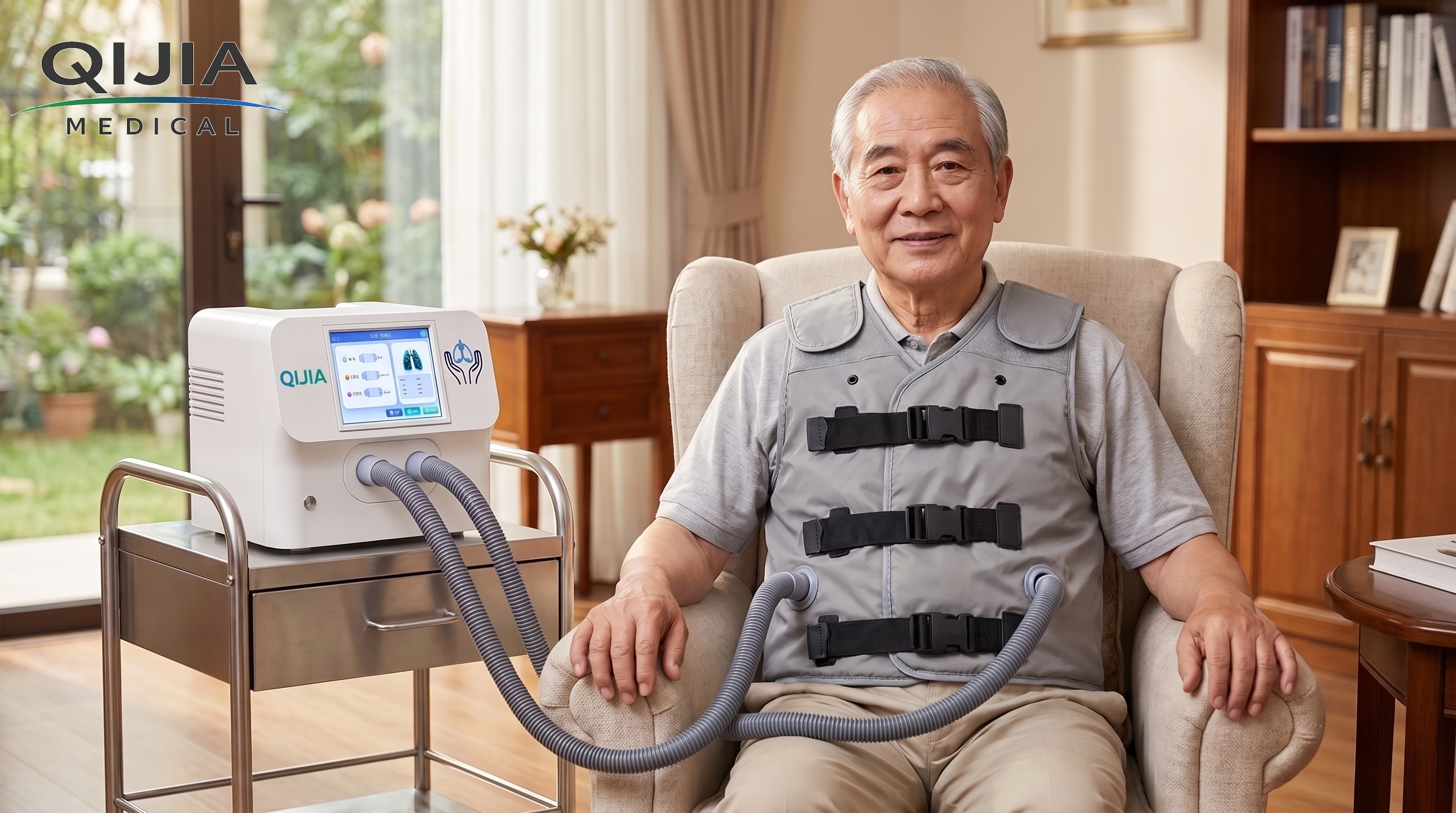
An HFCWO system uses an inflatable vest connected to a main unit to generate repeated chest wall oscillations. These oscillations are intended to help mobilize airway secretions so that they can be cleared through an appropriate method.
5. Is HFCWO safe immediately after surgery?
Not necessarily. Suitability and timing depend on the surgical procedure, the patient's stability, chest wall condition, bleeding risks, and the device's instructions for use. The surgical or treating healthcare team must assess the patient before treatment is started.
6. Can HFCWO replace a cough-assist device?
No, not automatically. HFCWO helps mobilize secretions, while cough assist uses positive and negative pressure to assist coughing in selected patients. They have different functions, and some patients may need additional secretion-clearance support based on clinical assessment.
7. What warning signs after surgery require medical attention?
Worsening shortness of breath, unexpected oxygen desaturation, fever, increasing respiratory symptoms, or difficulty clearing secretions should be reported to the healthcare team. Severe or sudden breathing difficulty, chest pain, or other signs of an emergency require immediate medical attention.
8. What should hospitals consider when purchasing an airway clearance system?
Hospitals should evaluate intended use, clinical suitability, safety information, operating controls, vest fit, cleaning and maintenance requirements, user training, technical support, replacement components, and applicable regulatory documentation.