







Neurological Disorders and Brain Injuries: The Hidden Respiratory Risks of an Ineffective Cough
When people think about neurological disorders or central nervous system injuries, they often focus on visible consequences such as paralysis, impaired movement, speech difficulties, memory problems, and changes in consciousness. However, one critical complication is sometimes overlooked: the loss of effective airway protection and cough function.
Breathing and coughing are closely coordinated neurological and muscular processes. The brain and spinal cord help regulate respiratory movements, coordinate the muscles involved in coughing, and support protective airway reflexes. When these systems are damaged, patients may have difficulty clearing mucus and other secretions from their respiratory tract, even when they can still breathe independently.
For patients with certain neurological conditions, ineffective coughing can become a serious respiratory concern. Retained secretions may contribute to airway obstruction, atelectasis, recurrent respiratory infections, and potentially life-threatening complications.
This is why airway clearance should be considered an important part of respiratory management for selected patients with neurological disorders and central nervous system injuries. A Cough Assist Device, also known as a Mechanical Insufflation-Exsufflation (MI-E) device, can help support the coughing process when a patient's natural cough is insufficient.
1. How the Nervous System Controls Coughing and Airway Protection
Coughing is not simply a movement of the chest. It is a coordinated protective reflex involving sensory nerves, the brainstem, spinal pathways, respiratory muscles, and the muscles of the upper airway.
Under normal conditions, the respiratory system detects irritation or accumulated secretions. The nervous system coordinates a sequence of actions: a deep inspiration, temporary closure of the glottis, contraction of expiratory muscles, and rapid release of airflow. This creates the force needed to move mucus toward the upper airway so it can be expelled.
Neurological damage can interfere with one or several parts of this process. Depending on the location and severity of the injury, a patient may experience:
Reduced respiratory muscle activation and insufficient expiratory force.
Impaired coordination between inspiration, glottic closure, and expiration.
Reduced awareness of airway secretions or a weakened cough response.
Difficulty swallowing and protecting the airway during eating or drinking.
Reduced mobility, making it harder to change position and clear secretions naturally.
These problems do not necessarily occur together. A patient may have relatively preserved breathing but still be unable to produce an effective cough. This distinction is important because normal-looking breathing does not always mean that airway clearance is adequate.
2. Neurological Conditions That May Affect Cough Effectiveness
Stroke and Cerebrovascular Injury
A stroke can damage areas of the brain responsible for coordinating movement, swallowing, respiratory control, and protective airway reflexes. The effects vary considerably depending on the location and extent of the brain injury.
Some stroke survivors experience impaired swallowing, reduced cough strength, poor coordination of respiratory muscles, or difficulty responding to airway secretions. These problems may be particularly concerning in patients with severe neurological deficits, limited mobility, or a history of aspiration.
When secretions cannot be cleared effectively, they may accumulate in the airways and increase the risk of respiratory complications. Aspiration of saliva, food, or liquids can introduce additional risks, including aspiration-related lung inflammation and pneumonia.
For selected stroke patients with documented ineffective cough and secretion retention, a structured airway clearance plan may include assisted coughing techniques. Mechanical cough assistance may be considered when clinically appropriate, following an assessment of neurological status, airway protection, and respiratory function.
Spinal Cord Injury (SCI)
Spinal cord injuries can interrupt the communication pathways between the brain and the respiratory muscles. The impact on coughing depends largely on the injury level and whether the damage is complete or incomplete.
High cervical spinal cord injuries can affect diaphragm function, while injuries involving thoracic spinal pathways may weaken the intercostal and abdominal muscles. These muscles are essential for generating the force required during expiration and coughing.
When abdominal and expiratory muscle function is significantly impaired, patients may be unable to generate sufficient expiratory airflow to remove mucus. Even a relatively small amount of retained secretion can become difficult to clear, particularly in individuals with limited mobility or reduced lung expansion.
In patients with spinal cord injuries and ineffective cough, mechanically assisted coughing is an established airway clearance option. It may also be combined with manually assisted cough techniques under professional guidance.
Traumatic Brain Injury (TBI)
Traumatic brain injury can affect respiratory control, consciousness, swallowing coordination, and the neurological pathways involved in protective airway responses. Depending on the severity of the injury, patients may experience impaired cough reflexes, reduced ability to manage oral secretions, or prolonged dependence on respiratory support.
Patients with severe TBI may also have reduced awareness, limited cooperation, and an increased risk of aspiration. These factors can make airway management more complicated, particularly during intensive care treatment and rehabilitation.
However, cough assistance is not automatically appropriate for every patient with brain injury. In acute traumatic brain injury, especially when intracranial pressure is elevated or poorly controlled, positive-pressure airway clearance techniques require particular caution and specialist assessment. Treatment decisions should be made by the responsible clinical team.
Cerebral Palsy and Other Central Neurological Conditions
People with cerebral palsy may experience varying degrees of impaired muscle control, abnormal muscle tone, poor posture, swallowing difficulties, and reduced respiratory coordination. In more severely affected individuals, these problems can interfere with effective coughing and secretion clearance.
Other neurological conditions, including Parkinson's disease, multiple sclerosis, brainstem disorders, and certain acquired brain injuries, may also affect cough strength or airway protection in some patients.
The underlying mechanisms are not identical. Some patients have weak respiratory muscles, while others have impaired coordination, reduced airway sensation, swallowing dysfunction, or a combination of these problems. Therefore, the need for mechanical cough assistance must be determined individually rather than based on the diagnosis alone.
3. Why Ineffective Cough Can Become a Serious Respiratory Risk
The respiratory tract continuously produces mucus to trap particles and help protect the lungs. Normally, mucus is transported toward the upper airway by the mucociliary clearance system and can be expelled through an effective cough.
When neurological damage weakens this protective process, secretions may remain in the airways for longer than normal. This can create several potential complications.
Secretion Retention and Airway Obstruction
Thick or excessive mucus can accumulate in the respiratory tract when a patient cannot cough effectively. In some cases, retained secretions may partially or completely obstruct smaller airways, reducing airflow to affected lung regions.
Atelectasis and Reduced Ventilation
When an airway becomes obstructed, the air beyond the obstruction may gradually be absorbed, contributing to partial or complete collapse of the affected lung region. This condition is known as atelectasis.
Atelectasis can impair ventilation and oxygen exchange. Patients with limited respiratory reserve may be particularly vulnerable to the consequences of reduced lung ventilation.
Recurrent Respiratory Infections
Retained secretions can create conditions that make respiratory infections more difficult to prevent and manage. Patients with neurological impairment may already have additional risk factors, including aspiration, immobility, poor nutritional status, and reduced ability to communicate early symptoms.
Repeated respiratory infections can lead to emergency treatment, hospitalization, interruptions in rehabilitation, and further deterioration in overall health.
Increased Dependence on Respiratory Interventions
When airway clearance becomes inadequate, patients may require more intensive respiratory support, including frequent suctioning or other hospital-based interventions. In severe situations, mucus plugging and respiratory deterioration can contribute to acute respiratory failure.
These complications are not inevitable for every neurological patient. However, recognizing impaired cough function early can help healthcare professionals identify patients who may benefit from a more structured respiratory care plan.
4. Warning Signs of Poor Airway Clearance
Patients with neurological disorders may not always be able to describe their respiratory discomfort clearly. Caregivers and healthcare professionals should pay attention to changes that may indicate ineffective coughing or secretion retention.
A weak, quiet, or ineffective cough.
Difficulty bringing mucus or phlegm out of the respiratory tract.
Wet or gurgling breathing sounds associated with retained secretions.
Repeated respiratory infections or unexplained episodes of fever.
Increased respiratory effort or changes in breathing patterns.
Frequent need for airway suctioning.
Difficulty clearing secretions after a respiratory infection.
These signs are not specific to one condition and should not be used alone to diagnose respiratory impairment. Clinical assessment may include respiratory examination, oxygenation monitoring, evaluation of swallowing and airway protection, and measurement of cough effectiveness where feasible.
5. How a Cough Assist Device Supports Airway Clearance
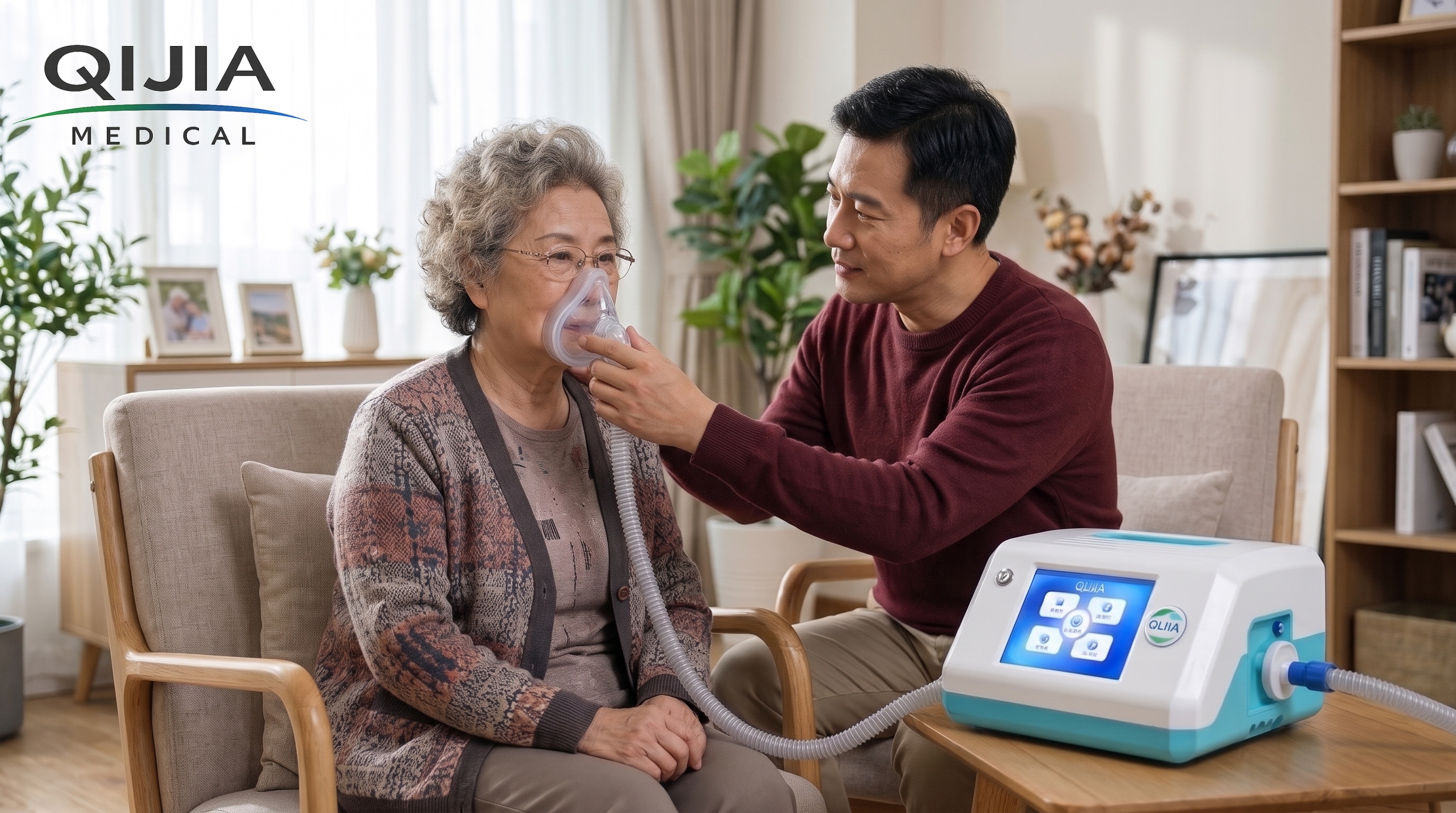
A Cough Assist Device uses Mechanical Insufflation-Exsufflation (MI-E) technology to help patients generate airflow similar to that produced during a natural cough.
Instead of relying entirely on the patient's respiratory muscles to create a strong cough, the device provides controlled positive and negative airway pressure through an appropriate patient interface.
Step 1: Positive Pressure During Inspiration
The device delivers positive pressure to help move air into the lungs. This supports lung inflation and prepares the respiratory system for the subsequent expiratory phase.
Step 2: Rapid Pressure Transition
After the inspiratory phase, the device rapidly switches from positive pressure to negative pressure. This transition creates an assisted expiratory airflow that helps move airway secretions toward the larger airways.
Step 3: Assisted Secretion Clearance
The resulting airflow helps simulate the expulsive phase of coughing. Secretions brought toward the upper airway may then be expelled through the mouth or removed using an appropriate airway management technique.
For patients whose neurological conditions have weakened their natural cough, this process can provide additional assistance with airway clearance as part of a professionally designed respiratory care program.
6. When May Mechanical Cough Assistance Be Considered?
A Cough Assist Device is not intended for every patient with a neurological diagnosis. Its potential role is most relevant when clinical evaluation identifies ineffective cough, difficulty clearing respiratory secretions, or an increased need for assisted airway clearance.
Depending on the patient's condition and care environment, mechanical cough assistance may be considered in situations such as:
Spinal cord injury accompanied by abdominal or respiratory muscle weakness and ineffective cough.
Stroke-related respiratory impairment with documented difficulty clearing secretions.
Selected patients with traumatic brain injury after appropriate neurological and respiratory assessment.
Cerebral palsy or other central neurological conditions associated with ineffective cough.
Long-term rehabilitation patients who require regular support with secretion clearance.
Selected patients with tracheostomy who need an individualized airway clearance strategy.
Mechanical cough assistance may be used alongside other techniques, such as manually assisted coughing, positioning, respiratory physiotherapy, and suctioning when necessary. These methods address different aspects of airway management and may be combined according to the patient's needs.
7. Cough Assist Is Not the Same as a Ventilator or a Chest Percussion System
Understanding the differences between respiratory care devices is important when selecting equipment for hospitals, rehabilitation centers, and homecare programs.
A ventilator primarily supports or replaces part of the patient's breathing process. A Cough Assist Device has a different purpose: it helps generate airflow to support coughing and the movement of respiratory secretions.
Similarly, a high-frequency chest wall oscillation (HFCWO) system primarily helps mobilize secretions through external chest wall vibrations. A Cough Assist Device supports the subsequent cough and expiratory clearance process.
These technologies may complement each other in selected patients, but they are not interchangeable. Mobilizing mucus and expelling mucus are two different steps in airway clearance.
8. QIJIA MEDICAL Cough Assist Device for Respiratory Care
For medical institutions and homecare providers supporting patients with neurological conditions, an appropriate cough assistance solution can be an important part of respiratory care equipment planning.
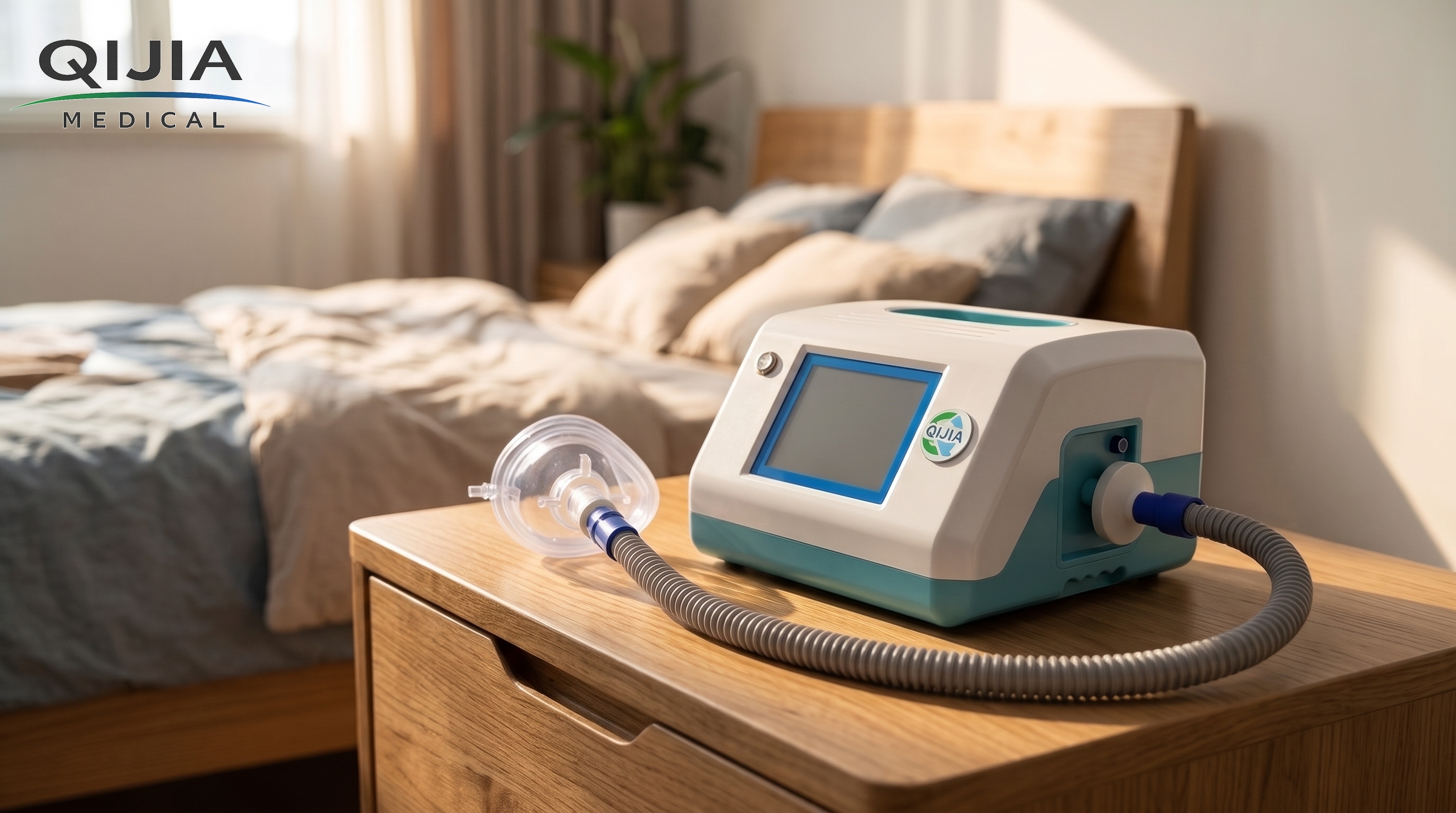
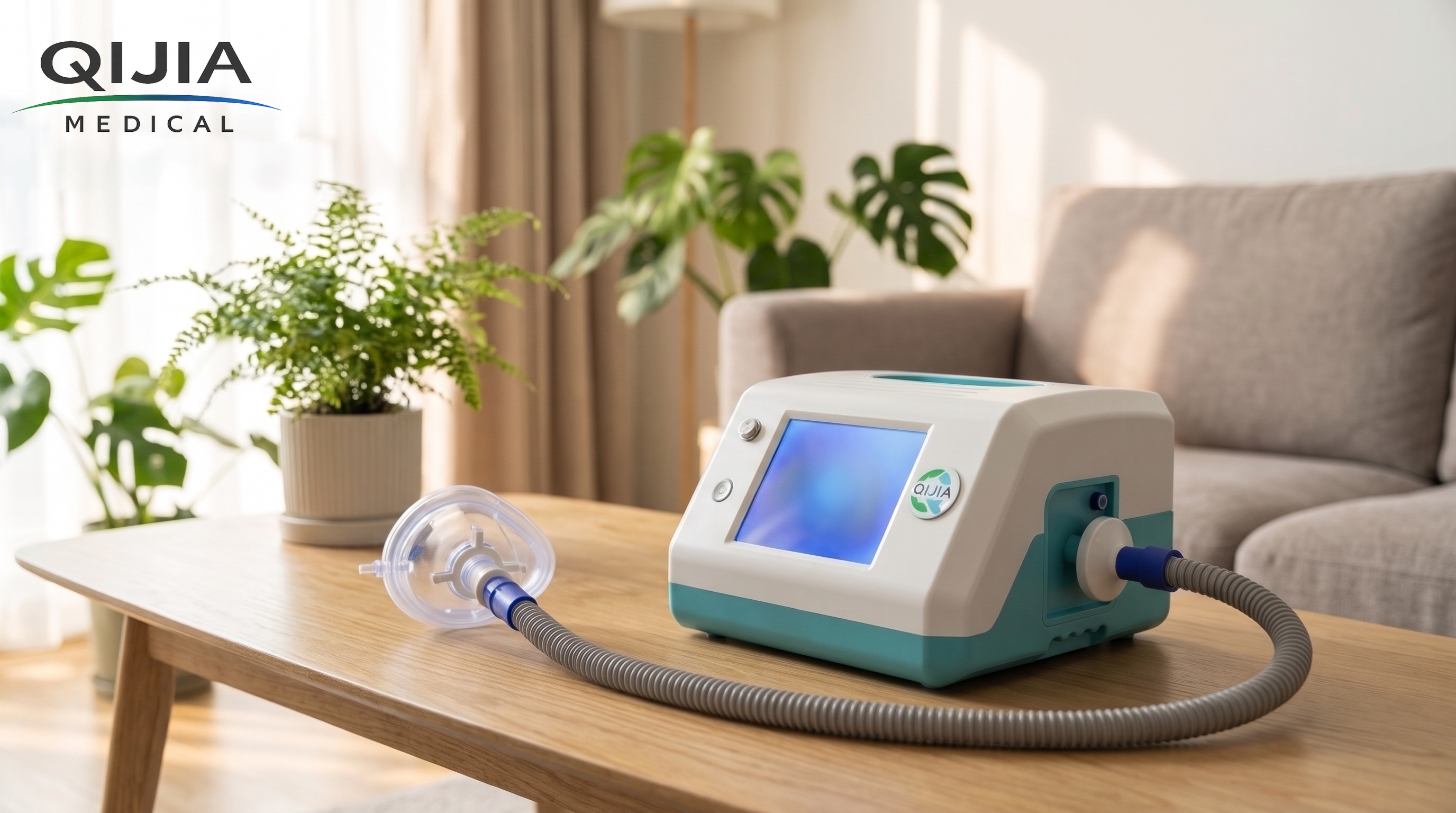
QIJIA MEDICAL provides Cough Assist Device solutions based on Mechanical Insufflation-Exsufflation technology, designed to support airway secretion clearance for patients who have difficulty producing an effective natural cough.
Key product features include:
Adjustable inspiratory pressure: Allows healthcare professionals to configure the inspiratory phase according to the patient's prescribed treatment requirements.
Adjustable expiratory pressure: Supports the negative-pressure phase used to assist expiratory airflow and secretion clearance.
Adjustable treatment time: Provides flexibility in configuring the treatment process.
Mask interface: Supports non-invasive application when clinically appropriate.
Tracheostomy interface option: Provides an interface option for selected patients with a tracheostomy, subject to clinical assessment and compatibility.
For patients with neurological disorders, treatment parameters and interfaces should be selected by qualified healthcare professionals. Patient tolerance, respiratory status, airway protection, medical history, and potential contraindications must all be considered.
Learn more about the QIJIA MEDICAL Cough Assist Device and its application in respiratory care.
9. The Importance of Long-Term Respiratory Management and Caregiver Training
For people living with long-term neurological conditions, respiratory care is not a one-time intervention. Their needs may change as neurological function, mobility, swallowing ability, and respiratory muscle performance evolve.
A comprehensive care plan may involve regular respiratory assessments, monitoring of cough effectiveness, secretion management, swallowing evaluation, infection prevention, and caregiver education.
Caregivers should understand how to recognize signs of secretion retention, follow the prescribed treatment procedure, maintain the equipment, and seek medical assistance when a patient's respiratory condition changes.
For patients receiving care at home, training and follow-up are especially important. A device should be used according to an individualized clinical plan rather than through self-selected pressure settings or treatment schedules.
10. Supporting Better Airway Clearance with the Right Respiratory Care Solution
Neurological disorders and central nervous system injuries can affect far more than movement and communication. In some patients, they also interfere with the body's natural ability to protect the airway and remove respiratory secretions.
When cough function becomes ineffective, mucus retention, airway obstruction, atelectasis, and respiratory infections can become serious concerns. Early recognition and appropriate airway clearance management are therefore important parts of long-term neurological care.
Mechanical Insufflation-Exsufflation offers a practical method of assisting cough airflow in appropriately selected patients. By supporting the expiratory clearance process, a Cough Assist Device can contribute to a broader respiratory management strategy for hospitals, rehabilitation centers, and homecare environments.
QIJIA MEDICAL focuses on medical equipment research, development, and manufacturing, providing respiratory care solutions and OEM/ODM cooperation opportunities for global healthcare partners.
To learn more about our company and manufacturing capabilities, visit About QIJIA MEDICAL.
For product information, distribution opportunities, or OEM/ODM cooperation, please contact our team.
Frequently Asked Questions (FAQ)
1. Can neurological disorders affect a person's ability to cough?
Yes. Conditions such as stroke, spinal cord injury, traumatic brain injury, and cerebral palsy may affect respiratory muscle control, cough coordination, or protective airway reflexes. The degree of impairment varies from patient to patient.
2. Why is an ineffective cough dangerous for patients with neurological conditions?
An ineffective cough can make it difficult to remove mucus and other respiratory secretions. Retained secretions may contribute to airway obstruction, atelectasis, and respiratory infections, potentially leading to more serious complications.
3. Can a Cough Assist Device help stroke patients?
It may be considered for selected stroke patients who have documented ineffective cough and difficulty clearing secretions. A healthcare professional should first evaluate respiratory function, swallowing ability, airway protection, and the patient's overall clinical condition.
4. Is a Cough Assist Device suitable for spinal cord injury patients?
Mechanical insufflation-exsufflation may be useful for patients with spinal cord injuries who have respiratory or abdominal muscle weakness and an ineffective cough. The need for treatment and appropriate settings should be determined through clinical assessment.
5. Can a Cough Assist Device be used for patients with traumatic brain injury?
Some patients may benefit from assisted cough techniques, particularly during rehabilitation or long-term care. However, acute traumatic brain injury with elevated or poorly controlled intracranial pressure requires special caution. Treatment decisions must be made by the responsible medical team.
6. Does a Cough Assist Device replace a ventilator?
No. A ventilator supports breathing, while a Cough Assist Device helps simulate coughing and move respiratory secretions toward the upper airway. They serve different purposes and may both be needed in certain patients.
7. Can a Cough Assist Device be used at home?
Home use may be appropriate for selected patients when prescribed as part of an individualized respiratory care plan. Patients and caregivers should receive professional training on the device, interface, treatment procedure, and safety precautions.
8. Can a Cough Assist Device be used with a tracheostomy?
Mechanical cough assistance can be delivered through a compatible tracheostomy interface in selected patients. The interface, pressure settings, and treatment approach must be determined by qualified healthcare professionals.
9. Is a Cough Assist Device the same as an airway clearance vest?
No. An airway clearance vest uses high-frequency chest wall oscillation to help mobilize secretions, while a Cough Assist Device uses positive and negative pressure to assist cough airflow and secretion removal. The two approaches may be combined when clinically appropriate.
10. Does QIJIA MEDICAL provide OEM and ODM services for Cough Assist Devices?
QIJIA MEDICAL provides medical equipment manufacturing and OEM/ODM cooperation opportunities. Healthcare distributors, medical equipment suppliers, and institutional buyers can contact our team to discuss product information and potential cooperation.