







Cough Assist Device in ICU: Supporting Airway Clearance in Critically Ill and Mechanically Ventilated Patients
In an intensive care unit (ICU), supporting a patient's breathing is only one part of respiratory management. Another equally important challenge is maintaining effective airway clearance. Critically ill patients may accumulate significant amounts of mucus and respiratory secretions, yet their ability to cough effectively can be severely reduced by illness, sedation, artificial airways, or respiratory muscle weakness.
When secretions cannot be cleared efficiently, the consequences may extend beyond coughing difficulties. Retained mucus can contribute to airway obstruction, impaired ventilation, atelectasis, and deterioration in respiratory function. For patients receiving mechanical ventilation, these problems may also complicate the process of ventilator weaning and extubation.
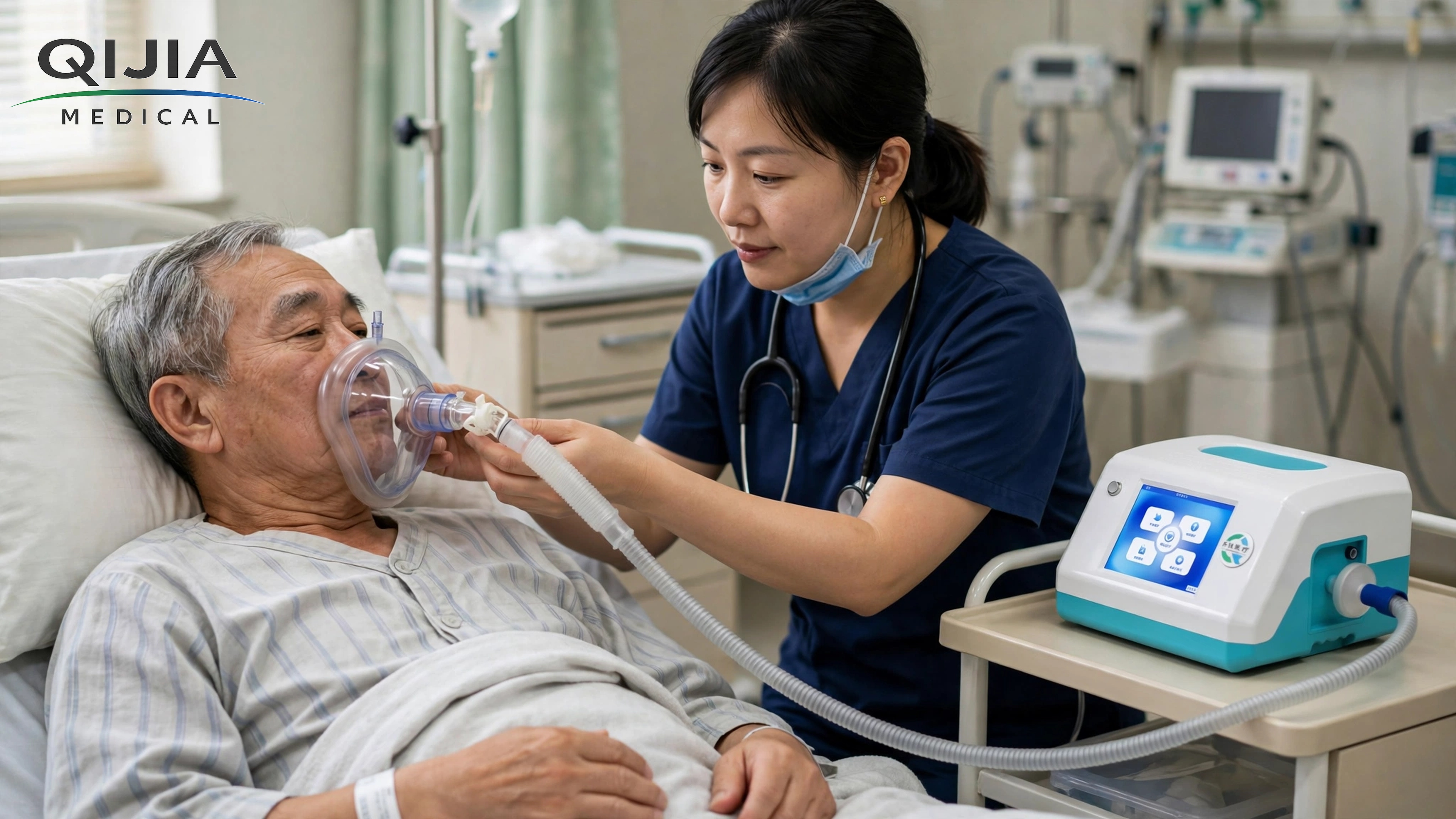
This is why airway clearance deserves particular attention in critical care. A Cough Assist Device, also known as a Mechanical Insufflation-Exsufflation (MI-E) device, may be considered as an additional airway clearance approach for selected patients who cannot generate an effective cough independently.
1. Why Airway Clearance Becomes a Critical Issue in the ICU
Healthy individuals usually clear airway mucus through a combination of mucociliary transport and an effective cough. Tiny cilia lining the respiratory tract move mucus toward the upper airway, while coughing helps expel accumulated secretions.
However, critically ill patients often lose some of these natural protective mechanisms. Severe infection, respiratory failure, neurological impairment, prolonged bed rest, sedation, and respiratory muscle weakness can all interfere with normal secretion clearance.
Patients who are intubated or have a tracheostomy face additional challenges. An artificial airway changes normal respiratory physiology and may impair the coordination and effectiveness of the cough mechanism. Sedation and reduced consciousness can further limit spontaneous coughing and the patient's ability to cooperate with airway clearance procedures.
As a result, respiratory secretions may accumulate even when a patient is receiving continuous respiratory support.
Common ICU situations associated with impaired airway clearance
Prolonged mechanical ventilation: Patients who require extended ventilatory support may experience reduced respiratory muscle activity and impaired cough effectiveness.
Endotracheal intubation: The presence of an endotracheal tube can interfere with normal cough mechanics and make secretion management more challenging.
Tracheostomy: Patients with a tracheostomy may have difficulty generating an effective cough, particularly when respiratory muscle weakness is present.
ICU-acquired weakness: Critical illness, immobility, and prolonged treatment can contribute to generalized muscle weakness, including weakness of the respiratory muscles.
Neurological impairment: Stroke, brain injury, spinal cord injury, and other neurological conditions may affect cough coordination, airway protection, or respiratory muscle control.
2. The Potential Dangers of Retained Respiratory Secretions
In critically ill patients, retained secretions are not simply an inconvenience. When mucus cannot be removed effectively, it may contribute to a series of respiratory complications. The level of risk depends on the patient's underlying disease, airway condition, secretion volume, and overall clinical stability.
2.1 Airway obstruction and mucus plugging
Thick or excessive secretions may partially or completely obstruct sections of the bronchial tree. In severe cases, mucus plugs can interfere with airflow to parts of the lung, resulting in reduced ventilation and potentially sudden respiratory deterioration.
For patients who already have limited respiratory reserve, even a localized airway obstruction may have significant consequences. This makes timely assessment and effective secretion management especially important.
2.2 Atelectasis and impaired gas exchange
When mucus blocks an airway, the affected region of the lung may receive insufficient ventilation. This can contribute to atelectasis, a condition in which part of the lung becomes partially or completely collapsed.
Atelectasis may reduce the efficiency of oxygen exchange and increase the respiratory support required by the patient. In individuals with severe respiratory illness, reduced lung ventilation can further complicate an already unstable clinical situation.
2.3 Increased respiratory burden and infection-related concerns
Persistent secretion retention may increase airway resistance and contribute to an unfavorable respiratory environment. In patients with impaired airway protection, aspiration and difficulty clearing secretions can add further complexity to respiratory care.
It is important to understand that retained mucus alone does not automatically cause ventilator-associated pneumonia (VAP). However, secretion management is one component of a broader infection-prevention and respiratory-care strategy in mechanically ventilated patients.
2.4 Difficult ventilator weaning and extubation
One of the most important challenges in ICU respiratory care occurs when a patient is ready to reduce ventilator support or remove the endotracheal tube.
Passing a spontaneous breathing trial does not necessarily mean that a patient can maintain adequate airway protection and secretion clearance after extubation. A patient may be able to breathe with less assistance but still have a weak cough and an inability to remove accumulated mucus.
Poor cough effectiveness and excessive respiratory secretions are recognized factors associated with extubation failure. If the patient cannot manage secretions after the breathing tube is removed, urgent airway intervention or reintubation may become necessary.
Therefore, evaluating cough strength and secretion management should form part of the overall assessment before and after ventilator liberation.
3. Why Conventional Suctioning May Not Be the Only Answer
Endotracheal and tracheal suctioning are established procedures in ICU airway management. They help remove secretions that can be accessed through the artificial airway and are essential when a patient cannot clear them independently.
However, suctioning and cough augmentation serve different purposes. Suctioning uses a catheter to remove accessible secretions, while cough augmentation aims to assist the movement of airway mucus by improving expiratory airflow.
Depending on the patient's condition, suctioning alone may not address every aspect of ineffective cough or secretion retention. Some patients may benefit from a combination of approaches, including positioning, humidification, respiratory physiotherapy, mobilization when appropriate, suctioning, and selected cough-assistance techniques.
The goal is not to replace standard ICU airway management, but to identify whether an additional technique may help address a specific clinical problem.
4. How a Cough Assist Device Works: Mechanical Insufflation-Exsufflation
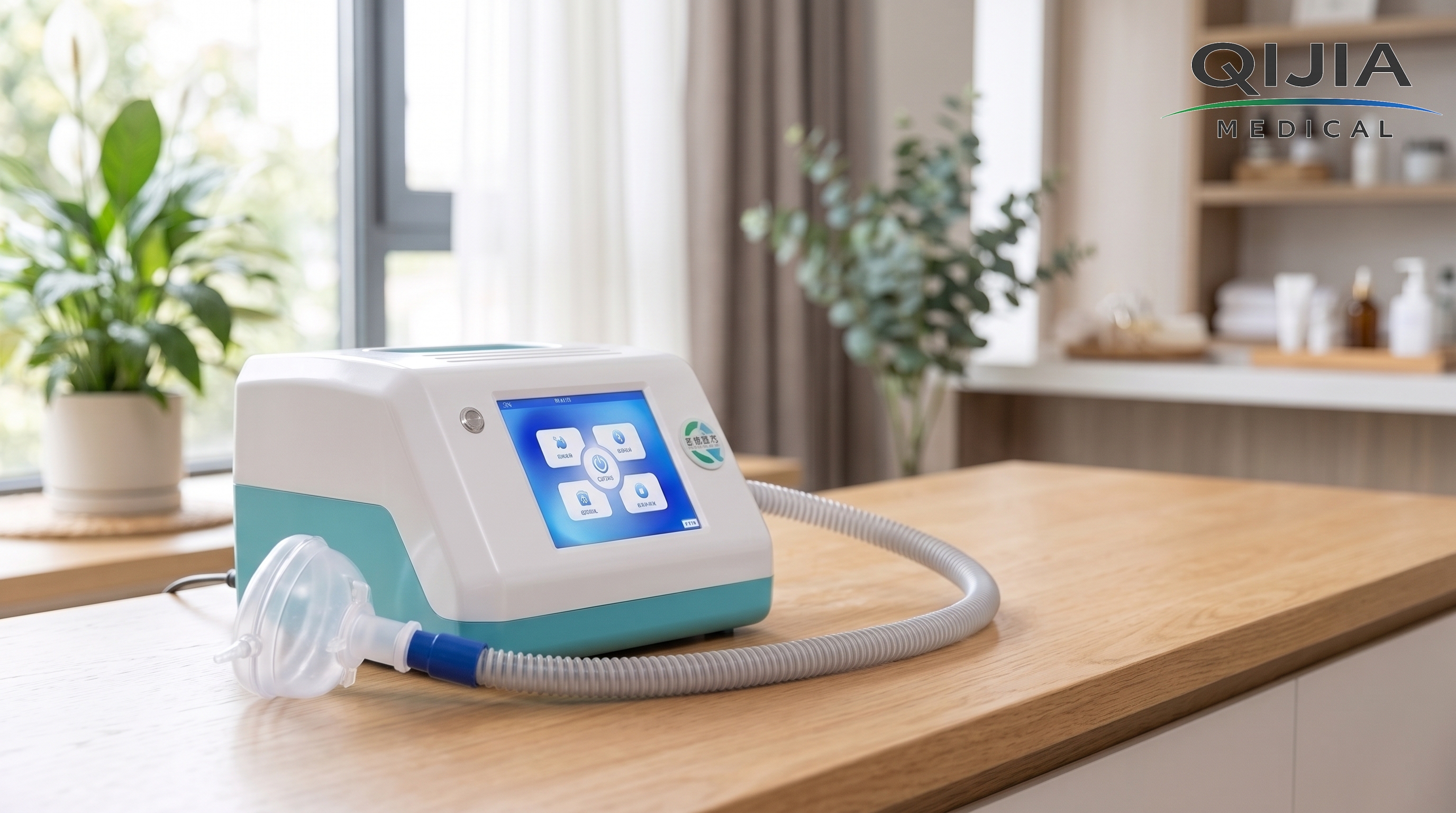
A Cough Assist Device uses a technique called Mechanical Insufflation-Exsufflation (MI-E). Instead of relying entirely on the patient's own respiratory muscles, the device delivers alternating positive and negative airway pressure to simulate important aspects of a natural cough.
Step 1: Positive-pressure insufflation
The device first delivers positive pressure to assist air movement into the lungs. This helps increase the volume of air available for the subsequent expiratory phase.
Step 2: Rapid negative-pressure exsufflation
The device then rapidly switches to negative pressure, creating an outward airflow that helps move respiratory secretions toward the upper airway.
Step 3: Assisted secretion clearance
As secretions move toward the central airway, they may become easier to remove through an effective cough or other appropriate airway clearance procedures. The clinical team determines whether additional suctioning or other interventions are needed.
This alternating pressure mechanism is particularly relevant when a patient's respiratory muscles are too weak to generate sufficient cough flow. It is intended to assist cough effectiveness, not to provide continuous ventilation or replace a mechanical ventilator.
5. Potential Applications in ICU, Tracheostomy, and Ventilator Weaning
Not every critically ill patient needs a Cough Assist Device. Its potential role depends on the cause of ineffective cough, the patient's airway status, respiratory mechanics, and clinical stability. The following situations illustrate where clinicians may consider mechanical cough assistance as part of an individualized airway clearance plan.
5.1 Critically ill patients with respiratory muscle weakness
Some ICU patients develop significant respiratory muscle weakness following severe illness, prolonged immobility, neurological injury, or pre-existing neuromuscular disease.
Even when the patient can breathe spontaneously or receive adequate ventilatory support, weak expiratory muscles may prevent effective coughing. This creates a gap between the ability to move air and the ability to clear mucus.
For carefully selected patients, MI-E may help augment cough airflow and support secretion mobilization. The decision should be based on clinical assessment rather than the diagnosis of critical illness alone.
5.2 Selected patients with a tracheostomy
Tracheostomy is commonly used when patients require prolonged airway access or extended respiratory support. Although it can facilitate airway management, it does not automatically restore normal cough strength.
Patients with respiratory muscle weakness, neurological impairment, or persistent secretion retention may continue to experience difficulty clearing mucus after tracheostomy placement.
A Cough Assist Device with an appropriate tracheostomy-specific interface may be considered for selected patients under the direction of trained healthcare professionals. The airway interface, cuff status, pressure settings, and treatment method must be compatible with the patient's individual airway and clinical requirements.
5.3 Patients undergoing ventilator weaning and extubation assessment
Ventilator weaning is a gradual process that evaluates whether a patient can maintain adequate spontaneous breathing with reduced support. However, respiratory independence and effective airway clearance are two different clinical capabilities.
A patient may demonstrate improved breathing capacity but still have difficulty generating sufficient expiratory airflow to remove secretions. This can become a concern during the transition away from invasive ventilation.
In selected patients with ineffective cough, cough augmentation techniques may be considered alongside standard respiratory assessment and airway management. MI-E should not be regarded as a guaranteed method of preventing reintubation or shortening ventilation time. Current clinical evidence suggests potential benefits for secretion clearance, while its effects on major outcomes such as ventilator duration and ICU length of stay remain uncertain.
5.4 Neurological and neuromuscular patients in critical care
Patients admitted to the ICU with conditions such as spinal cord injury, stroke, traumatic brain injury, or neuromuscular disorders may have impaired cough function before or during critical illness.
In these cases, the underlying condition may affect respiratory muscle strength, cough coordination, airway protection, or the ability to respond to accumulated secretions.
For selected patients whose cough is ineffective, mechanical insufflation-exsufflation may form part of a broader respiratory care plan. However, neurological status, aspiration risk, intracranial pressure concerns, and overall stability must be considered before treatment.
6. Important Safety Considerations in Critically Ill Patients
ICU patients are often medically complex and may have rapidly changing respiratory and cardiovascular conditions. Although MI-E is an established cough augmentation technique in selected patient groups, its use in critically ill and invasively ventilated patients requires particular care.
Clinical studies have reported potential improvements in secretion clearance, but the available evidence does not establish that MI-E routinely improves survival, shortens mechanical ventilation, or reduces ICU length of stay. Research protocols and patient populations also vary considerably.
Before considering treatment, clinicians should assess factors such as:
Respiratory stability: Oxygenation, ventilation, respiratory mechanics, and the patient's ability to tolerate changes in airway pressure.
Hemodynamic condition: Patients with severe cardiovascular instability may not tolerate pressure changes associated with treatment.
Risk of barotrauma: Existing pneumothorax, undrained air leaks, or other conditions associated with increased risk from positive or negative pressure require careful evaluation.
Neurological status: Patients with elevated or unstable intracranial pressure require specialist assessment before any intervention that may affect intrathoracic or airway pressure.
Airway interface and compatibility: The correct interface and treatment configuration must be selected for patients using a mask, tracheostomy, or other airway access.
Secretion characteristics: Mucus volume, thickness, location, and the patient's ability to expectorate or undergo suctioning should all be considered.
During treatment, trained healthcare professionals should monitor the patient's clinical response, including oxygen saturation, heart rate, blood pressure, respiratory status, and signs of intolerance. Treatment parameters should be individualized and adjusted according to the patient's condition and applicable clinical protocols.
MI-E is not suitable for every patient. It does not replace mechanical ventilation, endotracheal or tracheal suctioning, bronchoscopy when indicated, or other essential ICU interventions. It should only be used when the treating team determines that its potential benefits outweigh the risks.
7. QIJIA MEDICAL Cough Assist Device for Respiratory Care Applications
As the demand for comprehensive respiratory care continues to grow, healthcare providers need equipment that addresses different aspects of airway management. A Cough Assist Device is designed to support patients who have difficulty generating an effective cough and clearing respiratory secretions.
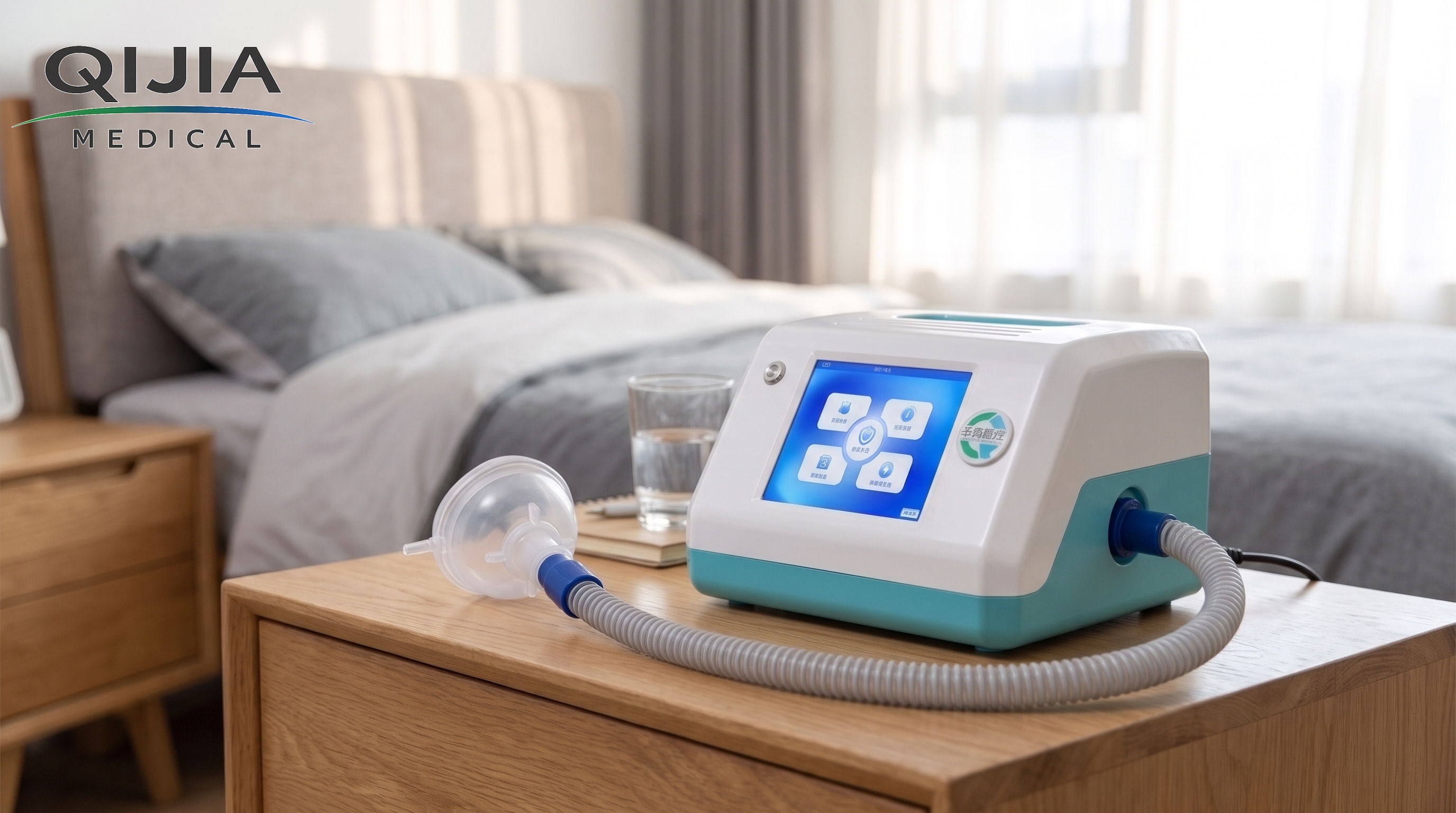
The QIJIA MEDICAL Cough Assist Device uses Mechanical Insufflation-Exsufflation technology, alternating positive and negative pressure to assist cough-related airflow and secretion clearance.
Key product features include:
Adjustable inspiratory pressure: Allows healthcare professionals to configure the insufflation phase according to the patient's clinical needs.
Adjustable expiratory pressure: Supports individualized settings during the exsufflation phase.
Adjustable treatment time: Enables the treatment duration to be configured according to the prescribed care plan.
Mask interface: Provides an interface option for appropriate patients who receive cough assistance through a mask.
Tracheostomy-specific interface option: Supports selected tracheostomy-related applications when the interface and treatment configuration are clinically appropriate.
For hospitals, respiratory care departments, rehabilitation facilities, and medical equipment distributors, understanding the role of cough assistance is an important part of evaluating respiratory care solutions.
To learn more about the QIJIA MEDICAL Cough Assist Device, its features, and potential application scenarios, visit our product page:
QIJIA MEDICAL Cough Assist Device – Mechanical Insufflation-Exsufflation System
8. Building a More Comprehensive Approach to ICU Airway Clearance
Effective airway management in critical care requires more than one device or procedure. Mechanical ventilation supports breathing, suctioning removes accessible secretions, respiratory physiotherapy helps manage mucus, and cough augmentation may assist patients who cannot generate sufficient expiratory airflow.
These approaches address different clinical needs and should be selected according to the patient's condition. A structured airway clearance plan can help healthcare professionals identify secretion-related problems, assess cough effectiveness, and determine when additional interventions may be appropriate.
For patients with severe respiratory muscle weakness or ineffective cough, the ability to clear secretions may remain a major challenge even as their overall condition improves. Recognizing this problem early is an important part of respiratory care, particularly during prolonged ventilation, tracheostomy management, and ventilator weaning.
At QIJIA MEDICAL, we focus on the development and manufacturing of medical equipment for respiratory care and rehabilitation. Through product development, manufacturing, and OEM/ODM cooperation, we aim to support healthcare providers and medical equipment partners in expanding access to respiratory care solutions.
Learn more about our company and OEM/ODM cooperation opportunities:
About QIJIA MEDICAL – Medical Equipment Manufacturer and OEM/ODM Partner
For product information, distribution inquiries, or cooperation opportunities, please contact our team:
Frequently Asked Questions (FAQ)
1. Why do ICU patients often have difficulty clearing airway secretions?
Critically ill patients may experience respiratory muscle weakness, sedation, reduced consciousness, neurological impairment, or the effects of an artificial airway. These factors can weaken normal cough function and make it harder to remove accumulated mucus.
2. Can a Cough Assist Device be used for mechanically ventilated patients?
Mechanical insufflation-exsufflation has been studied in selected invasively ventilated ICU patients and may help improve secretion clearance. However, its use requires specialist assessment, a compatible airway configuration, and close monitoring. It is not a routine treatment for every ventilated patient.
3. Is a Cough Assist Device the same as a mechanical ventilator?
No. A mechanical ventilator provides respiratory support by assisting or controlling ventilation. A Cough Assist Device uses alternating positive and negative airway pressure to simulate cough-related airflow and assist secretion clearance. The two devices serve different purposes.
4. Can a Cough Assist Device replace suctioning in the ICU?
No. Cough assistance and suctioning have different functions. MI-E helps mobilize secretions toward the upper airway, while suctioning removes accessible secretions through an appropriate catheter. They may be used as complementary techniques when clinically indicated.
5. Can patients with a tracheostomy use a Cough Assist Device?
Some patients with a tracheostomy may be considered for mechanical cough assistance when they have ineffective cough or difficulty clearing secretions. An appropriate tracheostomy interface and individualized treatment plan are essential. The decision must be made by qualified healthcare professionals.
6. Can a Cough Assist Device help patients during ventilator weaning?
For selected patients with ineffective cough, MI-E may support secretion clearance during the broader weaning and extubation process. However, it does not guarantee successful extubation or reduce ventilation time. Cough strength, airway protection, secretion burden, and respiratory stability must all be assessed.
7. Is mechanical insufflation-exsufflation suitable for every ICU patient?
No. Patients with certain respiratory, cardiovascular, neurological, or barotrauma-related risks may require additional precautions or may not be suitable candidates. A specialist should assess the potential benefits and risks before treatment.
8. What should hospitals consider when selecting a Cough Assist Device?
Hospitals should evaluate pressure adjustment capabilities, treatment controls, available patient interfaces, compatibility with intended clinical applications, ease of operation, technical support, and manufacturer qualifications. Clinical suitability and local regulatory requirements should always be considered.
Conclusion
In critical care, effective ventilation does not always mean effective airway clearance. Patients who are intubated, tracheostomized, or recovering from severe illness may continue to face significant challenges when their cough is too weak to remove respiratory secretions.
Mechanical insufflation-exsufflation offers an additional approach for selected patients by assisting cough-related airflow and supporting secretion clearance. When used as part of an individualized respiratory care plan, a Cough Assist Device may help address an important gap in airway management.
QIJIA MEDICAL – The Future of Smart Healthcare.