







Airway Clearance in Critical Care: Exploring the Role of HFCWO in Respiratory Management
In critical care, maintaining adequate oxygenation and ventilation is only part of effective respiratory management. For patients with severe respiratory illness, prolonged immobility, artificial airways, or weakened respiratory muscles, the ability to remove airway secretions can become equally important.
When mucus accumulates and cannot be cleared effectively, the consequences may extend beyond respiratory discomfort. Significant secretion retention can contribute to airway obstruction, atelectasis, impaired gas exchange, and an increased burden of respiratory complications. In critically ill patients with limited pulmonary reserve, these problems may create additional challenges for an already complex treatment process.
Airway secretion management should therefore be considered an integral component of critical care rather than an isolated nursing procedure. Alongside conventional suctioning and respiratory physiotherapy, mechanical airway clearance technologies such as High-Frequency Chest Wall Oscillation (HFCWO) offer another approach to supporting secretion mobilization in appropriately selected patients.
1. The Clinical Risks of Inadequate Airway Clearance
Airway secretions are part of the body's natural respiratory defense system. Under normal conditions, mucus traps inhaled particles and microorganisms, while mucociliary transport and coughing help remove them from the respiratory tract.
However, critically ill patients may have difficulty maintaining these protective mechanisms. When secretion production exceeds the body's clearance capacity, retained mucus can become a significant clinical concern.
Mucus Plugging and Sudden Changes in Respiratory Function
One important concern is the development of mucus plugs. Thick or excessive secretions can partially or completely obstruct an airway, restricting airflow to the affected lung region.
Depending on the location and severity of the obstruction, patients may experience increased airway resistance, reduced regional ventilation, and deterioration in respiratory function.
In mechanically ventilated patients, changes in airway resistance and ventilator pressure measurements may provide important clues that secretion accumulation is affecting airway patency. Timely clinical assessment is essential to identify and address these changes.
Atelectasis and Reduced Pulmonary Function
Airway obstruction can also contribute to atelectasis, a condition involving partial or complete collapse of lung tissue. When an airway becomes obstructed, the air trapped beyond the obstruction may gradually be absorbed, reducing ventilation in that region.
For patients who already have compromised respiratory function, additional loss of ventilated lung volume can make oxygenation and overall respiratory management more difficult.
Although atelectasis has multiple possible causes in ICU patients, secretion-related airway obstruction is an important factor that healthcare professionals should consider.
Respiratory Infections and the Consequences of Retained Secretions
The respiratory tract relies on effective mucus transport and cough function to remove microorganisms and unwanted material. When these protective mechanisms are impaired, retained secretions may contribute to an environment in which bacterial colonization and persistent airway inflammation become more likely.
This is particularly relevant in patients with artificial airways, prolonged hospitalization, or mechanical ventilation, who may already have multiple risk factors for respiratory infection.
Ventilator-associated pneumonia and other pulmonary infections are complex conditions with several contributing factors. Inadequate secretion clearance is one important consideration, but it should not be regarded as the sole cause of infection.
Maintaining airway patency, applying appropriate infection prevention measures, and monitoring changes in respiratory condition are all essential elements of critical care.
Increased Work of Breathing and Challenges in Respiratory Recovery
Airway obstruction and excessive secretion burden can increase the effort required to maintain effective ventilation. This may be particularly problematic for patients transitioning away from mechanical ventilation.
Successful ventilator liberation requires more than the ability to breathe independently. Patients also need adequate airway protection, sufficient cough effectiveness, and the ability to manage their respiratory secretions.
A patient who demonstrates acceptable spontaneous breathing parameters but cannot effectively clear airway secretions may still require additional respiratory support and clinical assessment before extubation.
2. Why Standard Respiratory Support May Not Be Enough
Modern intensive care provides several essential forms of respiratory support, including oxygen therapy, invasive mechanical ventilation, noninvasive ventilation, and artificial airway management.
These interventions address different aspects of respiratory function, but they do not all perform the same role.
Oxygen Therapy Supports Oxygenation, Not Mucus Removal
Supplemental oxygen increases the availability of oxygen for gas exchange. However, it does not directly remove accumulated mucus or restore impaired mucociliary transport.
A patient may receive oxygen support while continuing to experience significant problems with airway secretion retention.
Mechanical Ventilation Does Not Automatically Restore Cough Function
Mechanical ventilation provides respiratory assistance when spontaneous breathing is inadequate. Nevertheless, an artificial airway can interfere with normal airway defense mechanisms and coughing.
Patients with respiratory muscle weakness or reduced consciousness may remain unable to generate an effective cough even when ventilation is adequately supported.
Suctioning Is Essential but Has a Specific Clinical Role
Tracheal suctioning is an established intervention for removing accessible secretions from an artificial airway. It is particularly important when retained mucus interferes with airway patency.
However, suctioning and secretion mobilization are not identical processes. A suction catheter removes secretions that it can reach, whereas mobilizing mucus from more peripheral airways may require additional approaches.
The 2022 American Association for Respiratory Care (AARC) Clinical Practice Guidelines recommend suctioning based on clinical indicators and emphasize appropriate technique, patient preparation, and procedural safety.
These distinctions highlight why comprehensive airway management may require several complementary interventions rather than relying on a single procedure.
3. HFCWO Technology: An Additional Approach to Airway Secretion Management
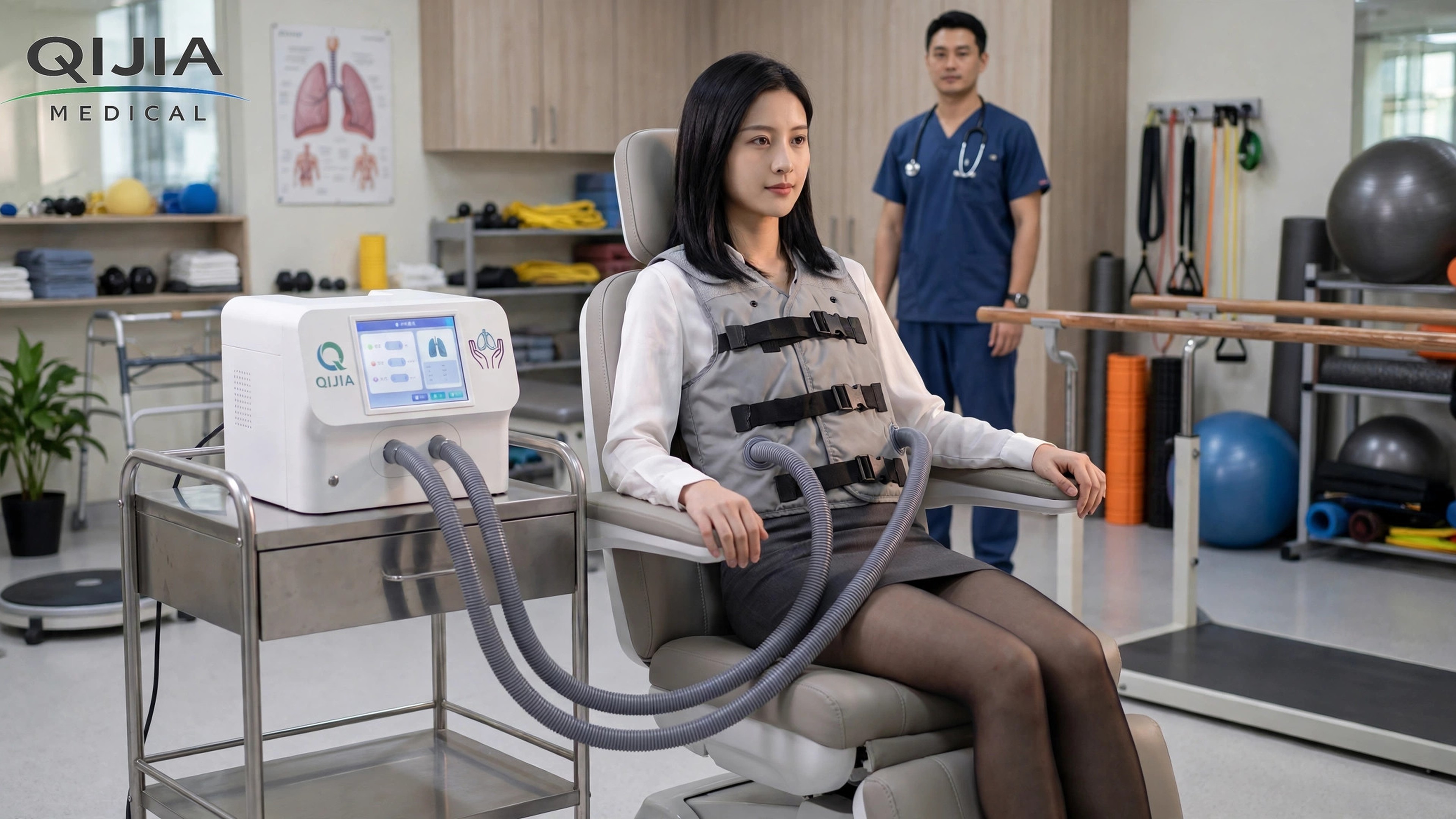
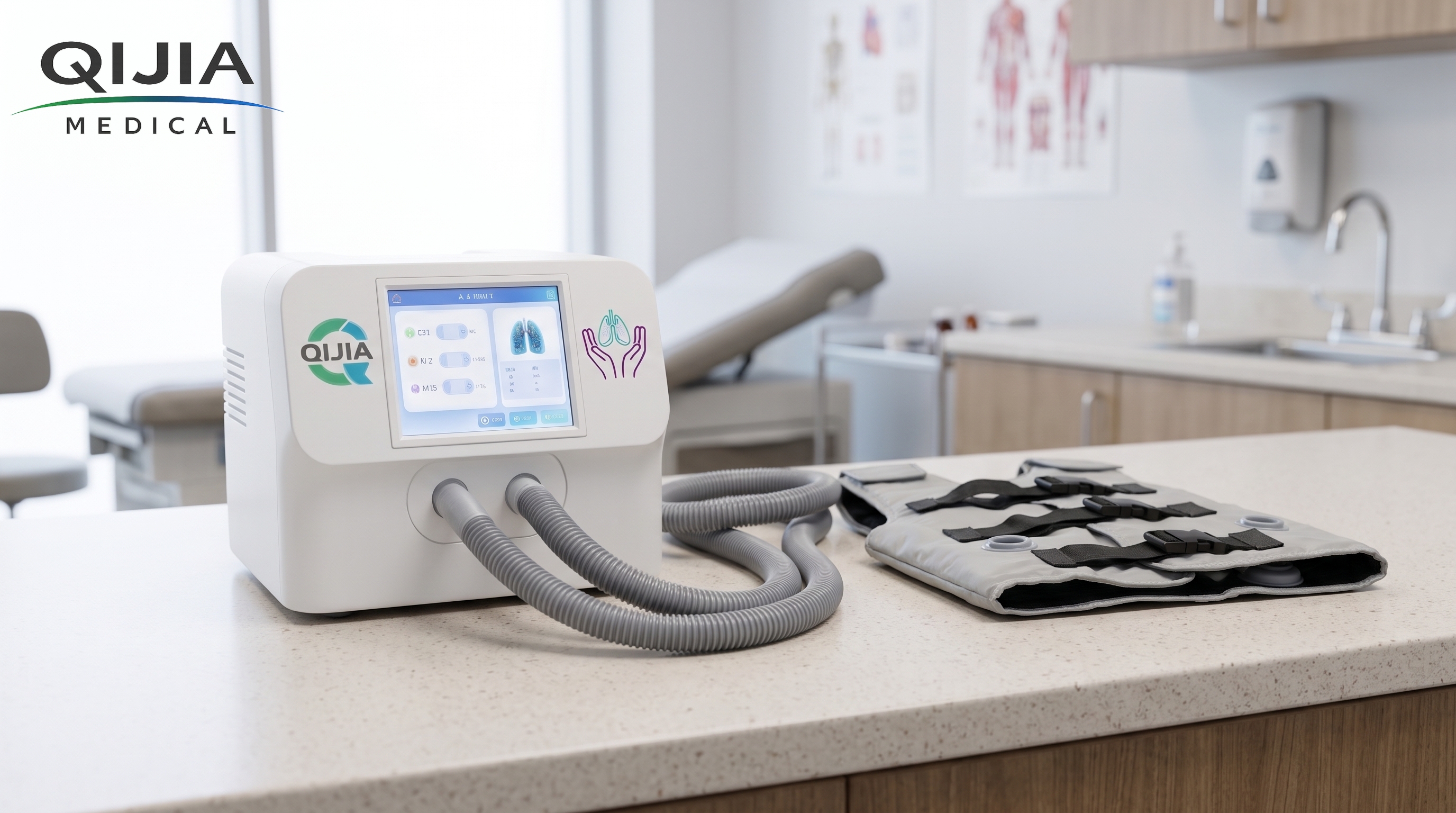
High-Frequency Chest Wall Oscillation (HFCWO) is a non-invasive mechanical airway clearance approach designed to help mobilize respiratory secretions through repeated external chest wall compression and relaxation.
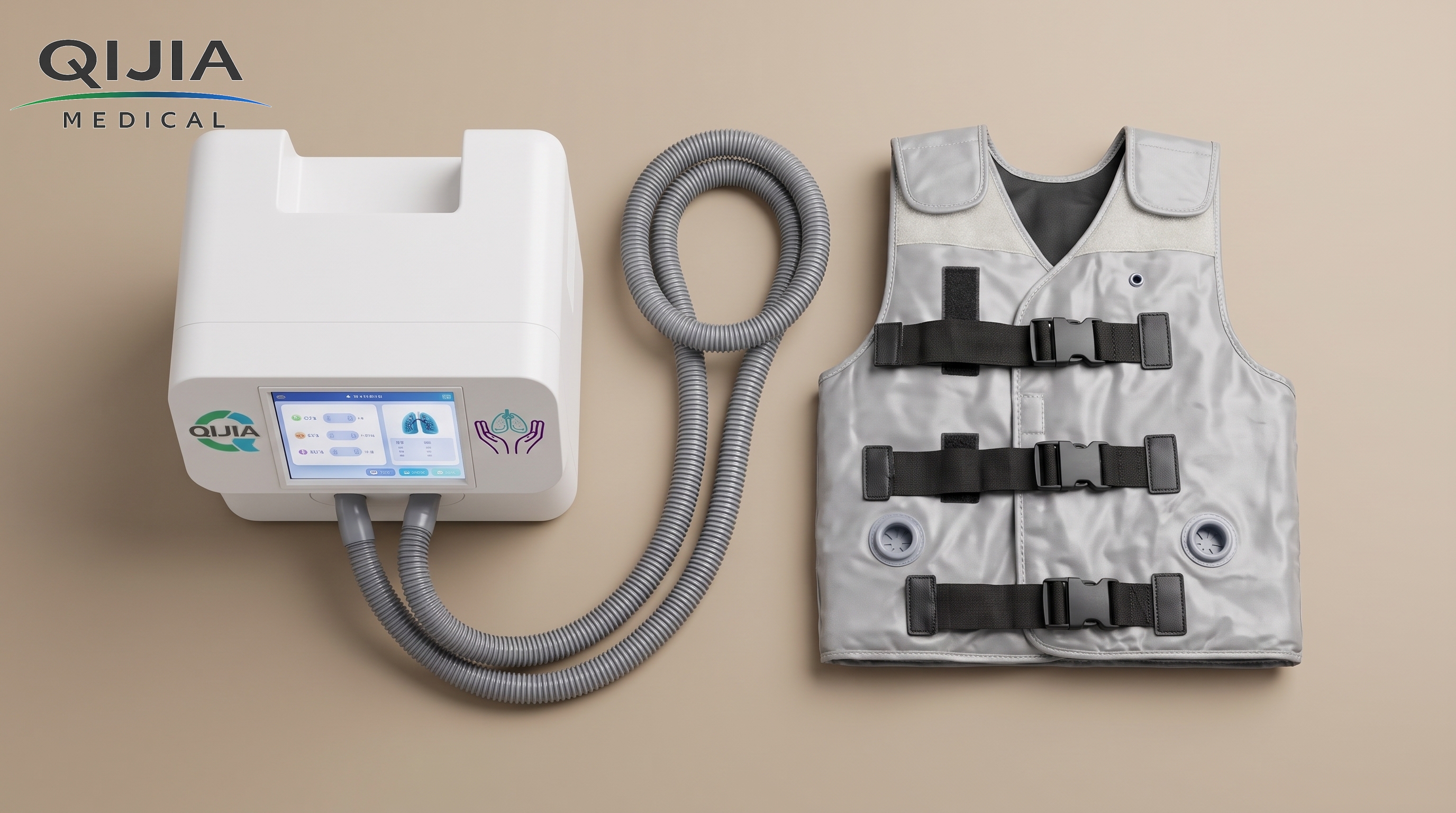
The technology typically consists of a pneumatic control unit connected to an inflatable vest worn around the patient's chest.
During treatment, the system delivers rapid pressure cycles that generate oscillatory movements of the chest wall. These mechanical movements are intended to influence expiratory airflow and help move mucus from smaller airways toward larger airways, where it may be easier to remove.
Rather than directly suctioning mucus from the respiratory tract, HFCWO focuses on the mobilization stage of airway clearance.
Why Secretion Mobilization Matters
Moving retained mucus toward more accessible airways can be an important step in the overall clearance process.
Once secretions have been mobilized, patients with sufficient cough strength may be able to expectorate them. Patients with ineffective coughing may require additional assistance, including suctioning or an appropriate cough-assistance technique.
This distinction is particularly important in critical care, where patients may have significantly different levels of respiratory muscle function and airway protection.
HFCWO should therefore be considered within a coordinated airway clearance plan, not as an independent solution for every form of secretion retention.
4. Where Can HFCWO Fit into Critical Care Respiratory Management?
The potential role of HFCWO depends on patient selection, clinical objectives, treatment tolerance, and the overall respiratory management strategy.
It may be considered by healthcare professionals when secretion mobilization is an important treatment objective and conventional approaches alone are not sufficient or when an additional airway clearance method is considered appropriate.
Patients with Significant Secretion Burden
Some critically ill patients produce excessive respiratory secretions due to infection, airway inflammation, chronic respiratory disease, or other underlying conditions.
When these secretions are difficult to mobilize, an additional airway clearance approach may be considered as part of an individualized treatment plan.
Patients with Reduced Mobility
Prolonged bed rest and severe illness can reduce normal physical activity and contribute to respiratory muscle deconditioning.
In patients with impaired mobility, healthcare professionals may consider different respiratory physiotherapy and airway clearance interventions to support secretion management.
Patients with Ineffective Coughing
Reduced cough effectiveness is a common concern in patients with neuromuscular weakness, prolonged critical illness, or impaired consciousness.
HFCWO may help mobilize secretions, but mobilization does not guarantee their removal. Patients who cannot generate an effective cough may need additional clearance assistance.
For this reason, the clinical team should assess whether HFCWO needs to be combined with suctioning or another appropriate cough-assistance method.
Respiratory Care Beyond the ICU
Airway secretion management is not limited to intensive care units. Patients recovering from severe respiratory illness may continue to experience impaired cough function, reduced mobility, or excessive mucus production.
Depending on their condition and clinical assessment, airway clearance strategies may also be considered in respiratory rehabilitation departments, step-down units, and selected long-term care environments.
The appropriate application of HFCWO should always be determined by qualified healthcare professionals according to individual patient needs.
5. HFCWO Is Not a Replacement for Other Airway Clearance Techniques
One important consideration when introducing mechanical airway clearance technology is understanding the differences between available treatment approaches.
HFCWO, mechanical insufflation-exsufflation (MI-E), and conventional suctioning have different mechanisms and clinical objectives.
Conventional suctioning: Uses negative pressure through a catheter to remove accessible secretions from an artificial airway or other clinically appropriate access point.
HFCWO: Uses external chest wall oscillation to help mobilize airway secretions.
Mechanical insufflation-exsufflation (MI-E): Applies positive pressure followed by negative pressure to simulate a cough and assist secretion removal.
Manual respiratory physiotherapy: Includes selected positioning, percussion, vibration, and other techniques intended to support secretion movement and respiratory function.
These methods should not be treated as interchangeable. Their selection depends on the patient's condition, airway status, cough effectiveness, secretion characteristics, and clinical objectives.
In some situations, more than one technique may be incorporated into a coordinated treatment plan. For example, HFCWO may be used to mobilize secretions, followed by coughing assistance or suctioning to facilitate their removal.
The sequence and combination of interventions should be determined by the treating clinical team rather than applied as a universal protocol.
6. Patient Assessment and Safety Considerations Before HFCWO Treatment
Although HFCWO is a non-invasive approach, it should not automatically be considered appropriate for every critically ill patient.
Critical care patients often have complex medical conditions, and treatment decisions require careful evaluation of potential benefits and risks.
Clinical Assessment Before Treatment
Healthcare professionals should consider several factors before initiating chest wall oscillation therapy:
The patient's respiratory condition and current oxygenation status.
The amount, consistency, and distribution of airway secretions.
Cough effectiveness and the ability to expectorate mobilized mucus.
Hemodynamic and cardiovascular stability.
Chest wall integrity, recent surgery, trauma, and other relevant clinical conditions.
The presence of contraindications or precautions specified by the device manufacturer.
The availability of appropriate monitoring and additional secretion removal methods.
Monitoring During Treatment
Patients receiving airway clearance interventions should be monitored according to their clinical condition and the treatment protocol.
Relevant observations may include oxygen saturation, heart rate, respiratory rate, blood pressure when indicated, respiratory effort, patient comfort, and changes in secretion characteristics.
Clinical staff should remain alert to signs of intolerance, respiratory deterioration, or hemodynamic instability. Treatment should be reassessed or stopped when clinically indicated.
Not Every Patient Is an Appropriate Candidate
Conditions such as unstable cardiovascular status, active bleeding, significant chest wall injury, recent thoracic surgery, and certain pulmonary complications may require particular caution or may represent contraindications depending on the clinical circumstances and device instructions.
Patient selection should follow professional clinical judgment, relevant medical guidance, and the manufacturer's instructions for use.
7. What Does Current Clinical Evidence Tell Us About HFCWO in Critical Care?
Interest in HFCWO has increased as healthcare professionals seek additional approaches to secretion management. However, evidence from chronic respiratory disease populations should not automatically be applied to critically ill patients.
A 2026 systematic review published in Respiration, titled High-Frequency Chest Wall Oscillation in Critical Care: A Systematic Review, specifically examined HFCWO in adult ICU patients.
The review identified a limited number of studies with differences in patient populations, treatment protocols, and clinical outcomes. Some findings suggested improvements in secretion clearance, oxygenation, and respiratory mechanics. However, the evidence did not establish consistent benefits in major outcomes such as mortality, ICU length of stay, or duration of mechanical ventilation.
These findings support a balanced interpretation: HFCWO may offer a useful secretion mobilization option for selected patients, but its role in critical care requires further high-quality research.
It is also important to distinguish evidence for HFCWO from studies involving MI-E or other airway clearance techniques. Results from one intervention cannot be assumed to demonstrate the effectiveness of another.
For hospitals and respiratory care professionals, evidence-based patient selection and appropriate clinical monitoring remain essential when evaluating mechanical airway clearance technologies.
8. Choosing an Airway Clearance System for Healthcare Facilities
For hospitals, respiratory therapy departments, rehabilitation centers, and medical equipment distributors, selecting an airway clearance system involves more than comparing basic device specifications.
The equipment should be evaluated according to its intended clinical application, treatment flexibility, operational reliability, and compatibility with the facility's respiratory care workflow.
Several considerations may help guide equipment evaluation:
Treatment Flexibility
Different patients may require different treatment settings. Healthcare facilities should evaluate whether the system provides appropriate adjustment options for pressure, frequency, and treatment duration according to its intended use and clinical protocol.
Patient Interface and Treatment Comfort
The design of the inflatable vest and its connection system can influence treatment convenience and patient tolerance. Appropriate sizing and compatibility with the intended patient population should also be considered.
Operational Reliability
Equipment used in healthcare environments should support consistent operation and routine maintenance. Build quality, component reliability, technical support, and the availability of replacement accessories are important purchasing considerations.
Manufacturer Capabilities and Technical Support
For medical equipment distributors and healthcare procurement teams, working with a manufacturer that provides product development, manufacturing capabilities, and OEM/ODM cooperation can offer additional flexibility.
It is also important to review applicable regulatory documentation, quality management certifications, product specifications, and after-sales support before making purchasing decisions.
9. QIJIA MEDICAL: Airway Clearance Technology and Manufacturing Solutions
As a medical equipment manufacturer integrating research and development with production, QIJIA MEDICAL focuses on respiratory rehabilitation, neurological rehabilitation, and other medical equipment solutions.
Our Airway Clearance System is based on High-Frequency Chest Wall Oscillation technology, using a pneumatic vest system to deliver repeated chest wall oscillations and support airway secretion mobilization.
The system is designed for respiratory secretion management applications in appropriate clinical and care environments. It provides healthcare facilities and medical equipment distributors with another option to consider when developing respiratory care equipment portfolios.
QIJIA MEDICAL also supports OEM and ODM cooperation, including customized product solutions for international business partners.
For healthcare institutions, distributors, and medical equipment businesses interested in respiratory care technology, understanding the manufacturer's product development and production capabilities is an important part of supplier evaluation.
Explore the QIJIA Airway Clearance System to learn more about our HFCWO-based respiratory equipment.
Learn more about QIJIA MEDICAL's manufacturing capabilities and OEM/ODM services, or contact our team to discuss product information, distribution opportunities, and customized medical equipment solutions.
Conclusion: Making Airway Clearance Part of Comprehensive Critical Care
Effective respiratory management requires more than maintaining oxygen levels and supporting ventilation. For critically ill patients, the ability to mobilize and remove airway secretions is another important factor influencing respiratory stability and recovery.
Unmanaged secretion burden can contribute to mucus plugging, atelectasis, impaired gas exchange, and additional respiratory complications. Recognizing these risks and incorporating appropriate secretion management strategies into critical care workflows can help healthcare teams address an often-overlooked aspect of respiratory support.
HFCWO technology provides a non-invasive approach to mobilizing airway secretions and may be considered for selected patients as part of an individualized respiratory care plan. It does not replace conventional suctioning, MI-E, or other essential respiratory interventions, and its clinical benefits in ICU populations continue to require further investigation.
As respiratory care continues to evolve, combining appropriate clinical assessment with suitable airway clearance technologies can help healthcare facilities develop more comprehensive approaches to respiratory secretion management.
Frequently Asked Questions (FAQ)
1. Why is airway clearance important in critical care?
Critically ill patients may have impaired cough function, reduced mobility, and altered mucociliary clearance. Without effective secretion management, retained mucus can contribute to airway obstruction, atelectasis, impaired gas exchange, and respiratory complications.
2. What are the risks of ineffective airway secretion management in ICU patients?
Potential complications include mucus plugging, increased airway resistance, atelectasis, impaired oxygenation, and an increased burden of respiratory infections. The clinical impact depends on the patient's underlying condition and the severity of secretion retention.
3. What is HFCWO therapy used for?
High-Frequency Chest Wall Oscillation uses repeated external chest wall compression and relaxation to help mobilize airway secretions. It is intended to facilitate subsequent mucus removal through coughing or other appropriate airway clearance methods.
4. Can HFCWO replace conventional suctioning?
No. HFCWO helps mobilize secretions, whereas suctioning physically removes accessible mucus through negative pressure. These interventions have different functions and may complement each other in an appropriate respiratory care plan.
5. Is HFCWO suitable for mechanically ventilated patients?
HFCWO has been investigated in critically ill patients, including some receiving mechanical ventilation. However, available evidence remains limited, and treatment suitability depends on individual clinical assessment, airway status, treatment tolerance, and device-specific precautions.
6. Can HFCWO help patients who cannot cough effectively?
HFCWO may help mobilize secretions, but it does not independently reproduce an effective cough. Patients with significantly impaired cough function may require additional interventions, such as suctioning or mechanical cough assistance.
7. What should hospitals consider when purchasing an HFCWO airway clearance system?
Important considerations include treatment adjustment options, vest sizing and patient compatibility, equipment reliability, maintenance requirements, regulatory documentation, technical support, and manufacturer capabilities.
8. Does QIJIA MEDICAL provide OEM and ODM services for airway clearance equipment?
Yes. QIJIA MEDICAL integrates research and development with manufacturing and supports OEM/ODM cooperation for international medical equipment partners. Interested distributors and healthcare businesses can contact our team to discuss customized requirements.
References and Further Reading
Ielo S, et al. (2026). High-Frequency Chest Wall Oscillation in Critical Care: A Systematic Review. Respiration. 2026 Mar 24.https://doi.org/10.1159/000551711
Rossi V, et al. (2026). Physiological and clinical effects of selected airway clearance techniques in mechanically ventilated adult ICU patients: A systematic review and synthesis without meta-analysis. Critical Care, 30, 490.https://doi.org/10.1186/s13054-026-06158-8
Blakeman TC, Scott JB, Yoder MA, et al. (2022). AARC Clinical Practice Guidelines: Artificial Airway Suctioning. Respiratory Care, 67(2), 258–271.https://doi.org/10.4187/respcare.09548
Consensus Statements on Airway Clearance Interventions in Intubated Critically Ill Patients: Protocol for a Delphi Study (2025).Read the publication